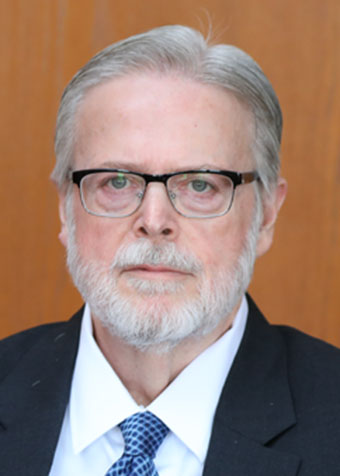
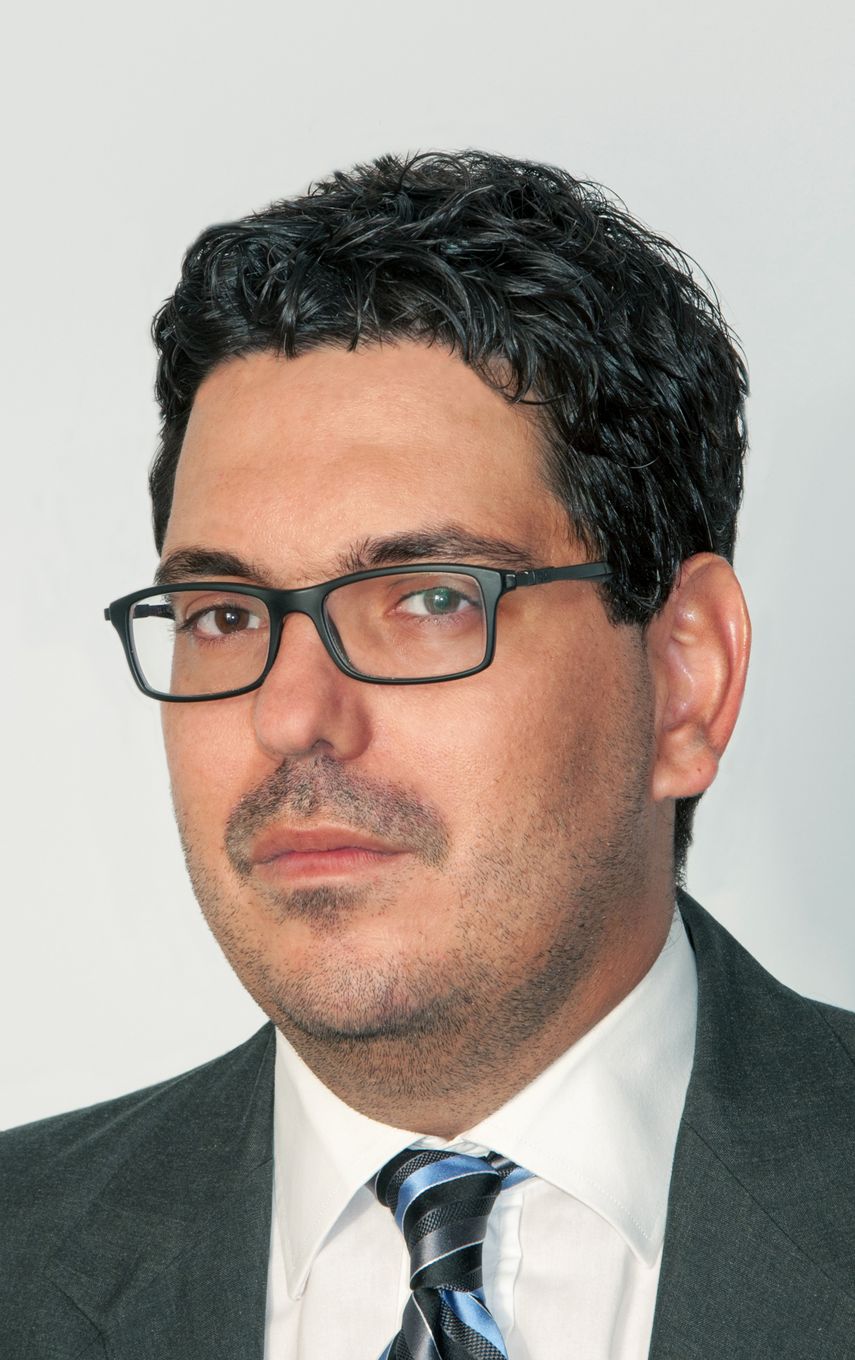
Nicolas Tanchukمشاهده پروفایل
استادیار
Nicolas Tanchuk serves as Assistant Professor in the Education Policy, Organization & Leadership department within the College of Education at the University of Illinois at Urbana-Champaign. His office is located in 0368 Education Building at 1310 S. Sixth Street, Champaign, IL, where he teaches graduate-level courses in educational philosophy, ethics, and technology integration. Dr. Tanchuk's research spans multiple interconnected domains with increasing emphasis on the philosophical implications of artificial intelligence in education. His primary interests include educational ethics, social justice pedagogy, critical policy analysis, and the evolving relationship between educational theory and emerging technologies. Recent scholarship demonstrates a significant pivot toward examining AI's role in educational contexts, particularly regarding epistemic trustworthiness in AI tutoring systems and literacy frameworks for potential artificial superintelligence. His work consistently bridges theoretical philosophical inquiry with practical educational concerns, maintaining strong connections to social justice frameworks and Indigenous educational perspectives. Analysis of his recent publications reveals a clear trajectory from foundational work in educational ethics and social justice toward increasingly technology-focused philosophical inquiry. While maintaining his commitment to critical approaches to educational policy and teacher ethics, approximately 40% of his 2024-2025 publications directly address AI's role in education. His scholarship demonstrates methodological diversity, employing critical policy analysis, philosophical argumentation, and empirical validation approaches across his publications in journals spanning educational theory, philosophy, and policy. Dr. Tanchuk teaches several advanced courses including ERAM 551 (Philosophy and History of Educational Research), EPOL 506 (Contemporary Philosophy of Education), EPOL 480 (Technology and Educational Reform), and ERAM 572 (Case Studies in Educational Ethics). His course descriptions emphasize interdisciplinary approaches that integrate philosophical, historical, and social perspectives on education, with particular attention to normative and policy issues raised by technological developments in educational contexts. His teaching appears designed to equip graduate students with both theoretical frameworks and practical ethical decision-making tools for contemporary educational challenges.