- Metabolomics
- Lipidomics
- Mass Spectrometry
- +۳ مورد دیگر
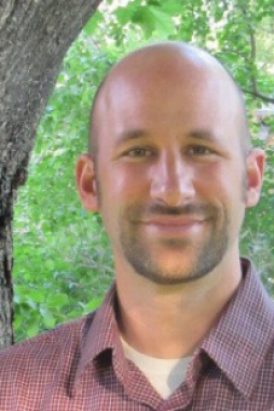
J. Rafael Montenegro Burke serves as an Assistant Professor at the University of Toronto with a cross-appointment at The Donnelly Centre for Cellular and Biomolecular Research. Based at 160 College Street in downtown Toronto, his research program centers on metabolomics and lipidomics to elucidate the roles of metabolites in human diseases, particularly cancer. His lab employs advanced mass spectrometry techniques to profile metabolomes and lipidomes across diverse biological systems including cancer cell lines and patient-derived samples. Dr. Montenegro Burke's research focuses on investigating the biological significance of metabolites—a diverse set of small molecules that remain less understood compared to genes and proteins. His work aims to close this knowledge gap by characterizing the complex chemical landscape of metabolites across various cell types and tissues. Key research areas include: Metabolomics and lipidomics profiling in cancer Identification of metabolic vulnerabilities in brain metastases and leukemia Development of mass spectrometry methods for comprehensive metabolome mapping Exploration of lipid homeostasis in drug resistance and fungal infections Integration of chemistry and biology to uncover disease mechanisms Creation of novel therapeutic strategies and diagnostic tools Analysis of Dr. Montenegro Burke's recent publications (2021-2025) reveals a concentrated focus on metabolomics applications in oncology and infectious diseases. His work demonstrates consistent investigation of metabolic vulnerabilities across brain metastases (de novo GTP synthesis), acute myeloid leukemia (plasma membrane rigidity in drug-tolerant cells), and medulloblastoma (MYC-amplified metabolic pathways). A prominent methodological theme involves advancing mass spectrometry techniques for metabolome and lipidome analysis, often combined with computational approaches for data interpretation. His research bridges fundamental biochemistry with translational applications for disease intervention. Scientific awards: No awards were mentioned in the provided text. Regarding student advising and research funding, the available documentation does not specify current graduate students, postdoctoral fellows, or grant details. However, as an active research laboratory conducting metabolomics studies on cancer and infectious diseases, the group likely supervises trainees in analytical chemistry and biological research methodologies. The lab's emphasis on methodological innovation suggests involvement in instrumentation-focused funding initiatives. The Montenegro Burke Lab explicitly prioritizes creating an inclusive research environment that values diverse backgrounds, beliefs, and experiences. The lab mission statement emphasizes supporting historically underrepresented groups in STEM and ensuring representation reflective of contemporary society. This commitment to diversity and inclusion is integrated with their scientific mission to advance metabolomics research through collaborative and equitable practices.