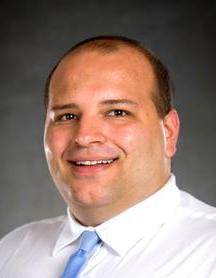
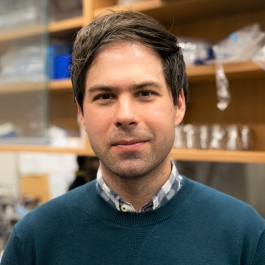
Nicole Templeman is Assistant Professor and Canada Research Chair in Cell Biology at University of Victoria. Her research investigates mechanisms of reproductive aging using C. elegans and mouse models, focusing on nutrient-sensing pathways and oocyte quality maintenance. Research Program: Nutrient-signaling regulation of reproductive aging Insulin pathway modulation of oocyte quality Evolutionarily conserved mechanisms of fertility preservation Laboratory Team: 3 PhD candidates and MSc students Multiple undergraduate researchers Honors & Funding: Canada Research Chair (Tier 2) in Cell Biology Michael Smith Health Research BC Scholar Jarislowsky Fellowship-Banting Discovery Award
Summary Prof. Sreeparna Banerjee is a Professor in the Department of Biological Sciences at Middle East Technical University (METU), Ankara, Turkey. Her research focuses on colorectal cancer metabolism, particularly the metabolic pathways deregulated in cancer cells, including lipid and carbohydrate metabolism, and their role in inflammatory pathways. Her laboratory investigates how targeting these pathways can enhance chemotherapy sensitivity and identify novel drug targets. Education Ph.D. in Food Science, University of Leeds (2002) M.Sc. in Food Science, University of Leeds (1998) B.Sc. in Physiology, University of Calcutta (1997) Research Highlights Her work emphasizes metabolic plasticity in cancer cells under nutrient deprivation, lysosomal dynamics, and epithelial-mesenchymal transition (EMT). Recent studies include glutamine withdrawal effects on lipid metabolism in metastatic CRC, lysosomal alkalinization mechanisms, and drug delivery systems using polymer-based microparticles. Her lab employs innovative models like the chorioallantoic membrane assay for studying autophagy and metastasis. Publications & Collaborations Over 100 peer-reviewed publications, including high-impact journals such as Cell Proliferation , Scientific Reports , and Cellular Oncology . Collaborations span biomaterials science, nanotechnology, and systems biology. Recent work includes cross-disciplinary projects on phase-separated cellular condensates and targeted drug delivery systems. Professional Activities Thesis advisor to 40+ students. Active in METU's research community, with a strong focus on training early-career researchers in cancer metabolism and translational oncology.
Dr. Christopher L Brett is a Professor of Biology at Concordia University, serving as Co-Director of the Centre for Microscopy and holding the Concordia University Research Chair in Applied Cell Science. He holds a PhD from Johns Hopkins University and a Postdoctoral Fellowship from the University of Washington. His research focuses on fundamental lysosome biology, aging mechanisms, and engineered extracellular vesicles for therapeutic applications. Key areas include lysosomal transporter degradation pathways, membrane fusion dynamics, and organelle trafficking under stress conditions. Recent publications highlight his work on sphingolipid regulation of vacuole fusion, stress-induced membrane fission mechanisms, and novel cell-free assays for studying multivesicular body-lysosome interactions. His work bridges molecular mechanisms with translational applications in drug delivery and disease modeling. Awards are listed in his profile, though specific honors are not detailed. His lab (Brett Lab) explores lysosomal biology and vesicle engineering, with research outputs emphasizing organelle membrane dynamics and cellular stress responses. Collaborative grants and interdisciplinary work are central to his academic contributions.
Dr. Ralf Zwacka is a Senior Lecturer at the University of Essex , School of Life Sciences, with a focus on cancer biology and stem cell research. His career spans multiple institutions, including the University of Galway, University of Ulm, and University of Edinburgh. Education: BSc Biochemistry (University of Manchester), PhD (Open University and Forschungszentrum Karlsruhe), MBA Dr. Zwacka's research centers on mesenchymal stem cells (MSCs) as gene delivery vehicles, apoptosis pathways in cancer, and redox-regulated mechanisms in tumor progression. He investigates how MSCs influence tumor metastasis and how epigenetic regulation (e.g., miRNAs) affects cancer cell death. His publications highlight trends in TRAIL-based therapies , MSC engineering , and apoptosis modulation in pancreatic, prostate, and colorectal cancers. Recent work explores SARS-CoV-2 entry inhibition via antiandrogens like enzalutamide. Grants and Funding: Current projects include Next-Generation Liquid Biopsies for pancreatic and colorectal cancer diagnostics (Pancreatic Cancer UK, Bowel Cancer UK), and a COVID-19 Therapeutics Development grant from the University of Essex. Teaching Responsibilities: Courses in Stem Cell Biology , Molecular Basis of Cancer , and Advanced Research Skills . He supervises PhD and MSc students, including Aleyna Gouney , Serap Gokcen Dogan , and Tianyuan Chu .
Carole LINSTER is an Associate Professor in Biochemistry at the University of Luxembourg's Luxembourg Centre for Systems Biomedicine (LCSB), leading the Enzymology & Metabolism group. Her research focuses on understanding metabolic pathways, metabolite repair mechanisms, and their roles in neurodegenerative and metabolic disorders. She investigates how cellular metabolism interacts with disease progression, particularly in mitochondrial dysfunction and neurodevelopmental syndromes. Key research areas include: - Metabolite damage and repair pathways - Enzymatic mechanisms in metabolic disorders - Systems biomedicine approaches to disease biomarkers - Neurological and metabolic perturbations in genetic disorders Her recent work highlights breakthroughs like CLYBL's role in vitamin B12 homeostasis, ketogenic diet effects on colorectal cancer via microbiome interactions, and NAXD deficiency's neurodegenerative consequences. She employs advanced metabolomics, yeast models, and clinical studies to bridge basic science and translational medicine. Publications span topics from mitochondrial disease biomarkers to drug repurposing for epilepsy. Her lab integrates systems biology and biochemical approaches to uncover novel therapeutic targets, emphasizing metabolite-driven mechanisms in health and disease.
Liqing He is an Assistant Professor at the University of Louisville, specializing in molecular systems biology with a focus on metabolomics and epitranscriptomics. His research integrates bioanalytical chemistry and bioinformatics to address biomedical challenges, particularly in alcohol-associated liver disease, environmental toxicology, and cancer metabolism. Education: Ph.D. in Biomedical Engineering (Xi’an Jiao-tong University, 2016), M.S. in Zoology (Shaanxi Normal University, 2006), and B.S. in Biology Education (Shaanxi Normal University, 2003). Research Interests: Dr. He develops advanced chromatography-mass spectrometry platforms for analyzing nucleosides, bile acids, and metabolites. His work includes epitranscriptomic analysis of modified oligonucleotides and metabolomic studies on disease mechanisms. Key projects involve alcohol-induced liver pathology, probiotic interventions, and cancer metabolic pathways. Publications: Over 30 peer-reviewed articles, including high-impact studies in Cancers , Hepatology , and IScience , focusing on biomarker discovery, metabolic profiling, and therapeutic strategies. Grants & Collaborations: Active in interdisciplinary projects combining experimental and computational approaches. His lab explores multi-omics approaches to understand disease mechanisms and develop preventive/therapeutic tools. Labs/Teams: Leads research in bioanalytical methods and metabolomics, collaborating with groups in biomedical engineering, oncology, and environmental health.
Kirill Kiselyov is an Associate Professor in the Department of Biological Sciences at the University of Pittsburgh’s Kenneth P. Dietrich School of Arts and Sciences. His research focuses on ion channel function, lysosomal biology, and cellular degradation pathways, with particular emphasis on lysosomal storage diseases and their implications in cancer and neurodegenerative disorders. He leads a lab investigating how cells monitor and respond to disruptions in the endocytic pathway, leveraging genetic and pharmacological approaches to identify therapeutic targets. Key research themes include the role of TRPML1 channels in lysosomal calcium signaling, autophagy-lysosomal dysfunction in disease, and the interplay between lysosomal and mitochondrial systems in cancer progression. His lab employs diverse models, including human cancer cells, Drosophila, and mouse models, to study these mechanisms. Kiselyov’s work bridges basic cellular biology with translational research, aiming to develop novel treatments for conditions like mucolipidosis IV and head and neck cancers. His articles highlight advancements in understanding lysosomal-exocytosis regulation, PRMT inhibitor applications in cancer therapy, and the pathophysiology of genetic disorders linked to ion channel dysfunction. Collaborative efforts include studies on drug sensitivity modulation and biomarkers for cellular stress responses. Kiselyov actively engages in education through innovative pedagogical approaches, such as peer-reviewed presentation exchanges in undergraduate classrooms.
Andreas Jenny is a Professor at the Albert Einstein College of Medicine, holding joint appointments in the Departments of Developmental & Molecular Biology, Genetics, and Medicine. His research focuses on autophagy pathways, lysosomal function, and developmental processes in Drosophila. Key areas include endosomal microautophagy (eMI), lysosomal acidification mechanisms, and Rho Kinase's role in spermatogenesis. He pioneered a Drosophila genetic model for studying eMI and discovered Lamp1's role in lipid transport and lysosomal pH regulation. His work links basic science to neurodegenerative diseases like Parkinson's and male infertility. Education details are not explicitly stated in the text, but his academic contributions span over two decades. Research highlights include collaborations with the Cuervo lab and development of imaging tools like the SParQ plugin for vesicle quantification. He has published extensively in Autophagy , Development , and PNAS , with over 30 primary articles and reviews since 2014. His lab investigates the intersection of metabolism, organelle dynamics, and genetic signaling in health and disease. Key Projects: Genetic screens for eMI regulators Lamp1's role in sterol/diacylglycerol metabolism Rho Kinase/Combover in sperm individualization Awards: None explicitly listed in text Grant and advisory activities are not detailed here, but his work has been supported by collaborations with institutions like the Undiagnosed Diseases Network and NIH-funded projects. He leads a multidisciplinary team integrating genetics, cell biology, and computational tools to address fundamental biological questions with clinical relevance.
Robert H. Singer is a Professor and Co-Chair of Anatomy & Structural Biology, Professor of Cell Biology and Neuroscience at Albert Einstein College of Medicine. He holds the Harold and Muriel Block Chair in Anatomy & Structural Biology and co-directs the Gruss Lipper Biophotonics Center and the Integrated Imaging Program. His research focuses on RNA dynamics, including single-molecule imaging of mRNA from transcription to degradation, and developing advanced microscopy techniques. He leads a lab renowned for innovations in fluorescent RNA labeling and real-time tracking of mRNA trafficking in living cells. Research Interests: Dr. Singer’s work centers on understanding RNA expression, localization, and translational regulation. His lab pioneered methods to visualize RNA in living cells using fluorescent probes and super-resolution microscopy, enabling the study of mRNA behavior in neurons, fibroblasts, and yeast. Key topics include RNA localization mechanisms, stress granule formation, and the impact of mRNA dynamics on health and disease. Patents: He has authored numerous patents, including technologies for RNA visualization (e.g., US Patent #6,586,240), multi-fluor FISH assays, and in-situ hybridization methods. These innovations underpin his lab’s contributions to biotechnology and diagnostics. Lab & Collaborations: The Singer Lab collaborates widely, advancing tools for studying HIV latency, coronavirus replication, and RNA-protein interactions. His team includes over 50 current and former trainees, reflecting a commitment to mentoring the next generation of scientists. Publications: Recent work spans topics like mRNA stability in yeast, intercellular RNA transfer, and imaging techniques for neurodegenerative diseases. Over 200+ publications highlight his lab’s interdisciplinary impact in cell biology, neuroscience, and biophysics.
Dr. Emma Watson is an Assistant Professor in the Department of Systems Biology at UMass Chan Medical School, leading a research group focused on cancer chromosome genetics and tumor genome evolution. Her work utilizes forward- and reverse-genetic technologies to model tumor-like genomes and investigate chromosomal abnormalities in breast, renal, and pancreatic cancers. She earned her B.S. in Biophysics from UConn and Ph.D. in Biomedical Sciences from UMass Chan, followed by a Damon Runyon Postdoctoral Fellowship at Harvard Medical School. Her research explores how cancer chromosomal abnormalities drive pro-growth phenotypes during tumor evolution. Key interests include dissecting tissue-specific tumor aneuploidy patterns, rare cancer fusion oncogene networks, and therapeutic targeting of chromosomal aberrations. The Watson Lab employs high-throughput genetic screens, comparative genomics, and phenotypic profiling to uncover vulnerabilities in cancer genomes. Publications demonstrate strong trends in cancer systems-genomics, spanning mechanistic studies of metabolic dependencies, chromosomal evolution screens, and CRISPR-based therapeutic strategies. Awards include the 2024 Young Investigator Award from Breast Cancer Alliance. Dr. Watson advises PhD candidates and research associates investigating targeted therapies and fusion oncogene pathogenesis. The lab maintains active collaborations on metabolic perturbation studies and rare cancer networks. Facilities include advanced genomic tools and imaging resources, with projects extending to neurodegenerative disease models where chromosomal instability intersects with metabolic pathways.
Anthony Grillo is an Assistant Professor of Chemistry at the University of Cincinnati, joining in 2022. He holds a B.S. in Biochemistry and Chemistry from the University of Michigan (2011) and a Ph.D. in Chemistry (Organic Chemistry) from the University of Illinois at Urbana-Champaign (2017), advised by Martin Burke. His postdoctoral research (2018–2022) with Matt Kaeberlein at the University of Washington focused on mitochondrial dysfunction and neurodegeneration. His research integrates biochemistry, chemical biology, and metabolic physiology to study how mitochondrial defects disrupt micronutrient metabolism in aging and disease. Education: B.S. Biochemistry, University of Michigan (2011) B.S. Chemistry, University of Michigan (2011) Ph.D. Chemistry, University of Illinois at Urbana-Champaign (2017) Grants: NIH R01 (2024–2028): Probing mTOR inhibition in metabolic diseases United Mitochondrial Disease Foundation Grant (2023–2025): Mitochondrial Complex I deficiencies Research interests include mitochondrial dysfunction in neurodegeneration, transition metal roles in aging, and developing interventions for metabolic disorders. His lab employs in vitro and in vivo models to study oxygen dyshomeostasis and iron misregulation. Recent work highlights iron’s influence on disease progression and tau aggregation in mitochondrial disease models. Awards include the NSF GRFP (2011–2017) and NIH R01 funding. He teaches courses on transition metals in biochemistry and undergraduate biochemistry. Active in service roles, he co-leads programs like the UC ACS SEED initiative and the Global Research Experience in Chemistry.
Melanie Cobb is a Professor in the Department of Pharmacology at the University of Texas Southwestern Medical Center, holding the Jane and Bill Browning, Jr. Chair in Medical Science. Her research focuses on cellular regulatory mechanisms, particularly protein kinase signaling pathways such as ERK1/2 MAP kinases and WNK kinases. Her work spans pancreatic β-cell function, cancer biology (including small cell lung cancer), and hypertension-related mechanisms. She leads the Cobb Laboratory, investigating how cells respond to hormonal, nutrient, stress, and developmental signals. Education Bachelor’s in Biochemistry, University of Chicago PhD in Biological Chemistry, Washington University in St. Louis (lab of Garland Marshall) Postdoctoral work with Ora Rosen at Albert Einstein College of Medicine Research Highlights Dr. Cobb’s lab explores: ERK1/2 roles in nutrient-sensing pathways, particularly in pancreatic β-cells and cancers (e.g., SCLC) WNK1 kinase’s effects on ion channels, endothelial cell migration, and hypertension pathogenesis Mechanisms linking insulin gene transcription to ERK signaling and calcineurin Awards & Recognition No awards explicitly listed in provided texts. Lab & Collaborations The Cobb Laboratory collaborates on projects involving kinase regulation, cancer biology, and metabolic disorders. Opportunities exist for students and researchers to join the team through open positions.
Robert J. Huber is a Professor in the Department of Biology at Trent University. He holds an H.B.Sc. and Ph.D. from the University of Toronto and completed a postdoctoral fellowship at Harvard Medical School and Massachusetts General Hospital. His lab uses Dictyostelium discoideum to study lysosomal function, protein trafficking, neurodegeneration (e.g., Batten disease), and molecular networks. He teaches Cell Biology (BIOL 2070H), Molecular Biology (BIOL 3080H), and Human Cell Biology (BIOL 4130H). His research focuses on translating findings from Dictyostelium to human disease models, with recent work emphasizing CLN proteins, lysosomal dysfunction, and signal transduction. Recent publications highlight his team’s exploration of protein secretion defects, transcriptomic changes in disease models, and the role of CLN proteins in molecular networks. Students in his lab include Samer Mathavarajah, Josephine, and Lexie Northey, supported by grants like NSERC USRA and Canada Graduate Scholarships. The Huber Lab is housed in LHS D244/D246, and Dr. Huber’s office is in LHS D243. Education: H.B.Sc., University of Toronto Ph.D., University of Toronto Postdoctoral Fellow, Harvard Medical School & Massachusetts General Hospital Research Interests: His work integrates cell biology and developmental biology, with a focus on lysosomes, intracellular trafficking, and the molecular mechanisms underlying neurodegenerative diseases. Recent advances include characterizing CLN5 and CTSD secretion pathways and linking mfsd8 mutations to altered secretomes. The lab collaborates with institutions like Dalhousie University’s Dellaire Lab, as seen in a 2025 Cell Reports publication. Advising & Grants: Dr. Huber mentors graduate and undergraduate students, emphasizing translational research. Notable student achievements include Josephine’s NSERC Canada Graduate Scholarship and Sean’s transition to a Ph.D. program. Lab facilities include specialized imaging and molecular biology equipment. Labs & Teams: The Huber Lab collaborates across disciplines, leveraging Dictyostelium as a versatile model system to bridge basic science and clinical applications in neurodegeneration.
Deda Gillespie is an Associate Professor in the Department of Psychology, Neuroscience & Behaviour at McMaster University. Her research focuses on the development and function of neural circuits, with particular emphasis on the auditory system and visual cortex. Dr. Gillespie's research spans several key areas in neuroscience: Development of inhibitory circuits in the auditory brainstem Glutamatergic transmission in developing inhibitory synapses Sound localization circuitry and refinement Visual cortex development and plasticity Neurotransmitter co-release mechanisms Molecular mechanisms of neural development Her publication record shows a strong focus on the developmental aspects of neural circuitry, particularly in the auditory system. Over the past two decades, her work has traced the maturation of inhibitory sound-localization circuits, with a specific interest in how glutamate signaling functions in developing inhibitory pathways. More recently, her research has expanded to include neurodegenerative disease models and cellular reprogramming approaches. Dr. Gillespie teaches a range of neuroscience courses at McMaster University, including Molecular and Cellular Neuroscience (BIOLOGY 4T03 and 6T03), Audition (PSYCH 3A03), Neural Circuits (NEUROSCI 3SN3), and various seminar and field courses. Her teaching spans undergraduate and graduate levels, reflecting her commitment to neuroscience education. Her laboratory appears to utilize a variety of techniques including electrophysiology, microscopy, molecular biology, and animal models to investigate neural development and function. The progression of her research from fundamental developmental questions to potential therapeutic applications demonstrates an evolving research program with both basic and translational neuroscience components.
Graham Knott is an Adjunct Professor at the École Polytechnique Fédérale de Lausanne (EPFL) and heads the Bioelectron Microscopy Core Facility (PTBIOEM) within the School of Life Sciences (SV). His research focuses on brain ultrastructure, neuronal plasticity, and advanced electron microscopy techniques, particularly in 3D imaging of biological samples. He leads a platform integrating diverse electron imaging technologies and preparation methods to support EPFL researchers in neurobiological studies. Knott's work bridges microscopy innovation with neuroscientific applications, emphasizing structural analysis of synapses, axons, and neuropathological processes like α-synuclein aggregation. He collaborates closely with interdisciplinary teams to advance understanding of neural circuitry and disease mechanisms. His academic roles include teaching in the Life Sciences Engineering program, specifically the 'Methods: from disease models to therapy' course, which combines theoretical knowledge with hands-on platform training. Key research areas include: 3D electron microscopy of neural tissues Imaging synaptic plasticity and axonal regeneration Mechanistic studies of neurodegenerative proteinopathies Development of correlative microscopy workflows Recent publications highlight advancements in ultrastructural analysis, including studies on α-synuclein-induced metabolic changes, axoneme dynamics, and biofilm-like structures in Mycobacterium tuberculosis.