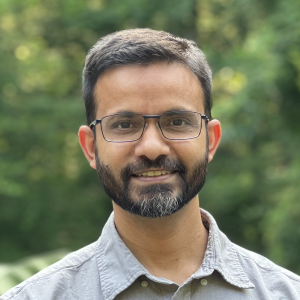
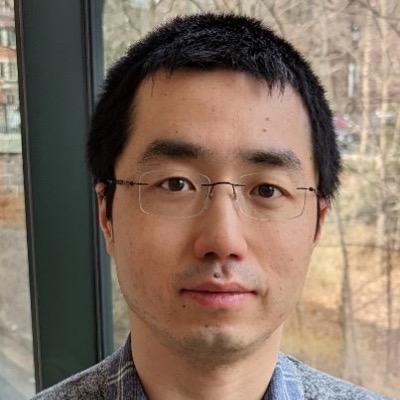
Dr. Curtis Huttenhower is a Professor of Computational Biology and Bioinformatics at Harvard T.H. Chan School of Public Health , with dual appointments in the Department of Biostatistics and Department of Immunology and Infectious Diseases . His research focuses on computational methods for microbial community analysis, human microbiome public health implications, and machine learning applications in genomics. Education: B.S. (2000) from Rose-Hulman Institute of Tech, M.S. (2003) from Carnegie Mellon, Ph.D. (2008) from Princeton Major grants: NIH R21CA299494 (cancer virome), U24HL175772 (HVP consortium), OT2CA297578 (early-onset colorectal cancer prevention) His work spans functional metagenomics , microbiome diagnostics , and structured biological knowledge in machine learning . Recent studies include strain-level microbiome mapping and microbiome links to depression, diabetes, and cardiovascular disease . He contributes to open-source tools like MaAsLin and WAAFLE , and leads the Human Microbiome Project sub-cohort for inflammatory bowel disease microbiome characterization.
Vijay Kumar, PhD, serves as an Assistant Professor in the Department of Surgery at Morehouse School of Medicine, where he directs the Laboratory of Tumor Immunology and Immunotherapy. His research focuses on tumor immunology and immunotherapy with emphasis on innate immune mechanisms and the tumor microenvironment. His academic background includes: PhD in Immunology and Medical Microbiology from Panjab University MSc in Toxicology from Hamdard University BSc in Botany, Zoology, and Chemistry from DAV College Dr. Kumar's research centers on understanding immune dysregulation in cancer, particularly through Toll-like receptors and macrophage biology. His work explores how inflammation and immune homeostasis influence tumor progression, aiming to develop novel immunotherapeutic strategies. Recent editorial contributions demonstrate expertise in translating fundamental immunological concepts into clinical applications, with significant focus on methodological advances in immune protocols. His publication record (2017-2024) reveals consistent scholarly output in immunological mechanisms, showing evolution from foundational topics like sepsis and vaccines toward contemporary cancer immunology. Key trends include historical perspectives on immunological discoveries (e.g., 140 years of macrophage research, 30 years of Toll-like receptor studies) and methodological frameworks for immune homeostasis in tumor contexts. No scientific awards were mentioned in the provided documentation. Information regarding student advising, grant funding, or specific mentorship activities was not provided in the available text, though his faculty position implies involvement in academic supervision within the Department of Surgery. Dr. Kumar leads the Laboratory of Tumor Immunology and Immunotherapy, which investigates immune cell interactions within the tumor microenvironment. The lab's work integrates historical immunological perspectives with modern therapeutic approaches, focusing on restoring immune homeostasis as a strategy for cancer treatment.
Qibin Zhang is a Professor of Chemistry and Co-Director of the Center for Translational Biomedical Research at the University of North Carolina at Greensboro (UNCG), where he leads the Zhang Research Group in the Department of Chemistry & Biochemistry within the College of Arts and Sciences. His laboratory develops cutting-edge mass spectrometry technologies for proteomics, lipidomics, and metabolomics with applications in disease biomarker discovery and clinical diagnostics. Dr. Zhang's primary research interests focus on developing more accurate, sensitive, and higher throughput measurement capabilities for biomolecules. His work centers on three main areas: Proteomics : Temporal plasma proteomics for Type 1 diabetes progression, cell-specific and spatial tissue proteomics, immunopeptidome analysis for novel T1D autoantigens, antimicrobial peptides, and glycated proteome in diabetic complications Lipidomics : Tissue-specific global lipidomics, high-resolution ozone-induced dissociation mass spectrometry, advanced analysis of glycosphingolipids, and lipid glycation in diabetes Metabolomics : Tryptophan catabolism, oxylipins and inflammation, fatty acid and energy metabolism, and chemical isotope labeling-based metabolomics Analysis of Dr. Zhang's recent publications (2022-2024) reveals a strong focus on translational biomedical applications, particularly in diabetes research and exercise physiology. His work demonstrates expertise in both method development (improved mass spectrometry techniques, data processing software) and biological applications (disease mechanisms, nutritional interventions). The research consistently bridges analytical chemistry with clinical applications, showing particular strength in spatial proteomics and lipidomics approaches. Dr. Zhang teaches advanced analytical chemistry courses including CHE 632/732 Advanced Analytical Chemistry, CHE 633/733 Bioanalytical Chemistry, and CHE 431/531 Instrumental Analysis. His laboratory is equipped with state-of-the-art instrumentation including Thermo QExactive HF, TSQ Quantiva, LTQ-Orbitrap with ETD, nano-LC and UPLC systems, and a Leco GC-TOF mass spectrometer. The Zhang Research Group currently includes four postdoctoral research fellows working across various aspects of proteomics, lipidomics, and metabolomics research.
Dr Helena Qin is a Senior Research Fellow at Monash University's Monash Institute of Pharmaceutical Science (Drug Discovery Biology Theme) and holds adjunct roles at the Baker Heart and Diabetes Institute and the University of Melbourne. She leads the National Heart Foundation Future Fellow laboratory, focusing on developing novel therapies for cardiovascular diseases through translational pharmacology and GPCR biology. Educated at the University of Melbourne, she earned a B.Biomed, PhD in Pharmacology, and First Class Honours in Medicinal Chemistry. Her research emphasizes formyl peptide receptors (FPRs) and their role in inflammation resolution, with nearly 40 publications in top journals. Key achievements include identifying FPRs' therapeutic potential against cardiovascular diseases and pioneering biased agonist drug design. Awarded prestigious fellowships (National Heart Foundation, JDRF, Baker Institute), her work addresses UN SDG 3 (Good Health) and 9 (Industry/Innovation). Major grants include NHMRC, National Heart Foundation, and Diabetes Australia funding. She actively mentors students and leads projects on GPCR-targeted therapeutics and pro-resolving medicines for cardiovascular and diabetic vascular conditions.
J. Ross Chapman is a Professor of Genome Maintenance Biology at the University of Oxford, holding positions at the MRC Molecular Haematology Unit (part of the Radcliffe Department of Medicine) and the Wellcome Centre for Human Genetics. He is a Cancer Research UK (CRUK) Career Development Fellow, Lister Institute Research Fellow, and EMBO Young Investigator Programme member. His research focuses on DNA repair mechanisms, particularly the balance between accurate and mutagenic repair pathways in cancer and immune systems. Key affiliations include the Francis Crick Institute and previous roles at the University of Sussex and Gurdon Institute. Education and Career Path: Started as a Research Assistant at the MRC Genome Damage and Stability Centre (2002), earned his PhD in Steve Jackson’s lab (2006), and held postdoctoral roles at Simon Boulton’s lab (2010). Established his independent group at Oxford in 2013, becoming an Associate Professor in 2017 and moving to the MRC Unit in 2020. Research Interests: Investigates genetic recombination mechanisms, DNA double-strand break (DSB) repair pathways, and their roles in immune system development and cancer. Recent work explores how faulty repair mechanisms drive cancer and immune disorders, targeting vulnerabilities for therapies like PARP inhibitors. Publications: Recent studies include discoveries on Shieldin/CST complex roles in DNA repair, BLM-BRCA1 interactions, and chronic inflammation in leukemia. His work bridges basic biology with clinical applications, such as drug resistance mechanisms in BRCA-deficient cancers. Awards: CRUK CDF, Lister Fellowship, EMBO Young Investigator Programme membership, and recognition for contributions to DNA repair research. Lab Team: Includes postdoctoral researchers (e.g., Ashleigh King, My Khanh Pham), DPhil students, and technical staff. Collaborates on projects like PARP inhibitor efficacy and immune system DNA repair dynamics.
Associate Professor Ellis Patrick is an applied statistician and bioinformatician affiliated with the University of Sydney's School of Mathematics and Statistics, the Westmead Institute for Medical Research, and the Sydney Precision Data Science Centre. His research focuses on developing bioinformatics tools to analyze high-dimensional biomedical data, with applications in disease treatment, precision medicine, and understanding molecular drivers of conditions like Alzheimer’s, MS, and cancer. He holds a PhD from the University of Sydney and postdoctoral experience at Harvard Medical School and The Broad Institute. Education: PhD in statistical bioinformatics from the University of Sydney. Postdoctoral training included joint appointments at Brigham and Women’s Hospital, Harvard Medical School, and The Broad Institute of MIT and Harvard. Research Interests: Specializes in statistical bioinformatics, spatial omics, and high-dimensional data analysis, with emphasis on translational research in infectious diseases, organ transplantation, cardiovascular disorders, neurodegeneration, and oncology. His work combines computational methods with clinical data to uncover disease mechanisms and improve therapeutic strategies. Grants & Collaborations: Recent grants include PrecisionGO (MRFF-funded), White matter lesion transcriptomics (National MS Society), and studies on coronary artery disease and graft failure prediction. Collaborates widely with medical researchers, leveraging interdisciplinary teams to tackle complex health challenges. Labs & Teams: Leads the Bioinformatics Cluster at the Sydney Precision Data Science Centre, integrating computational and experimental approaches to advance precision health initiatives.
David Munn is a Professor at the Medical College of Georgia at Augusta University, with joint appointments in the Department of Pediatrics: Hematology/Oncology, Georgia Cancer Center, Pathology, Medicine, Biochemistry and Molecular Biology, and Cellular Biology and Anatomy. He serves as Co-Director of the Pediatric Immunotherapy Program, leading translational research in tumor immunology and immune suppression. His research focuses on the molecular mechanisms tumors use to evade immune detection, particularly through the IDO and BTK pathways. Key areas include: Regulation of regulatory T cells (Tregs) and tolerogenic dendritic cells in the tumor microenvironment Development of small-molecule inhibitors targeting immune checkpoints Design and immune monitoring of clinical trials combining IDO inhibitors with chemotherapy and radiation First-in-children trials for pediatric brain tumors His recent publications highlight work on BTK-IDO-mTOR axis inhibition, IDO inhibitor trials in melanoma, and mechanisms of immunosuppression in glioblastoma and aging. His research is supported by the National Institutes of Health and charitable foundations. Scientific contributions and service include: Published in high-impact journals including Science Immunology , Nature Immunology , and Immunity Chair, GCC Internal Promotion and Tenure Advisory Committee (2020) Chair, GCC PRMC (Protocol Review and Monitoring Committee) (2020) Member, GCC Director Search Committee (2019) Reviewer for professional journals (since 2015) Dr. Munn mentors a research team including postdoctoral fellows and research associates, and leads the Munn Lab at the M. Bert Storey Research Building. His work bridges fundamental immunology and clinical application, advancing novel immunotherapies for both adult and pediatric cancers.
Seham Ebrahim is an Assistant Professor in the Department of Molecular Physiology and Biological Physics at the University of Virginia School of Medicine. Her research focuses on the cytoskeletal architecture and dynamics that underpin cellular physiology and disease, particularly through high-resolution live cell and tissue imaging . Education: BS in Biotechnology, University College London MS in Biotechnology, Hamburg University of Technology PhD in Biological Sciences, Queen Mary University of London Research Interests: Dr. Ebrahim investigates cellular mechanobiology in two systems: the intestinal epithelium (dynamic barrier function under mechanical stress) and spermatogenesis (mechanosensitive membrane remodeling). Her work bridges cell biology, biophysics, and mucosal immunology . Grant Support: A $2 million NIH R35 MIRA grant funds her mechanosensing research in the gut, with implications for Inflammatory Bowel Disease (IBD), colorectal cancer, and male infertility . Her lab employs super-resolution live imaging, cryo-ET, and mouse genetics . Scientific Contributions: Notable discoveries include the hemifusome (a novel organelle in cellular trafficking) and the role of septin 9 in intestinal diseases. Her team includes graduate students Sharon Zheng and Dominik Robak, and former trainees Khosiyat Makhmudova and Yuta Ohno.
Swapnil Sonkusare is a Professor in the Department of Molecular Physiology and Biological Physics at the University of Virginia School of Medicine and the Director of Graduate Studies in Physiology. His research focuses on calcium signaling mechanisms in vascular function and dysfunction, particularly in hypertension, obesity, pulmonary hypertension, and atherosclerosis. He leads the Sonkusare Laboratory at the Robert M. Berne Cardiovascular Research Center. Key Research Areas: Biophysics, Cardiovascular Biology, Physiology, Calcium Signaling, TRP Channels. Techniques: Transgenic mouse models, high-speed confocal imaging, patch-clamp electrophysiology, dSTORM super-resolution imaging. Sonkusare’s lab investigates how TRP ion channels interact with other signaling proteins to regulate blood pressure and vascular tone. His work has identified novel calcium signaling nanodomains in smooth muscle cells and elucidated the role of endothelial TRPV4 channels in pulmonary hypertension and obesity-induced hypertension. His lab’s recent publications highlight discoveries in mechanosensitive signaling , purinergic-TRPV4 pathways , and oxidative stress in vascular dysfunction . Collaborative studies with Dr. Venetia Laubach on lung ischemia-reperfusion injury have been featured in Science Signaling and Circulation . Scientific Awards: Mid-Career Award in Cardiovascular Pharmacology (ASPET, 2022). Dean’s Excellence in Faculty Research Award (UVA, 2022). Grants: Multiple NIH R01 grants (HL167208, HL142808, HL146914, EY034238, HL157407) fund his work on TRPV4 signaling, calcium nanodomains, and vascular inflammation. Labs & Teams: Based at the Robert M. Berne Cardiovascular Research Center, his lab collaborates with institutions like Johns Hopkins, McGill University, and the University of Maryland. Current members include Research Scientists Yen-Lin Chen and Maniselvan Kuppusamy, with former students Matteo Ottolini (now at Bayer Oncology) and Corina Marziano (Analytical Scientist at Medpace).
Prof. Dr. Karsten Niehaus serves as Head of the Proteome and Metabolome Research Group at the Center for Biotechnology (CeBiTec) and Faculty of Biology, University of Bielefeld. His research focuses on proteomics and metabolomics applications in plant-microbe interactions, bacterial stress responses, and disease model systems. His laboratory employs advanced mass spectrometry imaging and cell phenotyping technologies to investigate molecular responses in crops like sugar beet and grapevines under abiotic stress conditions, as well as in cancer models where differentiation therapy impacts tumor malignancy. The group also explores microbial biotechnology through Xanthomonas campestris studies on xanthan production and stress adaptation. Selected publications highlight innovations in 3D microfluidics for biomarker detection and bioinformatics platforms like MetHoS for metabolomics data analysis. His work appears in journals covering Frontiers in Plant Science , Scientific Reports , and Journal of Experimental Botany . Contact: kniehaus@cebitec.uni-bielefeld.de | Office: UHG W7-117
Danique van Rijswijck is a Researcher at Utrecht University's Department of Pharmaceutical Sciences within the Faculty of Science. She operates in the Biomolecular Mass Spectrometry and Proteomics research group, focusing on advanced proteomic techniques to investigate antibody repertoires and disease mechanisms. Her work bridges clinical immunology and analytical biochemistry through mass spectrometry applications. Her research centers on immunoglobulomics and antibody repertoire analysis, with emphasis on personalized immune responses in autoimmune and infectious diseases. She employs LC-MS-based Fab profiling to dissect polyclonal antibody responses at molecular resolution, particularly examining IgG1 and IgA1 clonal dynamics. Key disease contexts include rheumatoid arthritis, systemic sclerosis, and SARS-CoV-2 infection/vaccination responses, where she reveals how individual variations in antibody repertoires influence disease progression and treatment outcomes. Analysis of her 15 most recent publications shows consistent innovation in mass spectrometry methodologies for antibody profiling, with a strong trend toward understanding hyperpermeability in rheumatoid synovial compartments, DNA-binding mechanisms in systemic sclerosis autoantibodies, and personalized antibody responses to viral variants. Her work consistently demonstrates that human antibody repertoires are highly individualized, dynamic, and clinically significant across multiple disease states. Danique van Rijswijck is embedded in Utrecht University's Biomolecular Mass Spectrometry and Proteomics team, which develops cutting-edge proteomic technologies for biomolecular analysis. The group specializes in translating mass spectrometry innovations into clinical applications for autoimmune disorders and infectious diseases, with van Rijswijck contributing specifically to antibody repertoire characterization workflows.
Yanxiang Deng is an Assistant Professor in the Department of Pathology and Laboratory Medicine at the Perelman School of Medicine, University of Pennsylvania. His research pioneers spatial omics technologies to decode tissue architecture in development and disease, with seminal contributions including spatial-CUT&Tag and spatial-ATAC-seq for epigenetic mapping. His educational background includes a PhD from Rensselaer Polytechnic Institute (2018) followed by postdoctoral training at Yale University (2018-2022). Key appointments span Cell and Molecular Biology and Genomics and Computational Biology graduate groups. Deng's lab focuses on developing microfluidic platforms for spatial multi-omics, enabling pixel-level profiling of histone modifications, chromatin accessibility, and proteome-transcriptome interactions. His work bridges engineering and biomedicine to address cancer mechanisms and neurodegenerative disorders, with technologies allowing unprecedented resolution of cell-type-specific epigenetic landscapes in intact tissues. Analysis of his 15 most recent publications (2023-2025) reveals accelerating innovation in multimodal spatial mapping, particularly FFPE tissue compatibility, DNA methylation-transcriptome co-profiling, and neuroscience applications. His methods increasingly integrate chromatin features with proteomic data, expanding from foundational 2022 Science and Nature papers to clinical translation in depression and cancer. Major recognitions include: Blavatnik Awards for Young Scientists, Regional Laureate in Life Sciences (2023) Founders Award of Excellence, Rensselaer Polytechnic Institute (2015) National Scholarship (2008) He actively mentors 8 trainees including 6 graduate students and 2 postdocs, with research supported by NIH grants and institutional funding. His lab's deterministic barcoding approach (DBiT-seq), highlighted as Nature Methods' "Method of the Year," underpins multiple high-impact collaborations in immunology and neuroscience. The Deng Lab operates from Stellar Chance Laboratories, employing interdisciplinary teams to develop next-generation tools for spatial multi-omics. Current projects include Spatial-DMT for DNA methylation mapping and spatial-Mux-seq for quadruple-modality profiling, leveraging microfluidics expertise to unlock archival tissue repositories for disease research.
Anne Maass is a Researcher at the German Center for Neurodegenerative Diseases (DZNE), Magdeburg , leading multidisciplinary studies at the intersection of Alzheimer's disease , neuroimaging , and cognitive resilience . Her work focuses on molecular mechanisms of aging using in vivo multimodal imaging techniques. Key affiliations: DZNE Magdeburg, Otto von Guericke University, SFB1436 "Neural Resources of Cognition" Collaboration network: Prof. Emrah Düzel (Magdeburg), Prof. Michael Heneka (Bonn), Prof. Stefanie Schreiber (Magdeburg), Prof. Sylvia Villeneuve (Montreal) Her research integrates functional and structural MRI (3T/7T) , PET imaging with novel tracers like PI-2620 , and cerebrospinal fluid proteomics to map tau pathology , Aβ accumulation , and vascular contributions to cognitive decline. She pioneered Vessel Distance Mapping for quantitative hippocampal vascularization analysis. Recent publication trends emphasize inflammatory signatures (TAM receptors, sTREM2), non-linear fMRI activation patterns in preclinical Alzheimer's, and vascular compensation mechanisms for neurodegenerative pathology. Her work on SuperAgers investigates neural resources for exceptional cognitive aging through multimodal cohort studies. Current projects include: SFB1436 Z03 : Molecular imaging of aging and SuperAgers DELCODE study : Longitudinal tracking of Alzheimer's biomarkers Collaborative network : Cross-site studies with Bonn, Göttingen, and Barcelona Her translational research aims to develop intervention strategies for neuroinflammatory regulation and cognitive reserve enhancement to prevent age-related cognitive decline.
Svetlana N. Radyuk serves as a Research Associate Professor in the Department of Biological Sciences within Dedman College of Humanities and Sciences at Southern Methodist University. Her laboratory (DLSB 317) focuses on the molecular mechanisms linking redox regulation, innate immunity, and aging processes using Drosophila melanogaster as a primary model system. Her research centers on redox regulation of innate immunity during aging , specifically investigating how peroxiredoxins modulate immune responses and longevity. Key areas include: Role of reactive oxygen/nitrogen species (ROS/RNS) as dual-function molecules causing tissue damage while serving as immune signaling messengers Conserved functions of peroxiredoxins across biological kingdoms in regulating redox homeostasis Age-related immune decline including reduced pathogen resistance, impaired T/B cell function, and chronic inflammation Interactions between circadian clocks, redox balance, and aging processes Analysis of her 15 most recent publications reveals a consistent focus on peroxiredoxin-mediated redox signaling in Drosophila models, with recent expansion into hydrogen gas therapeutics for oxidative stress-related conditions. Her work demonstrates how precise ROS/RNS regulation balances immune protection against tissue damage, with significant implications for age-related diseases. Dr. Radyuk currently holds two major NIH/NIA-funded research grants: R01 AG032342 (Principal Investigator): Peroxiredoxins, immune signaling and aging (2011-2016) R01 AG045830 (Co-PI): Circadian clocks and aging (2013-2018) Her teaching portfolio includes advanced courses in Immunobiology (BIOL 4319), Molecular Genetics Laboratory (BIOL 3222), and graduate-level research/thesis supervision (BIOL 6270, 8398). Her laboratory employs comprehensive molecular biology and genetics techniques to investigate redox-immunity interactions, with particular emphasis on developing interventions that maintain optimal immune function during aging.
Dr. Ahmet Coskun is an Assistant Professor of Biomedical Engineering at Georgia Institute of Technology and Emory University, where he holds the Bernie-Marcus Early-Career Professorship. He directs the Single Cell Biotechnology and Spatial Omics Laboratory, an interdisciplinary program focused on multiparameter imaging of single cells within their spatial context. His work bridges the fields of bioengineering, computational biology, and systems biology to address fundamental challenges in cancers, immunology, and pediatric diseases. Dr. Coskun received his PhD from the University of California, Los Angeles (UCLA) working with Aydogan Ozcan. He completed postdoctoral training at the California Institute of Technology with Long Cai and served as an Instructor at Stanford University with Garry Nolan. His educational background has provided him with a strong foundation in both engineering principles and biological systems. Dr. Coskun's research lies at the nexus of multiplex bioimaging, microfluidic biodynamics, and big data biocomputation. His laboratory pursues three main research thrusts: spatial genomics (using seqFISH and correlation FISH methods), spatial proteomics (using CODEX technology combined with super-resolution imaging), and spatial metabolomics (using computational and isotope barcoding approaches with MIBI). His team develops machine learning algorithms to analyze the resulting high-dimensional imaging datasets, creating image-based 'omic technologies to reveal the spatial nature of biological systems. Their work has significant implications for understanding therapeutic response variability and cellular organization in health and disease. NSF CAREER Award 2024 NIH R35 MIRA Award 2023 BMES-CMBE Rising Star Award 2023 American Lung Association Innovation Award 2022 Student Recognition of Excellence in Teaching: Class of 1934 CIOS Award NIH K25 Award Burroughs Wellcome Fund CASI Award Dr. Coskun leads an interdisciplinary research team comprising PhD students from Bioengineering, Electrical and Computer Engineering, Mechanical Engineering, and Biomedical Engineering programs. His lab has been supported by numerous federal and private grants, including funding from multiple NIH institutes (NIA, NIAID, NCI, NIDCR, OD, and ORIP), Wellcome LEAP, Burroughs Wellcome Fund, NSF CMaT, American Cancer Society IRG, Multi-cellular engineered living systems (M-CELS), and Regenerative Medicine Center. In addition to his research, Dr. Coskun leads outreach programs through BioCrowd Studio, which engages K12 and undergraduate students through interactive virtual media and distributed biokits. The Single Cell Biotechnology and Spatial Omics Laboratory is strategically positioned at the forefront of spatial biology research. The lab benefits from advanced technologies including super-resolution microscopy, imaging mass spectrometry, combinatorial molecular barcoding, and machine learning to enhance the information capacity of cellular data. The team's innovative approaches to spatial multi-omics profiling have positioned them as leaders in understanding cellular heterogeneity and organization within tissues.