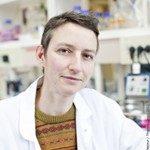
Sophie Layé is a leading neurobiologist and Research Director at INRAE, affiliated with the University of Bordeaux and Bordeaux INP, where she directs the NutriNeuro institute. Her work bridges neuroscience and nutrition, focusing on how dietary components—particularly omega-3 fatty acids—influence brain health across the lifespan. Her research interests center on the role of nutrition in cognitive aging, depression, and neurodegenerative diseases. She explores how omega-3s modulate neuroinflammation and microglial function, and how dietary imbalances during gestation or postnatal periods may predispose individuals to neurodevelopmental and neurodegenerative disorders. Her work combines experimental models with clinical translational approaches to develop dietary interventions for brain health. The recent publications highlight a strong focus on omega-3 fatty acids, neuroinflammation, and brain development. Key themes include microglial phagocytosis, synaptic pruning, lipid metabolism in depression, and the developmental origins of brain disorders. The research spans molecular neuroscience, immunometabolism, and nutritional psychiatry, indicating a highly interdisciplinary and translational profile. Scientific Awards: INRAE Scientific Challenge Laureate (2015) Sophie Layé leads major research initiatives including the international Food4BrainHealth network and its associated OptiNutriBrain laboratory, fostering collaboration between French and Canadian researchers. She has secured significant research funding through INRAE and international partnerships, enabling large-scale studies on diet and brain function. She actively mentors researchers and contributes to public science communication through documentaries and media interviews. She is involved with the NutriNeuro laboratory, a joint research unit integrating expertise from INRAE, the University of Bordeaux, and Bordeaux INP. This team conducts cutting-edge research on the gut-brain axis, lipid neuroscience, and nutritional interventions for cognitive and mood disorders.