- Ecology
- Marine Ecology
- Seagrass Restoration
- +۷ مورد دیگر
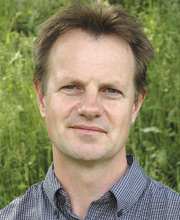
Mogens Flindt is a Professor in the Department of Biology at the University of Southern Denmark, specializing in Ecology. His research focuses on coastal ecosystems, particularly seagrass (especially Zostera marina ), eelgrass restoration, blue carbon, and the impacts of climate change on wetlands. He is actively involved in teaching GIS and drone applications in environmental management and supervises multiple student projects. His research interests lie at the intersection of marine ecology, restoration science, and climate adaptation. He investigates how seagrass meadows can mitigate climate change through carbon burial, how they support biodiversity, and how they respond to stressors like sea level rise and nutrient runoff. His work combines field studies, GIS modeling, and collaborative restoration projects. The recent articles highlight a strong trend in ecological restoration, particularly of seagrass and coastal habitats in Denmark. The research spans climate mitigation (blue carbon), habitat quality, eelgrass transplantation thresholds, and large-scale restoration projects. Keywords include marine ecology, GIS, climate change, and ecosystem services, with sub-fields such as sediment dynamics, biodiversity, and policy implementation. While no specific scientific awards are listed in the provided text, his extensive engagement in high-impact research, media outreach, and EU-funded projects reflects significant recognition in his field. Mogens Flindt actively advises students and leads multiple research projects, including EU LIFE initiatives such as LIFE SeagrassRIAwild and COASTal LIFE. These projects focus on restoring coastal habitats in Limfjorden and Vejle Fjord. He collaborates with government agencies, NGOs, and international partners. His lab emphasizes field-based ecological research and practical restoration techniques. He is a key member of the Center for Marine Nature Restoration, where he contributes to both scientific research and practical guidelines for seagrass planting. His team integrates ecological monitoring, GIS analysis, and community engagement to advance coastal conservation in Denmark and beyond.