معرفی
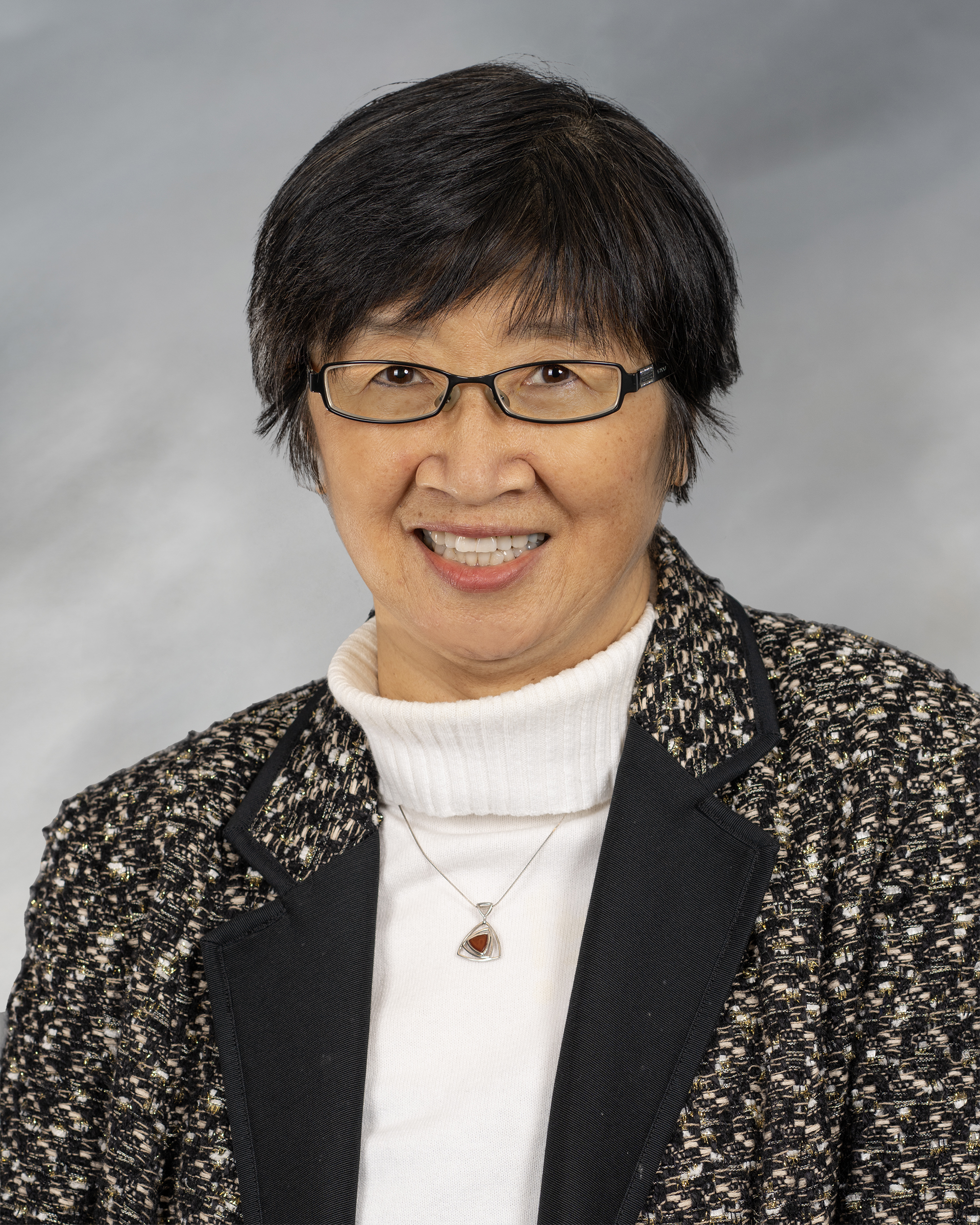
Dr. Li Li is a Professor of Molecular Medicine and Genetics and of Internal Medicine at Wayne State University School of Medicine in Detroit, Michigan. She is also affiliated with the Cardiovascular Research Institute, where her laboratory is located in the Elliman Building, Room 2146, at 421 E. Canfield Avenue, Detroit, MI 48201.
Dr. Li received her B.S. from the University of Science and Technology of China (USTC) in 1985. She earned her Ph.D. from the University of Texas Health Science Center at Houston (GSBS) in 1991. She completed postdoctoral training at the University of Texas M.D. Anderson Cancer Center in 1995 and at Southwestern Medical Center at Dallas in 1996.
Dr. Li's research program is centered on understanding the molecular mechanisms of smooth muscle dysfunction in the pathogenesis of vascular diseases, especially aortic aneurysms and atherosclerosis. Her laboratory has generated a new mouse aneurysm rupture model containing an FBN1 mutation found in Marfan patients. Her current research focuses on discovering key signal pathways and biomarkers that regulate transcriptional networks in response to FBN1 mutation and metabolic stress. She is particularly interested in the molecular mechanisms of defective ECM-cytoskeleton interaction in inflammation, oxidative stress, and osteochondrogenesis during vascular disease pathogenesis. Her work encompasses several critical areas:
- Interplay of cytoskeleton proteins, epigenetic factors, and key signal transducing pathways in smooth muscle gene transcription
- ECM-cytoskeleton remodeling in smooth muscle dedifferentiation
- High fat diet-induced metabolic stress in vascular diseases
- FBN1 mutation-induced metabolic dysfunction in Marfan syndrome
- The role of Hemogen in hematopoiesis and immune responses
Analysis of Dr. Li's 15 most recent publications reveals a consistent and evolving research trajectory in vascular biology, with increasing sophistication in molecular techniques and disease modeling. Her work spans from fundamental molecular mechanisms (such as transcriptional regulation through myocardin, YY1, and other factors) to sophisticated disease models (including aortic aneurysms, Marfan syndrome, and atherosclerosis). Her publications demonstrate expertise in molecular biology techniques, transgenic mouse models, and translational research approaches to understand vascular pathologies, with particular emphasis on smooth muscle cell phenotypic modulation and vascular remodeling processes.
Dr. Li actively mentors students and is accepting new M.S. and Ph.D. students for the 2024/2025 academic year. Her extensive publication record with numerous co-authors suggests a well-funded and productive research program with multiple ongoing projects. The consistent NIH grant support referenced in her publications indicates strong peer-reviewed funding for her research on vascular disease mechanisms.
Dr. Li leads a dynamic research laboratory that utilizes a comprehensive approach to vascular biology research, incorporating molecular biology, cell culture techniques, and sophisticated transgenic mouse models. Her laboratory maintains a strong collaborative network, as evidenced by the diverse institutional affiliations of her numerous co-authors, reflecting her integration within the broader cardiovascular research community.