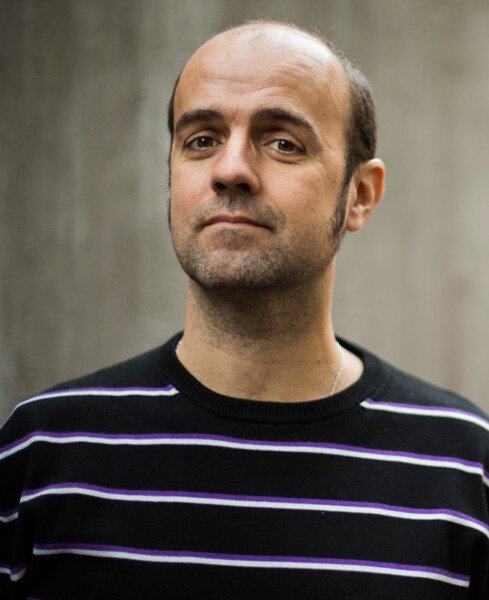
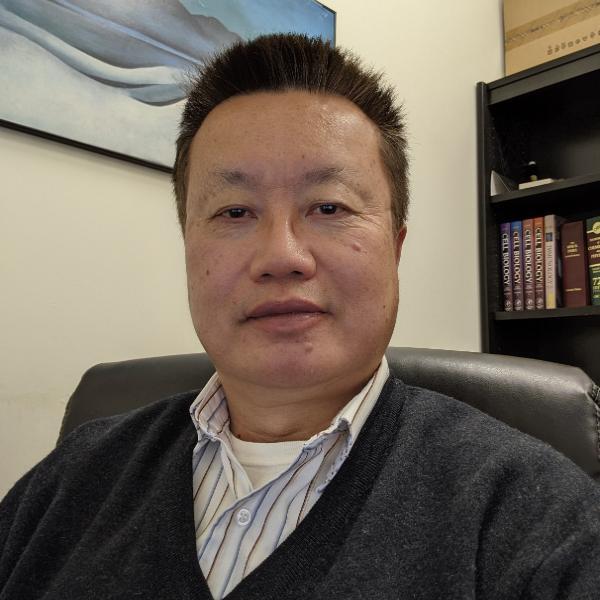
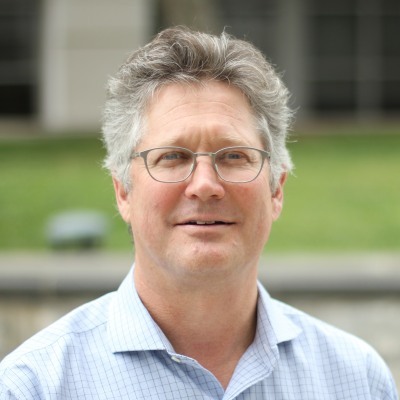
Sten Stemme is a Tutor at the Department of Oncology-Pathology, Karolinska Institutet (2024–2026). His research spans cancer biology, immunology, and cardiovascular diseases. Education: Docent (1995) Sten Stemme's research focuses on cancer and oncology , particularly tumor pathology (uterine sarcomas, endometrial stromal tumors, colorectal polyps) and immune interactions in atherosclerosis. His work explores cytokine signaling, scavenger receptors (e.g., CXCL16/SR-PSOX), and T-cell responses to oxidized lipids. His publications (1995–2015) include studies on atherosclerosis (T-cell infiltration, scavenger receptors, interferon-γ effects), cancer prognosis (mitotic index, hormone receptors), and diagnostic methodologies (RT-PCR, flow cytometry).
Dr. Marie Burdine serves as an Assistant Professor in the Department of Biochemistry and Molecular Biology at the University of Arkansas for Medical Sciences (UAMS) College of Medicine, conducting research at the Arkansas Children's Research Institute where her laboratory occupies rooms R2114-1 (lab) and R2126-2129 (office). Her academic credentials include: Ph.D. from University of Texas Southwestern Medical Center, Dallas, TX B.S. from Arkansas Tech University, Russellville, AR Dr. Burdine's research program addresses two critical biomedical challenges: (1) epigenetic drivers of pancreatic cancer chemoresistance through ATAD2 protein analysis, targeting the disease's Analysis of her 15 most recent publications (2021-2025) reveals a dominant focus on DNA-PKcs as a master immune regulator, with 12 of 15 articles exploring its role in T cell signaling, transplant rejection, and therapeutic inhibition. Key trends include development of next-generation inhibitors (e.g., DA-143), mechanistic studies on LAT-dependent signaling pathways, and translational applications for graft-versus-host disease prevention and organ transplant survival. These works consistently bridge molecular mechanisms with clinical applications in oncology and transplantation. Her laboratory at the Arkansas Children's Research Institute utilizes advanced murine models to investigate epigenetic regulation in pancreatic cancer and DNA-PKcs functions in immune responses, with particular emphasis on translating basic discoveries into therapeutic strategies for chemoresistant cancers and transplant rejection.
Óscar Fernández-Capetillo serves as Professor at the Department of Medical Biochemistry and Biophysics, Karolinska Institutet, and leads a research group at the Spanish National Cancer Research Centre (CNIO) in Madrid. His dual appointments reflect his significant contributions to both Swedish and Spanish biomedical research communities. The Fernández-Capetillo laboratory focuses on cell-based phenotypic screens for drug development, utilizing automated microscopy to mimic disease conditions for therapeutic discovery. Dr. Fernández-Capetillo's research centers on DNA damage mechanisms, particularly replication stress, and their roles in cancer and aging. He discovered that inhibiting the ATR enzyme effectively targets cancer cells experiencing high replication stress, leading to a drug now in clinical trials with Merck. His work extends to neurodegenerative diseases like ALS, inspired by molecular connections between DNA processes and conditions such as Huntington's disease. Current research interests include developing treatments for neurodegenerative disorders, enhancing immune responses, modulating RNA translation, and exploring hormone-inflammation relationships. His recent publications demonstrate a consistent pattern of bridging fundamental molecular mechanisms with clinical applications. The work spans cancer therapeutics, neurodegenerative disease treatment, and innovative approaches like haploid mouse development for genetic studies. His laboratory's focus on phenotypic screening has yielded promising drug candidates, including the repurposing of the anti-leprosy drug clofazimine for Huntington's disease treatment. Notable recognition includes: Selection for Cell's "40 under 40" list in 2014, highlighting him as one of the world's most prominent researchers under 40 years of age Dr. Fernández-Capetillo has mentored numerous students across various levels, from bachelor's to PhD candidates. His laboratory has secured substantial funding, including a 2023 Swedish Research Council grant totaling over 26 million SEK. He actively participates in scientific collaboration through PHENOTARGET, a research community program he co-coordinates with Prof. Karin Forsberg that brings together more than 30 Swedish research groups focused on Phenotype Drug Discovery. The Fernández-Capetillo laboratory maintains strong collaborative ties with national and international research groups to advance discoveries from basic science to clinical applications. The group's innovative approach to phenotypic screening has positioned them at the forefront of translational research, particularly in identifying novel therapeutic strategies for challenging diseases like cancer and ALS.
Dr. Sukesh R. Bhaumik is a Professor and Distinguished Scholar at Southern Illinois University Carbondale's Department of Biochemistry & Molecular Biology, where he has been appointed since 2003. His academic background includes a B.Sc. from Ramakrishna Mission Residential College (University of Calcutta, 1990), an M.Sc. from the Indian Institute of Technology Bombay (1992), a Ph.D. from the Tata Institute of Fundamental Research (1997), and postdoctoral training at the Howard Hughes Medical Institute, University of Massachusetts Medical School (1998-2003). His research program investigates regulatory mechanisms in eukaryotic systems, with primary focus areas including: Eukaryotic transcription dynamics and proteasome-mediated gene regulation Transcription-coupled DNA repair (TCR) pathways and genome integrity mRNA export mechanisms and nuclear transport regulation Chromatin assembly/disassembly via histone modifications (e.g., H3 Lys56 acetylation) Ubiquitin-proteasome system functions in transcriptional control His publications consistently explore molecular interactions within transcriptional machinery, chromatin remodeling, and DNA damage response. Recent work emphasizes mRNA processing, antisense transcription mechanisms, and regulatory complexes like SAGA, NuA4, and cap-binding complexes. The 19S proteasome's role in transcription initiation remains a recurring theme across his research timeline. Dr. Bhaumik leads an active research laboratory focused on in vivo mechanistic studies of transcription and repair coupling. Current projects examine RNA polymerase II dynamics, FACT complex regulation, and ubiquitin-dependent pathways in gene expression control.
Dazhong Xu, Ph.D. , is an Associate Professor at the School of Medicine, New York Medical College (NYMC) , where he joined in 2014 as Assistant Professor of Pathology and Head of the Flow Cytometry Core Laboratory. He served as Vice Chair of Research in the Department of Pathology from 2017 to 2021 and was promoted to Associate Professor of Pathology, Microbiology, and Immunology in 2020. Prior to NYMC, he worked at New York University School of Medicine as a Research Assistant Professor and at Tufts University School of Medicine as an Instructor of Medicine. Education: Ph.D. in Biomedical Sciences, Wright State University M.S. in Zoology, University of Florida B.S. in Biology, Nanjing University Postdoctoral Training: Massachusetts General Hospital/Harvard Medical School, Tufts Medical Center Dr. Xu's research focuses on the molecular and cellular biology of cancer , particularly lung carcinogenesis caused by environmental and occupational carcinogens. His lab aims to identify novel molecular mechanisms driving cancer initiation and progression using advanced tools like mouse models and genetic engineering , with applications in DNA damage response and chromatin modifications . His recent publications highlight studies on hexavalent chromium toxicity (2024), DNA polymerase regulation (2025), and adapter protein dynamics (2021-2023). These works span environmental toxicology , genomic instability , and immunomodulation . Honors & Awards: 2005 Jay N. Cohn New Investigator Award in Basic Science 2005 & 2004 Travel Awards, The Heart Failure Society of America 2002 National Research Service Award Individual Postdoctoral Fellowship Dr. Xu teaches Selected Topics in Cancer Biology and Introduction to Pathology at NYMC. His collaborations include researchers from Tufts, Harvard, and the Heart Failure Society of America, with grants emphasizing environmental carcinogenesis and cellular stress responses .
Katalin Kariko is a Hungarian-American biochemist and Adjunct Professor of Neurosurgery at the University of Pennsylvania's Perelman School of Medicine, holding a part-time academic position while serving as Senior Vice President at BioNTech. Her career spans over three decades of pioneering mRNA research. Her research focuses on mRNA therapeutics, vaccine development, and RNA biology with emphasis on nucleoside modifications to overcome immunogenicity barriers. Kariko's foundational work enabled the creation of mRNA vaccine platforms that achieved global impact during the COVID-19 pandemic through rapid development and deployment. Major scientific recognitions include: Nobel Prize in Physiology or Medicine (2023) Breakthrough Prize in Life Sciences (2021) Lasker-DeBakey Clinical Medical Research Award (2021) Cameron Prize for Therapeutics of the University of Edinburgh (2021) Kariko's career exemplifies perseverance in basic science, having advanced mRNA technology through decades of skepticism and funding challenges before its transformative medical applications. Her work continues to drive next-generation vaccine and therapeutic development at BioNTech while maintaining academic collaboration through her UPenn affiliation.
Federica Sebastiani is a Tenure Track Assistant Professor in the Department of Pharmacy at the University of Copenhagen, specializing in Vaccine Design and Delivery. Her research focuses on developing advanced delivery systems for vaccines and therapeutics, with particular expertise in lipid nanoparticles and novel formulation approaches. Dr. Sebastiani's research interests span several key areas in pharmaceutical sciences and nanotechnology. Her primary focus is on vaccine design and delivery systems , particularly for RNA-based vaccines. She investigates the structural properties of lipid nanoparticles for nucleic acid delivery, optimizing their formulation for improved stability and efficacy. Additional research areas include antimicrobial peptide technology , nanoparticle surface engineering , and pulmonary delivery systems for respiratory tract targeting. Her recent publication record demonstrates a strong trajectory in vaccine delivery research. Over the past two years, she has published numerous high-impact papers in top journals, with a particular emphasis on RNA vaccine technologies and lipid nanoparticle formulations. Her work bridges fundamental physical chemistry with practical pharmaceutical applications, showing particular strength in structural characterization of delivery systems and their optimization for specific biological targets. Dr. Sebastiani actively collaborates with researchers across multiple institutions and disciplines, as evidenced by her co-authorship on papers spanning pharmaceutical sciences, nanotechnology, microbiology, and environmental science. Her research has garnered significant attention, with multiple papers being highlighted in news outlets and receiving substantial citations.
Dr. Barsanjit Mazumder is a Professor at Cleveland State University, affiliated with the Center for Gene Regulation in Health and Disease (GRHD) and the Department of Biological, Geological and Environmental Sciences within the College of Arts and Sciences. His research focuses on molecular mechanisms of gene regulation with particular emphasis on inflammation control and translational regulation in immune cells. Dr. Mazumder's research interests center on endogenous cellular mechanisms to control inflammation, specifically studying how ribosomal proteins regulate translation during inflammatory responses. His laboratory discovered a unique translation regulation mechanism involving ribosomal protein L13a, which forms an RNA-binding complex that targets inflammatory chemokines. His work also explores ribosome biogenesis and viral gene expression mechanisms, with significant findings published in top journals including Cell, Molecular & Cellular Biology, and Journal of Immunology. His publication record shows a consistent research trajectory over the past 15 years, with focus areas including the GAIT (Gamma-Activated Inhibitor of Translation) complex, ribosomal protein functions beyond protein synthesis, and post-transcriptional regulation of inflammatory responses. His work has important implications for understanding and treating inflammatory diseases such as atherosclerosis, ulcerative colitis, and endotoxemia. Dr. Mazumder leads an active research laboratory with current students including PhD candidate Antara Roy and undergraduate researcher Danny Venorsky. His laboratory utilizes cellular and tissue-specific gene knockout mouse models to investigate translational control mechanisms in innate immune cells.
Ezgi Hacisuleyman serves as an Assistant Professor in the Department of Molecular Medicine at the University of Florida, where she leads the Hacisuleyman Lab focused on RNA-centric mechanisms in neuronal communication and cellular adaptation. Her research bridges molecular biology, neuroscience, and virology with significant contributions to understanding RNA localization, translation dynamics, and viral pathogenesis. Education Ph.D. in Molecular Biology and Biochemistry, Harvard University (2010-2015) Bachelor of Engineering in Chemical Engineering, MIT (2006-2010) Bachelor of Science in Molecular Biology and Genetics, MIT (2006-2010) Dr. Hacisuleyman's research centers on RNA biology in neuronal contexts , particularly how localized translation regulates synaptic plasticity. Her lab pioneered proximity-based ribosome profiling to map dendritic translation mechanisms, revealing how eIF4G2-uORF interactions rapidly reprogram protein synthesis in response to neuronal activity. Additional work explores lncRNA-mediated genome organization and viral-host interactions, notably SARS-CoV-2 transmission dynamics and vaccine efficacy. Her interdisciplinary approach integrates molecular techniques with computational analysis to uncover fundamental principles of RNA regulation in health and disease. Her publication portfolio shows consistent focus on RNA-centric mechanisms across cancer biology, neurodevelopment, and virology. Early work established foundational knowledge of lncRNA functions in genome architecture (Firre locus) and adipogenesis, while recent studies reveal novel cancer dependencies (EXOSC2) and neuronal translation control. The SARS-CoV-2 research during 2021 represents a strategic pivot to address urgent pandemic challenges, demonstrating methodological versatility. Scientific Awards Kavli Neuroscience Postdoctoral Fellowship (2021-2023) Helen Hay Whitney Fellowship (2016-2019) Dr. Hacisuleyman mentors graduate students including Madison Jones (neurological disorders focus) and Ulas Kaplan (5'UTR peptide research), while previously supervising SURF undergraduates. Her active NIH/NIGMS-funded grant "Decoding RNA Localization and Local Translation" supports investigations into cellular adaptation mechanisms. The lab maintains collaborations with Rockefeller University and UCSF, building on her postdoctoral work with Darnell and Weissman. The Hacisuleyman Lab comprises graduate students, research technicians (including Alexander Valera studying synaptic transmission and Alperen Baran exploring immune-neural connections), and administrative support. Current projects examine small peptide functions in neurons and RNA dysregulation in aging-related pathologies, with infrastructure for advanced molecular profiling and neuronal imaging.
Susana Valente is currently Professor and Chair of the Department of Immunology and Microbiology at the University of Florida Scripps Biomedical Research. She also holds professor positions at The Scripps Research Institute and The Wertheim UF Scripps Institute since 2022. Previously, she served as Associate Professor (2017-2022) and Assistant Professor in various departments at Scripps Research from 2009-2017, following a postdoctoral fellowship at Columbia University. Dr. Valente's research focuses on molecular interactions critical for HIV replication within host cells, with the goal of developing therapeutics that inhibit HIV-1 replication and target the latent viral reservoir. Her work spans virology, molecular biology, and epigenetics, with particular emphasis on transcriptional regulation of HIV-1 and host factors that influence viral latency and reactivation. She has pioneered the 'block-and-lock' strategy for HIV cure research, which aims to permanently silence the latent HIV reservoir. Her laboratory has made significant contributions to understanding how host chromatin remodelers regulate HIV transcription and how compounds like didehydro-cortistatin A (dCA) can suppress viral reactivation. Recent publications demonstrate her continued leadership in identifying novel host factors and developing therapeutic strategies targeting HIV transcription. Dr. Valente has received numerous awards including the NIAID MERIT Award (2022), Landenberger Foundation Awards, and NIAID Career Transition Awards. She serves on editorial boards for Viruses and Retrovirology and has been a permanent member of NIH study sections. As Principal Investigator, she leads multiple NIH-funded projects including the HOPE (HIV Obstruction by Programmed Epigenetics) Martin Delaney Collaboratory for HIV Cure, and research on host factors regulating HIV latency and reactivation. Her work bridges basic science with therapeutic development for HIV cure strategies.
Dr. Carl Sheridan is a Senior Lecturer at the University of Liverpool , affiliated with the Institute of Life Course and Medical Sciences . He is an internationally renowned cell biologist with over 30 years of experience in ocular cell biology, focusing on wound healing, cell transplantation, and regenerative medicine. Honorary Professor in European Masters Programs (IOBA, Spain) Editorial roles: Guest Editor for Journal of Ophthalmology , Section Editor for Eye News , and peer reviewer for 20+ journals Active in organizing international conferences (TERMIS, ISER, EURETINA) His research spans ocular surface, cornea, and retinal pathologies, with a strong focus on: Glaucoma and Age-Related Macular Degeneration (AMD) Stem cell niches and biomaterial applications MicroRNA mechanisms and TGF-beta signaling Development of artificial trabecular meshwork systems Recent publications highlight his work in transcriptomic analysis of trabecular meshwork progenitors, metabolic dysfunction in ageing, and biofabrication techniques for ocular tissue engineering. His team actively collaborates across disciplines in Ophthalmology, Biomedical Science, and Bioinformatics . Scientific honors include: International Glaucoma Association Fellowship (2011) Roy Mapstone Prize (2001) and Mapstone Research Workshop Prize (1997) Dunhill Research Fellowship (2014-2015) Dr. Sheridan supervises postgraduate students across MRes, MSc, and PhD programs , while maintaining active roles in teaching committees and international research collaborations. He is currently developing novel treatments for glaucoma and AMD through interdisciplinary approaches.
Douglas Black is a Professor in the Department of Microbiology, Immunology & Molecular Genetics at the University of California, Los Angeles (UCLA) , affiliated with the College of Life Sciences . He investigates RNA processing and alternative splicing , focusing on their roles in neuronal diversity and diseases like cancer and neurodegeneration. Research Focus : Regulation of pre-mRNA splicing, splicing regulators (PTBP1, PTBP2, RBFOX proteins), RNA biology, and transcriptomic impacts on health. Key Contributions : Elucidation of splicing mechanisms (e.g., SF3B1 mutations, LASR complex function) and therapeutic applications (splice-modifying drugs, RNA sensors). Recent Publications highlight mechanisms of splicing in cancer, neurodevelopment (RBFOX1/LASR), GBA1 mutations in neurodegeneration, and RNA localization (Malat1). Awards and education details were not explicitly mentioned.
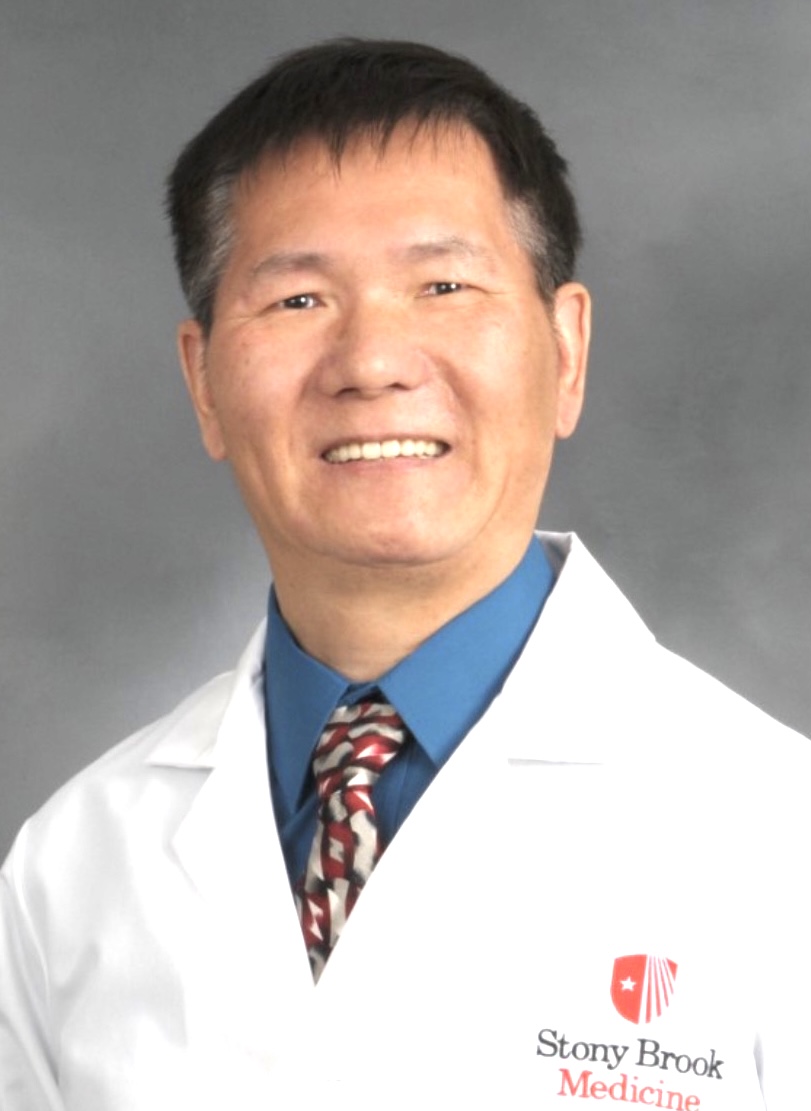
Fei Chen, PhD is a Professor in the Department of Pathology at the Renaissance School of Medicine, Stony Brook University. Dr. Chen leads the Chen Research Lab within the Oncogenic Drivers and Mechanisms of Carcinogenesis Research Program at the Stony Brook Cancer Center, investigating molecular mechanisms of environmental carcinogenesis. Dr. Chen's educational background includes: Medical degree from Nantong Medical College PhD in Immunology from Peking University Health Sciences Center Postdoctoral training in Pathology at Pennsylvania State University Dr. Chen's research program focuses on epigenetic and genetic regulations of genes in human cancers related to environmental exposures to mineral dust, carcinogenic metals, and chemical carcinogens. The lab employs biochemical, gene editing, and multi-omics approaches to elucidate mechanisms by which gene expression and function are altered in cancer. A principal research question addresses how metabolic reprogramming from mitochondrial TCA cycle to glycolysis affects DNA and histone methylation, chromatin configuration, and cancer stem cell self-renewal. Analysis of recent publications shows a strong focus on arsenic-induced carcinogenesis, with particular emphasis on the mdig gene, metabolic reprogramming, and cancer stem cell formation. The research spans toxicology, cancer biology, epigenetics, and molecular signaling, with applications to lung cancer, prostate cancer, and other malignancies. Recent work also explores connections between endoplasmic reticulum stress, mitochondrial function, and autophagy in carcinogenesis. Dr. Chen has mentored numerous graduate students and postdoctoral fellows, with several former trainees now holding independent research positions. The lab has been supported by multiple NIH grants focused on environmental carcinogenesis and cancer mechanisms. The Chen Research Lab operates at the Stony Brook Cancer Center (MART, Level 8, Room 830) and comprises a multidisciplinary team of molecular biologists, biochemists, and computational scientists. The lab maintains strong collaborations with clinical researchers at Stony Brook Cancer Center to translate basic findings into potential therapeutic approaches for environmentally-linked cancers.
Jordan L. Meier, Ph.D. is a Senior Investigator and Head of the Epigenetics and Metabolism Section at the Chemical Biology Laboratory within the Center for Cancer Research at the National Cancer Institute, National Institutes of Health. His research bridges chemical biology, cancer metabolism, and epigenetic regulation, focusing on how metabolic states influence genomic signaling through chromatin modifying enzymes. Dr. Meier's educational background includes: Bachelor's degree in Chemistry from Creighton University (2004) Ph.D. in Chemistry from University of California-San Diego (2009), working under Professor Michael D. Burkart Postdoctoral training as an American Cancer Society fellow at California Institute of Technology with Professor Peter B. Dervan His research interests center on the intersection of metabolism and epigenetics, particularly how metabolic perturbations influence epigenetic signaling. Dr. Meier's laboratory develops chemical approaches to investigate metabolic and epigenetic signaling pathways in cancer, with special focus on acetyl-CoA mediated acetylation mechanisms and oncometabolite-driven cancers. His work aims to discover biological mechanisms underlying oncometabolite-driven cancers, develop new cancer diagnostics, and identify small molecules that inhibit epigenetic modifications through metabolic disruption. Analysis of Dr. Meier's publications reveals a consistent research trajectory exploring the chemical biology of metabolic-epigenetic crosstalk. His work spans from fundamental chemical probe development to cancer-relevant biological applications, with particular emphasis on acetylation-based signaling mechanisms, oncometabolite detection, and chemoproteomic mapping of metabolic enzyme targets. His research has significantly advanced understanding of how metabolites like fumarate and acyl-CoA derivatives regulate epigenetic processes in cancer. Notable recognition includes: American Cancer Society postdoctoral fellowship Dr. Meier actively mentors a diverse research team including postdoctoral fellows and postbaccalaureate researchers. His laboratory has developed innovative chemical tools and approaches that have enabled new avenues for understanding metabolic regulation of epigenetic processes. Current research includes development of the Fumarate Chemoproteomic Reactivity Database to enable community efforts in studying FH-regulated cysteines. The Chemical Biology Laboratory fosters a collaborative environment with active participation in symposia and scientific meetings. Dr. Meier's team engages in both fundamental chemical biology research and translational applications, with a particular focus on developing new approaches for cancer therapy, diagnosis, and chemoprevention based on metabolic-epigenetic connections.
Dr Taavi Lehto is an Associate Professor of Nanobiotechnology at the University of Tartu’s Institute of Technology and a part-time Lecturer of Pharmaceutical Biotechnology at the University of Tartu’s Institute of Pharmacy. He also holds a 20 % Senior Research Fellow position at the Karolinska Institutet, Department of Laboratory Medicine, Stockholm. His work centres on developing advanced drug-delivery systems—especially cell-penetrating peptides, lipid nanoparticles and extracellular vesicles—for RNA-based therapeutics, CRISPR/Cas9 and antisense oligonucleotides. Education Doctor of Philosophy (Biomedical Technology), University of Tartu, 2011 Master of Pharmacy, University of Tartu, 2008 Jakob Westholm Gymnasium, 2002 Research Interests Lehto’s research integrates nanomedicine , molecular biotechnology and pharmaceutical sciences to create cell-specific delivery platforms for gene-modulating therapeutics. Key themes include: Design of next-generation cell-penetrating peptides for cytosolic delivery of siRNA, mRNA and antisense oligonucleotides Engineering of lipid nanoparticles and extracellular vesicles to enable tissue-targeted gene editing Chemical optimisation of oligonucleotide cargoes (phosphorothioate, 2′-O-methyl, PMO) for enhanced stability and specificity Pre-clinical validation of splice-switching therapies in models of Duchenne muscular dystrophy, X-linked agammaglobulinemia and fibrosis His current 810 k€ Estonian Research Council project (2023-2027) focuses on scalable formulation technologies for RNA therapeutics and CRISPR/Cas9 systems. Scientific Awards & Recognition Swedish Institute Visby Programme Post-doc Scholarship (2016, 2015) Letter of thanks from Estonian Ministry of Science & Education for supervising an award-winning MSc thesis (2013) Supervision & Funding Lehto leads a vibrant research group comprising one post-doctoral researcher and three ongoing PhD projects. He has successfully graduated four doctoral students and one post-doc, and his projects have received >1.5 M€ in competitive funding from the Estonian Research Council, Evox Therapeutics and the Swedish Institute. Laboratory & Team He heads the Drug Delivery and RNA Therapeutics group at the University of Tartu Institute of Technology and collaborates extensively with the Karolinska Institutet, Ludwig-Maximilians-Universität München, and international COST Actions CA17103 and BM1207.