معرفی
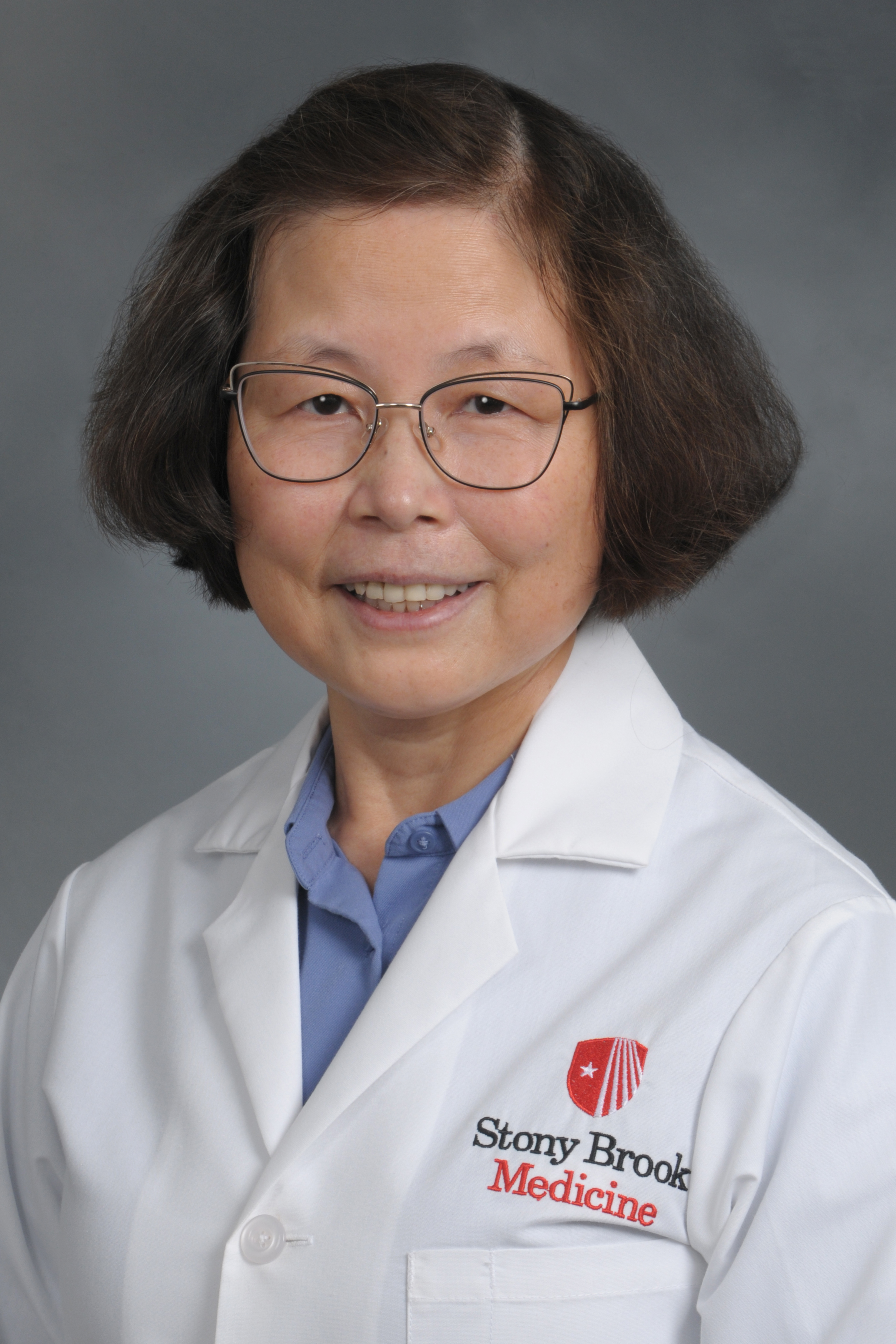
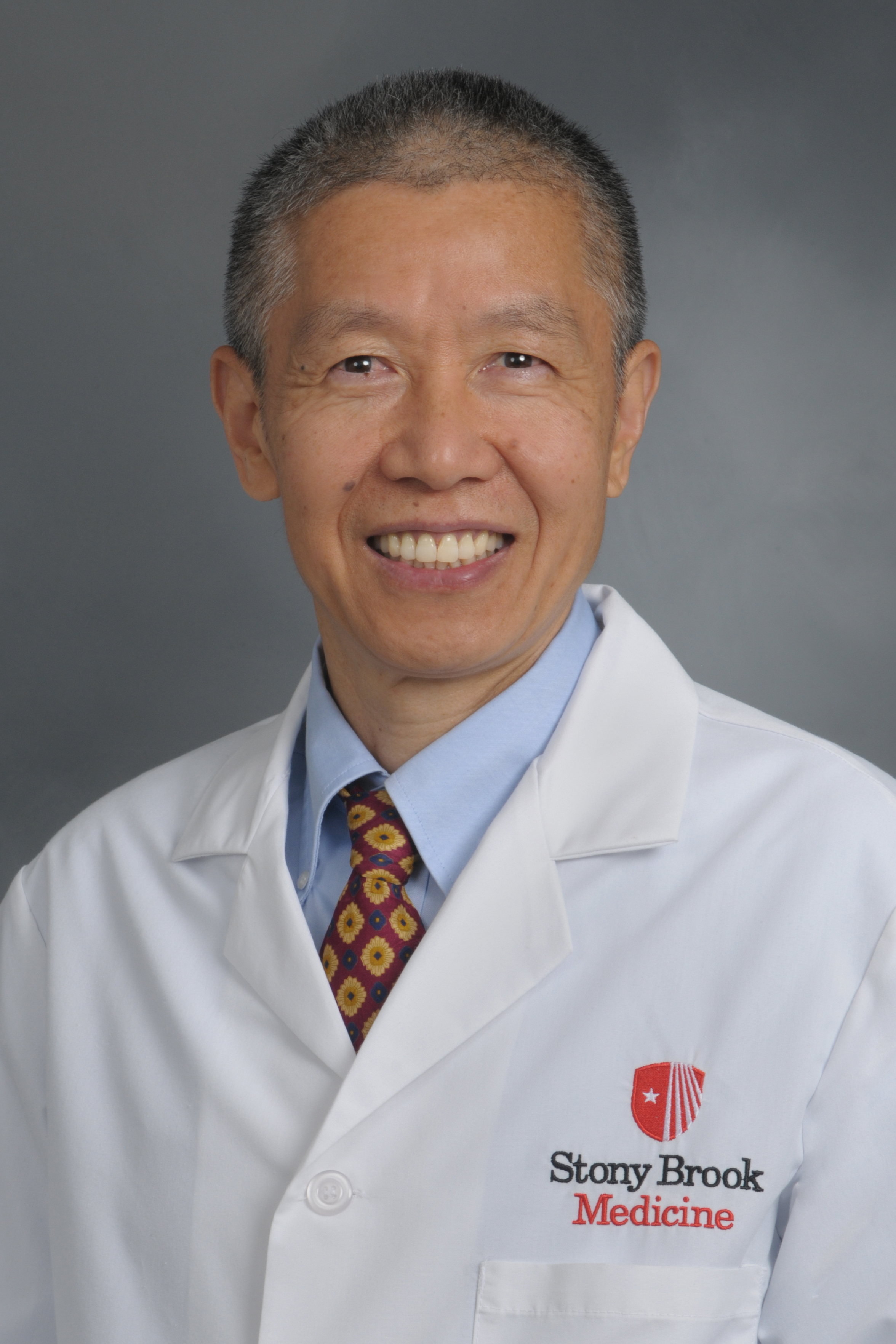
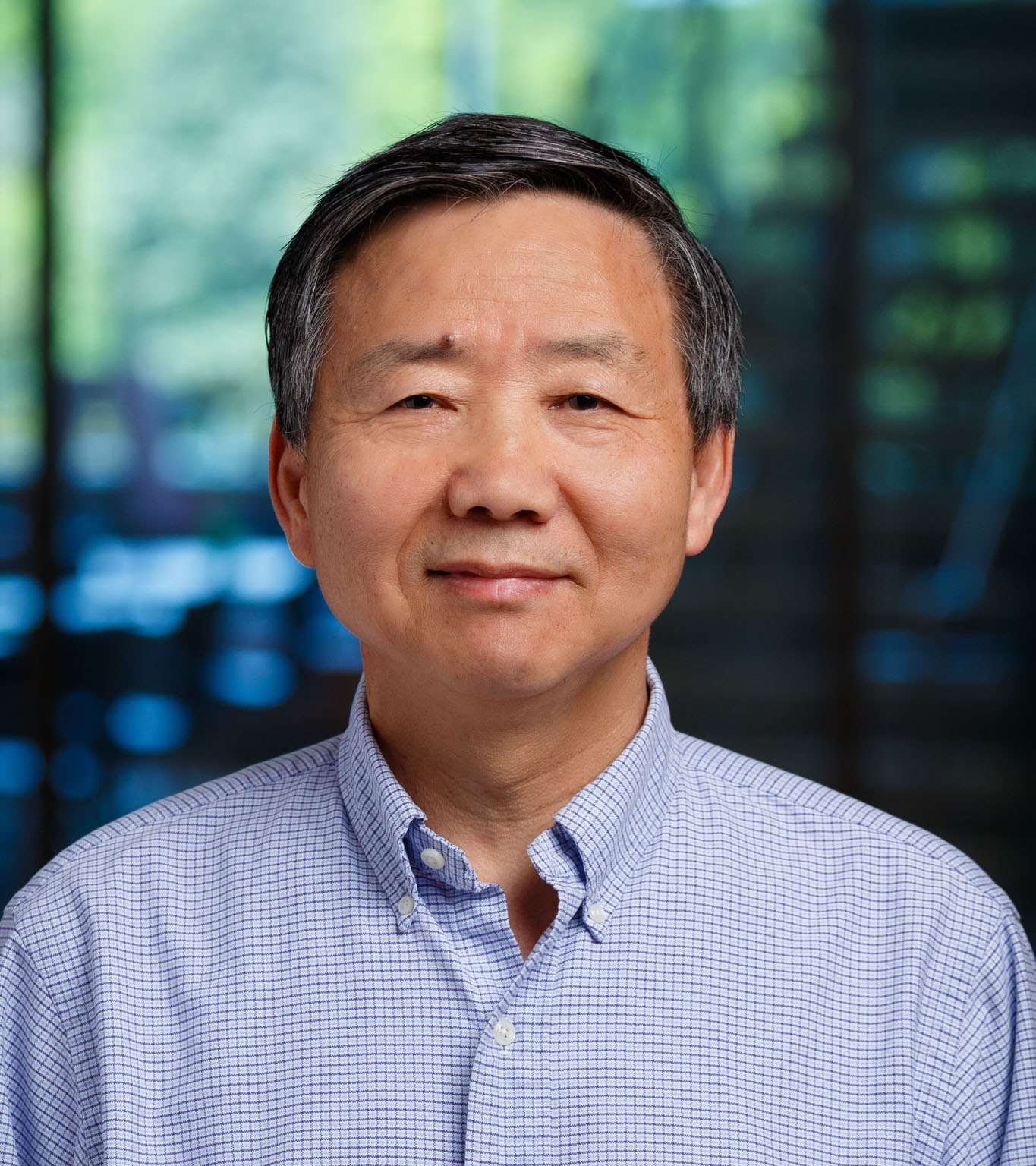
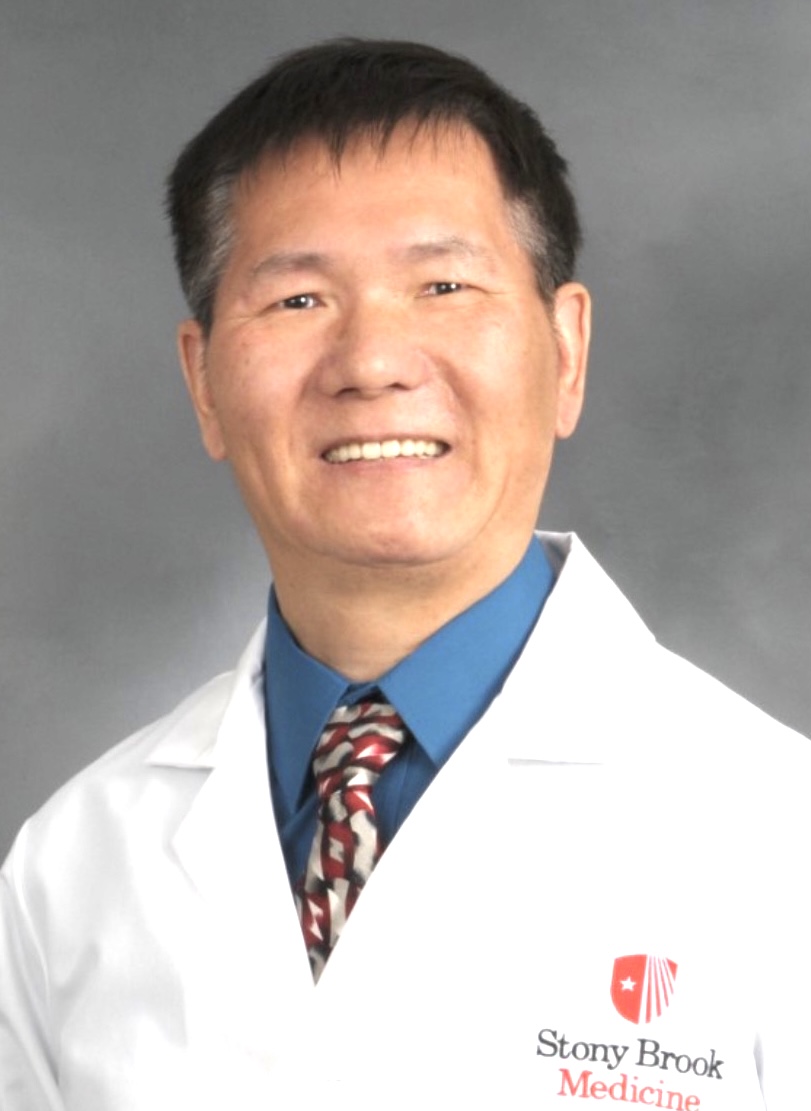
Fei Chen, PhD is a Professor in the Department of Pathology at the Renaissance School of Medicine, Stony Brook University. Dr. Chen leads the Chen Research Lab within the Oncogenic Drivers and Mechanisms of Carcinogenesis Research Program at the Stony Brook Cancer Center, investigating molecular mechanisms of environmental carcinogenesis.
Dr. Chen's educational background includes:
- Medical degree from Nantong Medical College
- PhD in Immunology from Peking University Health Sciences Center
- Postdoctoral training in Pathology at Pennsylvania State University
Dr. Chen's research program focuses on epigenetic and genetic regulations of genes in human cancers related to environmental exposures to mineral dust, carcinogenic metals, and chemical carcinogens. The lab employs biochemical, gene editing, and multi-omics approaches to elucidate mechanisms by which gene expression and function are altered in cancer. A principal research question addresses how metabolic reprogramming from mitochondrial TCA cycle to glycolysis affects DNA and histone methylation, chromatin configuration, and cancer stem cell self-renewal.
Analysis of recent publications shows a strong focus on arsenic-induced carcinogenesis, with particular emphasis on the mdig gene, metabolic reprogramming, and cancer stem cell formation. The research spans toxicology, cancer biology, epigenetics, and molecular signaling, with applications to lung cancer, prostate cancer, and other malignancies. Recent work also explores connections between endoplasmic reticulum stress, mitochondrial function, and autophagy in carcinogenesis.
Dr. Chen has mentored numerous graduate students and postdoctoral fellows, with several former trainees now holding independent research positions. The lab has been supported by multiple NIH grants focused on environmental carcinogenesis and cancer mechanisms.
The Chen Research Lab operates at the Stony Brook Cancer Center (MART, Level 8, Room 830) and comprises a multidisciplinary team of molecular biologists, biochemists, and computational scientists. The lab maintains strong collaborations with clinical researchers at Stony Brook Cancer Center to translate basic findings into potential therapeutic approaches for environmentally-linked cancers.