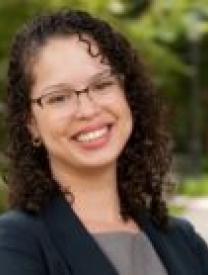
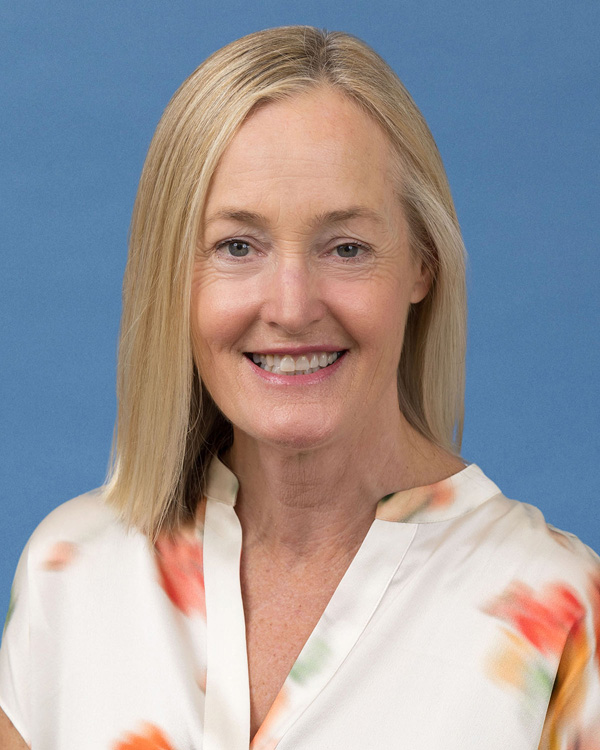
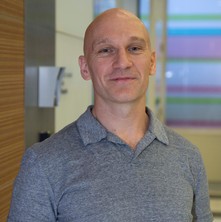
Ejung Moon is a Group Leader in Radiation Biology and the Tumour Microenvironment at the Department of Oncology, University of Oxford's Medical Sciences Division. Her research focuses on hypoxia-driven tumor progression and radiation response mechanisms. Education: PhD in Pharmacology and Cancer Biology from Duke University Training: Postdoctoral work with Amato Giaccia at Stanford University Research Interests: Elucidating how hypoxia-induced MAFF protein regulates tumor cell invasion, metastasis, and radiation resistance through antioxidant response pathways. Current work explores MAFF dimerization dynamics and metabolic reprogramming in hypoxic tumors. Scientific Contributions: Identified MAFF's role in radiation-induced antioxidant gene regulation (2021, Nature Communications ). Recent studies investigate iron metabolism's impact on FLASH radiotherapy effects. Scientific Awards: Breast Cancer Research Program (BCRP) predoctoral fellowship Laboratory & Collaborations: Moon Lab collaborates with Oxford Cancer and NHS Cancer and Haematology Centre. Key partnerships include Stanford University's radiobiology research groups.
Prof. Ahmet Atay holds the rank of Professor of Communication Studies at the College of Wooster, serving as Program Chair of Global Media & Digital Studies and liaison to the Digital Visual Storytelling Pathway. His academic journey includes degrees from Marmara University (B.A., 1998), Ohio University (M.A., 2001), University of Northern Iowa (M.A., 2003), and Southern Illinois University (Ph.D., 2009). His research focuses on transnational communication, digital media's societal impact, cultural identity formation in global contexts, and queer diasporic experiences. He actively explores media representation of gender/sexuality, critical pedagogy, and autoethnography as research methodologies. Notable projects include editing works on millennial media ecology, intercultural communication pedagogy, and transnational queer cinema. Teaching responsibilities include courses on intercultural communication, mediated gender studies, and digital storytelling for social justice. He has held leadership roles in professional organizations like the National Communication Association and Central States Communication Association. Prof. Atay's recent publications emphasize digital ethnography, decolonizing communication studies, and queer pedagogy innovations. His work bridges theoretical frameworks with practical educational applications, addressing contemporary issues like diversity in academia and media's role in shaping cultural narratives.
Brent Doiron is a Professor at the University of Chicago, holding appointments in the Departments of Neurobiology and Statistics, and serving on the Committee on Computational and Applied Mathematics (CCAM). His research integrates nonlinear dynamics and statistical mechanics to study neural circuit variability, focusing on mechanisms underlying neural coding and network learning through collaborations with experimentalists in sensory systems. Education: PhD in Physics (University of Ottawa, 2004) Postdoc: Center for Neural Science at New York University (2017) Previous Roles: Mathematics Professor at University of Pittsburgh (2007-2020), Co-Director of Neural Computation Program at Carnegie Mellon Neuroscience Institute Research interests center on neuronal population dynamics, recurrent circuit mechanisms, and computational neuroscience. Current work investigates correlated variability in cortical networks, inter-areal communication, and stochastic spiking models. Recent publications emphasize cortical stability/gain modulation, asynchronous/synchronous activity balance, and Bayesian inference frameworks. Key themes include sensory processing, network plasticity, and dimensionality reduction in neural coding. Scientific Awards Alfred P. Sloan Research Fellowship in Neuroscience Vannevar Bush Faculty Fellowship Chancellor’s Distinguished Research Award (University of Pittsburgh) Active grants include NIH R01 and R90/T90 awards for neuronal dynamics research and computational neuroscience training programs.
Harris H. Wang is an Associate Professor in the Department of Systems Biology and Department of Pathology and Cell Biology at Columbia University's Vagelos College of Physicians and Surgeons, where he also serves as Interim Chair of Systems Biology. He is affiliated with the Center for Computational Biology and Bioinformatics (C2B2) and the Integrated Program in Cellular, Molecular and Biomedical Studies (CMBS). B.S., Physics and Mathematics, MIT Ph.D., Biophysics, Harvard University Dr. Wang's research lies at the intersection of systems and synthetic biology, focusing on developing foundational technologies for genome engineering, microbiome manipulation, and synthetic genomics. His lab pioneers methods such as MAGE, MAGIC, CAST, and CAMII to enable high-throughput genetic manipulation, in situ microbiome engineering, and AI-driven microbial culturomics. Key research themes include understanding microbial community dynamics, engineering cellular memory systems, designing biocontained genetic circuits, and applying synthetic biology to human health challenges in personalized medicine and infectious disease. His recent publications reveal a strong trend in spatial and functional metagenomics, CRISPR-based microbiome editing, and synthetic biology tools for data storage and genetic stability. The articles span high-impact journals like Nature , Science , and Nature Biotechnology , reflecting his leadership in developing scalable, programmable biological systems. Scientific Awards: NIH Director’s Early Independence Award Forbes 30 Under 30 in Science Sloan Research Fellowship NSF CAREER Award ONR Young Investigator Award Burroughs Wellcome Fund PATH Award Schaefer Scholar Blavatnik National Award Vilcek Prize PECASE Dr. Wang has advised numerous PhD and postdoctoral researchers, many of whom have gone on to independent scientific careers. His lab is supported by major grants from NIH, NSF, DARPA, DOE, and foundations including the Bill & Melinda Gates Foundation and CZ Biohub NY. He is actively involved in educational initiatives, including organizing Columbia’s iGEM team and the Cold Spring Harbor Laboratory Synthetic Biology course. The Wang Lab is based at the Columbia University Irving Medical Center and is part of national consortia such as the Engineering Biology Research Consortium (EBRC) and the Genome Project-Write (GP-Write) initiative. The lab develops and applies cutting-edge technologies in automation, machine learning, and synthetic biology to engineer microbiomes for applications in medicine, global health, and climate change.
Dr. Keith Alexander Sharkey is a Professor in the Department of Physiology and Pharmacology at the Cumming School of Medicine, University of Calgary. He is also a Full Member of both the Hotchkiss Brain Institute and The Calvin, Phoebe and Joan Snyder Institute for Chronic Diseases. Dr. Sharkey has been at the University of Calgary since his appointment as Assistant Professor in 1990, dedicating his career to understanding the neural control of the gastrointestinal tract. From 2005-2021, he held the Crohn's and Colitis Canada Chair in Inflammatory Bowel Disease Research, demonstrating his longstanding commitment to advancing knowledge in gastrointestinal sciences. Dr. Sharkey's educational journey began with a BSc (Hons) in Nutrition from the University of London in 1981, followed by a PhD in Physiology from the University of Liverpool in 1985. After completing postdoctoral training in Hungary, the UK, and Canada, he joined the University of Calgary faculty in 1990, where he has remained throughout his distinguished academic career. Dr. Sharkey's research program centers on understanding the physiology and pathophysiology of the neural control of the gastrointestinal tract and brain-gut interactions in health and disease. His laboratory investigates two main areas: the role of the endocannabinoid system in regulating GI motility and intestinal barrier function, and the physiology of the enteric nervous system in controlling motility and barrier function. His work employs state-of-the-art approaches including live cell imaging and molecular genetics. Recent publications show his expanding interest in connections between gut function and neurodegenerative conditions like ALS, with multiple 2024-2025 papers examining sexual dimorphism in disease processes and gut-brain axis mechanisms. Fellow, Royal Society of Canada (2024) Cumming School of Medicine's van de Sande Distinguished Achievement Award for Mentorship (2021) Distinguished Research Award, American Physiological Society (2021) Finkelstein Award for Excellence, Crohn's and Colitis Canada (2016) Fellow, Canadian Academy of Health Sciences (2015) Fellow, Canadian Association of Gastroenterology (2015) Killam Annual Professor Award, University of Calgary (2013) Dr. Sharkey has mentored numerous students throughout his career, as evidenced by his 2021 Mentorship Award. His research is supported by significant funding, including a CIHR Foundation grant exploring how enteric nerves and glia maintain intestinal homeostasis. He has also participated in university strategic initiatives focused on Brain and Mental Health (2015-2021) and Infections, Inflammations and Chronic Diseases (2015-2021), demonstrating his interdisciplinary approach. The Sharkey Lab provides a safe, inclusive, and diverse research environment that encourages open scientific exchange from diverse viewpoints. His laboratory is actively engaged in multiple collaborative projects, including investigations with UBC Okanagan on diet and probiotics targeting the gut-brain metabolic interactome, and with University of Calgary colleagues studying gut microbiota's role in ALS. Dr. Sharkey continues to advance our understanding of neural mechanisms controlling gastrointestinal function with upcoming courses scheduled for Fall 2024 and Winter 2025.
David Glovsky serves as Assistant Professor of History and African and African American Studies within Harvard University's Faculty of Arts and Sciences, focusing on 19th-20th century West Africa with regional expertise in Senegal, Gambia, Guinea-Bissau, and Guinea. His research examines borderlands through lenses of mobility, citizenship, and alternative geographies, challenging state-imposed borders with community-driven spatial narratives. His educational foundation includes a B.A. in History and Human Geography from Dartmouth College and a Ph.D. in African History from Michigan State University. Prior academic appointments include the Department of Africana Studies at University at Albany and the Department of History at Boston University, following Peace Corps service in southern Senegal that redirected his career from sports media into academia. Glovsky's research program centers on social justice-oriented historical narratives of marginalized West African communities, particularly Fulbe populations. His work synthesizes oral histories and archival research across six nations to analyze how borderland residents construct fluid geographies that transcend colonial/postcolonial boundaries. Key themes include migration as resistance , gendered border experiences , and Islam's role in transnational community formation , with methodological innovation in spatial history and decolonial approaches. Analysis of his nine recent publications (2019-2023) reveals consistent engagement with West African borderland resilience , demonstrating how communities maintain cross-border networks despite state fragmentation. His work bridges historical scholarship and contemporary migration debates , employing interdisciplinary frameworks from anthropology, geography, and postcolonial theory to document alternative spatial organizations that challenge Western cartographic traditions. ACLS Fellowship supporting book project Borderlanders: Popular Geographies, Mobility, and Belonging in West Africa Glovsky actively mentors graduate students interested in African history, emphasizing pathways for underrepresented scholars into U.S. academia. His research has received competitive external funding including the ACLS Fellowship, while his collaborative work on the NEH ‘Ajamī Project advanced accessibility of Pulaar manuscripts through digitization and multilingual translation. He maintains strong community ties with West African scholars and institutions, particularly in Senegambia. Though not leading a formal laboratory, Glovsky collaborates with international research teams across West Africa on borderland studies and manuscript preservation, working closely with scholars in Kolda (Senegal), Dakar, and Guinea-Bissau to document community histories through participatory methodologies.
Dr. Janet Garcia-Hallett is an Associate Professor of Criminal Justice in the Henry C. Lee College of Criminal Justice and Forensic Sciences at the University of New Haven. She earned her Ph.D. in Criminal Justice from Rutgers University School of Criminal Justice and specializes in research examining the intersection of race, gender, and the criminal legal system, with particular focus on formerly incarcerated mothers of color. Dr. Garcia-Hallett's educational background includes: Ph.D., Criminal Justice, Rutgers University School of Criminal Justice M.A., Criminal Justice, Rutgers University School of Criminal Justice B.A., Cum Laude, Honors in Sociology and Psychology, CUNY Macaulay Honors College: Hunter College Her research interests focus on the detrimental impact of incarceration on communities of color and the intersectional obstacles women of color face throughout the criminal legal process. She examines how formerly incarcerated mothers navigate motherhood while confronting systemic barriers related to gender, race, and criminal record. Her work challenges traditional narratives about mass incarceration that have historically centered on men, instead highlighting the unique experiences of women of color who must perform motherwork under oppressive conditions of surveillance and marginalization. Analysis of Dr. Garcia-Hallett's publications reveals consistent themes across criminal justice, gender studies, and race theory. Her work demonstrates a strong focus on qualitative methodologies to center the voices of marginalized populations, particularly examining the intersection of motherhood and incarceration. Recent publications increasingly address public health issues within correctional settings and community reentry challenges. Her research consistently applies critical race and feminist frameworks to challenge systemic oppression within the criminal legal system. Dr. Garcia-Hallett has received significant recognition for her scholarship: 2023 ASA Ida B. Wells-Barnett Distinguished Book Award Multiple 2023 finalists and honorable mentions for book awards 2019 SAGE Junior Faculty Professional Development Teaching Award University of Missouri President's Award for Intercampus Collaboration Her grant funding demonstrates substantial research impact, including the Prison Research and Innovation Network ($200,000) and collaboration on a $2.8 million Arnold Ventures grant for the Missouri Prison Transformation Project. Dr. Garcia-Hallett actively engages in community partnerships, such as her work with Winning Ways Inc. to empower women in the community. Her media presence shows significant public engagement through op-eds in Ms. Magazine and Hartford Courant addressing critical issues like abortion rights for incarcerated women.
Sriram Subramaniam is a Professor in the Department of Biochemistry and Molecular Biology at the University of British Columbia (UBC) and holds the Gobind Khorana Canada Excellence Research Chair in Precision Cancer Drug Design. His research leverages cryo-electron microscopy (cryo-EM) to advance structural biology and drug design, focusing on protein dynamics and therapeutic target identification. Education: PhD in Physical Chemistry (1987) from Stanford University; MSc in Chemistry (1981) from Indian Institute of Technology, Kanpur. Subramaniam's interdisciplinary work combines cryo-EM with computational tools and molecular biology to study protein structures at atomic resolution. His lab has pioneered cryo-EM applications in precision medicine, including mapping small molecule drugs on patient-specific cancer mutants. Recent publications (2024-2022) highlight his contributions to understanding SARS-CoV-2 immune evasion, structural mechanisms of ATPases, and AI integration in structural biology. His research spans viral entry mechanisms, CRISPR systems, and neurodegenerative disease pathways. Scientific Awards: Gobind Khorana Canada Excellence Research Chair NIH Director’s Award for Scientific Excellence Fellow of the Biophysical Society Breakthrough Prize nomination Based at the Djavad Mowafaghian Center for Brain Health, Subramaniam leads the Program in Cryo-EM Guided Drug Design, contributing to over 177 peer-reviewed publications with a career h-index of 58 and citations exceeding 12,340.
Richard W. Robins is a Professor in the Department of Psychology at the University of California, Davis, within the College of Letters and Science. He is Director of the Personality, Self and Emotion Laboratory and the California Families Project, and a core faculty member of the NIMH Training Program in Affective Science. Ph.D. in Psychology (Social/Personality), University of California, Berkeley (1995) B.A. in Psychology, University of California, Berkeley (1988) His research centers on personality development, self-esteem, narcissism, self-conscious emotions (pride, shame, guilt, contempt), and developmental trajectories of Mexican-origin youth. He employs longitudinal and experimental designs with multi-method data collection across biological, psychological, and sociocultural domains. His recent publications reflect a strong trend in longitudinal analysis of personality and emotion, particularly focusing on developmental pathways in youth, self-evaluation processes, and cultural influences on emotional expression. Key themes include the interplay between temperament and social behavior, the stability of self-esteem, and the distinction between genuine self-worth and narcissism. Award highlights include: 2012 Diener Award for Outstanding Mid-Career Contributions to Personality Psychology Fellow of the Society for Personality and Social Psychology (2011) Distinguished Scientific Award for Early Career Contribution (APA) Theoretical Innovation Prize (SPSP) Chancellor’s Fellow at UC Davis (2002–2007) Professor Robins has secured research funding from the National Institutes of Health, particularly supporting the California Families Project. He has served as Associate Editor for Personality and Social Psychological Review and Journal of Personality and Social Psychology , and has edited major handbooks in personality psychology. He mentors graduate students and teaches courses in Personality Psychology, Personality Development, The Self, Emotion, and Longitudinal Methods. He leads the Personality, Self and Emotions Laboratory at UC Davis, which focuses on social development, emotion regulation, and self-esteem using integrative and naturalistic research approaches.
Rachel Arnett is an Assistant Professor of Management at the Wharton School of the University of Pennsylvania, specializing in diversity, identity, inclusion, intergroup relations, and intersectionality within the Organizational Behavior subgroup. She received her Ph.D. from Harvard University's interdisciplinary Organizational Behavior program and holds a B.A. from the University of Pennsylvania. Education: Ph.D., Harvard University (Organizational Behavior) B.A., University of Pennsylvania Her research explores pathways to develop diversity, equity, and inclusion (DEI) through identity-based interactions, including: Identity expression and concealment in workplace relationships Intergroup dynamics and social change Allyship behaviors and bias confrontation Intersectional influences of gender, race, and social class on leadership Psychological safety in DEI advancement Recent publications analyze cultural-identity expression as inclusion mechanisms, bias confrontation strategies, and longitudinal impacts of identity management. Her work combines lab experiments, surveys, and qualitative methods in collaboration with DEI-focused organizations. Key awards include the 2023-2024 Claude Marion Faculty Scholar designation, 2022 Poets & Quants Best 40-Under-40 MBA Professors, and four consecutive Wharton Teaching Excellence Awards (2018-2021).
Prof. Dr. Jörg E. Drewes is a Full Professor and Chair at the Research Institute for Urban Water Management, Technical University of Munich (TUM), Germany. He also serves as Academic Program Director for Environmental Engineering at TUM and is a co-founder of Waterloop Solutions GmbH. His work spans advanced water treatment technologies, wastewater reuse, and environmental health surveillance. Affiliations : TUM, Colorado School of Mines, King Abdullah University of Science and Technology, UNSW Water Research Centre Research focuses on advanced oxidation processes , membrane fouling mitigation , micropollutant removal , and wastewater epidemiology for public health. His team develops integrated systems for water-energy-food nexus applications and graphene oxide-based treatment solutions. Recent publications address PFAS remediation , UVC-LED pre-treatment for biofouling control, and GIS-based wastewater surveillance models . Awards include the Bayerische Staatsmedaille (2023) and William Dunbar Medal (2022). 2023 : Bayerische Staatsmedaille 2022 : William Dunbar Medal 2018 : IWA Fellow He leads the Nexus@TUM initiative and contributes to EU water resilience strategies. Collaborations include projects in Germany, China, India, and Spain, focusing on climate-resilient water systems and resource recovery .
Julienne Bower is a Professor at the University of California, Los Angeles (UCLA) with joint appointments in the Department of Psychology and the Department of Psychiatry/Biobehavioral Sciences. She serves as Director of the Mind-Body Research Lab, Associate Director of the Cousins Center for Psychoneuroimmunology, and as a Member of the Jonsson Comprehensive Cancer Center. Her research explores mind-body interactions in individuals facing stressful life events, particularly cancer patients and survivors, focusing on biological pathways linking psychological states to health outcomes and the effects of mind-body interventions. Ph.D. from UCLA Area Chair: Health Psychology Primary Area: Health Psychology Secondary Area: Clinical Psychology Location: 6538 Pritzker Hall, UCLA Dr. Bower's research examines how positive psychological factors (e.g., benefit finding, positive affect) influence physical health through immune and neuroendocrine pathways, while also investigating mind-body interventions like yoga and mindfulness meditation. Her work spans observational, experimental, and intervention studies, emphasizing the immune system as a central mechanism. The Mind-Body Research Lab, under Dr. Bower's leadership, has published extensively on topics including cancer-related fatigue, stress-induced inflammation, and the physiological impacts of psychosocial interventions. Key publications address NF-κB signaling, glucocorticoid resistance, and cortisol dysregulation in cancer survivors. Dr. Bower's lab is actively recruiting graduate students for 2024 through the UCLA Health Psychology Program, offering training in psychoneuroimmunology, cancer prevention, and mind-body research methodologies.
Renate Sachse is a Researcher at the Chair of Structural Analysis, Technical University of Munich (TUM), where she has worked since May 2024. Previously, she held postdoctoral positions at Harvard University's Bertoldi Lab (2024) and TUM's Chair of Computational Mechanics (2021-2024), following academic staff roles at the University of Stuttgart (2015-2020). Her interdisciplinary work bridges civil engineering, biomechanics, and computational modeling. Her educational foundation includes a Master's in Civil Engineering from the University of Stuttgart (2014; thesis: 'Isogeometric contact analysis of thin-walled structures') and a Bachelor's from the same institution (2011; thesis: 'A Primary School Pavilion for Magagula in South Africa - Structural Analysis'). She also completed ERASMUS studies at ESTP Paris and internships at Foster + Partners and Werner Sobek AG. Dr. Sachse's research centers on biomechanics and biomimetics, with pioneering work on plant-inspired structures. She investigates snapping mechanisms in carnivorous plants (Venus flytrap, waterwheel plant) to develop bio-inspired adaptive systems, soft robotics, and metamaterials. Her expertise spans motion design for large-deformation structures, isogeometric analysis, and hygroscopic actuation in 4D-printed materials, emphasizing computational modeling of contact mechanics and structural stability. Analysis of her 15 most recent publications reveals a dominant focus on biomechanics (60% of articles), particularly plant movement mechanics translated into engineering solutions. Her work consistently integrates computational structural analysis with biological principles, showing increasing emphasis on motion design (25% of recent output) and additive manufacturing applications (15%). Key trends include translating snap-buckling phenomena into robotics and developing material design spaces for responsive structures. Her distinguished awards include the Bertha Benz Prize (2022), Klaus Tschira Boost Fund Fellowship (2022-2024), and University of Stuttgart Publication Award (2022). Additional recognition comprises GAMM Juniors Fellowship (2020-2022), AVK Innovation Award (2017), and Emil Mörsch Study Prize (2014). She has secured independent funding through the Klaus Tschira Boost Fund for high-risk interdisciplinary projects and participates in collaborative initiatives including CoDA, MistralWind, WINSENT, and FlexWing. While teaching advanced courses at TUM (Advanced Finite Element Methods, Theory of Plates), her mentorship focuses on computational mechanics and biomimetic design principles. Currently based at TUM's Chair of Structural Analysis under Prof. Bletzinger, she maintains active collaboration with Harvard University's Bertoldi Lab in developing next-generation adaptive structures.
Jonathan Winawer is an Associate Professor of Psychology and Neural Science at New York University (NYU). He leads the Winawer Laboratory for Human Visual Perception and Neuroscience, which is affiliated with the NYU Psychology Department, NYU Center for Neural Science, NYU Neuroscience Institute, and collaborates with the NYU Comprehensive Epilepsy Center and Stanford University's Human Intracranial Cognitive Program. Ph.D., Massachusetts Institute of Technology (2007) M.S., City College of the City University of New York (2005) A.B., Columbia University (1995) His research focuses on the biological basis of visual perception, including computational models of the visual pathways using fMRI, EEG, ECoG, and psychophysics. Key areas include: Encoding of visual stimuli in neural pathways Perceptual memory's influence on cognition Neural circuit properties underlying imaging signals Individual differences in visual perception Publications highlight interdisciplinary approaches spanning computational neuroscience, neuroimaging, and psychophysics, with recent work on population receptive fields, spatial frequency tuning, and memory-related cortical dynamics. He has mentored numerous students and postdocs, many of whom have advanced to academic and research roles at institutions like Stanford, Columbia, and the University of Amsterdam. Department of Psychology, NYU Center for Neural Science, NYU Neuroscience Institute, NYU Comprehensive Epilepsy Center, NYU Stanford University collaborations
Associate Professor Adam Irwin is an NHMRC Emerging Leadership Fellow and Associate Professor in Infectious Diseases at the University of Queensland (UQ) and Queensland Children’s Hospital. He holds positions within the UQ Centre for Clinical Research, Faculty of Health, Medicine and Behavioural Sciences. His work focuses on early sepsis recognition, antimicrobial stewardship, and pediatric infectious diseases. Dr. Irwin completed his medical degree at the University of Birmingham and his PhD in 2016 from the University of Liverpool’s Institute of Infection and Global Health. He has led initiatives like the Queensland Paediatric Sepsis Program, recognized with a Global Sepsis Alliance Award and Queensland Health Excellence Awards. His research spans sepsis pathway implementation, antimicrobial resistance trends, and rapid diagnostic tools. Notable grants include NHMRC funding for studies on multi-drug resistant infections and Children’s Hospital Foundation support for genomics and antimicrobial stewardship projects. He supervises PhD candidates in areas like bloodstream infections and molecular diagnostics. Dr. Irwin collaborates across institutions, contributing to projects such as the RAPIDS Study Group and the PAEDS surveillance network. Awards include the NHMRC Emerging Leadership Fellowship and recognition for sepsis program excellence. His work emphasizes translating research into clinical practice, improving outcomes for critically ill children through evidence-based protocols and innovative diagnostics.