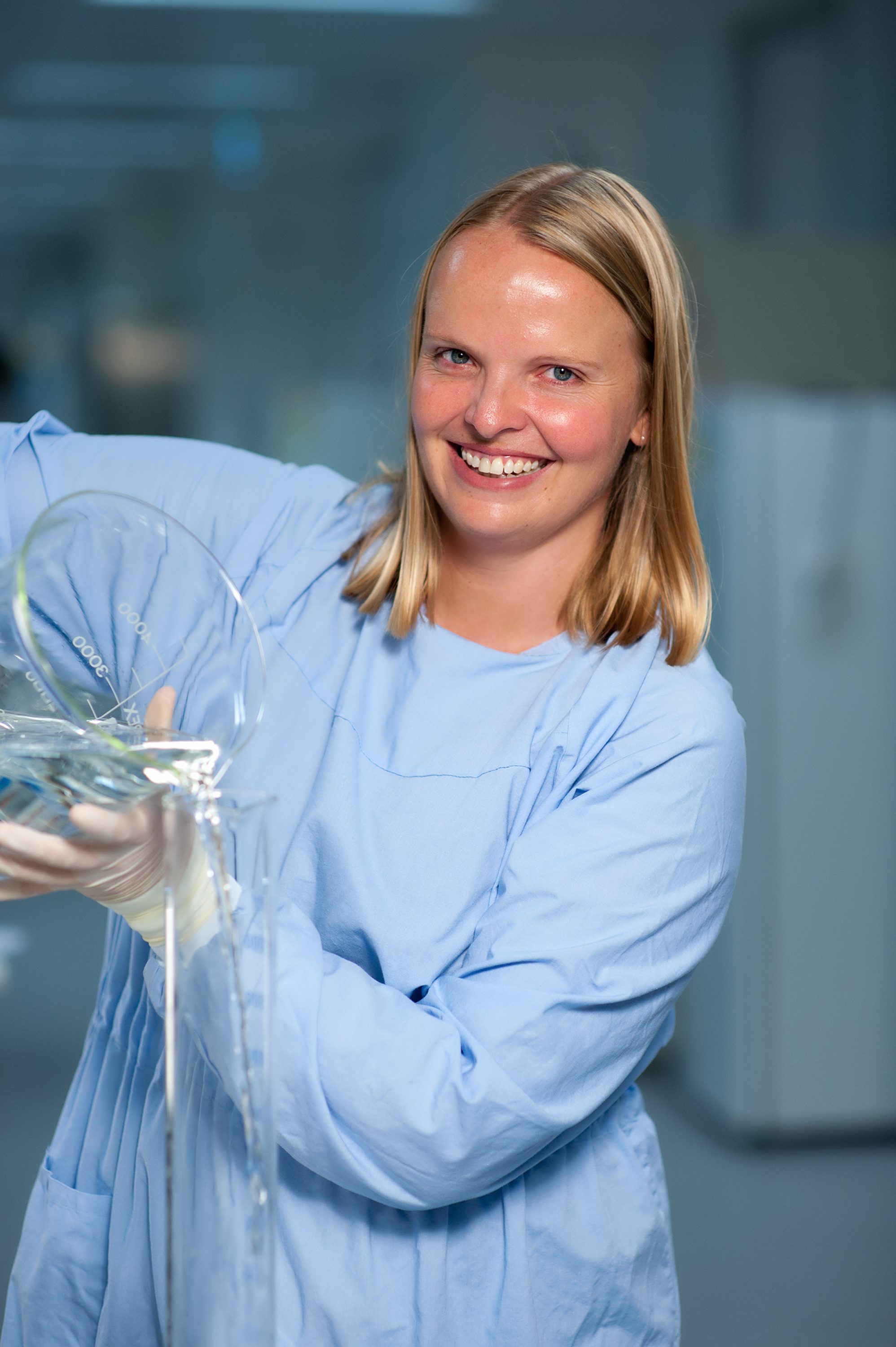
Ejung Moon is a Group Leader in Radiation Biology and the Tumour Microenvironment at the Department of Oncology, University of Oxford's Medical Sciences Division. Her research focuses on hypoxia-driven tumor progression and radiation response mechanisms. Education: PhD in Pharmacology and Cancer Biology from Duke University Training: Postdoctoral work with Amato Giaccia at Stanford University Research Interests: Elucidating how hypoxia-induced MAFF protein regulates tumor cell invasion, metastasis, and radiation resistance through antioxidant response pathways. Current work explores MAFF dimerization dynamics and metabolic reprogramming in hypoxic tumors. Scientific Contributions: Identified MAFF's role in radiation-induced antioxidant gene regulation (2021, Nature Communications ). Recent studies investigate iron metabolism's impact on FLASH radiotherapy effects. Scientific Awards: Breast Cancer Research Program (BCRP) predoctoral fellowship Laboratory & Collaborations: Moon Lab collaborates with Oxford Cancer and NHS Cancer and Haematology Centre. Key partnerships include Stanford University's radiobiology research groups.
Caetano Reis e Sousa is a Professor of Immunology at Imperial College London and Senior Group Leader/Assistant Research Director at the Francis Crick Institute. He leads the Immunobiology Laboratory, focusing on dendritic cell biology, immune responses to pathogens, and cancer immunotherapy. His research explores how dendritic cells detect pathogens and dying cells, triggering adaptive immunity. Key roles include investigating cross-presentation mechanisms, C-type lectin receptors (e.g., DNGR-1), and vaccine development strategies. Education: BSc (Hons) Biology from Imperial College London (1989), DPhil in Immunology from University of Oxford (1992). Postdoctoral training at NIH under Ron Germain. Career milestones include founding the Immunobiology Lab at CRUK London Research Institute (1998–2015) before joining the Crick. Awards & Recognition: Highly Cited Researcher (Thomson Reuters), BD Biosciences Prize (2002), Liliane Bettencourt Award (2008), Louis-Jeantet Prize (2017), Fellowships at Royal Society (2019), Academy of Medical Sciences (2006), and EMBO (2006). Named Officer of the Order of Sant'Iago da Espada (Portugal, 2009). Research Themes: Dendritic cell activation pathways, cross-presentation of tumor antigens, microbiome-cancer immunity links, and immune evasion mechanisms. Collaborations involve institutions like UCL, King's College London, and global health networks. Labs/Teams: Head of Immunobiology Lab at Crick, with expertise in immunology, cell biology, and virology. Facilities include Flow Cytometry, Genomics, and Light Microscopy cores. Active in pandemic response (e.g., SARS-CoV-2 testing initiatives).
Dr. Thomas A. Hughes is an Associate Professor of Cancer Biology at the University of Leeds and Professor of Biosciences at York St John University. As a Group Leader at the Leeds Institute of Medical Research, he focuses on gene regulation, tumour microenvironment, and nanomedicine approaches to improve cancer outcomes. Specializes in breast cancer, colorectal cancer, and rare diseases Develops therapeutic strategies using microRNAs and biomarkers Collaborates with clinicians, engineers, and chemists for translational research His research integrates molecular pathology with clinical data through partnerships with Leeds NHS Trusts, aiming to identify novel biomarkers and targets for therapy. Recent work emphasizes cholesterol metabolism, oxysterol signaling, and nanomedicine-based drug delivery systems. Key contributions include: Over 80 peer-reviewed publications in cancer biology and molecular therapeutics Leadership in MSc programs in Molecular Medicine and Cancer Biology and Therapy Extensive experience in grant review, editorial work, and doctoral supervision Scientific awards include Fellowship of the Higher Education Academy. His lab has mentored 26 doctoral students and numerous alumni in academia, clinical practice, and industry.
Dr. Jason Webber is a Senior Lecturer in Biomedical Sciences at Swansea University Medical School. He holds an honorary position as a Research Fellow at Cardiff University and is a board member of the UK Society for Extracellular Vesicles. His research focuses on extracellular vesicles (EVs), particularly their role in cancer progression and as biomarkers for aggressive tumors like prostate cancer. He completed his PhD at Cardiff University's Institute of Nephrology in 2009 and received a Prostate Cancer UK Career Development Fellowship (2014–2020). Dr. Webber's expertise includes EV biology, tumor microenvironment dynamics, and translational research. He actively contributes to teaching modules such as 'Genetics of Cancer' and 'Advanced Research Topics in Biomedical Science'. His work spans collaborations with institutions like Erasmus MC and the CIC bioGUNE in Spain. Key grants include funding for projects like 'Extracellular Vesicle Glycoproteins for Prostate Cancer Diagnosis (EVGlyProD)' and investigations into EV roles in bone metastasis and rare diseases like tuberous sclerosis complex. His research highlights EVs' dual role as functional mediators of tumor growth and potential biomarkers. Notable achievements include demonstrating EV-HSPG's role in stromal activation and developing methodologies for EV-based diagnostics. Dr. Webber supervises multiple PhD and MSc students, emphasizing mentorship in EV research and cancer biology.
Joe Pitt-Francis is Associate Professor of Computer Science and Tutorial Fellow in Computer Science at St Edmund Hall, University of Oxford . Since 1999 he has tutored Oxford computer-science students and formally became a Tutorial Fellow of St Edmund Hall in 2024. His research lies at the intersection of computational biology and mathematical biology . Using sophisticated numerical techniques he constructs and analyses models of the heart , cancer and blood flow . A central strand of his work is software development for biological simulation; he is an active contributor to Chaste ( Cancer, Heart and Soft-Tissue Environment ), a large-scale C++ library that supports multiscale computational models in physiology and medicine. Across more than 60 peer-reviewed publications since 1998, his work has progressively advanced from foundational software-engineering papers describing Chaste’s architecture to highly-cited studies on cardiac electrophysiology , tumour-induced angiogenesis , microvascular haemodynamics and cell-cycle dynamics under hypoxia . The 2024-2025 corpus shows strong emphasis on multiscale frameworks , open benchmarking , and radiotherapy-induced vascular remodelling , positioning his group at the forefront of translational in-silico oncology. Contact: Email: Joe.Pitt-Francis@seh.ox.ac.uk
Professor Ananya Choudhury serves as Chair and Honorary Consultant in Clinical Oncology at the University of Manchester, where she is also Co-Group Leader of the Translational Radiobiology Group within the Division of Cancer Sciences. She joined The Christie NHS Foundation Trust in 2008, specializing in urology and sarcoma, and has since focused on radiotherapy-related research in prostate and bladder cancers. Professor Choudhury is clinical lead for advanced radiotherapy, including the groundbreaking MRLinac project, and plays a key role in national radiotherapy research initiatives. Professor Choudhury earned her BA (Hons) in 1993, MB. BChir (Cantab) in 1995, and MA (Cantab) in 1997 from Trinity College, Cambridge. She completed her Clinical Oncology training at the Yorkshire Deanery from 2000-2008, during which she earned her MRCP in 2000 and F.R.C.R in 2004. She completed her PhD in 2008 through the University of Leeds and Princess Margaret Hospital in Toronto, Canada, where she studied the molecular epidemiology of DNA double strand break repair in bladder cancer. Professor Choudhury's research program focuses on optimizing and personalizing radiotherapy using advanced imaging technology to deliver high doses while minimizing side effects. Her work centers on prostate and bladder cancers, with particular interest in predictive biomarkers, hypoxia, and the integration of magnetic resonance imaging to improve treatment precision. She has pioneered research in radiotherapy dose optimization, biomarker development, and the identification of patients who would benefit most from different treatment approaches. Her extensive publication record demonstrates a strong focus on radiation therapy, particularly in genitourinary cancers. Recent work explores MRI-guided radiotherapy, hypoxia biomarkers, and personalized treatment approaches across multiple cancer types. She has made significant contributions to understanding how imaging technology can improve radiotherapy precision and effectiveness while reducing side effects, with several publications appearing in top journals through 2025. Professor Choudhury has received multiple prestigious awards recognizing her contributions to the field: Cancer Research-UK/Royal College of Radiologists Clinical Training Fellowship (2005) Fellowship for the 10th ECCO-AACR-ASCO Workshop on Methods in Clinical Cancer Research (2007) Outstanding Contribution, Greater Manchester Clinical Research Awards (2017) RCR Research Fellowship (2005) Research Fellowship, Princess Margaret Hospital, Toronto (2004) Professor Choudhury has supervised numerous doctoral and master's students across multiple cancer types, with current students expected to complete through 2024. She is Principal Investigator on multiple research grants, including 'Measuring tumour radioresistance to improve radiotherapy outcomes' and the 'MAESTRO Programme' as part of CRUK RadNet. Her research program is supported by significant funding from NIHR Manchester Biomedical Research Centre and other major funding bodies. As Co-Group Leader of the Translational Radiobiology Group, Professor Choudhury collaborates extensively with leading researchers including Peter Hoskin, Catharine West, Corinne Faivre-Finn, and Marcel van Herk. Her team is at the forefront of integrating advanced imaging with radiotherapy to improve cancer treatment outcomes, with active projects spanning from basic radiobiology to clinical implementation of novel radiotherapy techniques.
Professor Daniel Catchpoole serves as Deputy Head of School (Research) at the School of Computer Science, University of Technology Sydney (UTS), holding dual appointments at UTS and The Children's Hospital at Westmead. With over 20 years of research experience, he bridges computational sciences and pediatric cancer research through the Biomedical Data Science Lab in the Australian Artificial Intelligence Institute. His work integrates data analytics, artificial intelligence, and software development with molecular cancer biology to transform pediatric cancer treatment pathways. PhD in Cancer Cell Biology, University of New South Wales (1991-1995) Founding Fellow, Royal College of Pathologists Australasia (2010-present) Head, Children's Hospital at Westmead Tumour Bank (2001-present) Professor Catchpoole's research focuses on translational applications of genomics in childhood cancers, particularly acute lymphoblastic leukemia and neuroblastoma. His work combines high-throughput genomic technologies with advanced computational analysis to develop systems biology approaches for cancer patient assessment. Recent projects explore virtual reality applications for complex genomic data visualization and copper chelation therapies to enhance neuroblastoma immunotherapy. His research has received significant funding from Cancer Institute NSW, Sony Foundation, ARC, and NHMRC. His publication record spans biomedical data science, cancer genomics, and virtual reality applications in oncology. Recent work demonstrates leadership in 3D latent diffusion models for tumor segmentation, biobank economics, and innovative immunotherapies. His research consistently addresses the critical need for actionable knowledge from complex multidimensional biomedical data. Editorial Board Member, Cancers (2023) Associate Editor, Innovations in Digital Health, Diagnostics and Biomarkers (2019) Founding member and first President, Australasian Biospecimens Network Association Professor Catchpoole has supervised 17 Honours students (including 6 First Class Honours), 3 MSc students, and 12 PhD candidates across multiple institutions, with 6 current PhD students. His collaborative research bridges UTS's Faculty of Engineering and IT with The Children's Cancer Research Unit at The Children's Hospital at Westmead. Significant research funding includes Cancer Institute NSW grants, Sony Foundation VR projects, and ARC Discovery Projects focused on genomic data analysis and clinical decision support systems. His leadership extends to building frameworks for translational research, managing biobanks and clinical data linkages, and navigating governance requirements for cancer research. The Tumour Bank at Kids Research, CCRU, represents his long-standing commitment to pediatric cancer infrastructure development.
David Lo is the OUB Chair Professor of Computer Science at Singapore Management University's School of Computing and Information Systems, where he directs the Information Systems and Technology Cluster and the Center for Research on Intelligent Software Engineering. An ACM Fellow, IEEE Fellow, and ASE Fellow, his research focuses on AI for Software Engineering (AI4SE), leveraging machine learning, data mining, and NLP to enhance software analytics and automation. Research Highlights: AI4SE, code LLMs, human-AI synergy in software engineering, software reliability, and empirical studies of practitioner pain points Awards: IEEE TCSE Distinguished Service Award, university-wide Teaching Excellence Award, Outstanding Graduate Supervisor Award, 2 Test-of-Time Awards, and 11 ACM SIGSOFT/IEEE TCSE Distinguished Paper Awards Leadership: General Chair of ASE'16 and MSR'22, PC Co-Chair for ASE'20, FSE'24, and ICSE'25, ACM SIGSOFT Executive Committee member His work has received over 20 awards, 37,000 citations, and an H-index of 100. As an educator, he has mentored trainees who became faculty and R&D experts globally.
Dr. Paul Reynolds is a Lecturer in the Cellular Medicine Division within the School of Medicine at the University of St Andrews. He is affiliated with the Sir James Mackenzie Institute for Early Diagnosis, Centre for Biophotonics, and Biomedical Sciences Research Complex. His research focuses on systems pathology and cancer, with particular emphasis on molecular changes driving disease processes. Dr. Reynolds' research interests span two primary areas: stromal factors in cancer resistance and factors in placental invasion. His work explores how the tumor microenvironment influences cancer progression and therapy resistance, with specific focus on a novel type I membrane protein expressed on stromal fibroblasts. He also investigates similar invasion mechanisms in placental development, examining how trophoblast cells interact with maternal immune cells during pregnancy. His research employs biochemistry, molecular biology, and cell biology approaches to understand disease mechanisms. His publication record shows strong focus on kidney disease mechanisms, particularly podocyte function in health and disease, as well as cancer resistance mechanisms in renal cell carcinoma. Recent work has utilized CRISPR/Cas9 screening approaches to identify factors modulating drug sensitivity. His research demonstrates interdisciplinary connections between cancer biology and reproductive biology through shared invasion mechanisms. Dr. Reynolds actively supervises postgraduate research students, with several thesis projects completed under his supervision. He serves as an external examiner for PhD students at the University of Dundee and holds editorial positions with journals including Frontiers in Physiology and Cancers. His work contributes to UN Sustainable Development Goals related to health and wellbeing, particularly through research on cancer diagnostics and treatment resistance. Dr. Reynolds maintains active research collaborations as evidenced by his extensive publication record and research projects funded by organizations including the Wellcome Trust.
Vivian Li is a Senior Group Leader and Assistant Research Director at The Francis Crick Institute in London, UK, leading a research group focused on intestinal stem cell biology and colorectal cancer mechanisms. Dr. Li earned her PhD from the University of Hong Kong's Department of Pathology in 2008, researching molecular mechanisms of human colonic development and tumorigenesis, for which she received the Gold Medal Prize. She then completed postdoctoral training with Hans Clevers at the Hubrecht Institute in the Netherlands, funded by the Croucher Foundation Fellowship, focusing on Wnt pathway proteomics and intestinal stem cell genes using transgenic mouse models. Her research program investigates how stem cells maintain healthy gut tissue and what goes wrong during cancer development, with particular emphasis on Wnt signaling pathways. Dr. Li's laboratory utilizes advanced organoid technology ('mini-guts') to study stem cell behavior in three-dimensional cultures, gene editing techniques, and state-of-the-art imaging approaches. Her work spans developmental biology, stem cell research, and cancer biology with significant translational implications. Analysis of her recent publications (2022-2025) reveals a strong focus on cancer stemness mechanisms, intestinal regeneration pathways, Wnt signaling components, and innovative organoid modeling approaches for colorectal cancer. Her research consistently bridges basic science with potential clinical applications in gastrointestinal medicine. Gold Medal Prize for PhD thesis Croucher Foundation Fellowship Dr. Li established her independent laboratory at the MRC National Institute for Medical Research in February 2013 and transitioned to the Francis Crick Institute in 2015. Her research aims to develop tumor-specific therapies for bowel cancer and grow replacement human gut tissue for transplantation or drug testing platforms. She leads a multidisciplinary team utilizing cutting-edge techniques including reverse mouse genetics, ex vivo organoid cultures, and advanced genomic and proteomic analyses to investigate stem cell regulation in health and disease. Her laboratory at the Crick Institute operates within the Biological Research Facility and collaborates extensively with other research groups both within the institute and internationally, contributing significantly to understanding intestinal stem cell niche dynamics and cancer development mechanisms.
Dr Michael Boemo is an Assistant Professor at the University of Cambridge, holding dual appointments in the Department of Pathology and Department of Genetics. He leads research at the intersection of computational biology, DNA replication, and cancer genomics, developing machine learning tools to analyze replication stress and genomic instability. Academic Background: BA in Mathematics (Rutgers University), PhD in Physics (University of Oxford) Research Focus: Genomic instability in cancer, DNA replication/repair defects, computational modeling using machine learning and high-performance simulations Teaching: Lectures in Natural Sciences Tripos (mathematical biology, genetics, systems biology), module organizer for cancer biology and biological modeling His research group leverages nanopore sequencing and AI to map replication fork dynamics, revealing how stalled forks generate mutations in cancer cells and pathogens. Recent work examines extrachromosomal DNA replication vulnerabilities and transcription-replication conflicts. Dr Boemo collaborates across computational biology and cancer research domains, with publications spanning journals like Nature Methods, Cell, and PLoS Computational Biology. His lab develops tools such as DNAscent for replication fork analysis and explores therapeutic targeting of replication stress.
Dimitrios (Dimitris) Anastasiou is a Senior Group Leader at The Francis Crick Institute in London, UK, specializing in cancer metabolism research. Previously, he served as a Group Leader at the Medical Research Council National Institute for Medical Research (NIMR) starting in 2012 before transitioning to the Crick Institute in 2015. His research career includes postdoctoral work and an Instructor position at Beth Israel Deaconess Medical Center and the Department of Systems Biology, Harvard Medical School under Lewis Cantley, where he focused on metabolic reprogramming in cancer. University College London, UK - BSc Molecular Biology (2001) University of Basel, Basel, Switzerland - PhD in Biochemistry (2006) Anastasiou's research centers on understanding how cancer cells generate energy and utilize nutrients differently from normal cells. His laboratory conducts detailed analyses of metabolic pathways in cancer, investigating how tumor cells rewire their metabolism to support rapid growth and evade the body's defenses. His work spans biochemistry, proteomics, computational systems biology, human physiology, and tumor biology, with particular emphasis on identifying metabolic vulnerabilities that could be targeted for cancer therapy. His innovative approaches include developing chemical 'sensors' to monitor metabolic changes in cancer cells over time as tumors develop. Analysis of his recent publications reveals a consistent focus on metabolic regulation in cancer, particularly regarding glycolysis, hypoxia response, amino acid metabolism, and nucleotide biosynthesis. His work frequently examines enzyme regulation (particularly PKM2), metabolic adaptation to environmental stressors, and the intersection between metabolism and signaling pathways. A notable trend is his exploration of how metabolic enzymes function beyond their traditional roles, influencing cellular signaling and gene expression in cancer contexts. Anastasiou has made significant contributions to understanding metabolic reprogramming in cancer, particularly regarding pyruvate kinase M2 regulation, hypoxia responses, and nutrient utilization in tumor microenvironments. His work bridges basic biochemical mechanisms with potential therapeutic applications, focusing on identifying metabolic vulnerabilities in cancer cells that could be exploited for treatment. As a Senior Group Leader at the Crick Institute, Anastasiou leads a research group investigating how metabolism contributes to disease, particularly cancer. His laboratory utilizes a range of techniques including metabolomics, bioinformatics, structural biology, and high-throughput screening to study metabolic pathways. The group's work aims to identify fundamental differences between metabolic pathways in tumors and healthy tissue to discover new therapeutic targets against cancer.
Helen Byrne is a Professor of Applied Mathematics at the University of Oxford and a Tutorial Fellow at Keble College. Her academic roles include former Examiner for Final Honour School Mathematics, Associate Head of Department for Planning and Equality and Diversity, and Director of Equality and Diversity in the university’s MPLS Division. DPhil MSc BA/MA Her research focuses on developing mathematical and computational models to study biomedical systems, particularly solid tumours, wound healing, and tissue engineering. She aims to uncover mechanisms behind biological phenomena and derive novel mathematical insights from these models. Recent publications highlight her work in tumor-immune interactions, atherosclerosis, antibody dynamics, and radiation therapy, employing techniques like spatial modeling, agent-based simulations, and multiscale approaches. Her research bridges theoretical mathematics and practical biomedical challenges. 2019: Leah Edelstein-Keshet Prize (Senior Award), Society for Mathematical Biology 2020: Fellow of the Society for Mathematical Biology Helen Byrne has supervised numerous students and researchers, contributing to mathematical biology and biomedical modeling. Her teaching includes courses on multivariable calculus, applied partial differential equations, and advanced mathematical biology.
Professor Annette Byrne is a leading academic at RCSI University of Medicine and Health Sciences , where she serves as Professor of Physiology and Head of the Precision Cancer Medicine (PCM) Group. She has held this position since 2019 after progressing through roles as Lecturer (2008), Senior Lecturer (2013), and Associate Professor (2017). Her research focuses on precision medicine approaches for colorectal and brain cancers , integrating multi-modality molecular imaging , Next Generation Sequencing , and patient-derived xenograft models . PhD in Cell Biology (University of York, 1999) John Kerner Fellowship in Gynaecologic Oncology (UCSF, 1999-2001) Scientist at Pharmacyclics Inc. (2001-2003) Senior Scientist at Angion Biomedica Corp. (2003-2005) Principal Investigator at UCD Conway Institute (2005-2008) Her research interest lies in precision cancer medicine , particularly elucidating predictive biomarkers (genomic, transcriptomic, proteomic) and identifying novel therapeutic targets . Key methodologies include radiomics , fluorescence-guided surgery , and systems modeling of apoptosis pathways. She has pioneered Ireland's first Tumour Xenograft Facility and Translational In Vivo Imaging Centre . Recent publications highlight her work on cross-species radiomics , cell-free DNA analysis , and glioblastoma microenvironment subtyping . Her Marie Curie networks (Gliotrain, Glioresolve) and COLOSSUS project have trained 25+ PhD researchers in brain cancer therapeutics. Over €45M in national/international grants Member of Royal Irish Academy (2025) Highly cited in Cancer Discovery , Annals of Oncology , and Nature journals She supervises multiple PhD candidates and leads the RCSI Precision Cancer Medicine Group , which utilizes computational approaches and molecular imaging to improve cancer treatment outcomes. Her GLIORESOLVE and EDIReX projects focus on tumor microenvironment manipulation and distributed PDX infrastructure.
Professor Caroline Ford is a leading researcher at the University of New South Wales, serving within the School of Women's and Children's Health and the Adult Cancer Program at the Lowy Cancer Research Centre. She leads the Gynaecological Cancer Research Group (GCRG), which focuses on understanding the development, spread, and treatment of gynaecological cancers, with particular emphasis on ovarian and endometrial cancer. Established in 2010 after international postdoctoral fellowships at the University of Toronto and Lund University, her laboratory has maintained consistent competitive research funding for over 13 years. Her research spans Cancer Cell Biology with specific expertise in ovarian cancer, endometrial cancer, endometriosis, metastasis mechanisms, ascites biology, and cell-free DNA analysis. Major projects include developing an early detection test for ovarian cancer and identifying key targets for anti-metastatic therapies. The GCRG works closely with clinicians at the Royal Hospital for Women and conducts studies involving biospecimen collection from women with gynaecological cancers. Professor Ford has pioneered innovative in vitro organotypic models of ovarian and endometrial cancer for pre-clinical drug testing. Her publication record shows consistent focus on ROR1/ROR2 receptors, Wnt signaling pathways, and cell-free DNA applications in cancer diagnostics. Recent work has emphasized liquid biopsy techniques using ascites fluid, 3D cancer models, and computational approaches to predict treatment outcomes. She has published extensively on the molecular mechanisms of gynaecological cancers and their clinical applications. Superstar of STEM (2017) Women's Agenda Award for Female Leader in Science, Medicine & Health (2018) Professor Ford actively supervises PhD students including Kate Gunther and Bonnie Werner, and co-supervises Zoe Phan. She convenes UNSW's General Education course on Personalised Medicine and developed Australia's first MOOC on this subject. She serves as Chair of the ANZGOG Uterine Tumour Type Working Group and Research Chair of Cure Cancer Australia. Her community engagement includes founding the STEMMinist Book Club and leading the 'Ovaries. Talk About Them' campaign to raise awareness about ovarian cancer.