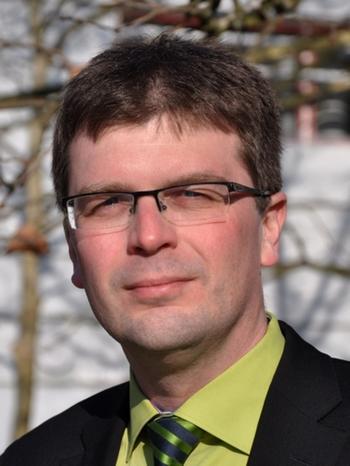
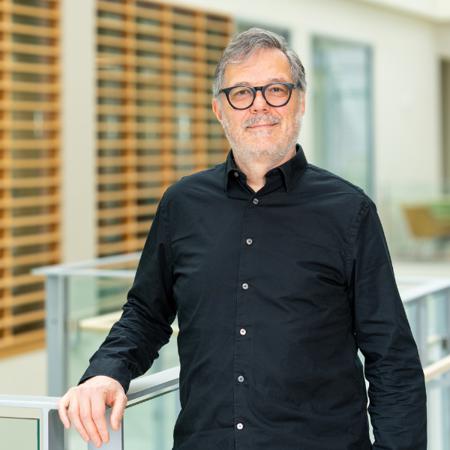
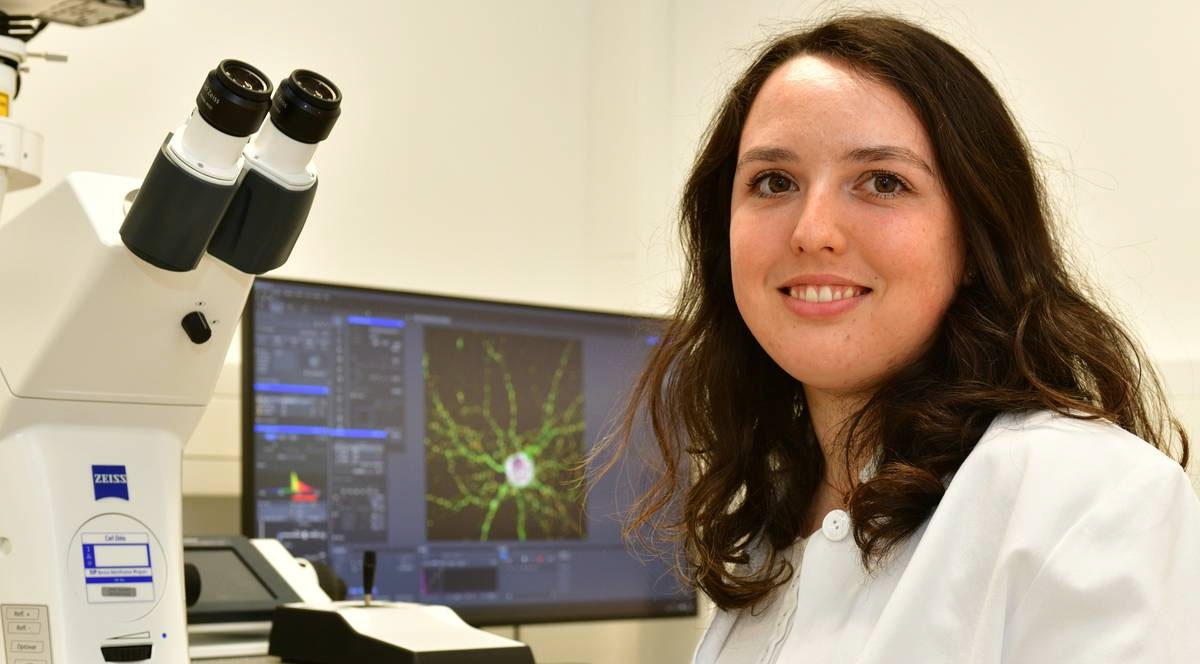
Prof. Dr. Mathias Christmann is a faculty member at the Institute of Chemistry and Biochemistry, Freie Universität Berlin , leading the research group in Organic Chemistry . His work focuses on strategic and methodological challenges in synthetic chemistry, particularly in total synthesis, organocatalysis, and renewable resource transformations. Position: Professor Contact: mathias.christmann@fu-berlin.de Location: Takustr. 3, Room 24.16, 14195 Berlin Research Interests include: Natural product-inspired small molecule synthesis for biological pathway modulation Minimizing C-C bond formations through selective functionalization of terpene building blocks Organocatalytic and metal-catalyzed reactions in multistep sequences Flow chemistry applications for scalable and sustainable synthesis Biological evaluation of TRPC channel agonists/antagonists for cancer therapy Publication Trends highlight expertise in total synthesis of complex terpenoids, organocatalysis for stereocontrolled reactions, flow chemistry for late-stage transformations, and TRPC4/5 channel modulation in renal cancer studies. His group pioneers asymmetric desymmetrization , photo-oxidation protocols , and electrosynthesis methods with minimal reagent waste. Advisees include PhD candidates Jan-Hendrik Dickoff , Mayar Elbendary , Nadine Kreidt , Tobias Olbrisch , Kamar Shakeri , and Zhen Wang , focusing on terpene-based drug discovery and catalytic reaction design.
Maud Frieden is an Associate Professor at the Department of Cell Physiology and Metabolism, University of Geneva. Her lab focuses on skeletal muscle regeneration mechanisms using human stem cell models. Key research areas include muscle satellite cell activation, calcium signaling pathways, and the molecular basis of muscle diseases like myopathies. Research Interests: Frieden’s work investigates how muscle stem cells (satellite cells) repair damaged muscle tissue. Recent projects explore store-operated calcium entry (SOCE) pathways in muscle differentiation and the role of mitochondrial dysfunction in muscle atrophy. Advanced in vitro models are used to study human myotube maturation and disease mechanisms. Lab Team: Current members include PhD students Jessica Brunetti and Julie Perroud, postdoc Axel Tollance, and lab technician Olivier Dupont. The team collaborates with experts in proteomics (e.g., Eckhardt et al., 2023) and cardiac physiology (Rusiecka et al., 2023). Publications: Recent work highlights ER stress-IRE1 interactions in muscle regeneration (Carreras Sureda et al., 2023) and TRPC channel roles in myogenesis (Antigny et al., 2013-2022). Over 30 peer-reviewed articles span muscle biology, calcium signaling, and stem cell research.
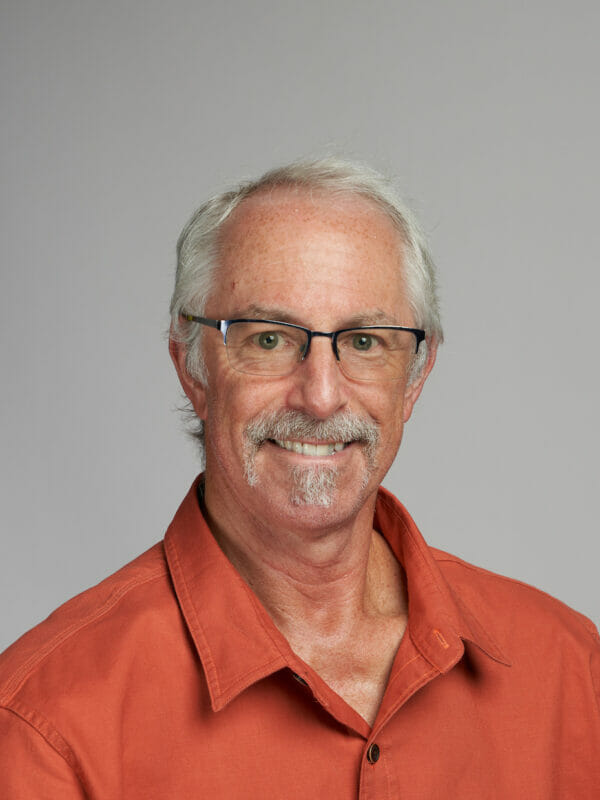
Ed Wagner, PhD Ed Wagner is a Professor of Physiology at the College of Osteopathic Medicine of the Pacific (COMP) at Western University of Health Sciences. He joined the institution in 2001 and has held roles including Director of the MSBS Program since 2018. His academic career spans over three decades, with postdoctoral training at Oregon Health Sciences University and faculty appointments in Pharmacology, Neuroscience, and Physiology. Education Dual Ph.D. in Pharmacology & Toxicology/Neuroscience, Michigan State University (1994) B.S. in Psychobiology, UCLA (1986) Orange Coast College (1983) Research Focus Wagner’s work centers on sex differences in cannabinoid regulation of energy homeostasis and gonadal steroid modulation of hypothalamic circuits. Key areas include: Cannabinoid effects on feeding behavior Sex-specific responses to CB1 receptor agonists/antagonists Estrogen’s role in attenuating cannabinoid-induced effects Neuroendocrine control of energy balance via POMC and SF-1 neurons His lab employs optogenetic, chemogenetic, and molecular approaches, with NIH funding since 2017. Awards & Recognition Provost’s Distinguished Scholar Award (2018) WesternU College of Osteopathic Medicine Distinguished Faculty Award (2015) Invited speaker at conferences including the International Congress on Steroids and the Nervous System (multiple years) Grants & Funding NIH R15 Grant (2017–2020): Investigating sex differences in cannabinoid regulation of energy homeostasis. Prior grants include NIDA K01 and NICHD R01 support. Labs & Collaborations Leads a research group focusing on neuroendocrine mechanisms, collaborating with institutions like UCLA and University of North Texas. Active in mentoring students in the MSBS Program.
Dr. Slava Ziegler is a Project Group Leader at the Department of Chemical Biology , Max Planck Institute of Molecular Physiology in Dortmund, Germany. His research focuses on identifying bioactive small molecules and elucidating their molecular targets and mechanisms of action through chemical proteomics, biochemical, biophysical and genetic approaches. Academic Appointments : Project Group Leader, Chemical Biology (2016-present) Education : Diploma in Biochemistry (Ruhr University Bochum), PhD in Biochemistry (MPI & Ruhr University), Postdoc at University Hospital Düsseldorf Research Interests center on: Phenotypic screening using Cell Painting assays Target identification for bioactive compounds Proteome and lipidome profiling Developmental signaling pathway inhibition Glucose transporter and glutaminase targeting Chemical genetics in cancer metabolism Notable Contributions include developing high-throughput screening workflows, discovering novel Hedgehog and TRPC inhibitors, and creating chemical probes for: Dihydroorotate Dehydrogenase RHOGDI PI4KIIIß IDO1 TAF1 Bromodomain 5-Lipoxygenase Collaborations with researchers across Europe and Japan have yielded significant insights into: Autophagy regulation Lysosomal membrane repair Microtubule destabilization Proteasome inhibition Neutrophil extracellular traps Embryonic stem cell reprogramming Contact : slava.ziegler@mpi-dortmund.mpg.de | +49 231 133-2424
Professor Andrew Moorhouse serves as Professor of Physiology and Horizons Professor of Medical Sciences (Education Focused) at the School of Medical Sciences within the Faculty of Medicine and Health at the University of Sydney. His dual appointment reflects his significant contributions to both neuroscience research and physiology education. With an active research program spanning over two decades, Professor Moorhouse maintains strong international collaborations, particularly with Japanese research institutions as evidenced by his extensive publication record. Professor Moorhouse's research interests center on cellular and molecular neuroscience with particular emphasis on microglia-neuron interactions, ion channel physiology, and neural plasticity mechanisms. His work investigates how microglia modulate synaptic function, how astrocytes influence pain pathways, and the role of chloride transporters like KCC2 in neural circuit function. More recently, he has made substantial contributions to physiology education reform in Australia, leading multiple projects to establish consensus on core physiological concepts through the Delphi method. Analysis of his publication trends reveals a clear evolution from fundamental neuroscience research toward integrated approaches combining cellular mechanisms with systems-level physiology and educational frameworks. While his earlier work (2003-2015) focused primarily on ion channel biophysics and receptor physiology, his recent publications (2019-2024) demonstrate expanding interests in neural circuit function, pain mechanisms, and physiology education. His research consistently appears in high-impact journals including Nature Communications, Science Advances, and Journal of Neuroscience. Professor Moorhouse has been actively involved in physiology education reform in Australia, contributing to multiple collaborative papers on core concepts in physiology education. His work with Australian colleagues has systematically unpacked and validated fundamental physiological concepts including homeostasis, integration, cell-cell communication, and the structure-function relationship across various physiological systems. His research program demonstrates significant collaborative activity with both Australian and international colleagues, particularly from Japan. While specific grant information isn't provided in the available text, his extensive publication record across multiple high-impact journals suggests sustained research funding. Professor Moorhouse appears to work within a neuroscience research group focusing on glial cell function, neural plasticity, and pain mechanisms, with strong connections to both Australian physiology education networks and Japanese neuroscience laboratories.
Jonathan Soboloff is a Professor in the Division of Genetic, Environmental and Inhalational Disease at the University of Kansas School of Medicine . His research focuses on Ca²⁺ signaling mechanisms with implications in immunology, cancer, and bone physiology. Education : BSc in Pre-Health Professions, University of Waterloo PhD in Physiology, University of Ottawa Postdoctoral Fellowships in Immunology and Pathobiology at University of Toronto Postdoctoral Fellowship in Biochemistry, University of Maryland Research interests center on the STIM/Orai calcium signaling system , investigating its roles in T cell activation, invasive melanoma, bone density regulation, and cystic fibrosis. His lab has established collaborations with Exesalibero Pharma LLC for translational studies in osteoclastogenesis. Key publications from 2019-2025 cover topics in immunological Ca²⁺ regulation , melanoma progression , arthritis-related bone erosion , and cystic fibrosis pathophysiology . Current work explores modulating TRPC channels and ANO6 in disease contexts. Current funding is provided by NIH . The lab actively recruits PhD students and postdoctoral fellows for projects in calcium signaling and associated pathologies.
Hussein Rubaiy is a Senior Lecturer at the Karolinska Institute , affiliated with the Department of Laboratory Medicine . His research focuses on ion channels and their roles in pharmacology, particularly in cardiovascular diseases, diabetes, and cancer therapy. Pharmacology (Swedish standard field) Toxicology (Swedish standard field) TRPC Channels ORAI Channels ATP-sensitive Potassium Channels Recent publications highlight his work on TRPC1/4/5 and ORAI channels, including the development of pharmacological tools like Pico145 and Tonantzitlolone. His studies explore allosteric regulation in K ATP channels and the therapeutic potential of targeting ion channels in disease contexts. He contributes to clinical pharmacology through investigations into geriatric drug prescriptions and diabetes drug utilization trends in Sweden.
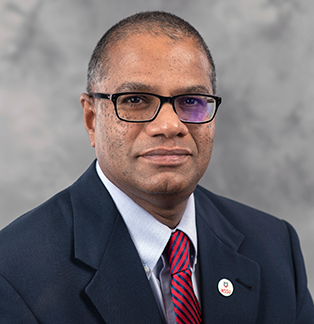
Manju Bhat is the Dean of the College of Arts, Sciences, Business and Education (CASBE) at Winston-Salem State University (WSSU). He holds the titles of Hanes Distinguished Professor of the Humanities and Associate Professor of Physiology in the Department of Biological Sciences. Previously, he served as Chair and Co-Chair of the Department of Biological Sciences. Bhat earned his Ph.D. in Physiology and Biophysics from Case Western Reserve University (1997), with prior degrees including a BVSc (Veterinary Medicine) from the University of Agricultural Sciences, Bangalore (1986), and an MSc in Pharmacology from the University of Alberta (1993). His research focuses on calcium signaling mechanisms in sensory neurons, anesthetic-mediated regulation of pain pathways, and the application of data analytics to improve student retention. He teaches undergraduate courses in Anatomy & Physiology and has led initiatives in STEM education and student success, including roles in grant-writing workshops and curriculum development. Bhat has received teaching awards from WSSU (2010-2011) and the UNC Board of Governors (2015-2016). Key research contributions include studies on ryanodine receptors, TRPV1 channels, and propofol-induced pain mechanisms. His work has been supported by grants from the Department of Defense, American Heart Association, and NIH. Bhat has mentored numerous undergraduate and graduate students, with over 30 co-authored publications in journals like the Journal of Biological Chemistry and American Journal of Physiology. His lab is affiliated with the Piedmont Triad Community Research Center. Professional service includes roles on IACUC, faculty search committees, and advisory boards for programs like Occupational Therapy and the Center for Innovative and Transformative Instruction (CITI). He has presented at national and international conferences, including the Gordon Research Conference on Excitation-Contraction Coupling and the Annual Meeting of the Biophysical Society.
Prof. Dr. Albrecht Schwab is a faculty member at the Institute of Physiology II , affiliated with the Medical Faculty of Münster University . He leads the Cell Migration Group , focusing on the role of ion channels and ion transporters in tumor and immune cell migration. Key research areas include calcium signaling , pH regulation , and mechanosensitivity in cancer progression and neutrophil function. Department: Institute of Physiology II University: University of Münster Research Networks: Cells in Motion, pHioniC (2018-2023), IonTraC (2011-2015) His work investigates how ion transport proteins like KCa3.1 , TRP channels , and the Na+/H+ exchanger (NHE1) drive cancer metastasis and immune cell chemotaxis. Projects include mechanosignaling in pancreatic stellate cells, TRP channel roles in neutrophil activation, and epigenetic dysregulation of ion channels in lung cancer. Techniques employed include time-lapse videomicroscopy , live-cell fluorescence , and atomic force microscopy . Articles highlight trends in ion channel imaging (PET/fluorescent probes), mechanotransduction in fibrosis, and calcium/pH signaling in melanoma and pancreatic cancer. The lab collaborates with technical staff (Ilka Neumann, Sarah Sargin, Sandra Schimmelpfennig) and participates in European research consortia.
Lucas Pozzo-Miller is a Professor at Michigan State University, affiliated with the Neuroscience Program, BioMolecular Science Gateway, Cell & Molecular Biology Program, and Genetics & Genome Sciences Program. His research centers on neurodevelopmental disorders, synaptic plasticity, and molecular neuroscience, with a specialized focus on Rett syndrome pathophysiology and therapeutic interventions. Research interests span multiple domains: Neurodevelopmental Disorders : Mechanisms of Rett syndrome (MECP2 dysfunction), autism spectrum disorders, and dendritic spine pathologies. Synaptic Plasticity : BDNF/TrkB signaling, glutamate receptor trafficking, and structural remodeling of dendritic spines in learning/memory contexts. Molecular Neuroscience : Epigenetic regulation, ion channel dynamics (e.g., TRPC, ASIC1a), and kinase signaling pathways (PKA, ERK) in neuronal function. His recent publications (2020-2025) predominantly investigate Rett syndrome models, emphasizing: (1) MeCP2 gene rescue strategies, (2) dendritic spine restoration via TrkB ligands, (3) hippocampal/cortical circuit dysfunction, and (4) novel therapeutic targets. No awards, grants, or student advisees are documented in available sources.
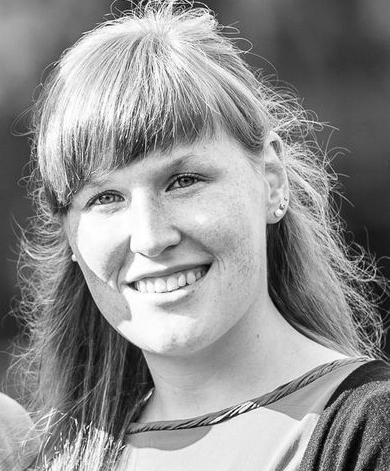
Dr. Claudia C Bauer serves as a Research Fellow in Molecular Biology and Pharmacology at the School of Medicine, University of Leeds, within the Faculty of Medicine and Health. She currently leads British Heart Foundation-funded research on TRP channel small molecule binding sites under Dr. Robin Bon's supervision. Her academic credentials include: PhD in Neuroscience from the University of Leeds (2011) BSc (Hons.) First-Class Neuroscience from the University of Leeds (2006) Dr. Bauer specializes in TRPC channel modulation mechanisms using molecular cloning, high-throughput calcium imaging, and photoaffinity labeling techniques. Her work bridges vascular biology and diabetes research, examining how small molecules influence cation-permeable channels in physiological and pathological contexts. This research has significant implications for understanding endothelial dysfunction in metabolic disorders. She maintains active collaborations across institutions including the University of Reading and multiple Leeds research groups. As a member of the Leeds Institute of Cardiovascular and Metabolic Medicine (LICAMM), she contributes to interdisciplinary cardiovascular research initiatives. Her British Heart Foundation grant supports ongoing investigations into TRP channel pharmacology, building on prior work with Prof. Chris Peers (Leeds) and Dr. Alister McNeish (Reading).
Jin Kim is a Postdoctoral Research Associate at the D’Amore-McKim School of Business , focusing on Judgment and Decision Making , Consumer Psychology , and the Impact of Artificial Intelligence on Human Behavior . Education: Ph.D. in Marketing (Yale School of Management) M.S. in Business Administration (Seoul National University) B.A. in Economics (UC Berkeley) His research investigates how artificial intelligence influences human judgments and decisions, particularly in distributional outcomes. Additionally, his work spans molecular biology and neuroscience, with studies on C. elegans neuroendocrine signaling, sensory-motor coordination, and longevity modulation. Recent publications include interdisciplinary advancements in AI-driven decision-making (PNAS, Journal of Consumer Psychology) and foundational discoveries in neurobiology and genetic signaling (Google Scholar articles). These works highlight his expertise in bridging computational methods with biological systems.
Prof. Dr. Dieter Bruns leads the Molecular Neurophysiology research group at the University of Saarland's Faculty of Medicine. His work focuses on deciphering molecular mechanisms in neuron-glia communication, TRPC channel function, and synaptic plasticity regulation through SNARE proteins and calcium signaling. Key techniques: membrane capacitance measurements, carbon fiber amperometry, STED microscopy, genetically-deficient mouse models Major discoveries: TRPC channel roles in synaptic plasticity, astrocytic release pathways, SNARE complex regulation His laboratory has produced significant publications in Neuron , Elife , and Nature Neuroscience . Scientific accolades include DPG's Paper of the Month (2022) and student awards like Pagliarello-Studienpreis. Current funding comes from SFB 1027, SPP 1757, and Transregio SFB 152 grants. Lab members include PhD researchers Deep Shikha, Nana-Oye Awuku, and technical staff Marina Roter. Collaborations span institutions in Magdeburg, Freiburg, and USA-based groups.
Dr. Chen Yan is an Assistant Professor in the Department of Medicine at the University of Rochester School of Medicine and Dentistry, with a research focus at the Aab Cardiovascular Research Institute. Her work centers on understanding the molecular mechanisms of cardiovascular diseases, particularly through the lens of cyclic nucleotide signaling and phosphodiesterase function. Education: Bachelor of Science in Biochemistry, Fudan University, 1983 Master's degree in Human/Medical Genetics, Fudan University, 1983 Ph.D. in Molecular Pharmacology, University of Washington, Seattle, 1996 Postdoctoral training in Molecular Cardiology, University of Washington, 1997-1998 Dr. Yan's research primarily investigates the regulation and function of cyclic nucleotide phosphodiesterases in the cardiovascular system. Her work explores how second messenger cyclic nucleotides (cAMP and cGMP) regulate various signaling pathways that control vascular tone, smooth muscle cell growth, and cardiac muscle contractility. She focuses on understanding the complex roles of over 50 individual phosphodiesterases belonging to 11 different families, particularly in cardiovascular diseases such as hypertension, atherosclerosis, heart failure, and cardiovascular inflammatory diseases. Her research combines molecular, cellular, and in vivo approaches to identify potential therapeutic targets for tissue-specific interventions in cardiovascular conditions. Analysis of Dr. Yan's recent publications reveals a strong focus on phosphodiesterase function in cardiac remodeling, inflammation, and vascular biology. Her work demonstrates expertise in molecular signaling pathways, particularly those involving cyclic nucleotides, and shows growing interest in the therapeutic potential of targeting specific phosphodiesterase isoforms. The research spans from basic molecular mechanisms to translational applications, with particular emphasis on vinpocetine and other compounds that modulate phosphodiesterase activity. Scientific Awards: American Heart Association Established Investigator Award (2007-2011) NIH Postdoctoral Fellowship (1997-1998) Fellowship for Advanced Predoctoral Training in Pharmacology/Toxicology of Pharmaceutical Research & Manufactures of America Foundation (1994-1996) Shanghai City Honor (Sanhao) Student (top 0.1% students, three consecutive years, 1979-1982) Honor (Sanhao) Student of Fudan University (top 2% students, three consecutive years, 1979-1982) Dr. Yan has established a productive research program focused on cardiovascular molecular mechanisms, with consistent funding supporting her investigations into phosphodiesterase function and regulation. Her laboratory has made significant contributions to understanding how cyclic nucleotide signaling is regulated in cardiovascular pathologies, with potential implications for developing more targeted therapeutic approaches. While specific information about graduate students she has mentored is not provided in the available materials, her extensive publication record suggests active involvement in training the next generation of cardiovascular researchers. Dr. Yan's research is conducted through the Aab Cardiovascular Research Institute at the University of Rochester, where she has access to state-of-the-art facilities for molecular, cellular, and physiological studies. Her work often involves collaborations with other researchers at the university and beyond, as evidenced by the co-authorship patterns in her publications. The research environment supports both basic science investigations and translational studies aimed at bridging the gap between molecular discoveries and potential clinical applications.
Werner J. Geldenhuys is an Adjunct Associate Professor in the Department of Chemistry at West Virginia University, with a joint appointment in Pharmaceutical Sciences. He holds a Ph.D. in Medicinal Chemistry from North-West University. His research focuses on drug discovery targeting neurodegenerative diseases, particularly Parkinson's disease and Alzheimer's disease, with an emphasis on mitochondrial protein mitoNEET as a therapeutic target. His group explores both small organic compounds and peptide-based drugs, along with nanoparticle delivery systems to bypass the blood-brain barrier. Key research areas include mitochondrial dysfunction, stroke pathophysiology, and development of therapies for neurodegenerative disorders. He has published extensively on drug permeation mechanisms, calcium channel blockers, and biomarker identification. His work bridges medicinal chemistry with translational neuroscience, addressing challenges in drug delivery and neuroprotection. Recent studies highlight investigations into TRPC channel modulation for arthritis treatment and oxidative stress targeting in endometriosis. Collaborative projects include preclinical drug evaluations and mechanistic studies on xanthine oxidase roles in hemolytic crises. His research is supported through interdisciplinary approaches involving pharmacology, biochemistry, and nanotechnology.