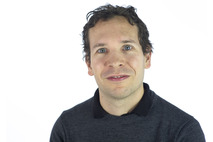
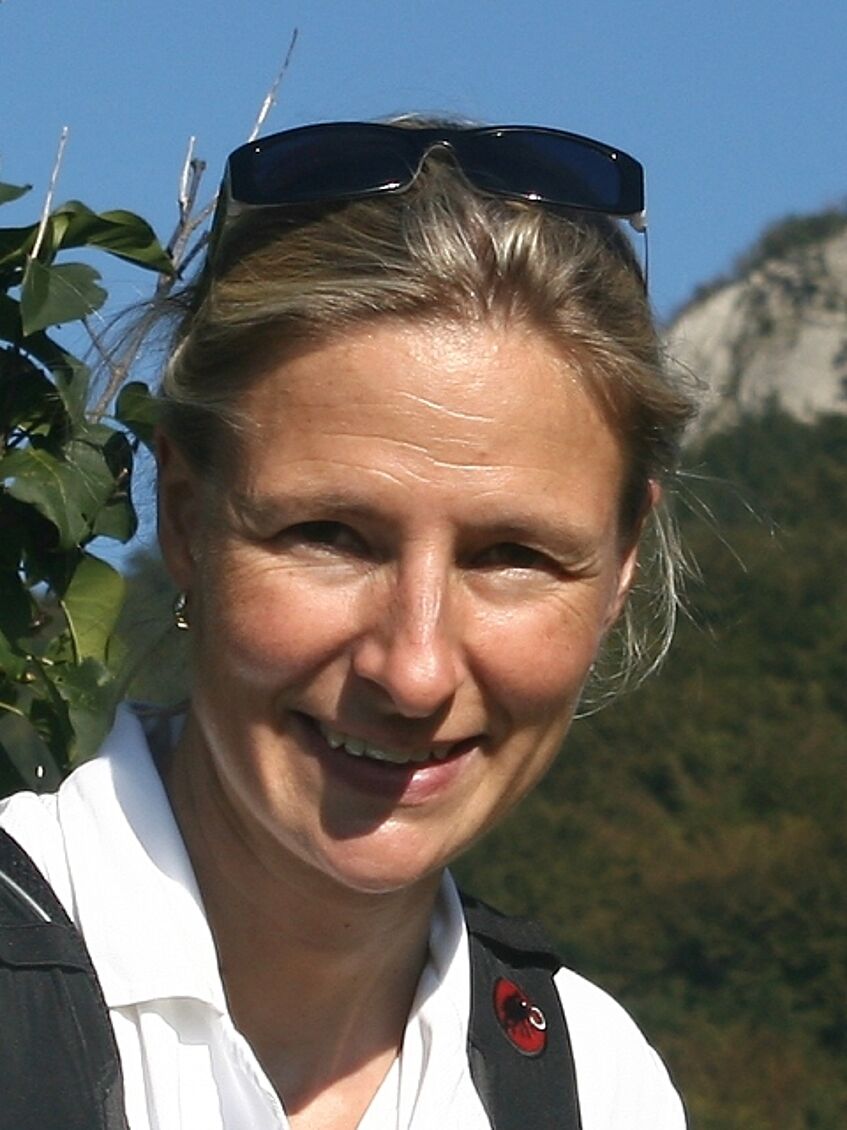
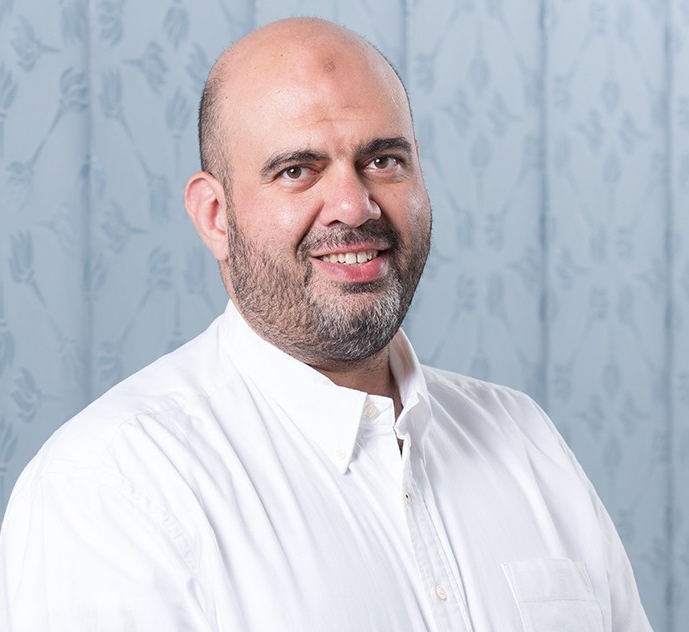
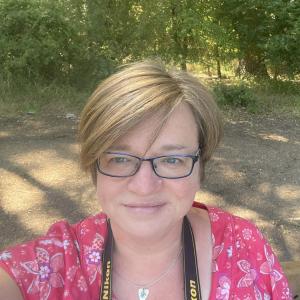
Dr. Daniel Keeser is a Research Fellow and Research Group Leader at the Department of Psychiatry and Psychotherapy of the University of Munich (LMU) and affiliated with the NeuroImaging Core Unit Munich (NICUM). His work focuses on clinical deep phenotyping and multimodal neuroimaging, integrating advanced MRI, EEG, and non-invasive brain stimulation methods to study severe mental and neurological disorders. Research Interests: Elucidating neurobiological mechanisms of schizophrenia, major depressive disorder, and Alzheimer's disease through multimodal neuroimaging and neuromodulation. His recent publications highlight methodologies like resting-state fMRI, diffusion tensor imaging, and transcranial magnetic stimulation combined with MRI, emphasizing personalized treatment strategies. Collaborative affiliations include the University Hospital of LMU Munich and the Clinical Deep Phenotyping (CDP) Working Group. Affiliations: NeuroImaging Core Unit Munich (NICUM) Department of Psychiatry and Psychotherapy, University of Munich (LMU)
Prof. Dr. Norbert Sewald, Chair of Organic and Bioorganic Chemistry at Bielefeld University, is a leading figure in Bioorganic Chemistry , Chemical Biology , and Enzymatic Halogenation . As head of the Organic and Bioorganic Chemistry Group at the Center for Biotechnology (CeBiTec), he drives research on natural products and drug conjugates. Full Professor, Bielefeld University (since 1999) Founding Coordinator, International Graduate School of Chemistry and Biochemistry (2001-2003) Chairman, Institute of Biochemistry and Bioengineering at CeBiTec (2006-2008) Dean, Department of Chemistry (2008-2011) Chairman, Max-Bergmann-Kreis e.V. (since 2010) Coordinator, Marie Skłodowska-Curie Training Networks (MAGICBULLET, 2015-2018; Magicbullet::reloaded, 2020-2023) His research focuses on halogenases for mild peptide bromination, cryptophycin-based tumor targeting , and bioactive natural products from African flora. Collaborative projects span antiplasmodial agents , antibacterial compounds , and neurodegenerative disease inhibitors . Recent work highlights include: Enzymatic halogenation cascades Click-to-release drug conjugates Fluorescent probes for amyloid detection Key affiliations: Faculty of Chemistry Center for Biotechnology (CeBiTec) European Peptide Society (Scientific Affairs Officer, 2016-) Leibniz Institute of Plant Biochemistry (Scientific Advisory Board, 2010-2017)
Nick Gys is a Research Fellow in the Department of Materials and Chemistry at Vrije Universiteit Brussel (VUB), Brussels, Belgium, specializing in surface modification of materials and sustainable engineering applications. His work bridges experimental and computational approaches to address challenges in materials science and environmental remediation. Dr. Gys's research centers on the surface chemistry of metal oxides, particularly titanium dioxide functionalized with organophosphonic acids. He investigates how molecular parameters like chain length and pH influence binding modes, photooxidation stability, and metal recovery efficiency. His methodology integrates spectroscopic techniques (XPS, IR, EPR) with density functional theory (DFT) simulations to elucidate structure-property relationships at molecular interfaces. Key application areas include selective palladium recovery from industrial waste streams and designing photo-stable functional coatings. His 2022-2023 publications reveal a cohesive research trajectory focused on organophosphonate-grafted surfaces, with increasing emphasis on computational validation of experimental findings. The work demonstrates how molecular engineering of surface modifiers directly impacts performance in environmental applications, particularly in metal adsorption and photochemical degradation processes. No scientific awards were documented in the source material. Collaborative Framework: Works within VUB's Materials and Chemistry research ecosystem alongside Prof. Meynen, Prof. Adriaensens, and Prof. Hauffman Project Scope: Leads interdisciplinary efforts in sustainable materials engineering, including TiO 2 functionalization for metal recovery and photooxidation studies Dr. Gys operates within VUB's Sustainable Materials Engineering initiative, contributing to laboratory-based experimental work and computational modeling teams focused on advancing surface modification technologies for circular economy applications.
Sabine Glasl-Tazreiter is a Lecturer at the University of Vienna's Faculty of Life Sciences , specifically within the Department of Pharmaceutical Sciences and its Division of Pharmacognosy . Her office is located in room 2E 412 on the 4th floor at Josef-Holaubek-Platz 2, Vienna, Austria (1090). Contact details include telephone number +43-1-4277-55207 and email sabine.glasl@univie.ac.at . Principal research focus: Phytochemistry & Biodiscovery Specialization: Secondary metabolites from ethnomedicinally used plants across Europe, Mongolia, and Latin America Key techniques: Isolation of bioactive compounds, structural elucidation, pharmacological evaluation Quality control expertise: Macroscopic/microscopic identification, chemical analytics Recent publications highlight her work in: 2024 - Development of the VOLKSMED Database for Austrian folk medicine wound healing plants 2025 - Advanced mucociliary clearance research in respiratory systems 2023 - Innovations in optoacoustic imaging technology 2019 - Structure-function analysis of phycobiliproteins for medical imaging 2017 - Phytochemical characterization of Latin American antidiabetic plants
Dr. Neashan Mathavan is a Lecturer in the Department of Health Sciences and Technology at ETH Zürich, affiliated with the Institut für Biomechanik . His research focuses on musculoskeletal biomechanics, aging-related bone deterioration, and spatial omics approaches to study fracture healing and mechanoregulation. He has pioneered work on mouse models of premature aging (e.g., PolgA mice) to investigate sex-specific mechanisms of bone regeneration and frailty. Key areas include spatial transcriptomics, osteocyte function, and the role of mechanical loading in musculoskeletal repair. Dr. Mathavan’s research integrates advanced imaging techniques (e.g., spatial μProBe, super-resolution spatial transcriptomics) with biomechanical testing to elucidate molecular and structural changes in aging bones. His recent studies emphasize the interplay between mechanical signals and molecular pathways in bone regeneration, particularly in contexts like osteoporosis and osteoarthritis. He has also developed novel osteochondral explant models to study cartilage-bone crosstalk in osteoarthritis. His publications span 2009–2025, with a focus on translational studies linking mechanobiology to clinical outcomes. Notable contributions include investigating the efficacy of BMP-7 and zoledronate therapies in bone regeneration, as well as the role of IL-1β in osteochondral tissues. His work has implications for personalized therapies targeting musculoskeletal aging and degenerative diseases. Dr. Mathavan supervises PhD students like Riyin Tay, who explored palliative care for advanced dementia patients. He collaborates on grants involving biomechanical modeling, spatial omics, and transgenic mouse models. His laboratory at ETH Zürich’s Institut für Biomechanik is equipped for advanced imaging, mechanical testing, and molecular biology.
Tao Huan is an Associate Professor in the Department of Chemistry , University of British Columbia , and holds the Canada Research Chair in Metabolomics and Exposomics . His research focuses on advancing mass spectrometry (MS) for metabolomics , integrating bioinformatics to address challenges in cancer metabolism , disease biomarker discovery , and exposome characterization . Education: Ph.D. in Analytical Chemistry (University of Alberta, 2015), Postdoctoral Research Associate (The Scripps Research Institute, 2015-2018). Dr. Huan’s work emphasizes systems biology , combining metabolomics with genomics and proteomics to decode complex biological mechanisms. He has pioneered methods for chemical isotope labeling and multimodal data integration , enhancing metabolite identification and pathway analysis. His recent publications (2020-2019) highlight innovations in LC-MS/MS workflows , freeze-thaw sample stability , and applications in colorectal cancer and Alzheimer’s disease . Dr. Huan’s lab actively recruits students and postdocs in analytical chemistry, metabolomics, and bioinformatics. Awards: Fred Beamish Award (2025), President’s Award, Metabolomics Society (2025), UBC Killam Faculty Research Award (2024), Michael Smith Health Research BC Scholar Award (2023). He serves as a faculty member in UBC’s Graduate Program in Bioinformatics , Genome Science and Technology , and the Cluster for Microplastics, Health and Environment . Lab alumni include Ph.D. and M.Sc. students now in academia and industry.
Apurba Dutta is an Associate Professor and Interim Chair in the Department of Medicinal Chemistry at the University of Kansas School of Pharmacy. His research focuses on asymmetric synthesis of bioactive molecules, development of synthetic methodologies, and natural product-based drug discovery. He holds a Ph.D. in Chemistry from North-Eastern Hill University (1989) and completed postdoctoral research at the University of Kansas (1994) and a Humboldt Fellowship at the University of Konstanz (1992). Research Overview : Dr. Dutta’s work includes total synthesis of antifungal peptidyl nucleosides (e.g., polyoxins, nikkomycins), proteasome inhibitors like salinosporamide A, and cytotoxic marine natural products. He also explores combinatorial libraries of biomimetic compounds (nucleosides, azacarbohydrates) for high-throughput screening. Key Projects : His lab investigates antifungal agents targeting chitin synthase, endotoxin sequestration for septic shock, and proteasome inhibition for cancer therapy. Notable contributions include synthetic routes to Jaspine B and structural studies of polyoxamic acid. Publications : Recent work includes stereoselective iminosugar synthesis (2025), SAR analyses of lipopeptides (2010), and neurochemical studies of enantiomers (2016). Over 100 publications span medicinal chemistry, organic synthesis, and drug discovery. Awards & Recognition : While no specific awards are listed, his contributions to antibiotic design and synthetic methodology reflect sustained excellence in the field. Current Activity : Not currently accepting students/postdoctoral fellows, but actively engaged in grant-funded research projects focused on antifungal agents and combinatorial chemistry.
Professor Masashi Okubo at Waseda University's School of Advanced Science and Engineering specializes in electrochemistry and energy materials development. With cross-appointments at Kyoto University and the Advanced Collaborative Research Organization for SmartSociety, his work focuses on sustainable battery systems including aqueous proton batteries, MXene-based electrodes, and oxygen-redox chemistry. His research bridges fundamental materials science with practical energy storage applications through combined experimental-theoretical approaches. Education : Ph.D. in Basic Science (2005) and M.Sc./B.Sc. in Basic Science from The University of Tokyo Research Strengths : Solid-state ionics and intercalation chemistry MXene electrode engineering Oxygen-redox reaction mechanisms High-rate energy storage systems Hydrate-melt electrolyte optimization Scientific Contributions include: Discovering near-zero-volume-phase battery materials Developing distortion-relieving voids in host structures Elucidating multiorbital bond formation in oxygen-redox reactions Advancing aqueous redox-flow battery catholyte design Prominent Awards : Waseda Research Award (2021) ACS Reviewer Excellence Award (2018) Ministry of Education Young Scientist Award (2017) Multiple Young Investigator Awards (2016)
Zhefeng Guo is an Associate Professor in the Department of Neurology at UCLA School of Medicine, specializing in structural biology and biochemistry of amyloid-related neurodegenerative diseases. His research focuses on understanding the structural mechanisms of amyloid fibril formation in Alzheimer's, Parkinson's, and prion diseases. Structural characterization of amyloid fibrils Development of EPR methods for protein dynamics Investigation of aggregation mechanisms and diagnostics The Guo Lab employs advanced techniques like electron paramagnetic resonance (EPR), X-ray crystallography, and protein engineering to elucidate amyloid structures and their pathological transitions. Recent work explores conformational ensembles, fibril polymorphism, and membrane interactions affecting aggregation. Key research trends include amyloid structural heterogeneity, oligomer-fibril dynamics, and molecular mechanisms of neurotoxic aggregates. The lab actively investigates therapeutic strategies targeting amyloid formation through compounds like EGCG.
Dr. Wael M. Rabeh is an Associate Professor of Chemistry at New York University Abu Dhabi (NYUAD), affiliated with the Division of Science. He holds a PhD in Biochemistry from the University of Oklahoma and conducted postdoctoral research at the Structural Genomic Consortium (University of Toronto) and McGill University. His research focuses on protein structure-function relationships, particularly in disease-relevant proteins such as CFTR (cystic fibrosis transmembrane conductance regulator) and human Hexokinase 2, leveraging X-ray crystallography and biophysical techniques. Key areas include cystic fibrosis mechanisms, cancer metabolism, drug discovery, and bioluminescence. Dr. Rabeh’s work has contributed to understanding CFTR misfolding and functional correction, as well as the role of Hexokinase 2 in tumor growth. His lab collaborates internationally (e.g., with McGill University) and has secured funding from institutions like Al Jalila Foundation, Terry Fox Research Foundation, and NYUAD. He teaches courses in biochemistry and structural biology, emphasizing hands-on experimental approaches. Notable research highlights include the discovery of a dual-step correction mechanism for the ∆F508 CFTR mutation and structural studies of antiviral drugs like Tamiflu. His lab’s bioluminescence research aims to elucidate color-producing mechanisms in luciferases. Dr. Rabeh actively contributes to structural biology education through innovative laboratory curricula and public engagement.
Birger Lindberg Møller is a Professor in Plant Biochemistry at the Department of Plant and Environmental Sciences, Faculty of Science, University of Copenhagen. He also serves as Director of the Carlsberg Laboratory (since 2014) and Head of the VILLUM Research Center for Plant Plasticity (since 2013). His research spans plant biochemistry, synthetic biology, and natural products chemistry with applications in sustainable production systems. His educational background includes: M.Sc. (1972) Ph.D. (1975) D.Sc. (1984) D.Sc. h.c. (honoris causa) Professor Møller's research focuses on bio-active natural products , particularly the biosynthesis, transport, storage and degradation of cyanogenic glucosides . His work elucidates how plants communicate with their environment and defend themselves against herbivores, pests and abiotic stresses. A promising application of his lab's research involves engineering microalgae, mosses and plant cells into production units for high value natural products . His engagement in synthetic biology represents a logical extension of his plant research activities, with work targeted towards forming new combinations of membrane proteins for harvesting sunlight energy to synthesize valuable natural products or degrade toxic compounds. Analysis of Professor Møller's recent publications reveals a strong focus on plant specialized metabolism, particularly cyanogenic glucosides and related compounds. His work spans genomics, transcriptomics, metabolomics, and synthetic biology approaches to understand plant defense mechanisms and engineer plants for improved traits. Key themes include sorghum and cassava metabolism, diterpenoid biosynthesis, and the application of synthetic biology for sustainable production of high-value compounds through photosynthetic systems. His notable scientific awards include: Villum Kann Rasmussen Research Prize (2007) - Denmark's largest research award (2.5 mil DKK or 350,000 €) The Academy of Future Research's "The Future Prize" (2004) Societas Physiologia Plantarum Scandinavica "Popularization Prize" (2003) Knight of the Dannebrog (1995) Carlsberg Research Prize Award (1994) Hans Gram Medal from the Royal Danish Academy of Sciences and Letters (1985) Appointed Honorary Doctor at the University of Umeå, Sweden (2009) Professor Møller has served as the main advisor for 43 PhD students (with 8 ongoing in Denmark and 3 in Australia) and numerous BSc and MSc students. He has secured significant research funding throughout his career, including an ERC Advanced Grant (2.5 million €), Villum Foundation grants, and participation in major research centers with multi-million euro budgets. His current funding includes projects related to synthetic biology, plant plasticity, and cyanogenic glucoside metabolism. He leads the Plant Biochemistry Laboratory and is deeply involved with the Center for Synthetic Biology at the University of Copenhagen. His laboratory focuses on understanding plant specialized metabolism and applying this knowledge through synthetic biology approaches to engineer plants and microorganisms for sustainable production of high-value compounds. His team collaborates extensively with international partners across Europe, Australia, and beyond, and he actively promotes cross-disciplinary collaboration to address complex global challenges in energy, sustainability, and medicine.
Lori Passmore is a Research Fellow at the Medical Research Council Laboratory of Molecular Biology (MRC-LMB), part of the University of Cambridge's School of Clinical Medicine. Her work focuses on understanding the molecular mechanisms of multi-protein complexes involved in gene expression regulation and DNA repair. Studied pre-mRNA 3′-end processing via the Cleavage and Polyadenylation Factor (CPF) complex Investigated DNA crosslink repair through the Fanconi Anemia pathway Developed cryo-EM methodologies for structural analysis Her laboratory employs a hybrid approach combining electron cryo-microscopy , X-ray crystallography, biochemical assays, and genetic techniques to elucidate complex architectures and functional dynamics. Notable discoveries include structural insights into the FANCD2-FANCI complex and mechanisms of poly(A) tail length regulation. Current research spans topics such as: 3′-end processing coordination mRNA deadenylation pathways DNA replication stress responses Protein complex assembly principles Lori Passmore's group includes trainees and staff studying these fundamental biological processes. Their work contributes to understanding gene regulation, RNA metabolism, and DNA repair mechanisms critical for preventing diseases like cancer.
Julie Dickson is Professor of Legal Philosophy at the University of Oxford and Fellow of The Queen's College. Her research focuses on methodological questions in jurisprudence, EU legal theory, and the intersection of law with morality and politics. Her work critically examines the nature of legal systems in transnational contexts, particularly the European Union, and develops frameworks for understanding law's normative foundations. Recent publications analyze the relationship between legal philosophy and political theory in supranational governance structures. Recipient of the Alice Tay Book Prize for her methodological treatise 'Elucidating Law' and Oxford's Teaching Excellence Award. Serves on editorial boards of major legal philosophy journals including 'Legal Theory' and 'Law and Philosophy'.
Cornelius Barry is an Associate Professor in the Department of Horticulture at Michigan State University, with affiliations to the Plant Breeding, Genetics and Biotechnology program, AgBioResearch, and the Molecular Plant Sciences Graduate Program. He joined MSU in July 2007 with a 75% research and 25% teaching appointment. Education: PhD and BSc from the University of Nottingham and University College of Wales Current roles: Director of NSF REU Site: Plant Genomics @ MSU His research focuses on the evolution of biochemical diversity within the Solanaceae family , particularly specialized metabolites like terpenoids, flavonoids, and alkaloids. He investigates their roles in plant defense, pollinator attraction, and human applications through genomics, metabolite profiling, and synthetic biology. Recent publications show expertise in alkaloid biosynthesis , trichome chemistry , and metabolic pathway engineering . Key collaborations include teams at Boyce Thompson Institute, Texas A&M, and University of Nottingham. He advises graduate students in Genetics , Biochemistry & Molecular Biology , and Molecular Plant Sciences programs.
Jason Hein is an Associate Professor in the Department of Chemistry at the University of British Columbia's Faculty of Science. His research focuses on the development of automated reaction analysis technology and self-driving laboratories that integrate robotics with synthetic organic chemistry. Dr. Hein leads the Hein Lab, which pioneers innovative solutions for mechanistic organic chemistry, catalytic reaction mechanisms, and chemical manufacturing processes. His research interests center on creating modular robotic tools and integrated analytical hardware for automated reaction profiling, with applications in pharmaceutical manufacturing, battery materials processing, and sustainable chemistry. The lab's work combines advanced robotics, artificial intelligence, and process analytical technology to develop self-optimizing chemical systems that accelerate discovery and improve manufacturing efficiency. Analysis of Hein's recent publications reveals a strong focus on AI-driven laboratory automation, with particular emphasis on crystallization optimization for battery materials, computer vision for process monitoring, and interoperable software systems for self-driving laboratories. His work bridges fundamental mechanistic understanding with practical industrial applications, particularly in lithium extraction from waste brines and pharmaceutical process development. NSERC Postdoctoral Fellowship Dr. Hein's research program includes significant grant funding supporting the development of self-driving laboratory technologies and their application to challenging chemical problems. His lab actively collaborates with industry partners in pharmaceuticals and clean energy sectors to translate fundamental insights into deployable technologies. Current projects focus on battery-grade lithium carbonate production, continuous manufacturing processes, and AI-optimized chemical synthesis. The Hein Lab operates as a multidisciplinary research environment combining expertise in organic chemistry, robotics engineering, computer science, and data analytics to create the next generation of autonomous chemical discovery systems.