معرفی
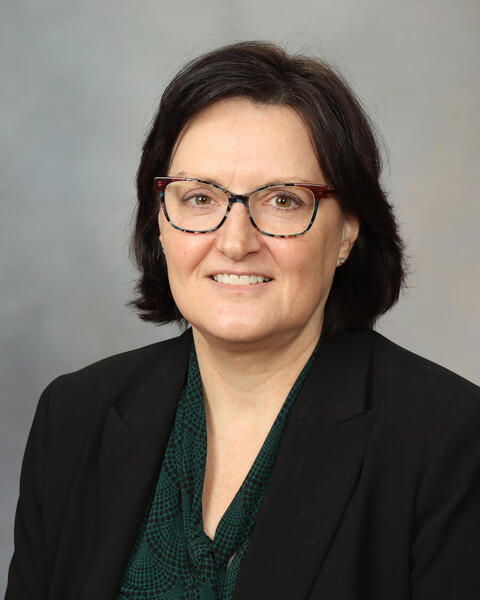
Dr. Neashan Mathavan is a Lecturer in the Department of Health Sciences and Technology at ETH Zürich, affiliated with the Institut für Biomechanik. His research focuses on musculoskeletal biomechanics, aging-related bone deterioration, and spatial omics approaches to study fracture healing and mechanoregulation. He has pioneered work on mouse models of premature aging (e.g., PolgA mice) to investigate sex-specific mechanisms of bone regeneration and frailty. Key areas include spatial transcriptomics, osteocyte function, and the role of mechanical loading in musculoskeletal repair.
Dr. Mathavan’s research integrates advanced imaging techniques (e.g., spatial μProBe, super-resolution spatial transcriptomics) with biomechanical testing to elucidate molecular and structural changes in aging bones. His recent studies emphasize the interplay between mechanical signals and molecular pathways in bone regeneration, particularly in contexts like osteoporosis and osteoarthritis. He has also developed novel osteochondral explant models to study cartilage-bone crosstalk in osteoarthritis.
His publications span 2009–2025, with a focus on translational studies linking mechanobiology to clinical outcomes. Notable contributions include investigating the efficacy of BMP-7 and zoledronate therapies in bone regeneration, as well as the role of IL-1β in osteochondral tissues. His work has implications for personalized therapies targeting musculoskeletal aging and degenerative diseases.
Dr. Mathavan supervises PhD students like Riyin Tay, who explored palliative care for advanced dementia patients. He collaborates on grants involving biomechanical modeling, spatial omics, and transgenic mouse models. His laboratory at ETH Zürich’s Institut für Biomechanik is equipped for advanced imaging, mechanical testing, and molecular biology.