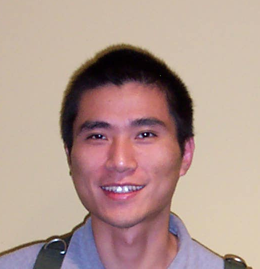
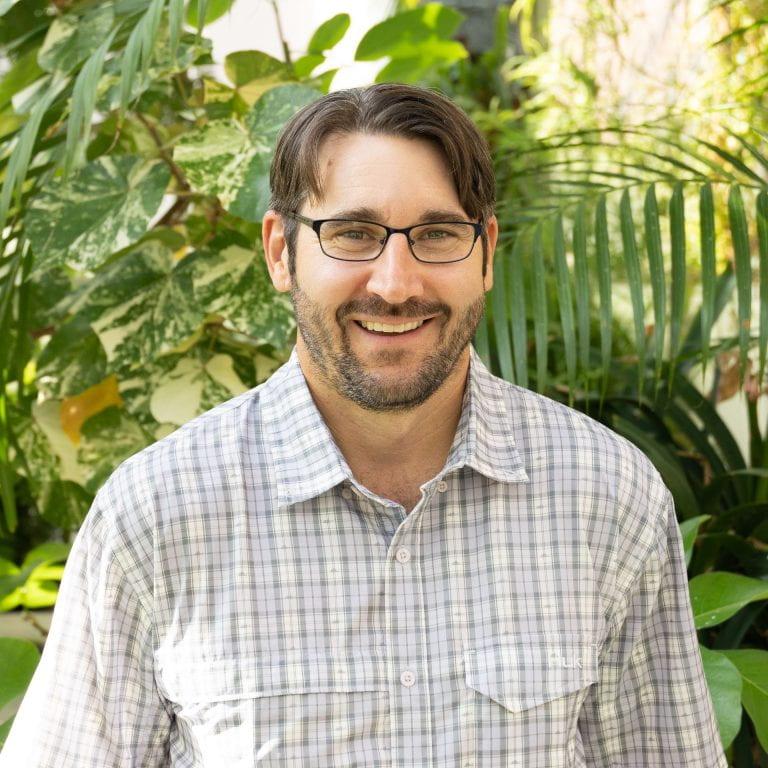
Jian Peng is an Assistant Professor in the Department of Computer Science at the University of Illinois at Urbana-Champaign. His research focuses on computational biology, machine learning, and their applications to protein structure prediction, drug design, and molecular modeling. He has contributed to advancements in antibody engineering, protein-ligand docking, and generative models for biological systems. Key research areas include: Machine Learning for Molecular Modeling Protein Structure Prediction Antibody and Peptide Design Genomics and Single-Cell Analysis Structure-Based Drug Discovery His work emphasizes integrating deep learning techniques with biological datasets to address challenges in precision medicine, drug development, and systems biology. Notable achievements include developing the FastFold system to accelerate AlphaFold training and pioneering flow-based methods for antibody design. Awards include the Overton Prize (2020), recognizing contributions to computational biology. His research has been published in top journals and conferences, spanning topics from protein mutation prediction to geodesic-based immune complex modeling.
Professor Alexander J. Hartemink holds dual appointments in the Department of Computer Science and Department of Biology at Duke University, Trinity College of Arts & Sciences. He is also a Bass Fellow in Computer Science. His research focuses on computational biology, machine learning, and systems biology, with applications to genomics, epigenomics, and transcriptional regulation. Hartemink leads the Duke Office of University Scholars and Fellows and has directed the Computational Biology and Bioinformatics graduate program. He earned a PhD from MIT (2001), MPhil from the University of Oxford (1996), and BS from Duke (1994). Research Interests His work integrates computational methods to study chromatin dynamics, transcriptional networks, and epigenetic mechanisms. Key areas include modeling chromatin accessibility, predicting transcription factor binding, and understanding cell-cycle regulation. Techniques employed include Bayesian networks, dynamic systems modeling, and machine learning algorithms. Publications & Trends Recent work emphasizes single-cell multi-omics integration, chromatin occupancy modeling (RoboCOP framework), and transcriptional regulation in response to genetic perturbations. Themes include epigenetic plasticity, disease-associated enhancers, and systems-level analysis of gene expression. Awards & Grants Hartemink has received the Sloan Research Fellowship (2005) and NSF CAREER Award (2004). Active grants include NIH funding for chromatin-transcription interplay studies and NSF support for regulatory genome research. He collaborates on projects like the Data+ initiative, promoting interdisciplinary data science. Affiliations & Labs Associated with Duke’s Center for Genomic and Computational Biology and Center for Advanced Genomic Technologies. His lab develops computational tools for genomic analysis, including software for chromatin modeling and epigenetic data integration.
Maria Chikina is an Assistant Professor at the University of Pittsburgh School of Medicine's Department of Computational and Systems Biology. She holds a PhD in Molecular Biology from Princeton University. Her research focuses on developing computational methods to analyze large-scale genomic datasets, bridging statistical rigor with biological insights to overcome experimental biases. Key research areas include latent variable modeling (e.g., PLIER, CellCODE), interpretable neural networks for sequence-to-function modeling, evolutionary rate analysis (RERconverge), and applications in tumor immunology, exercise genomics, and infectious disease (e.g., SARS-CoV-2). Her lab has developed tools like InstaPrism, NIFA, and L0 segmentation for data-driven biological discovery. Her work spans collaborations with institutions like UPMC (on tumor microenvironment) and the Molecular Transducers of Physical Activity Consortium (MoTraPAC). Notable projects include analyzing convergent evolution in marine mammals and subterranean species, and developing epigenetic biomarkers for disease states through the ECHO program. Lab members include PhD students (Rezwan Hosseini, Tugrul Balci) and postdocs (Tina Subic, Anish Sevekari). Past students Wynn Meyer now leads a group at Lehigh University. Her group emphasizes open-source tools (GitHub repository ChikinaLab) and interdisciplinary approaches to systems biology challenges.
Ash A. Alizadeh is the Moghadam Family Professor of Medicine, Oncology, and Hematology (by courtesy) at Stanford University, where he serves as leader of the Cancer Genomics Program at Stanford Cancer Institute. He holds multiple academic appointments including Professor in Medicine - Oncology, and membership in Bio-X, the Institute for Stem Cell Biology and Regenerative Medicine, and the Maternal & Child Health Research Institute (MCHRI). Dr. Alizadeh received his BS in Biochemistry from UCLA (1994), MD from Stanford Medical School, and PhD in Biophysics from Stanford. He completed additional training at the National Cancer Institute (NCI), the National Institutes of Health (NIH), and the Howard Hughes Medical Institute (HHMI). His primary research focuses on developing and applying genome technologies and computing (machine learning & data science) to problems in human disease, with special emphasis on cancer detection, classification, monitoring, and tumor immunology. His laboratory pioneers noninvasive cancer genomic techniques including CAPP-Seq, PhasED-Seq, and EPIC-Seq for "liquid biopsies" that analyze circulating nucleic acids for early cancer detection and monitoring therapeutic response. Using machine learning approaches, his group studies how cellular compositional variation impacts cancer behavior and therapeutic response, including anti-tumor immunity. His work spans molecular, cellular, organism and population levels of tumor behavior analysis. Dr. Alizadeh has received numerous prestigious awards including the Scholar Award from the American Society of Hematology (ASH), the Leukemia & Lymphoma Society (LLS), the V-Foundation, as well as awards from the American Red Cross, Damon Runyon Cancer Research Foundation, and Doris Duke Charitable Research Foundation. He is an elected member of the American Society for Clinical Investigation (ASCI) and serves on the Scientific Advisory Board of the Lymphoma Research Foundation (LRF). As an educator and mentor, Dr. Alizadeh advises numerous doctoral students, postdoctoral fellows, and medical scholars. He teaches in the Department of Medicine and Immunology and serves on various admissions panels at Stanford. His laboratory, the Alizadeh Lab, is a hub for interdisciplinary cancer genomics research that combines computational biology, molecular genetics, and clinical oncology to develop novel cancer diagnostics and therapeutics.
J. Christopher Love is the Raymond A. (1921) and Helen E. St. Laurent Professor of Chemical Engineering at MIT, with affiliations to the Koch Institute for Integrative Cancer Research, Broad Institute, and Ragon Institute. He earned a BS in Chemistry from the University of Virginia and a PhD in Physical Chemistry from Harvard University under George Whitesides, followed by postdoctoral work under Hidde Ploegh at Harvard Medical School. His research focuses on single-cell analysis, precision medicine, and biomanufacturing. The Love Lab develops technologies for drug discovery, vaccine development, and equitable biologic medicine production. Notable successes include pioneering single-cell analysis platforms, advancing metastatic cancer diagnostics via liquid biopsies, and engineering yeast-based vaccine manufacturing. Recent articles highlight innovations in liquid biopsy sensitivity, AI-driven ECG diagnostics, and CAR T-cell therapies. Awards include the Keck Young Scholar (2009), Dana Scholar (2009), and Camille Dreyfus Teacher-Scholar. He co-founded OneCyte, HoneyComb, and Sunflower Therapeutics, and advises multiple biotech companies. His lab emphasizes translational research, integrating chemical and biological engineering principles to address global healthcare challenges. Current work explores manufacturability-by-design for vaccines, tumor immunology, and mucosal vaccine delivery systems.
Guizhen Zhao is an Assistant Professor at the University of Houston College of Pharmacy , Department of Pharmacological and Pharmaceutical Sciences. Her research focuses on epigenetic and molecular mechanisms in cardiovascular diseases (CVD), particularly aortic aneurysm, dissection, and atherosclerosis, with a goal to drive drug discovery innovations. Major research areas: Metaboloepigenetic properties of vascular cells, chromatin remodeling, vascular cell crosstalk Methodologies: bulk RNA-seq, single-cell RNA-seq, ChIP-seq, ATAC-seq, spatial transcriptomics, metabolomics Ongoing projects include studying BAF60c-dependent epigenetic modifications in smooth muscle cell biology, BAF60c-mediated iPSC differentiation, BAF60a in endothelial dysfunction, and vascular cell interactions in CVD development. Scientific contributions include 15+ publications on abdominal aortic aneurysm, atherosclerosis, and chromatin remodeling mechanisms, with recent work on adenosine kinase inhibition and KLF11 as therapeutic targets. 2023-25: Career Development Award, American Heart Association 2021-22: Postdoctoral Fellowship, American Heart Association 2019: Young Investigator Award, American Heart Association
Maria Fällman is a Professor at the Department of Molecular Biology at Umeå University, where she also serves as Deputy Head of Department. She is affiliated with Molecular Infection Medicine Sweden (MIMS), a leading research center for molecular infection medicine in Sweden. Dr. Fällman's research focuses on understanding the molecular mechanisms behind bacterial adaptation to different environments, with particular emphasis on Yersinia pseudotuberculosis and Salmonella enterica Typhimurium. Her group investigates gene regulation critical for establishing and maintaining infections, bacterial stress responses, and the molecular mechanisms of the Type Three Secretion System (T3SS). The lab has developed advanced methods for RNA extraction from complex tissue samples and performs in vivo gene expression analyses. Her publication record shows consistent contributions to understanding bacterial pathogenesis, with recent articles in high-impact journals including Nature Communications, Science, and PLOS Pathogens. Her work spans from fundamental molecular mechanisms of bacterial virulence to computational approaches for analyzing pathogen stress responses. A significant contribution is the PATHOgenex database (http://www.pathogenex.org), containing gene expression data of over 30 human pathogens exposed to different stress conditions. Dr. Fällman leads the Maria Fällman Lab, which has made important discoveries including the finding that sub-lethal doses of Yersinia result in persistent infection in mice with reprogramming of bacterial gene expression. Current projects focus on stress response modeling and deciphering heterogeneous populations of infecting bacteria using single-cell RNA-seq.
Dr. Andrew Bassett serves as Head of the Cellular and Gene Editing Research group at the Wellcome Sanger Institute, where he develops cutting-edge genome engineering techniques using human pluripotent stem cells to investigate neurodegenerative diseases including Alzheimer's and Parkinson's. His work focuses on scaling genetic screening approaches and improving CRISPR specificity for modeling complex disease mechanisms. His academic training includes: PhD at the MRC Laboratory of Molecular Biology (MRC-LMB) with Andrew Travers on chromatin remodelling in heterochromatin formation Postdoctoral research with David Baulcombe at the University of Cambridge studying small RNA roles in chromatin modification Additional postdoctoral work with Chris Ponting at the MRC Functional Genomics Unit (MRC-FGU) in Oxford, where he pioneered CRISPR applications in Drosophila Bassett's research program centers on developing advanced genome engineering methodologies for precise modulation of gene expression networks during development and neurodegeneration. His group specializes in creating complex editing events (SNPs, paired knockouts, enhancer perturbations) within iPSC-derived models, with particular emphasis on epigenetic regulation and transcriptional control. Current projects integrate single-cell 'omics and phenotypic assays to decode genetic causes of neurodegenerative disorders through the OpenTargets consortium. Analysis of his 15 most recent publications reveals dominant trends in CRISPR technology development (35%), neurodegenerative disease modeling (30%), and single-cell functional genomics (25%). His work consistently bridges methodological innovation with disease mechanism studies, increasingly incorporating multi-omics approaches and expanding into cancer immunology and infectious disease applications since 2022. As group leader, Bassett mentors postdoctoral researchers and PhD students while securing major funding for genome engineering initiatives. His team operates within the Sanger Institute's Cellular Operations division and maintains critical partnerships with the OpenTargets consortium for therapeutic target validation. The laboratory specializes in high-throughput screening platforms using iPSC-derived neural and microglial models, with recent methodological advances including scSNV-seq and ONE-STEP tagging systems that significantly enhance precision genome editing capabilities.
Dr. Brandon K. Hadland is an Associate Professor at the University of Washington School of Medicine in Pediatrics and Fred Hutchinson Cancer Center's Translational Science and Therapeutics Division, with memberships in the Immunotherapy and Translational Data Science Integrated Research Centers. He serves as an Attending Physician at Seattle Children's Hospital for Pediatric Hematology/Oncology and Bone Marrow Transplant. Education: BS in Chemistry, Harvey Mudd College (1998) MD and PhD in Molecular Cell Biology, Washington University School of Medicine (2006) Pediatrics Residency and Internship, Seattle Children's/University of Washington (2006-2009) Pediatric Hematology/Oncology Fellowship, Seattle Children's/University of Washington/Fred Hutch (2009-2012) His research centers on embryonic hematopoietic stem cell (HSC) development, investigating Notch signaling pathways, vascular microenvironments in the AGM region and fetal liver, and engineering in vitro platforms to model blood formation. He employs single-cell functional and molecular techniques to characterize niche interactions and transcriptional programs driving HSC emergence. Recent publications demonstrate trends in applying single-cell transcriptomics to define HSC-competent hemogenic endothelium and develop stromal-free engineered niches, bridging developmental biology with therapeutic applications for blood disorders and leukemia. Dr. Hadland leads collaborative research across Fred Hutch and UW, partnering with experts in computational genomics (Dr. Cole Trapnell), stem cell engineering (Drs. Sergei Doulatov and Ying Zheng), and pediatric oncology (Drs. Soheil Meshinchi and Irv Bernstein) to advance cellular therapies and leukemia prevention strategies.
Ryan Giordano is an Assistant Professor in the Department of Statistics at the University of California, Berkeley. He holds a PhD in Statistics from UC Berkeley (2019), advised by Michael Jordan, Tamara Broderick, and Jon McAuliffe, an MSc in Econometrics and Mathematical Economics from the London School of Economics (2009), and undergraduate degrees in Mathematics and Theoretical/Applied Mechanics from the University of Illinois at Urbana-Champaign. Prior to academia, he worked as an engineer at Google and HP and served as a Peace Corps volunteer in Kazakhstan. His research focuses on variational methods , Bayesian robustness , sensitivity analysis , and statistical computing , with applications in machine learning, environmental science, and astronomy. He is particularly known for developing scalable Bayesian inference techniques and quantifying the robustness of statistical models to data perturbations. Giordano’s recent work includes studies on Laplace approximation accuracy, MCMC sensitivity to data removal, and robustness metrics for differential expression analysis. He has contributed to open-source statistical software and collaborates with Tamara Broderick’s group at MIT on postdoctoral work (pre-2019 position). His academic trajectory combines theoretical innovation with practical applications, emphasizing reproducibility and computational efficiency in statistical methodology.
Brandon Weissbourd is an Assistant Professor in the Biology department at the Massachusetts Institute of Technology (MIT) and holds a joint appointment as an Investigator at the Picower Institute for Learning and Memory. He joined MIT in 2023 after completing a postdoctoral fellowship in the lab of David Anderson at the California Institute of Technology (Caltech). Prior to that, he earned his PhD in Biology from Stanford University in 2016 under the mentorship of Liqun Luo, and a BA in Human Evolutionary Biology from Harvard University in 2009. His research interests encompass systems neuroscience, evolutionary biology, and molecular biology. He uses jellyfish models, such as Clytia hemisphaerica, to study the evolution and functional mechanisms of nervous systems. His work combines computational techniques like single-cell RNA-seq and advanced microscopy with traditional genetic and anatomical approaches to dissect neural circuits and their roles in behaviors like feeding and social interaction. Additionally, he has explored serotonin and noradrenaline systems in mammals, focusing on their heterogeneity and functional connectivity. Recent publications emphasize the utility of non-traditional model organisms for evolutionary studies and underscore his expertise in computational methods for neurobiological analysis. Earlier work includes groundbreaking studies on the dorsal raphe serotonin system and basal forebrain circuits governing sleep-wake cycles. No scientific awards or honors have been explicitly mentioned in the provided text. Weissbourd’s academic trajectory reflects a strong emphasis on interdisciplinary research, merging evolutionary, molecular, and systems-level perspectives to understand neural systems across species. His advising record is not detailed here, though he has been affiliated with prestigious research labs during his training. Current affiliations include the MIT Biology department and the Picower Institute, where he likely contributes to collaborative projects in systems and evolutionary neuroscience. Weissbourd’s work is grounded in experimental models such as Clytia medusa and mouse brain studies, enabling him to investigate both ancient nervous system architectures and modern mammalian neural pathways. His lab’s focus on functional genomics and circuit mapping positions him at the forefront of studies on neural diversity and evolutionary innovation.
Xiaoning Qian is a Professor in the Department of Electrical and Computer Engineering at Texas A&M University, where he also serves on the Faculty Advisory Committee for the Texas A&M Institute of Data Science (TAMIDS) and the Executive Committee for the Texas A&M TRIPODS Research Institute for Foundations of Interdisciplinary Data Science (FIDS). He holds a joint appointment in the Applied Math group within the Computational Science Initiative at Brookhaven National Laboratory (BNL). Previously, he was an Associate Professor (2018-2022) and Assistant Professor (2013-2018) at Texas A&M, and an Assistant Professor in the Department of Computer Science and Engineering at the University of South Florida (2009-2013). Dr. Qian received his B.S.E. and M.S.E. degrees from Shanghai Jiaotong University, China, and his M.Ph. and Ph.D. degrees in Electrical Engineering from Yale University. Dr. Qian's research focuses on developing mathematical models and computational algorithms in signal processing, machine learning, and Bayesian methods, particularly in learning, uncertainty quantification, and experimental design. His work spans multiple disciplines, with applications in life sciences and materials science. His research group, the Biomedical Imaging, Sensing, and Genomic Signal Processing Group, actively applies probabilistic models and optimization algorithms to solve complex problems in interdisciplinary domains. His research has evolved from foundational work in bioinformatics and biomedical image processing to more recent applications in materials science and broader AI for science initiatives. Dr. Qian has received numerous scientific awards and recognitions including: National Science Foundation (NSF) CAREER Award Segers Family Dean's Excellence Professorship II in the College of Engineering TEES (Texas A&M Engineering Experiment Station) Senior Faculty Fellow Montague-Center for Teaching Excellence Scholar J. T. Oden Faculty Fellow at the University of Texas, Austin Finalist of the 2023 INFORMS QSR Best Paper Faculty Impact Fellow from the Department of Electrical & Computer Engineering As an advisor , Dr. Qian has mentored numerous graduate students through their PhD and MS programs, with many of his alumni securing positions at prestigious institutions and companies including NIH/NCBI, Microsoft, Baidu Research Lab, and Qualcomm. His research has been supported by multiple grants, including an NSF CAREER award and collaborative research funding from the Information Integration and Informatics program. He is actively recruiting postdoc and graduate student research assistants for projects in machine learning and optimization methods with applications in bioinformatics and materials science. Dr. Qian is involved with several research initiatives including the Objective-Based Uncertainty Quantification (ObjectiveUQ) project, which provides a mathematical framework for integrating prior knowledge and data while enabling effective operational and experimental design under uncertainty. He also co-organizes the Bio-Seminar series for the Biomedical Imaging, Sensing & Genomic Signal Processing group at Texas A&M.
Miler T. Lee is an Associate Professor at the University of Pittsburgh , focusing on gene regulation during early embryonic development through high-throughput experimental and computational genomics. He earned his Ph.D. in Genomics and Computational Biology in 2009 from the University of Pennsylvania under Dr. Junhyong Kim, followed by postdoctoral work with Dr. Antonio Giraldez at Yale University. Joining the university in 2016, his research spans maternal-to-zygotic transition (MZT), RNA stability, pluripotency networks, and evolutionary developmental biology, utilizing model organisms like zebrafish, Xenopus, and Hydractinia symbiolongicarpus. Key Research Themes: Maternally inherited RNA dynamics during embryogenesis Mechanisms of RNA degradation and transcriptome remodeling Evolution of pluripotency networks in hybrid species Role of zinc signaling in fertilization barriers Computational tools for RNA regulation and sensing Scientific Awards: Pan-American Society for Evolutionary Developmental Biology Junior Faculty Award (2024) Outstanding New Investigator – International Xenopus Board (2023) Basil O'Connor Scholar – March of Dimes (2017-2019) Recent publications highlight his work on enhancer classification, RNA degradation mechanisms, and cross-species MZT comparisons. His lab develops innovative methods like RESA for regulatory sequence analysis and studies evolutionary divergence in RNA localization patterns. While the articles span computational and experimental approaches, they consistently address RNA's role in cellular identity, developmental timing, and evolutionary adaptation. Applications include understanding pluripotency, designing RNA biosensors, and elucidating fertilization barriers. Prospective Ph.D. students are encouraged to contact him for opportunities in gene regulation, development, evo-devo, and computational genomics.
Ali Shojaie is a Professor of Biostatistics and Statistics at the University of Washington, serving as Associate Chair for Strategic Research Affairs in the Department of Biostatistics. He leads the Summer Institute for Statistics in Big Data (SISBID) and the Data Management and Statistics (DMS) Core for the UW Alzheimer's Disease Research Center. His research focuses on developing statistical and machine learning methods for high-dimensional data, with applications in genomics, neuroscience, and public health. Shojaie's work includes advancements in graphical models, Granger causality, and spatial statistics. He has contributed to methodologies for analyzing networks from time series and spatial data, with applications in understanding gene regulatory networks and brain connectivity. His recent projects involve NIH-funded grants exploring gene-phenotype associations using omic data and explainable machine learning for brain stimulation research. Scientific awards include the 2022 Leo Breiman Award from ASA's Statistical Learning and Data Science section, and election as a Fellow of the Institute of Mathematical Statistics (IMS) and American Statistical Association (ASA). He serves on editorial boards for journals like the Journal of the American Statistical Association and Biometrika. Shojaie advises numerous PhD students and postdocs, many of whom have secured academic and industry positions. His lab develops open-source software tools, including the netgsa and ngc packages for network analysis and Granger causality estimation.
Brian D. Gregory is a Professor of Biology at the University of Pennsylvania's School of Arts & Sciences. His research focuses on RNA modifications, computational biology, and plant genetics, particularly studying how RNA modifications regulate gene expression in plants and animals. He holds a Ph.D. from Harvard University (2005) and a B.S.A. from the University of Arizona (2000). Research Interests: RNA epitranscriptomics (e.g., m6A, NAD+ caps) RNA secondary structure and protein interactions Genomic approaches to study plant stress responses Development of high-throughput sequencing tools like PIP-seq Recent Work Highlights: Recent studies include analyzing pathogen-induced RNA modifications' role in plant immunity (Plant Cell 2023), global RNA structure/protein interaction mapping, and epitranscriptomic dynamics in drought tolerance. His lab's work bridges computational methods with molecular genetics to uncover post-transcriptional regulatory mechanisms. Lab & Collaborations: The Gregory Lab uses Arabidopsis thaliana as a primary model organism but also explores animal systems. They collaborate with institutions like Cornell University and have developed protocols published in Current Protocols in Molecular Biology. Teaching: BIOL 4231: Genome Sciences and Genomic Medicine BIOL 6010: Communication for Biologists