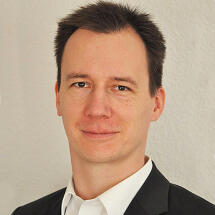
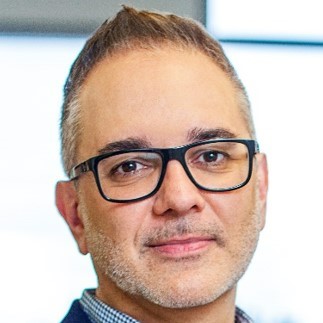
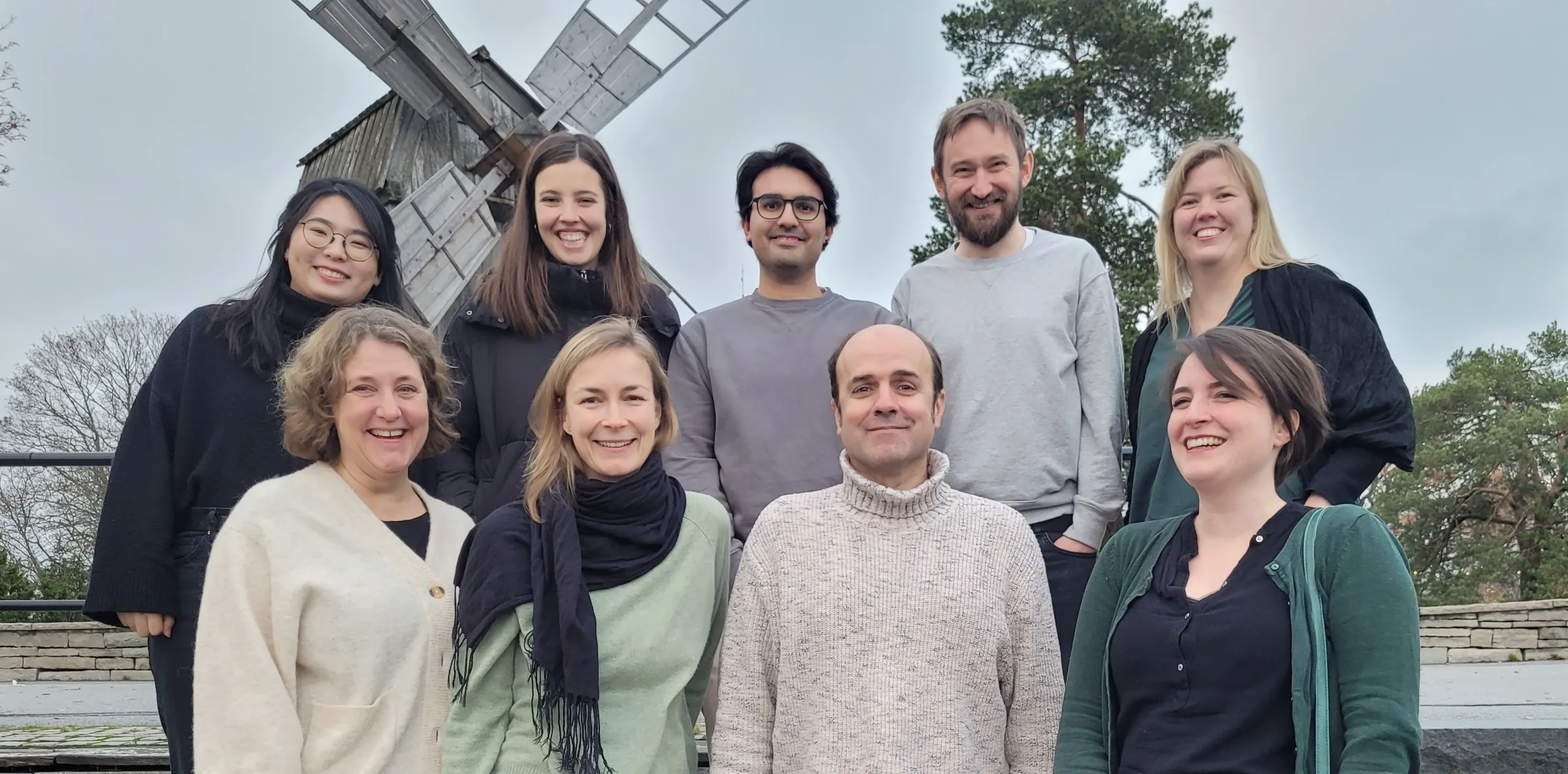
Henning D. Mootz is a Professor of Biochemistry and Biotechnology at the Institute of Biochemistry, University of Münster. His research focuses on protein chemistry and biotechnology, particularly protein engineering using split inteins and studying posttranslational modifications like ubiquitination and SUMOylation. He has made significant contributions to understanding nonribosomal peptide synthetases and their dynamics, as well as developing tools for site-specific protein modification. Education: Ph.D. (1999) and postdoctoral training at the Philipps-University of Marburg and Rockefeller University. Awards include the Emmy Noether grant (2003) and teaching awards from the Universities of Münster and Dortmund. Research interests span protein engineering, enzyme mechanisms, and applications in biomedicine. His lab has pioneered methods like photoactivatable inteins for controlled protein splicing and light-activatable antibodies (Photobodies). Over 120+ publications highlight his work in Angewandte Chemie, Nature Chemistry, and other top journals.
Anne Dejean is a Professor at INSERM (French National Institute for Health and Medical Research) and Director of the Laboratory of Nuclear Organization and Oncogenesis at the Pasteur Institute since 2003. Her research focuses on molecular and cellular mechanisms underlying cancer development, particularly in hepatocarcinoma and leukemia. Positions: Director at Pasteur Institute/INSERM (2003-present), Professor at INSERM (since 1985) Research Interests: Post-translational modifications (especially SUMOylation), cellular senescence, nuclear organization, retinoic acid receptor signaling, and chromatin dynamics in oncogenesis. Publication Trends: Key themes include SUMO pathway regulation (1998-2010), cancer-related gene expression dysregulation (1986-2006), and chromosomal segregation mechanisms (2005). Recent work explores miR-22/222 roles in liver carcinogenesis. Awards: EMBO member (1995), Chevalier de l'Ordre de la Légion d'Honneur (2007), L'Oréal-UNESCO Award (2010), Inserm Grand Prix (2014), Sjöberg Prize (2018) Her leadership in the Laboratory of Nuclear Organization and Oncogenesis has advanced understanding of nuclear architecture's role in cancer progression.
Emanuel Rosonina is an Associate Professor in the Department of Biology at York University's Faculty of Science. He specializes in studying the molecular mechanisms controlling gene expression in eukaryotic cells, particularly focusing on RNA Polymerase II transcription and the role of SUMO post-translational modifications. His research employs budding yeast as a model organism, combining molecular biology, biochemistry, yeast genetics, and genomics technologies like ChIP-seq. Key research areas include (1) understanding how transcription factors and general transcription machinery regulate gene activation and reinitiation, and (2) investigating how SUMOylation dynamically alters gene expression under normal and stress conditions. Current funding includes NSERC Discovery Grant and CIHR Operating Grant. The Rosonina Lab is part of York University's Keele, Glendon, and Markham campuses. Contact: rosonina@yorku.ca | Phone: (416) 736-2100 x44702. Scientific contributions span over 20 peer-reviewed publications since 2000, addressing topics like chromatin remodeling, transcription factor specificity, and stress-induced epigenetic changes. His work bridges fundamental molecular mechanisms with broader implications for cellular adaptation and disease contexts such as cancer and environmental stress responses.
Dr. Maximilian Fottner is a Lecturer at the Department of Chemistry and Applied Biosciences at ETH Zürich, affiliated with the Laboratory of Organic Chemistry (LOC). His research focuses on chemical biology, protein biochemistry, and genetic code expansion techniques, particularly exploring ubiquitin signaling, posttranslational modifications, and protein engineering. He develops innovative tools for protein labeling, conjugation, and functionalization, with applications in cellular signaling, proteostasis, and therapeutic design. His work bridges biochemistry, nanotechnology, and molecular biology to address fundamental questions in protein function and disease mechanisms. Recent research highlights include studies on ubiquitin-proteasome system dynamics, genetic code expansion for deciphering the ubiquitin code, and site-specific protein modifications using sortase enzymes. Fottner's lab also investigates protein-membrane interactions and the role of intestinal myofibroblasts in epithelial cell plasticity. He collaborates on projects involving magnetic nanoparticle-based enzyme immobilization and integrin-targeted tumor imaging agents. His teaching includes courses like 'Genetic Code Expansion for Studying Posttranslational Modifications' and 'Chemical Biology and Synthetic Biochemistry.' Fottner's contributions span from foundational biochemical studies to translational applications in biotechnology and medicine.
Anne Dejean is a leading research scientist and Professor at the Institut Pasteur in Paris, where she leads the 'Régulation Spatiale des Génomes' (Spatial Regulation of Genomes) laboratory within the Department of Genomes and Genetics. Her work bridges fundamental epigenetics with translational applications in cancer and regenerative medicine. She is Principal Investigator of multiple high-profile projects, including ERC-AdG SUMOSTRESS and ERC-AdG SUMiDENTITY, focusing on the role of SUMOylation in chromatin regulation, cell identity, and disease. Her research interests center on understanding the epigenetic and cellular mechanisms governing normal and pathological cell fates, with a strong emphasis on early embryonic development and cancer. Key areas include: Sumoylation as a guardian of cellular identity Chromatin dynamics in transcriptional regulation Cellular plasticity in development and tumorigenesis Reprogramming of cancer cells Development of synthetic embryos Molecular epidemiology of hepatocellular carcinoma The recent publications highlight a strong trend in using cutting-edge molecular and genomic techniques—such as single-cell 'omics', genome editing, and chromatin biochemistry—to explore how SUMOylation regulates cell fate transitions. Her work spans from basic mechanisms in stem cells to clinical applications in liver cancer, particularly in understudied populations with Indigenous American ancestry. The integration of synthetic biology, epigenetics, and disease modeling underscores a multidisciplinary approach aimed at developing novel therapeutic strategies. Anne Dejean has received significant research funding from the European Research Council and leads a dynamic team of researchers. She actively mentors PhD students and postdoctoral fellows, contributing to the training of the next generation of scientists. Her laboratory is involved in several collaborative initiatives, including the 'Initiative Cellules Souches' and 'Initiative Cancer' at the Institut Pasteur, reflecting her engagement in large-scale interdisciplinary efforts in stem cell biology and oncology.
Oscar Fernandez-Capetillo is a Professor at the Karolinska Institutet and leads a research group at the Spanish National Cancer Research Centre (CNIO) in Madrid. His work spans multiple disciplines including DNA damage response , replication stress , neurodegenerative diseases (ALS, Huntington's), and drug development . Research focuses on phenotypic screening for disease treatments Expertise in genomic instability and cancer therapy Collaborates with SciLifeLab's PHENOTARGET program Recruited Myriam Barz (PhD Student) and Wout Magits (Postdoc) Recent publications (2024-2019) reveal trends in: Antiviral drug discovery (macropinocytosis inhibitors) PPARγ activators for polyQ toxicity (Huntington's) RNA translation modulators for neurodegenerative diseases ATR/CDK1 regulation in DNA repair Genomic stress in cancer and aging Protein ubiquitination/SUMOylation at replication forks Awards include: Cell's '40 under 40' list (2014) Swedish Research Council grant (2023) His Haploid mouse project aims to create organisms with single chromosome sets for gene function studies, while recent work explores ALS treatment through RNA translation modulation and BRCA-deficient cancer chemoresistance mechanisms.
Dr. Manuel Collado Rodríguez is a researcher at the University of Santiago de Compostela (USC), leading the ColladoLab within the Center for Research in Molecular Medicine and Chronic Diseases (CIMUS). He holds a PhD from the Autonomous University of Madrid (1997), focusing on HIV-1 immunology under Dr. Mariano Esteban Rodríguez. His research centers on cellular senescence's role in cancer and aging, with particular emphasis on tumor suppression mechanisms, epigenetic regulation, and senescence-associated secretory phenotypes. His lab investigates these processes through in vivo models and explores therapeutic applications such as senolytic compounds and cellular reprogramming. Collaborations include institutions like i3S in Porto, Portugal, and involvement in international conferences like the Wiggers-Bernard Conference on Cellular Senescence. Research Focus: His work spans molecular mechanisms of senescence, oncogene-induced senescence, and the interplay between senescence and cancer progression. Key areas include SOX2 regulation in cancer, p53 signaling pathways, and extracellular vesicle biology. His lab also engages in translational research, such as evaluating diet's impact on tumor microenvironments and exploring CRISPR-Cas13d for antiviral therapies. Publications Trends: Recent articles emphasize guidelines for senescence experimentation, epigenetic reprogramming in tumors, and senescence's dual role in cancer control and promotion. His work bridges basic science and clinical applications, addressing aging-related diseases and cancer therapies. Lab Activities: The ColladoLab hosts students and researchers, with ongoing projects funded by GAIN-Xunta de Galicia and other initiatives. Projects include studying senescence in zebrafish models, senotherapies for cancer, and investigating senescence biomarkers in clinical settings.
Philippe Stanier is an Assistant Professor at the T.H. Chan School of Medicine, UMass Chan Medical School, with affiliations in the Department of Emergency Medicine. His research bridges clinical and molecular genetics, focusing on developmental disorders, epigenetics, and craniofacial abnormalities. Education: BS in Biology from Andrews University, MBA from UMass Amherst, and MD from Loma Linda University. Stanier's work explores the genetic basis of neural tube defects , cleft lip/palate , and syndromic conditions like Lenz-Majewski and Burn-McKeown. His studies often utilize mouse models and epigenetic analyses to uncover gene-environment interactions and molecular pathways. Recent publications highlight collaborations on PPP2R3B duplications in melanoma , SNX14 mutations in ataxia , and HYAL2 gene roles in orofacial clefting. He contributes to understanding genomic imprinting in fetal growth and placental biology. Scientific Networks: Key Concepts: Cleft Palate, Genomic Imprinting, Neural Tube Defects, Sorting Nexins. Collaborators: Moore GE, Copp AJ, Greene ND, Pauws E, Jenkins D.
Tyler M. Hoard is a Researcher affiliated with the Department of Biological Science at Murray State University's Jesse D. Jones College of Science, Engineering and Technology. His work focuses on molecular mechanisms regulating insulin transcription in pancreatic β cells, particularly the role of SUMOylation in Glis3 function. He co-authored a 2018 study in Heliyon exploring how PIAS-family proteins modulate Glis3 through SUMO modifications under hyperglycemic conditions. Research Interests His research spans molecular biology, biochemistry, and cell biology, with a specific emphasis on: SUMOylation mechanisms Transcriptional regulation in diabetes Post-translational modifications of pancreatic proteins Publications In 2018, he published a peer-reviewed study demonstrating that SUMOylation of Glis3 by PIAS-family proteins inhibits insulin transcription, a finding relevant to diabetes pathogenesis.
Dr. Annkatrin Rose is an Associate Professor of Plant Molecular Biology in the Department of Biology at Appalachian State University. Her research focuses on chloroplast coiled-coil proteins and their role in plant cell organization and function. She teaches courses in Botany, Genetics, Plant Molecular Biology, Bioinformatics, and Current Topics. Education: Ph.D. in Biology, University of Hamburg, Germany Diploma in Biochemistry, University of Hamburg, Germany Dr. Rose's research centers on plant molecular biology, particularly the study of chloroplast coiled-coil proteins. She investigates how these proteins, which form fibers and scaffolds in cells, function in plants lacking muscle or nerve cells where most long coiled-coil structures are studied in animals. Her work explores the evolutionary significance of these proteins in chloroplasts, which evolved from endosymbiotic prokaryotes. Recent research has focused on the FLIP4 gene family in Arabidopsis thaliana , examining how gene duplication leads to functional divergence and specialization, with particular interest in the evolutionary origin of the thylakoid protein MFP1. Scientific Awards: Third place for best undergraduate poster at Science in the Mountains Meeting Dr. Rose actively mentors undergraduate and graduate students in her laboratory, guiding research on plant molecular mechanisms. Her lab utilizes techniques ranging from standard molecular and biochemical methods to confocal and electron microscopy, plant transformation, and photosynthesis measurements. She has secured funding for undergraduate research assistantships, providing opportunities for students to engage in summer research projects. The Rose Lab at Appalachian State University focuses on understanding the function of chloroplast coiled-coil proteins using Arabidopsis thaliana as a model organism. Current projects investigate protein localization, protein-protein interactions, and the phenotypes of knock-out mutants to determine how these proteins contribute to chloroplast structure and function.
Dr. Gretchen Bentz is a faculty member at Mercer University School of Medicine, where she conducts research on Epstein-Barr virus (EBV) and its role in cancer development. As Principal Investigator on multiple NIH and foundation grants, her work focuses on understanding how EBV's Latent Membrane Protein-1 (LMP1) manipulates cellular protein modification processes, particularly SUMOylation, to promote viral persistence and oncogenesis. BS in Molecular Biology and Genetics from Juniata College PhD in Microbiology and Immunology from Louisiana State University Health Sciences Center-Shreveport Postdoctoral training in Virology at the Lineberger Comprehensive Cancer Center, University of North Carolina at Chapel Hill Dr. Bentz's research program centers on the molecular mechanisms by which Epstein-Barr virus, a ubiquitous human herpesvirus, establishes lifelong latent infection and contributes to cancer development. Her laboratory investigates how the viral oncoprotein LMP1 alters cellular SUMOylation pathways to manipulate host cell signaling, gene expression, and survival mechanisms. This work combines molecular and cellular biology approaches to understand viral pathogenesis and identify potential therapeutic targets for EBV-associated malignancies. Her findings have revealed novel mechanisms by which LMP1 regulates SUMO-proteases and induces expression of SUMO proteins in infected cells, offering insight into how LMP1 functions as an oncoprotein. Analysis of Dr. Bentz's publication record reveals a consistent focus on the intersection of virology, cancer biology, and protein modification. Her research spans from basic molecular mechanisms of viral oncoprotein function to translational studies exploring therapeutic interventions. The predominant themes include EBV latency mechanisms, SUMOylation pathways in viral infection, molecular interactions between viral proteins and host cellular machinery, and potential antiviral strategies targeting post-translational modifications. Her work bridges fundamental virology with potential clinical applications for treating virus-associated cancers, with recent publications demonstrating her laboratory's exploration of small molecule inhibitors targeting SUMOylation processes during EBV infection. Associate Editor for Journal of Medical Virology Reviewer for NIH AREA/REAP: Infectious Diseases and Immunology Study Section Reviewer for Discovery Award Infectious Diseases for the PRMRP for the DOD Recipient of NIH Pathway to Independence Award (K99/R00 CA160786) Dr. Bentz has successfully secured multiple competitive research grants as Principal Investigator, demonstrating her standing in the virology research community. Her current funding includes an NIH R15 award (CA246552) focused on 'Manipulation of the SUMO Machinery by EBV LMP1' (2020-2023), a Navicent Health Foundation grant studying 'Variations in the EBV LMP1 C-terminal Domain in HIV patients in Middle GA' (2020-2022), and a Mercer University Seed Grant on 'Role of Sumoylation Processes During Lytic and Latent EBV Infection' (2019-2020). She previously held NIH Pathway to Independence Awards (K99/R00 CA160786) investigating 'The Function of EBV LMP1 CTAR3 in Sumoylation and Oncogenesis,' which provided critical support for her transition to independence as a research scientist. Dr. Bentz leads an active research laboratory focused on Epstein-Barr virus molecular biology, where her team employs various molecular and cellular techniques to study viral-host interactions. Her collaborative approach is evident in her publications, which frequently involve multidisciplinary teams spanning virology, cancer biology, and clinical medicine. The laboratory's work has implications for understanding viral pathogenesis and developing novel therapeutic strategies for EBV-associated malignancies, including lymphomas and nasopharyngeal carcinoma.
Tyler Chapman is a Researcher at Macquarie University, affiliated with the School of Natural Sciences and the Motor Neuron Disease Research Centre. He holds a Bachelor of Advanced Science (Hon) in Molecular and Cell Biology from UNSW Sydney (2016–2019). His current role involves synthetic DNA construct development for zebrafish-based live cell imaging and proteomic studies focused on protein interactions in Motor Neuron Disease (MND). Previously, he worked as a Research Assistant at the Walter and Eliza Hall Institute of Medical Research (2019–2020). His research interests center on neurodegenerative diseases, particularly ALS and MND, with a focus on TDP-43 protein mechanisms, phase separation, and post-translational modifications. He applies synthetic biology principles inspired by figures like Craig Venter to develop novel therapeutic approaches. Chapman is involved in a 2024–2026 FightMND IMPACT grant project, collaborating on gene therapy control mechanisms for ALS. His work spans 8 peer-reviewed publications and preprints, emphasizing proteomics, cellular models, and zebrafish systems.
Dr. Timothy Jarome is an Associate Professor at Virginia Tech's College of Science, School of Neuroscience, with a research program focused on cellular and molecular memory mechanisms. His lab explores fear memory pathways, epigenetic regulation, ubiquitin signaling, and age-related cognitive decline. Ph.D. in Neuroscience (2013), University of Wisconsin-Milwaukee B.A. in Psychology (2006), Kent State University Research combines Pavlovian fear conditioning with advanced techniques including CRISPR-dCas9 editing , siRNA knockdown , and methylated DNA immunoprecipitation . Key interests span proteasome function, epigenetic memory modification, and obesity-related cognitive changes. Article trends show consistent focus on ubiquitin signaling (5 publications), sex-specific mechanisms (6), and proteasome-epigenetic interactions (7). Recent work connects obesogenic diets to hypothalamic protein degradation patterns. Lab website: Jarome Lab Publications Contact: tjjarome@vt.edu
Mark Hochstrasser is the Eugene Higgins Professor of Molecular Biophysics and Biochemistry at Yale School of Medicine, with joint appointments in Molecular, Cellular and Developmental Biology, Yale Cancer Center, and Biological and Biomedical Sciences Program. He joined Yale in 2000 after completing his B.A. at Rutgers University, Ph.D. at UCSF, and postdoctoral research at MIT. His research focuses on fundamental regulatory systems in eukaryotic cells, particularly the ubiquitin system and related modification pathways. Major research areas include: Mechanisms of targeted protein degradation via ubiquitin-proteasome pathways Function and dynamics of SUMO and other ubiquitin-like protein modifications Proteasome assembly and regulation Molecular mechanisms of endosymbiotic bacteria (Wolbachia, Orientia) that manipulate host cells Publication analysis reveals consistent focus on protein modification systems, with recent work emphasizing proteasome biophysics, cellular aging pathways, and host-pathogen interactions involving bacterial deubiquitinating enzymes. Earlier work established foundations in ubiquitin ligase mechanisms and SUMO protease functions. Honors include: Young Investigator Award from Cancer Research Foundation Searle Scholar and Fletcher Scholar distinctions Elected Fellow of American Academy of Arts & Sciences Elected Fellow of AAAS Elected Fellow of Connecticut Academy of Science and Engineering He leads the Hochstrasser Lab, directing research on ubiquitin system mechanisms using yeast and other model systems. The lab maintains collaborations across Yale departments and has contributed to understanding fundamental cellular processes with medical relevance.
Ariane Abrieu is an Associate Professor at the Centre de Recherche de Biologie Cellulaire de Montpellier (CRBM) since 2008, with prior roles as Assistant Professor at the same institution (2002-2008). Her research focuses on mitosis regulation, particularly the roles of post-translational modifications like phosphorylation and SUMOylation in controlling microtubule dynamics and spindle assembly checkpoint mechanisms. Major contributions include discovering CENP-E kinesin and MPS1 kinase as key players Current work involves SUMOylation's impact on spindle function (since 2018) Research Interests span mitotic spindle organization, cell cycle checkpoints, and cancer-related mitotic failures. Her work bridges fundamental cell biology with translational applications in oncology. Publications reveal expertise in spindle dynamics, kinetochore-microtubule interactions, and kinase regulatory networks, with recent emphasis on SUMOylation's role. Key journals include Nature Physics , Cells , and PNAS . Laboratory Affiliation : CRBM (Montpellier, France) since 1993, collaborating with leading labs like Ludwig Institute for Cancer Research.