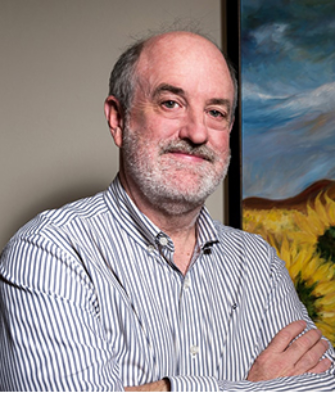
Mark Gedney is Professor of Philosophy and Dean of the School of Humanities and Social Sciences at Gordon College, where he has been teaching since 1998. He holds a Ph.D. from Boston University (1995), an M.Litt. from the University of Edinburgh, and a B.A. from Gordon College. His academic leadership and scholarship are deeply rooted in philosophical ethics and social theory. His research centers on the role of recognition in social and political life, especially how radical hospitality can serve as a transformative practice in contexts of persistent violence. Drawing from Christian ethical traditions, Gedney explores the moral imperative to welcome the stranger as a pathway to peacebuilding and mutual understanding. His interdisciplinary work intersects philosophy, theology, and conflict resolution. Gedney’s recent presentations indicate a sustained engagement with themes of identity, translation, and ethical responsibility. Though no formal publications are listed, his keynote addresses and conference talks reflect a coherent and impactful scholarly trajectory focused on recognition, selfhood, and peacemaking. Selected Presentations: The Good of Recognition – Faculty Forum, Gordon College, February 2024 The Self and Self Recognition – European Center for War and Peace Conference, Zagreb, Croatia, May 2022 The Test of the Stranger, the Test of the Translator – Five Ponds Festival, Gordon College, April 2021 Bound by Recognition – Keynote, Salem State University Philosophy Conference, May 2018 Gedney advises students in philosophy and mentors emerging scholars in ethics and social philosophy, though no named students are listed. He has secured ongoing engagement through teaching at the European Center for the Study of War and Peace in Croatia, indicating international scholarly collaboration and grant or program-based support for cross-cultural academic work. He is affiliated with the philosophy program at Gordon College and leads the School of Humanities and Social Sciences, overseeing academic programs and faculty development. His leadership role complements his active research agenda in moral and political philosophy.