- Classics
- Ancient Literature
- Roman Social History
- +۱۲ مورد دیگر
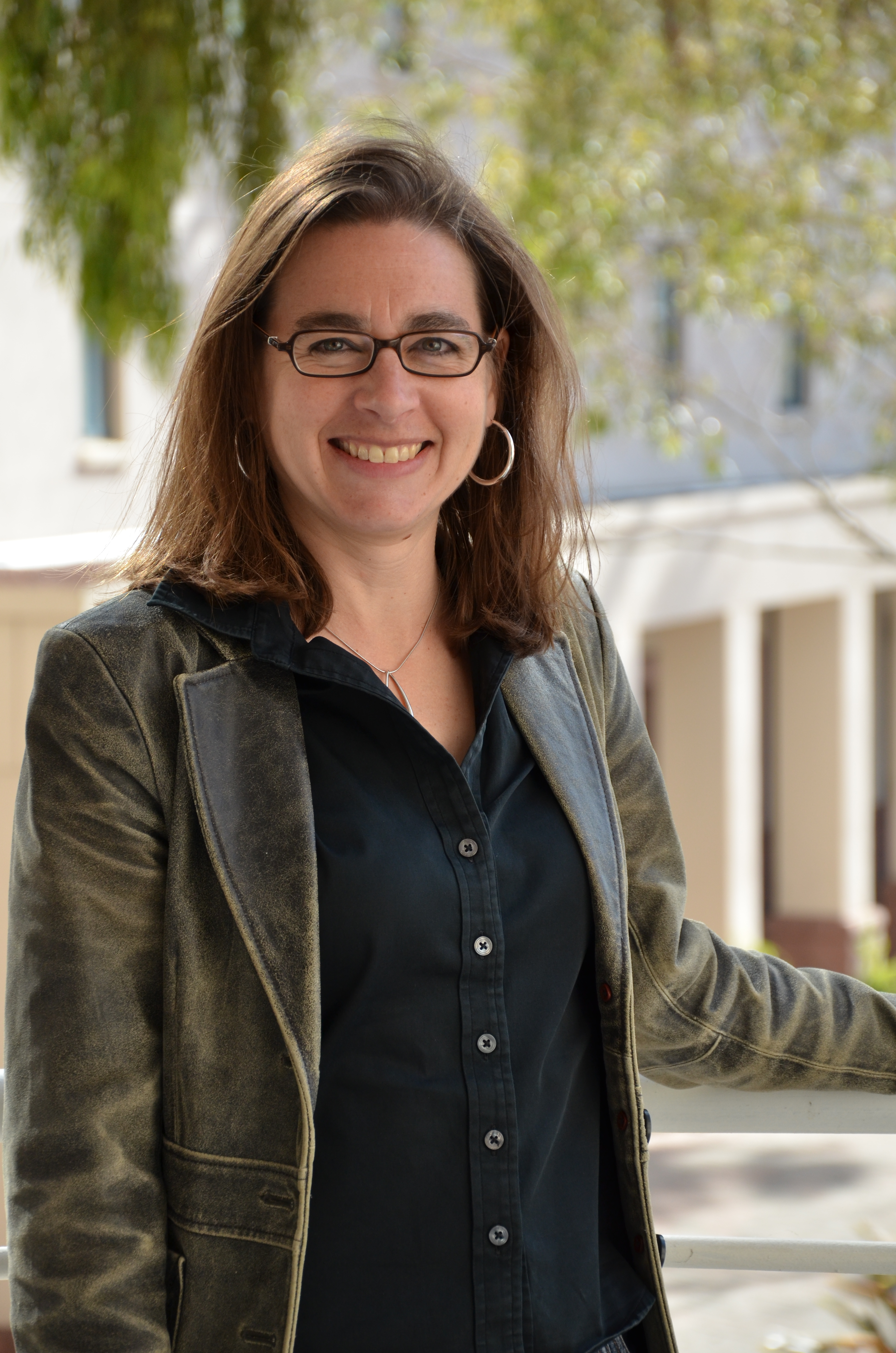
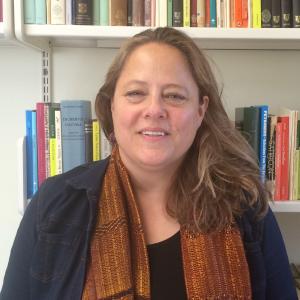
Molly Pasco-Pranger is Professor and Chair of the Department of Classics in the College of Liberal Arts at the University of Mississippi. She has been a faculty member since 2006 and is affiliated with the Sarah Isom Center for Women and Gender Studies. She earned her Ph.D. in Classics from the University of Michigan–Ann Arbor and her B.A. in Latin from Oberlin College. B.A. Latin, Oberlin College (1992) Ph.D. Classics, University of Michigan–Ann Arbor (1998) Her research focuses on ancient literature and Roman social history, with special emphasis on gender, religion, masculinity, and aging in antiquity. She explores how literary texts engage with cultural and religious structures, particularly through Ovid’s Fasti and Roman amatory poetry. Her work intersects with gender studies and cultural poetics, analyzing ritual spaces, exemplarity, and the construction of identity in Roman literature. Her publications show a sustained engagement with the Fasti , Roman exempla, and the representation of desire and gender. The articles span topics from calendrical poetics to women’s ritual nudity, reflecting a deep interdisciplinary approach combining literary analysis with historical and anthropological insights. Her scholarship appears in leading journals such as Classical Antiquity , Classical Philology , and Classical Quarterly . Cora Lee Graham Award for Outstanding Teaching of Freshmen (2018) Dr. Pasco-Pranger teaches a wide range of courses including Roman civilization, women in antiquity, Latin language, and epic literature. She mentors students through instruction and study abroad programs focused on Ancient Rome. While no formal grants are listed, her sustained publication record and leadership role suggest significant scholarly impact. She has served as department chair since 2013, contributing to academic governance and curriculum development. She is actively involved in interdisciplinary scholarship through her affiliation with the Sarah Isom Center and continues to publish on pressing themes in Roman cultural history, particularly the intersections of gender, religion, and power.