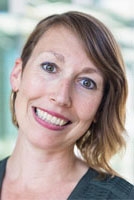
Prof. Elisabeth Engel López leads the Biomaterials for Regenerative Therapies group at the Institute for Bioengineering of Catalonia (IBEC) and serves as a Professor at the Technical University of Catalonia. With over 80 publications in JCR journals, her work focuses on designing biomaterials and scaffolds for in vitro/in vivo regenerative medicine, emphasizing cellular response mechanisms and translational applications. Developing lactate-releasing systems for metabolic modulation Advancing 3D bioprinting for tissue-specific models Engineering angiogenic and osteogenic biomaterials Her research bridges fundamental studies with industrial partnerships, including pharmaceutical and biomedical device companies, and contributes to European collaborative projects. She received the Barcelona City Award for technological research and has delivered numerous invited lectures. Her group explores substrate stiffness, ion release, and microenvironmental cues to control cell behavior in cardiac, neural, and bone regeneration contexts.
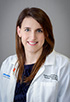
Kathryn E. Dickerson, M.D., M.S.C.S., is an Assistant Professor in the Department of Pediatrics at UT Southwestern Medical Center, specializing in the Division of Hematology and Oncology. She holds dual appointments as a 2015 Translational Research Scholar in the UTSW Center for Translational Medicine and as an NIH KL2 scholar. Her clinical focus is pediatric hematology, emphasizing bone marrow failure disorders, cancer predisposition syndromes, and thalassemia/dyserythropoietic anemias. Her research investigates epigenetic regulation of myeloid malignancies, clonal hematopoiesis in childhood cancer survivors, and molecular mechanisms underlying acute myeloid leukemia (AML), myelodysplastic syndromes (MDS), and myeloproliferative disorders (MPD). Education: Bachelor's in Biochemistry (Indiana University), minor in Spanish Medical degree (Indiana University School of Medicine) Masters of Science in Clinical Sciences (UT Southwestern Center for Translational Medicine) Training: Pediatric residency with research pathway (Ohio State University/Nationwide Children’s Hospital) Pediatric hematology-oncology fellowship (UT Southwestern) Dr. Dickerson’s research bridges basic science and clinical practice, leveraging CRISPR-based epigenetic editing, genomic analysis, and translational studies to understand disease mechanisms. Key projects include interrogating enhancer dysregulation in leukemia, studying metabolic reprogramming in cancers, and evaluating clonal hematopoiesis in survivors of childhood cancers. Her work has advanced understanding of EZH2’s role in AML and identified therapeutic vulnerabilities in myeloid malignancies. Awards: 2015 Translational Research Scholar (UTSW Center for Translational Medicine) NIH KL2 Career Development Award Grants/Initiatives: NIH-funded investigator-initiated study on clonal hematopoiesis Industry/consortia-sponsored trials for bone marrow failure and rare blood disorders She collaborates with the Children’s Research Institute and North American Pediatric Aplastic Anemia Consortium, contributing to clinical trials and translational initiatives. Her lab focuses on developing biomarkers for disease severity (e.g., immature platelet fraction in pediatric COVID-19) and therapeutic strategies targeting epigenetic dependencies in leukemia.
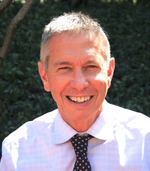
Dr. Gary K. Owens is a Professor in the Department of Molecular Physiology and Biological Physics at the University of Virginia , with a secondary appointment in the Department of Medicine, Division of Cardiology. He serves as Director of the Robert M. Berne Cardiovascular Research Center and leads groundbreaking research on vascular smooth muscle cell (SMC) dynamics in atherosclerosis. His work challenges conventional paradigms about SMC roles in plaque stability and thromboembolic events. Primary Affiliation: University of Virginia Key Titles: Robert M. Beirne Professor of Cardiovascular Research, Professor, Director of CVRC Research Themes include: Cardiovascular Biology Atherosclerosis Pathogenesis Smooth Muscle Cell Plasticity Epigenetic Regulation Inflammatory Signaling Tumor Metastasis Mechanisms Publication Trends (2015–2024) reveal expertise in Nature Medicine and Circulation studies, focusing on SMC gene regulation (Klf4/Oct4), plaque stability, and cross-talk between vascular cells and tumors. His work demonstrates that SMCs account for >80% of advanced lesion cells and that Klf4 inhibition reduces metastasis by >70%. Lab Leadership includes mentoring PhD students Anita Salamon and Victoria Milosek , alongside senior scientists and postdocs. Collaborations span with Dr. Gwen Randolph (Washington University) and Dr. Rosey Kaplan (NIH) on IL1β signaling and metastasis.
Dr. Andrew J. Woo is a Research Fellow at The University of Western Australia Medical School and the UWA Centre for Medical Research, affiliated with the Harry Perkins Institute of Medical Research. His research focuses on transcriptional gene regulation in stem/progenitor cells of blood and epithelial cancer stem cells. Dr. Woo completed his Bachelor of Science with Honours and PhD in Biochemistry at The University of Western Australia in 2004. He then pursued postdoctoral training under Dr. Alan B. Cantor at Children's Hospital Boston/Dana-Farber Cancer Institute at Harvard Medical School. He returned to Perth in 2012 with a fellowship from the Royal Perth Hospital Medical Research Foundation. Dr. Woo's research interests include understanding transcriptional gene regulatory mechanisms in stem/progenitor cells of blood and epithelial cancer stem cells. With Dr. Peter Leedman at the Harry Perkins Institute of Medical Research, he investigates the role of small non-coding RNA processing complexes in epithelial cancer onset and metastasis. His laboratory employs various techniques including protein-protein interaction identification via proteomics, protein-DNA interaction mapping, transcriptomics, functional genomics, and transgenic mouse models. His recent publications demonstrate a strong focus on cancer research, particularly breast cancer and hepatocellular carcinoma, with significant contributions to understanding transcription factors, oncogenes, and signaling pathways. His work often involves collaboration with other researchers at the Harry Perkins Institute and beyond. Dr. Woo has received the NHMRC project grant near-miss merit award in 2016 and has secured multiple research grants from organizations including Cancer Council of Western Australia and the Medical Research Foundation WA. Dr. Woo has been actively involved in research funding, serving as Chief Investigator on multiple grants since 2012. He also holds an external position as Lecturer and Unit Coordinator at Edith Cowan University from July 2018 to July 2043. His research is conducted within the UWA Centre for Medical Research, which is affiliated with the Harry Perkins Institute of Medical Research, a leading medical research facility in Western Australia.
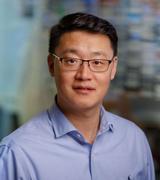
Emek Demir serves as an Associate Professor in the Department of Molecular and Medical Genetics at Oregon Health & Science University's School of Medicine, where he directs the Computational Biology program at the Brenden-Colson Center for Pancreatic Care. His academic journey includes a Ph.D. in Computer Engineering from Bilkent University (2005) under Ugur Dogrusoz and postdoctoral training with Chris Sander at Memorial Sloan Kettering Cancer Center's Computational Biology Center. Dr. Demir's research centers on Pathway Informatics, integrating detailed biological pathway information with omic data to solve cancer biology problems. His work spans pathway curation, visualization, NLP, data standardization, machine learning, and mechanistic simulation. He pioneered the BioPAX pathway data standard and developed Pathway Commons—the largest process-level pathway database with over 2 million interactions and 400,000 detailed human reactions. His publication record demonstrates consistent innovation in computational oncology, with recent work focusing on transcription factor activity prediction, spatial tumor mapping, and causal network analysis. Key contributions include algorithms for detecting altered cancer sub-networks, identifying transcription factor modulators, and inferring active networks from proteomic data. His research bridges computational methods with clinical applications in leukemia, prostate cancer, and glioblastoma. Recipient of leadership roles in major NIH-funded initiatives Principal developer of Pathway Commons and BioPAX standards Extensive collaborations with Memorial Sloan Kettering and OHSU clinical departments Dr. Demir directs a computational biology program focused on translating pathway knowledge into clinical insights for pancreatic cancer, with ongoing projects in spatial omics, multi-dimensional tumor atlases, and antiviral nanomaterial applications.
Kathleen E. McGrath is a Research Professor in the Department of Pediatrics, Hematology and Oncology at the University of Rochester School of Medicine and Dentistry. She earned her Ph.D. in Biology from the University of Rochester in 1993, an M.S. in Biology from the same institution in 1987, and a B.A. in Biology from Reed College in 1983. Dr. McGrath's research focuses on the emergence and regulation of hematopoiesis in mammalian embryos and its recovery post-radiation. She specializes in imaging flow cytometry for analyzing rare hematopoietic populations and studies erythroid-myeloid progenitors during embryogenesis. Her work intersects developmental biology, hematology, and regenerative medicine. Her recent publications highlight advancements in erythroid self-renewal, megakaryocyte immune roles, and radiation injury recovery. Notable collaborations include contributions to the Palis Lab's investigations into hematopoietic stem cell dynamics and niche interactions. Scientific Awards: Leon Wheeless Innovation in Cytometry Award (2007)
Professor Stuart Rushworth is a faculty member at Norwich Medical School, University of East Anglia, where he serves as the scientific group leader for molecular haematology research. His work focuses on the tumour microenvironment in haematological malignancies, particularly Acute Myeloid Leukaemia and Multiple Myeloma, and the impact of infection and ageing on haematopoietic stem cells. Education: Bachelor's Degree – University of Sunderland PhD in Immunology – University of Cambridge Post-doctoral Training – University of Cambridge and University of East Anglia His research explores metabolic reprogramming, mitochondrial transfer, and stromal interactions in cancer. He has made significant contributions to understanding how leukaemia cells exploit the bone marrow microenvironment for survival and proliferation. His studies have identified key mechanisms such as fatty acid release from adipocytes and intercellular mitochondrial transfer via tunnelling nanotubes. His work bridges basic science and clinical translation, with implications for drug resistance and novel therapeutic strategies. The most recent articles highlight trends in immunometabolism, infection-induced haematopoietic stress responses, and metabolic crosstalk in cancer. Key themes include mitochondrial dynamics, metabolic adaptation, and innate immune signaling pathways like STING. His publications appear in high-impact journals such as Cell Reports , Nature Communications , and Blood . He is actively funded by major research bodies including the British Heart Foundation, The Big C Appeal, Academy of Medical Sciences, and BBSRC. While no formal scientific awards are listed in the provided text, his research has led to clinical trials involving BTK inhibitors in myeloma patients. Professor Rushworth mentors several PhD researchers, including Dominic Fowler-Shorten, E. E. Wojtowicz, A. Jibril, J. A. Moore, and J. Mistry. He leads the Rushworth Group, which is part of the Metabolic Health Research Centre at UEA, focusing on metabolic processes in the tumour microenvironment.
Anna E. Beaudin is an Associate Professor in the Department of Internal Medicine at the University of Utah School of Medicine, holding an adjunct appointment in the Department of Pathology's Division of Microbiology and Immunology. Her research centers on fetal hematopoiesis and its lifelong impact on immune function and disease susceptibility. Her educational background includes: B.A. from Cornell University M.S. from Brown University Ph.D. from Cornell University Dr. Beaudin's work investigates how fetal hematopoietic stem cells generate specialized immune cells that persist into adulthood to maintain tissue homeostasis. She examines how prenatal challenges like infection and nutrition disrupt immune development, leading to conditions such as asthma, metabolic disorders, and hearing loss. Her lab employs single-cell analysis, fate-mapping, and mouse models to uncover mechanisms of developmental hematopoiesis. Recent publications reveal a dominant theme: prenatal inflammation and nutritional factors reprogram hematopoietic stem cells, altering immune cell development and increasing susceptibility to allergic, metabolic, and autoimmune diseases across the lifespan. Key focus areas include tissue-resident macrophages, innate lymphoid cells, and fetal-specific hematopoietic pathways. Her scientific recognition includes: Pew Biomedical Scholars Award Hellman Foundation Award Research is supported by NIH grants and published in high-impact journals including Cell Stem Cell and Blood. As Principal Investigator, she mentors graduate students through the Molecular Biology Program and serves on committees for the International Society of Experimental Hematology and American Society of Hematology. Her work involves extensive collaboration with immunologists, hematologists, and developmental biologists. The Beaudin Lab operates within the University of Utah's Molecular Medicine Program, utilizing advanced genomic and in vivo techniques to explore how early-life events shape lifelong immunity and disease risk.
Elke H. Heiß is an Associate Professor at the University of Vienna , affiliated with the Faculty of Life Sciences and the Department of Pharmaceutical Sciences, Division of Pharmacognosy . Her research focuses on molecular mechanisms of natural products in cellular stress resistance, redox balance regulation, and metabolic immunomodulation. Key research areas include: AMPK-Nrf2 signaling crosstalk in cellular homeostasis Impact of biogenic compounds on glucose homeostasis and cellular bioenergetics Metabolic regulation of macrophage polarization Molecular pharmacology of indirubin derivatives in cardiovascular disease Current projects investigate: FWF Project P33778 (2021-2026): AMPK-mediated phosphorylation of Nrf2 targets FWF Project P32600 (2019-2024): Metabolic immunomodulation by natural products FWF Project P29392 (2016-2019): AMPK-Nrf2 interactions in stress response Her work combines chemical biology approaches with metabolic profiling to uncover novel therapeutic strategies for chronic diseases and aging-related conditions.
Dr. Lynn Pulliam is Professor of Laboratory Medicine and Medicine at the University of California, San Francisco (UCSF) School of Medicine. She serves as Director of Microbiology at the San Francisco Veterans Affairs Medical Center where she teaches microbiology to Infectious Disease and Laboratory Medicine residents and fellows. Dr. Pulliam earned her Ph.D. in Experimental Pathology from the University of California, San Francisco in 1983, her M.S. in Microbiology from California State University, Long Beach in 1977, and her B.A. in Biology from Northwestern University in 1969. Dr. Pulliam's research focuses on HIV-associated cognitive impairment, neuroinflammation, and chronic monocyte activation. She has pioneered work on extracellular vesicles from activated cells and their influence on inflammation in recipient cells. Her research demonstrates that blood neuron-derived exosomes can serve as biomarkers for cognitive impairment in HIV, Alzheimer's disease, and post-COVID sequelae. Her laboratory investigates how these exosomes provide a window into brain neuron health and how they might be used for early detection and monitoring of neurological conditions. This work bridges virology, neuroscience, and laboratory medicine, creating innovative diagnostic approaches for neurological complications across multiple disease states. Dr. Pulliam's recent publications show a strong focus on exosomes and extracellular vesicles as biomarkers for neurological conditions, with particular emphasis on HIV-associated neurocognitive disorders, Alzheimer's disease, and Long COVID neurological manifestations. Her work demonstrates how these vesicles carry molecular signatures that reflect brain health, creating non-invasive diagnostic tools that could transform patient care across multiple neurological conditions. Dr. Pulliam has received numerous prestigious awards including: San Francisco Business Times 2012 Most Influential Women in Business Society for Neurovirology President (2010-2013) International Society for Neurovirology 2009 Outstanding Women in Neuroscience Drexel College of Medicine 2017 Prize in Neurovirology International Society for Neurovirology 2019 Pioneer in Neurovirology As a Principal Investigator, Dr. Pulliam has secured substantial research funding from the NIH and Veterans Affairs, including multiple R01 and R21 grants. Her current projects include 'Neural and cognitive consequences of COVID-19 survival' (Veterans Affairs Merit Award CX002322, 2021-2025) and 'Plasma neuronal-derived exosomes are biomarkers of HIV cognitive impairment' (NIH R01MH121121, 2020-2025). Her laboratory has been continuously funded for over two decades, focusing on the intersection of HIV, neuroinflammation, and cognitive disorders. Dr. Pulliam maintains an active role in the scientific community as a continuing Board of Directors Member of the Society for Neurovirology and as a member of several journal Editorial Boards, contributing significantly to the advancement of neurovirology research and education.
Kathleen Martin is a Professor of Medicine (Cardiovascular Medicine) and Pharmacology at Yale School of Medicine, where she also serves as Co-Director of the Yale Cardiovascular Research Center (YCVRC). Her academic journey began at Hiram College where she earned her BA in Biology (1990), followed by a PhD in Physiology and Biophysics from Case Western Reserve University (1997), and postdoctoral training at Harvard Medical School (1998-2000). BA in Biology, Hiram College (1990) PhD in Physiology and Biophysics, Case Western Reserve University (1997) Postdoctoral Fellowship, Harvard Medical School (1998-2000) Dr. Martin's research focuses on the molecular mechanisms regulating vascular smooth muscle cell (SMC) phenotypic plasticity, with particular emphasis on epigenetic regulation through enzymes like TET2. Her work explores how SMCs maintain the ability to de-differentiate and re-enter the cell cycle, which is essential for angiogenesis but also contributes to atherosclerosis, intimal hyperplasia, and restenosis. She investigates the mTOR pathway's role in SMC differentiation and how rapamycin affects vascular disease processes, aiming to develop novel therapeutics that avoid the adverse effects of systemic rapamycin treatment. Analysis of Dr. Martin's most recent publications reveals a strong focus on vascular remodeling mechanisms, with particular attention to epigenetic regulation of SMC phenotype, TET2-mediated chromatin remodeling, and the intersection of vascular biology with immunology and developmental processes. Her work spans from basic molecular mechanisms to translational applications in vascular disease treatment. Alexander W. Clowes Distinguished Lecturer (2022) Dr. Martin has held significant leadership roles including Chair of the AHA Vascular Discovery Meeting Planning Committee and service on the Yale IACUC. She collaborates extensively with researchers across Yale and beyond, particularly with John Hwa, Alan Dardik, and Daniel Greif. Her lab participates in multiple institutional programs including the Vascular Biology and Therapeutics Program, Yale Combined Program in the Biological and Biomedical Sciences, and the Yale Stem Cell Center. The Martin Lab, located within the Department of Cardiovascular Medicine, focuses on understanding how regulation of the muscular layer of blood vessels contributes to normal vessel function and cardiovascular disease. The lab investigates key areas including vascular smooth muscle differentiation, signal transduction, transcription, and epigenetics using disease models of atherosclerosis, intimal hyperplasia, transplant vasculopathy, obesity, and diabetes.
Weiguo Cui serves as Professor of Pathology at Northwestern University's Feinberg School of Medicine, conducting research through the Center for Human Immunobiology and Robert H. Lurie Comprehensive Cancer Center. His work focuses on T cell biology in cancer immunology, viral pathogenesis, and autoimmune disorders. His research examines molecular regulators of CD8+ T cell fate, including transcription factors (SATB1, KLF2, BATF) and metabolic pathways (mitochondrial respiration, CD36 signaling). Key interests encompass T cell exhaustion mechanisms, stem-like memory formation, and metabolic reprogramming during chronic infections. His lab employs single-cell RNA sequencing, clonal lineage tracing, and spatial transcriptomics to dissect heterogeneity in immune responses. Analysis of recent publications reveals a cohesive research trajectory investigating how transcriptional and metabolic networks govern T cell differentiation. His 2024-2025 work demonstrates how factors like ID3 define stem-like progenitors, while PKM2-mtROS pathways link metabolism to immune function. This integrative approach bridges basic immunology with therapeutic applications in cancer and chronic infections. Dr. Cui maintains active collaborations through Northwestern's immunology centers, focusing on translating mechanistic insights into immunotherapeutic strategies. His research program emphasizes the therapeutic potential of modulating T cell exhaustion pathways and metabolic checkpoints to enhance anti-tumor immunity.
John G. Purdy is an Associate Professor of Immunobiology and Cancer Biology at the University of Arizona, where he has been a faculty member since October 2015. He is also a Faculty Fellow at the BIO5 Institute, an interdisciplinary research center focused on solving complex problems in health, agriculture, and environment. Dr. Purdy earned his undergraduate degree from Pacific University and completed his Ph.D. at Penn State University College of Medicine. He then pursued postdoctoral training in metabolomics at the Lewis-Sigler Institute for Integrative Genomics, Princeton University, working with Drs. Joshua Rabinowitz and Thomas Shenk. Dr. Purdy's research focuses on understanding how viruses, particularly human cytomegalovirus (HCMV), remodel host cell metabolic and lipid environments to facilitate their replication. His work aims to identify key cellular and viral targets for the development of novel antiviral therapies. The Purdy Lab employs biochemical, molecular, and genetic approaches to analyze metabolomic and lipidomic dynamics during viral infection, with a particular emphasis on fatty acid elongation and very long-chain fatty acid synthesis. Analysis of Dr. Purdy's recent publications reveals a consistent focus on virus-host metabolic interactions, particularly how HCMV manipulates lipid metabolism. His work spans multiple disciplines including virology, metabolomics, lipidomics, and cell biology, with applications to understanding viral pathogenesis and developing antiviral strategies. A recurring theme is the role of very-long-chain fatty acids in viral replication, with significant contributions to understanding how viruses rewire host metabolic pathways. R01 Award (2021) - Metabolite mediated signaling in cell-to-cell spread of HCMV R01 Award (2021) - HCMV reprogramming of lipid metabolism Dr. Purdy leads the Purdy Lab at the University of Arizona, which includes postdoctoral researchers, laboratory coordinators, graduate students, and undergraduate volunteers. Current lab members include Dr. Rebekah Mokry (Postdoctoral Research Associate), Nathan Schmidt (Laboratory Coordinator), and several graduate and undergraduate students. The lab has successfully mentored multiple students to completion of their degrees, including Dr. Yuecheng Xi who completed her PhD in 2021. Dr. Purdy was promoted to Associate Professor with Tenure in July 2022, reflecting his significant contributions to research and education.
Kristian Bowles is Professor of Haematology and Dean of Norwich Medical School at the University of East Anglia. He is a member of the Cancer Studies department and an active Consultant Haematologist at Norfolk and Norwich University Hospital. His academic leadership and research are central to the medical school's mission in advancing haematological science and clinical practice. University: University of East Anglia School: Norwich Medical School Department: Cancer Studies Academic Rank: Professor He earned his medical degree from Guy's and St Thomas' Hospitals Medical School, London, completed specialist training in haematology in Cambridge and Norwich, and obtained his PhD from the University of Cambridge, focusing on haematopoietic stem cell self-renewal. His research interests lie at the intersection of haematology, cancer biology, and ageing. He investigates the metabolic and mitochondrial regulation of haematopoietic stem cells, senescence in the bone marrow niche, and the progression of pre-malignant conditions like MGUS to myeloma. His work integrates molecular biology, genomics, and immunology to understand blood cancers and stem cell dynamics. His recent publications (2023–2024) reveal a strong focus on mitochondrial fate, metabolic reprogramming, and immune interactions in haematological malignancies. Key themes include BCL2 regulation in AML, mtDAMP-mediated macrophage activation in myeloma, and the role of fatty acid oxidation in stem cell function. These studies are published in leading journals such as Blood , Genome Biology , and Blood Advances . Kristian Bowles leads multiple funded research projects, including those supported by the Medical Research Council, Royal Society, and Academy of Medical Sciences. These projects explore glutamine synthetase in aged stem cells, NAMPT in myeloma progression, and the health impacts of climate change. Investigating the role of NAMPT and age-related macrophage changes in MGUS-to-myeloma progression (British Society of Haematology) Role of glutamine synthetase in aged haematopoietic stem cells (Academy of Medical Sciences) Comprehensive assessment of climate change health risks (Royal Society) Mitochondrial fate in normal and malignant haematopoiesis (Medical Research Council) He collaborates extensively with Dr. Stuart Rushworth and other researchers, supervises students, and leads a dynamic research group. His lab, referenced at www.rushworthlab.com, is a hub for innovation in haematological research.
Janne Lehtiö is a Professor in Medical Proteomics at Karolinska Institutet's Department of Oncology-Pathology in Stockholm, Sweden. He has held continuous positions at Karolinska Institutet since 2004, progressing from Senior Scientist to Associate Professor and currently Professor. His research focuses on proteomics and proteogenomics applications in cancer research and precision medicine. Lehtiö earned his PhD in School of Biotechnology from Kungliga Tekniska Högskolan (Royal Institute of Technology) in Stockholm (1997-2001) and his Master of Science in Department of Biochemistry from Helsingin Yliopisto (University of Helsinki) in Finland (1991-1997). Prior to his academic career at Karolinska, he worked as a Field Scientist at Ciphergen Biosystems Inc. in Fremont, California (2001-2003). His research interests center on proteomics, proteogenomics, cancer biology, and precision medicine . Lehtiö's work bridges molecular biology with clinical applications, particularly in cancer diagnostics and treatment selection. His laboratory develops advanced proteomic technologies for in-depth molecular phenotyping of cancer. Analysis of his recent publications reveals a strong trend toward clinical proteogenomics with emphasis on spatial proteomics, immune-oncology, and biomarker discovery. His research increasingly integrates machine learning approaches for early cancer detection and treatment response prediction, with significant focus on lung cancer, ovarian cancer, and lymphoma. Lehtiö serves as Principal Investigator on numerous research grants and has extensive experience as a peer reviewer for high-impact journals including Nature Communications, Cell, and Nature Genetics. His research is supported by substantial grant funding from major Swedish research organizations including the Swedish Research Council (VR), Swedish Cancer Society, and VINNOVA. Current projects focus on proteogenomics for cancer immunotherapy, precision medicine infrastructure, and early lung cancer diagnosis.