- Education
- Critical Participatory Visual Methodologies
- Equity Diversity Inclusion and Human Rights
- +۴ مورد دیگر
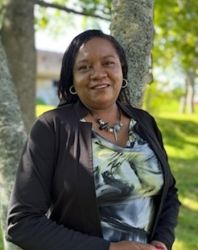
Dr. Alicia Noreiga-Mundaroy serves as Associate Professor at Acadia University, specializing in education with a focus on social justice, racial equity, and transformative pedagogies. Her work centers on dismantling systemic barriers for marginalized communities through critical visual methodologies and community advocacy. Education: Ph.D. in Education, University of New Brunswick M.Ed. in Curriculum and Instruction & Educational Administration/Leadership, University of New Brunswick B.Ed. in Elementary Education, University of New Brunswick Dip.Ed. in Teacher Education, Valsayn Teachers’ College Her research spans Critical Participatory Visual Methodologies, Equity/Diversity/Inclusion frameworks, Racial Justice, Black Studies, and Rural Community Development. Drawing from her 17 years as a primary educator in Trinidad and Tobago, she investigates Caribbean educational contexts through intersectional lenses, emphasizing cellphilms (mobile phone filmmaking) as tools for Black student advocacy and identity reflection. Her scholarship actively addresses anti-Black racism in Canadian and Caribbean schooling systems. Analysis of her 2021-2023 publications reveals consistent thematic focus on racial/queer solidarities, rural education challenges in Trinidad and Tobago, and visual methodologies. Her work bridges Canadian and Caribbean contexts through critical ethnography, autoethnography, and policy analysis, contributing significantly to anti-racism pedagogies in teacher education. Dr. Noreiga-Mundaroy actively engages in community transformation through roles on the New Brunswick Department of Education Black Histories and Cultures Advisory Committee, the New Brunswick Francophone Education District Black Histories Review Committee, and the New Brunswick Multicultural Association Antiracism Steering Committee. She currently serves as lead coordinator for the Black Lives Matter in New Brunswick’s Education Project and welcomes Master's student supervision inquiries (Fall 2026) aligned with her research interests.