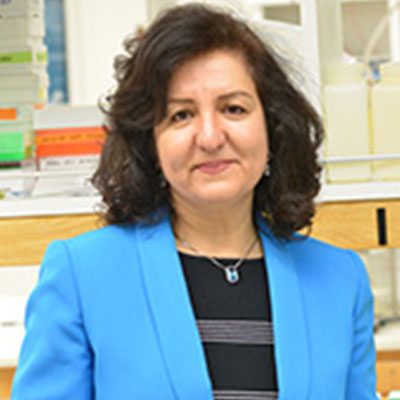
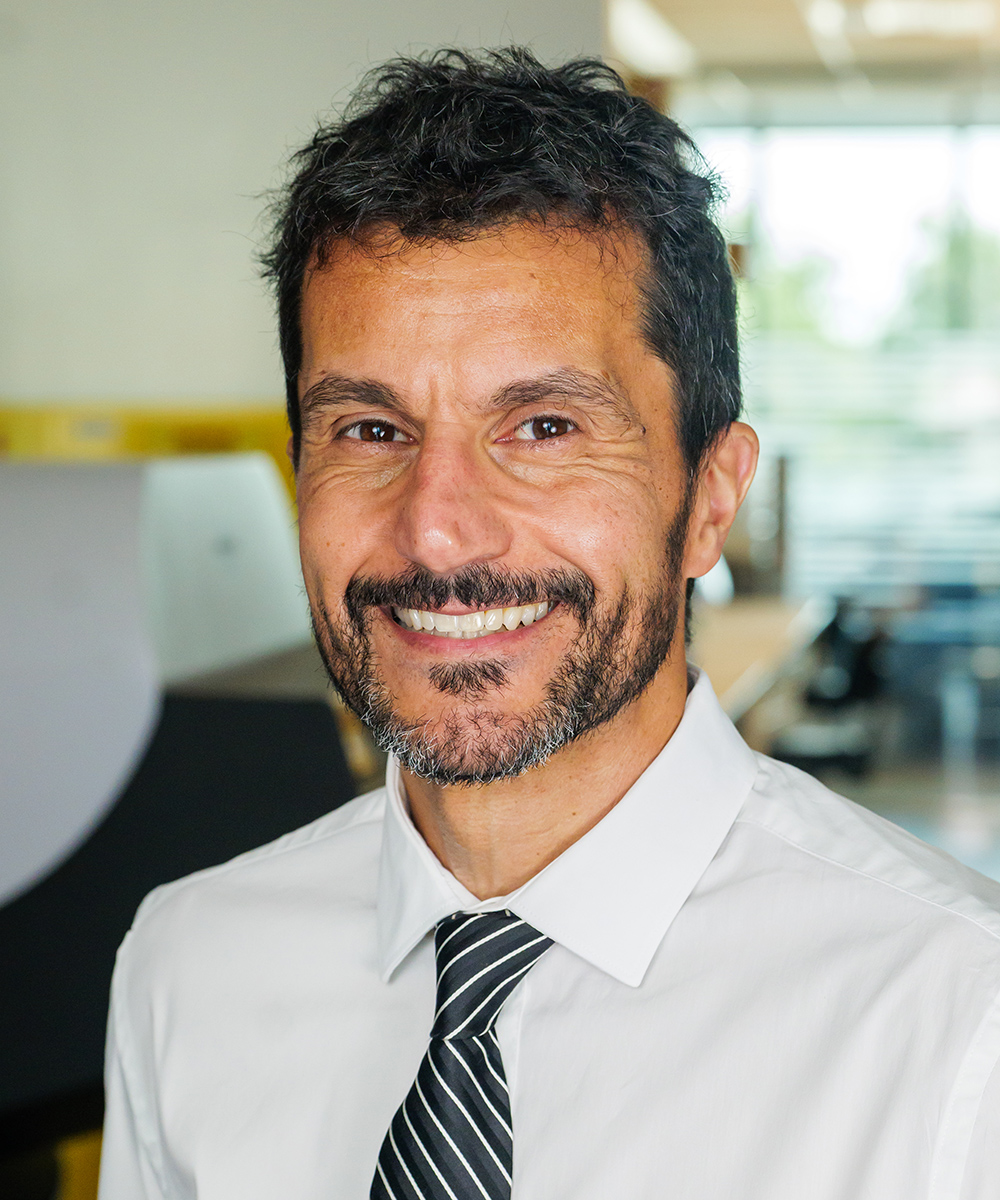
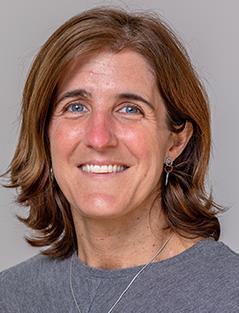
Mansoureh Eghbali, PhD, is a Professor in the Department of Anesthesiology at the David Geffen School of Medicine, University of California, Los Angeles. Her research program investigates molecular mechanisms of cardiovascular and pulmonary diseases with emphasis on sex-specific pathophysiology. She leads an active NIH-funded laboratory focused on pulmonary hypertension, myocardial ischemia-reperfusion injury, and the role of RNA-binding proteins in vascular remodeling. Her research integrates multiomics approaches to explore: Sex chromosome influences (Y-gene Uty) in pulmonary vascular protection MicroRNA regulation of cardiac fibrosis and calcification (e.g., miR-129-5p/Asporin axis) Gut-heart-lung interactions in diet-induced pulmonary hypertension Endothelial subpopulations (TM4SF1+) in disease progression Analysis of her recent publications reveals strong emphasis on: Integrative multiomics in vascular diseases Sex differences in drug responses Novel therapeutic targeting of RNA-binding proteins Cross-organ communication in cardiopulmonary pathologies She directs multiple NIH grants including: R01HL159865: Role of Chromosome Y gene, Uty (2021-2025) R01HL147586: Role of miR125 in pulmonary hypertension (2019-2023) R01HL129051: Role of miR193 in oxidized lipid-induced PH (2016-2021) R01HL131182: Epigenetic regulation by X chromosome (2016-2021)
Anton Baysa is a Senior Lecturer at the University of Oslo's Department of Pathology within the Faculty of Medicine. His research focuses on cardiovascular pathophysiology, particularly mechanisms of inflammation, mitochondrial dysfunction, and cellular repair following myocardial infarction and ischemia-reperfusion injury. He has published extensively on topics including Toll-like receptor signaling, mitochondrial DNA-induced inflammation, and the role of adaptor proteins in cardiac healing. His work integrates molecular biology, immunology, and clinical cardiology to understand and mitigate cardiac damage. Collaborative projects include studies on extracellular vesicles in surgery-related complications and growth factor pathways in myocardial repair. Key Research Themes: Cardiac inflammation mechanisms, mitochondrial damage responses, post-infarction healing, oxidative stress mitigation Recent Projects: Investigating p66ShcA protein signaling, nucleolin inhibition effects, and BMP-mediated cardiac remodeling
Xiaowen Bai, MD, PhD, is a Professor in the Department of Cell Biology, Neurobiology and Anatomy at the Medical College of Wisconsin. His research focuses on leveraging stem cells to model neurodegenerative diseases and cardiac disorders, with a particular emphasis on non-coding RNAs, mitochondria, and environmental stressors like anesthetics and alcohol. He holds a leadership role as Executive Director of Hematology at the World Federation of Chinese Medicine Societies (WFCMS). Education: MD, Shanxi Medical University (1993) PhD, Beijing University Stem Cell Center (2004) Postdoctoral Training, University of Texas MD Anderson Cancer Center (2007) Research Interests: Neurodegeneration mechanisms involving microRNAs, lncRNAs, and mitochondrial dysfunction Stem cell-based therapies for myocardial regeneration Diabetic cardiomyopathy pathogenesis and cardioprotection 3D organoid models for studying anesthetic and alcohol neurotoxicity Recent Work: Recent publications emphasize translational studies using human-induced pluripotent stem cell (iPSC)-derived models to investigate alcohol-induced brain injury, anesthetic neurotoxicity, and cardiac fibrosis. His lab also explores immunomodulatory pathways and redox signaling in inflammatory diseases. Labs/Teams: The Bai Lab develops novel in vitro models for disease modeling and drug testing, focusing on cerebral organoids and cardiac organoids to bridge basic research and clinical applications.
Dr. Fadi Gabriel Akar is a Professor of Medicine (Cardiovascular Medicine) and Biomedical Engineering at Yale University School of Medicine. He holds affiliations with the Cardiovascular Medicine Department, the Yale Cardiovascular Research Center, and the Molecular Medicine Program. His primary appointment is as a Professor in the Department of Medicine, specializing in cardiovascular research and translational medicine. Dr. Akar’s research focuses on unraveling mechanisms promoting arrhythmias in structural heart diseases and developing gene-based therapies to prevent malignant arrhythmias. His lab investigates mitochondrial dysfunction, metabolic signaling, and mechano-electrical feedback in arrhythmogenesis, with a translational pipeline from target identification to pre-clinical testing in large animal models. Key areas include arrhythmias in heart failure, myocardial infarction, obesity, diabetes, atrial fibrillation, and pulmonary hypertension. Notable achievements include his role as Chairman of the AHA Cardiac Electrophysiology Fellowships Committee (2022). His work bridges basic science and clinical applications, emphasizing mechanism-based therapies over traditional antiarrhythmic approaches. Collaborations include studies on AMPK deletion models, mitochondrial network remodeling, and resolvin D1’s role in post-MI atrial remodeling. Publications highlight contributions to understanding arrhythmia mechanisms in metabolic diseases, mitochondrial dysfunction, and translational therapies. His research is supported by NIH grants and industry partnerships, focusing on advancing diagnostics and treatments for electrical cardiac disorders.
Dr. Peixin Yang is the Christopher R. Harman, MD Endowed Professor of Obstetrics, Gynecology, and Reproductive Sciences at the University of Maryland School of Medicine. He serves as Professor with tenure in the Department of Obstetrics, Gynecology and Reproductive Sciences and holds a secondary appointment in the Department of Biochemistry & Molecular Biology. Dr. Yang is the founding director of the Center for Birth Defect Research at the University of Maryland School of Medicine and leads multiple NIH-funded research projects totaling millions of dollars. Dr. Yang's educational background includes: B.S. in Animal Science from Zhejiang Agricultural University (1986-1990) M.S. in Animal Reproductive Sciences from Nanjing Agricultural University (1990-1993) Ph.D. in Biophysics from Tokyo University of Agriculture & Technology and Zhejiang University (1994-1999) Postdoctoral Research Associate at University of Nebraska Medical Center (1999-2002) BIRCWH scholar (NIH K12) at University of Maryland Baltimore (2008-2009) Dr. Yang has built an extensive research program focused on diabetic embryopathy, particularly examining how maternal diabetes induces neural tube defects (NTDs), congenital heart defects (CHDs), and kidney defects. His laboratory was the first to establish a mouse model of diabetic embryopathy and reveal the causal role of JNK1/2 in neural tube defects. He has made significant contributions to understanding the molecular mechanisms of cellular stress, endoplasmic reticulum stress, and autophagy in neural tube defect formation. Dr. Yang also investigates the effects of maternal obesity on placental function and has established the Maryland Maternal Health Research Center of Excellence. His recent work has expanded to include studies on SARS-CoV-2 infection in pregnancy and connections between insulin resistance signaling and Alzheimer's disease. Analysis of Dr. Yang's recent publications reveals a strong focus on the molecular mechanisms of diabetic embryopathy, with particular emphasis on epigenetic regulation, cellular stress signaling pathways, and placental function. His work consistently bridges basic science with clinical applications, developing potential therapeutic approaches for preventing birth defects. A significant portion of his recent research examines the intersection of maternal metabolic conditions (diabetes and obesity) with fetal development, while also expanding into novel areas like viral infections in pregnancy and connections to neurodegenerative diseases. Dr. Yang's notable scientific achievements include: The F. Clarke Fraser New Investigator Award from the Teratology Society (2013) BIRCWH scholar (NIH K12) (2008-2009) The Lalor foundation postdoctoral Fellowship (2002-2003) Dr. Yang currently directs a multi-million dollar NIH-funded research group with multiple active R01 grants. His current projects investigate the intersection of mTOR/p70S6K1 signaling and HIPPO-Yap tissue organizer in neurulation, heightened hypoxia and DNA methylation in heart defects of diabetic embryopathy, hyperglycemia-induced cardiac progenitor dysfunction, and epitranscriptomic alterations in diabetic embryopathy. He has developed a robust research program in maternal diabetes-induced heart defects, which was previously an understudied area. Dr. Yang is also leading efforts to establish the Maryland Maternal Health Research Center of Excellence, focusing on the adverse effects of obesity, placental accreta spectrum, and opioid use disorder. As the founding director of the Center for Birth Defect Research at the University of Maryland School of Medicine, Dr. Yang leads a multidisciplinary team of translational and clinical scientists. His laboratory has made original contributions to understanding the molecular mechanisms underlying maternal diabetes-induced structural birth defects. The team employs genetically modified mouse models, whole-embryo culture systems, and human placental studies to investigate the effects of metabolic conditions on fetal development. Dr. Yang's group has been instrumental in developing natural compounds as potential preventatives for diabetic embryopathy, including trehalose, epigallocatechin-3-gallate, and curcumin.
Takashi Matsui, MD, PhD is Professor and Chair of the Department of Anatomy, Biochemistry and Physiology at the University of Hawaii at Manoa's John A. Burns School of Medicine (JABSOM). He holds dual appointments in Graduate Programs including Development and Reproductive Biology (DRB), Cell and Molecular Biology (CMB), and Molecular Bioscience and Bioengineering (MBBE). His career spans academic institutions in Japan and the U.S., including positions at Harvard Medical School and Beth Israel Deaconess Medical Center before joining UH in 2010. Dr. Matsui's research focuses on cardiomyocyte survival mechanisms, particularly the role of mTOR signaling and ferroptosis in cardiac pathology. His work has defined ferroptosis as a critical regulated cell death pathway in ischemic heart disease and obesity-related cardiac dysfunction. Key contributions include identifying mTOR's protective role against iron-mediated cardiomyocyte death and elucidating ferroptosis propagation dynamics in myocardial injury models. His laboratory has developed experimental frameworks for evaluating myocardial cell death mechanisms, contributing to diagnostic and therapeutic advancements in cardiovascular medicine. Matsui's translational research bridges basic science and clinical cardiology, addressing critical gaps in understanding cardiac injury and repair mechanisms.
Alejandro R. Chade, MD, is a Professor of Medical Pharmacology and Physiology at the University of Missouri School of Medicine and a NextGen Precision Health Investigator. His research focuses on cardiovascular and renal physiologic imaging, microcirculatory function, and mechanisms of renal and cardiac disease. Dr. Chade’s laboratory develops translational swine models of chronic kidney disease (CKD) and hypertension, leveraging advanced imaging techniques such as multi-detector CT and echocardiography to study renal and cardiac function. His work also explores novel therapeutic strategies targeting the renal and cardiac microcirculation to mitigate inflammation and improve organ function. Education: MD from Universidad Nacional de Cuyo (1996), Cardiology Residency and Fellowship at Hospital Lagomaggiore (2001), and postdoctoral training at the Mayo Clinic (2005). He has held roles at the University of Mississippi Medical Center before joining the University of Missouri. Research Interests include mechanisms linking CKD to cardiovascular disease, imaging-based diagnostics, and drug delivery systems for targeted therapies. His lab investigates macrophage polarization, NF-kB signaling pathways, and the role of mitochondrial DNA in renal injury. Key Awards: American Heart Association Established Investigator Award, Mid-Career Award, and numerous travel and recognition awards for hypertension and renal research. Publications focus on swine models, renal-cardiac crosstalk, and VEGF-based therapies, with high-impact contributions to American Journal of Physiology and Hypertension . Labs/Teams: Leads the NextGen Precision Health Initiative, collaborating on translational research to bridge basic science and clinical applications.
Steen Larsen is an Associate Professor in the Department of Biomedical Sciences at the University of Copenhagen's Faculty of Health and Medical Sciences. He also holds a Visiting Professor position at the Medical University of Bialystok in Poland since 2018. Dr. Larsen leads the Exercise and Muscle Center for Healthy Aging and has established a laboratory specializing in mitochondrial analysis across various tissues since becoming an Assistant Professor in 2015. His educational background includes a Doctor of Medical Sciences (2014), M.Sc. in Human Physiology (2008), and B.Sc. in Chemistry (2007), all from the University of Copenhagen. Dr. Larsen's primary research focuses on understanding how lifestyle interventions (exercise, diet, drugs) affect whole-body metabolism and mitochondrial function, with particular attention to skeletal muscle and adipose tissue. His laboratory primarily studies human subjects but occasionally employs animal models. Dr. Larsen's recent publications (2024-2025) demonstrate a strong emphasis on mitochondrial physiology across various conditions including diabetes, obesity, statin treatments, and aging. His work spans from basic molecular mechanisms to clinical applications, with publications appearing in high-impact journals such as Cell Metabolism, Diabetologia, and Nature Communications. His research consistently connects mitochondrial function with metabolic health outcomes across different populations. As an educator, Dr. Larsen teaches medical students during their 4th and 5th semesters and supervises numerous bachelor's, master's, and currently four PhD students. He is frequently invited to present at major conferences including the European College of Sport Science and the American College of Sports Medicine.
Professor Keith Channon is the Field Marshal Earl Alexander Professor of Cardiovascular Medicine and Professorial Fellow at the University of Oxford's Department of Cardiovascular Medicine. He serves as Head of Department and Associate Head of the Medical Sciences Division (Clinical Research). Field Marshal Earl Alexander Professor of Cardiovascular Medicine Professorial Fellow Head of Department of Cardiovascular Medicine Associate Head of Medical Sciences Division (Clinical Research) His research focuses on nitric oxide (NO) and redox signalling in cardiovascular disease, particularly how NO dysregulation drives endothelial dysfunction and vascular pathologies like atherosclerosis. He investigates the role of tetrahydrobiopterin in modulating NO synthase activity and explores transgenic models to manipulate this pathway. Key research themes include: Endothelial dysfunction in diabetes and coronary artery disease NO synthase regulation by tetrahydrobiopterin Reactive oxygen species (ROS) interactions with NO Clinical trials targeting NO pathway restoration Monocyte/macrophage dynamics in atherosclerosis Mitochondrial redox balance His work bridges clinical studies and experimental models, with recent publications highlighting applications in machine learning for medical imaging , STEMI intervention , and photon-counting CT angiography . He holds fellowships from the Academy of Medical Sciences and Royal College of Physicians.
Wei Chao, MD, PhD , is a Professor at the University of Maryland School of Medicine with primary appointments in Anesthesiology and secondary appointments in Physiology . He serves as Vice Chair for Translational Research and Co-Director of the STAR Center . MD from Hunan Medical College, China PhD in Biochemistry, University of Texas Postdoc at University of California, San Diego Dr. Chao's research spans sepsis , trauma , and ischemic myocardial injury , focusing on innate immunity , microRNA , and bioinformatics . His work integrates mouse genetics , physiology , and machine learning to identify biomarkers and therapeutic targets. Recent publications highlight his team's discoveries in extracellular RNA sensing, TLR7 signaling , and coagulopathy in critical illnesses. His 15 most recent articles address topics like sepsis-induced organ injury, miRNA-based diagnostics, and inflammation mechanisms. Dr. Chao has received prestigious awards including the R35 Maximizing Investigators’ Research Award (NIGMS, 2021), Frontiers in Anesthesia Research Award (IARS, 2018-2021), and Colin Mackenzie & Cristina Imle Mentoring Prize (2021). He has been continuously funded by NIH for over 20 years, DoD since 2017, and holds grants from the Air Force and National Science Foundation .
Dr Helena Qin is a Senior Research Fellow at Monash University's Monash Institute of Pharmaceutical Science (Drug Discovery Biology Theme) and holds adjunct roles at the Baker Heart and Diabetes Institute and the University of Melbourne. She leads the National Heart Foundation Future Fellow laboratory, focusing on developing novel therapies for cardiovascular diseases through translational pharmacology and GPCR biology. Educated at the University of Melbourne, she earned a B.Biomed, PhD in Pharmacology, and First Class Honours in Medicinal Chemistry. Her research emphasizes formyl peptide receptors (FPRs) and their role in inflammation resolution, with nearly 40 publications in top journals. Key achievements include identifying FPRs' therapeutic potential against cardiovascular diseases and pioneering biased agonist drug design. Awarded prestigious fellowships (National Heart Foundation, JDRF, Baker Institute), her work addresses UN SDG 3 (Good Health) and 9 (Industry/Innovation). Major grants include NHMRC, National Heart Foundation, and Diabetes Australia funding. She actively mentors students and leads projects on GPCR-targeted therapeutics and pro-resolving medicines for cardiovascular and diabetic vascular conditions.
Jason M. Karch serves as Assistant Professor in the Department of Integrative Physiology at Baylor College of Medicine, Houston, where he directs the Karch Laboratory focused on mechanistic manipulation of cell death pathways. His research addresses how aberrant cell death underpins ischemic injuries, degenerative diseases, cancer, and aging, with particular emphasis on cardiac pathologies. Dr. Karch completed his educational training with a BA in Biology from Dakota Wesleyan University (2005) followed by a PhD in Cell and Cancer Biology from the University of Cincinnati (2012). His doctoral work established the foundation for his current investigations into mitochondrial regulation of cell death. Research Focus: The Karch Laboratory investigates regulated necrotic cell death mechanisms, specifically targeting the mitochondrial permeability transition pore (MPTP) in cardiomyocyte death during ischemic events. Using genetically engineered mouse models and cell culture systems, the lab identifies molecular components of the MPTP and discovers novel regulators of necrotic pathways through genome-wide screening approaches. Key projects include molecular identification of the MPTP pore-forming component and validation of 306+ candidate genes that modulate necrotic cell death. Analysis of Dr. Karch's publication record (2022-2025) reveals consistent thematic focus on mitochondrial dysfunction in cardiac pathology. His work bridges fundamental molecular mechanisms with translational applications, demonstrating how MPTP regulation intersects with ischemic injury, muscular dystrophy, aging, and arrhythmogenesis. Recent studies highlight the adenine nucleotide translocase family, ATAD3 protein, and calcium-mediated inter-organellar crosstalk as critical therapeutic targets. No major scientific awards or fellowships were documented in available sources. As principal investigator, Dr. Karch oversees two primary research streams: (1) Molecular characterization of the MPTP using genetic and biochemical approaches, and (2) High-throughput screening to identify novel necrosis regulators. His lab employs techniques including calcium retention assays, mitochondrial swelling measurements, and in vivo validation of candidate genes in disease models. Current projects focus on translating basic discoveries into cardioprotective strategies for ischemia-reperfusion injury and muscular dystrophy. The Karch Laboratory operates within Baylor College of Medicine's research infrastructure, utilizing advanced technology cores for mitochondrial function analysis and collaborating with cardiovascular research groups. The lab maintains active projects on mitochondrial permeability transition in cardiac ischemia, muscular dystrophy, and aging-related heart failure, with emphasis on identifying druggable targets within cell death pathways.
Pilar Alcaide is a Professor of Immunology at Tufts University School of Medicine. Her research focuses on understanding molecular mechanisms of T lymphocyte trafficking in inflammatory heart diseases, particularly heart failure. She combines immunology, vascular biology, and cardiac physiology to investigate immune-cardiac interactions using mouse models and advanced microscopy techniques. Education: Ph.D. and M.S. in Immunology from Universidad Autónoma de Madrid (Spain) Dr. Alcaide's lab explores how T cell-endothelial interactions contribute to cardiac pathophysiology, with translational goals toward developing immune-based therapeutics. Key areas include: STING signaling in microglial-neuronal interactions Myeloid fatty acid metabolism in HFpEF CXCR3 blockade for immunotherapy myocarditis Her work has been funded by NIH grants (e.g., mechanisms of T cell activation in cardiac fibrosis). Notable awards include the ASIP Cotran Early Career Investigator Award.
Thomas Vondriska is a Professor in the Departments of Anesthesiology & Perioperative Medicine and Physiology at the David Geffen School of Medicine, UCLA. His research focuses on epigenomic mechanisms driving cardiovascular disease and heart failure. He leads interdisciplinary teams investigating chromatin structure, gene expression dynamics, and environmental-genetic interactions in disease susceptibility. Research Interests: Epigenomic regulation of heart failure, chromatin architecture, cardiac hypertrophy, and translational epigenetic medicine. Active NIH grants include studies on small molecule therapies targeting chromatin, epigenomic resilience, and non-coding RNA mechanisms. Publications emphasize systems biology approaches to cardiac epigenomics, including single-cell transcriptomics and chromatin conformation analysis. Key topics include fibrotic remodeling, nuclear mechanics, and circadian histone turnover in heart development. Funding: Principal Investigator on multiple NIH grants (R01, R21) totaling over $10M since 2012 Labs: Epigenomic Cardiac Biology Lab at UCLA
Huiliang Zhang, PhD, is an Assistant Professor in the Department of Medical Genetics and Molecular Biochemistry at the Lewis Katz School of Medicine, Temple University. He leads the Zhang Lab, which investigates molecular mechanisms of mitochondrial dysfunction in cardiovascular and neurodegenerative conditions. Research Focus: The Zhang Lab specializes in mitochondrial proton leak and dynamics, studying their roles in: Heart failure associated with aging, myocardial infarction, hypertension, obesity, and diabetes Alzheimer's disease and related dementia Chemotherapy drug doxorubicin-induced cardiovascular dysfunction Additional research includes screening mitochondrial-targeting drugs for cardiac and neuronal protection. Professional Memberships: American Heart Association & American Stroke Association (AHA) Academy of Cardiovascular Research Excellence (ACRE) Gerontological Society of America (GSA) American Aging Association American Biophysics Society American Society for Pharmacology and Experimental Therapeutics (ASPET) Awards and Honors: Outstanding Young Researcher Award (ACRE Symposium, 2015) AHA Career Development Award (2019) NIA Training Course Award in Experimental Aging Research (2021) MDPI Travel Award for ASPET 2024