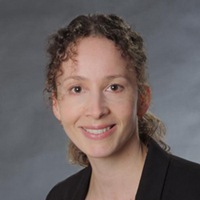
Jeremy Wideman is an Assistant Professor at Arizona State University's School of Life Sciences. His research focuses on evolutionary biology, mitochondrial evolution, protistology, and comparative genomics. He investigates fundamental questions about eukaryotic evolution, including mitochondrial genome diversity, organelle biogenesis, and the evolutionary relationships among protists. Professor Wideman's research explores cellular evolution through advanced genomic and proteomic approaches. His work spans mitochondrial dynamics, endosymbiotic theory validation, and the development of computational tools for phylogenetic analysis. Recent investigations focus on cristae architecture formation and the evolutionary trajectories of mitochondrial protein complexes across diverse eukaryotic lineages. His publications consistently demonstrate a strong emphasis on developing genomic databases (EukProt), advancing single-cell analysis techniques for protists, and reconstructing ancestral cellular states. The research integrates experimental biology with bioinformatic approaches to understand organelle evolution and cellular complexity.
Jing Chen is an Associate Research Scientist at Yale School of Medicine, part of Yale University. Her research focuses on structural biology and cryo-electron microscopy (Cryo-EM), with a particular emphasis on determining protein structures in situ and analyzing viral architectures. Her work bridges molecular biology, virology, and advanced imaging techniques to elucidate cellular mechanisms at atomic resolution. Recent publications highlight her contributions to understanding ribosome dynamics, severe fever with thrombocytopenia syndrome virus structure, and optimizing Cryo-EM methodologies. She leads the Chen Lab, advancing technologies for high-resolution cellular imaging and native environment structural analysis. Her research has been featured in top-tier journals, and she collaborates on interdisciplinary projects involving computational biology and material science. No specific awards or student advisees are listed in the provided materials.
Prof. Carolin Wichmann is a Professor at the University Medical Center Göttingen (UMG), leading the Wichmann group within the Institute for Auditory Neuroscience . Her research focuses on the molecular and structural basis of synapse function, particularly at sensory synapses in the inner ear. Using advanced techniques like electron tomography, high-pressure freezing, and optogenetics, her group investigates how synapse architecture relates to functional properties in hearing mechanisms. Research Interests: Electron microscopy-based 3D structural analysis of synapses Optogenetic stimulation of inner hair cells Role of otoferlin and other synaptic proteins in hearing Calcium channel regulation in auditory synapses Developmental maturation of synaptic structures Funding & Projects: Recipient of REACT-EU/ERDF funding (2022-2023) for acquiring advanced STEM tomography equipment Led the ETomoH&H project studying ultrastructural changes in neurological and cardiological diseases Advising & Team: Current lab members: Julius Bahr, Ruchi Modgekar Prominent former members include Dr. Rituparna Chakrabarti and Dr. Jana Kroll Collaborates with multiple groups (e.g., Cretu, Goßler labs) on auditory neuroscience projects Labs & Facilities: Specializes in ultrastructural imaging with state-of-the-art microscopy Develops SynapseNet deep learning tools for synapse analysis Manages the Otoferlin and CABP2 registries for genetic deafness research
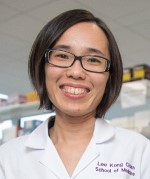
Dr. Guan Xue Li is an Assistant Professor at the Lee Kong Chian School of Medicine, Nanyang Technological University (NTU), and recipient of the 2016 Nanyang Assistant Professorship. She holds a PhD from the National University of Singapore (2009) and has held postdoctoral positions at the University of Geneva and the Swiss Tropical and Public Health Institute (Swiss TPH). Her research focuses on lipidomics and systems biology of lipid metabolism in infectious diseases, particularly tuberculosis, parasitic infections, and metabolic disorders. She leads the Systems Biology of Lipid Metabolism in Human Health and Diseases Laboratory and collaborates with global academic and industry partners. Education: PhD in Biological Sciences, National University of Singapore (2009); Postdoctoral Training: Swiss TPH (2011–2016), SystemsX.ch Consortium (Switzerland). Research Interests: Pioneering lipidomics tools to study host-pathogen lipid interactions, identifying drug targets and biomarkers for infectious diseases, and exploring lipid roles in diabetes-tuberculosis comorbidity. Her lab integrates lipidomics with genomics, proteomics, and epidemiology to address antimicrobial resistance and metabolic disease linkages. Awards: 2016 Nanyang Assistant Professorship, MBC Paper of the Year 2009, and featured in MBoC's 20th Anniversary Favorites (2012). She secured the Ambizione Career Grant (Swiss NSF, 2011) and co-invented a patent on lipid-based diagnostic tools. Advising & Grants: Supervises students like Lee Li Xian Megan and leads projects funded by international grants. Collaborates with local healthcare groups and institutions such as Swiss TPH. Labs/Teams: Directs the Systems Biology of Lipid Metabolism Lab, focusing on translational research in lipid-driven disease mechanisms. The lab develops novel lipidomics tools and investigates microbial lipid pathways in pathogens like Mycobacterium tuberculosis.
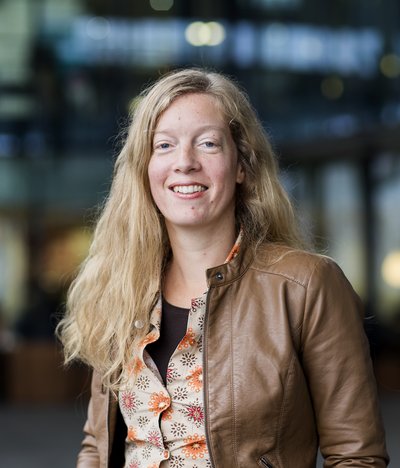
Ilja Voets is a Full Professor at Eindhoven University of Technology (TU/e) , holding positions in the Department of Chemical Engineering and Chemistry and the Institute for Complex Molecular Systems (ICMS) . Her research focuses on interdisciplinary studies of self-assembly processes in soft matter, particularly antifreeze proteins and smart materials. She leads the Self-Organizing Soft Matter group, collaborating with chemists, physicists, biologists, and engineers to bridge fundamental science and applied material design. Education: She earned a PhD cum laude in 2008 from Wageningen University (supervised by Arie de Keizer and Martien Cohen Stuart) and held a postdoc at the University of Fribourg (Switzerland). She joined TU/e in 2011 as an Assistant Professor, becoming a Full Professor in 2018. Research Interests: Her work spans colloidal self-assembly, polymer folding, protein biophysics, and ice-binding proteins. Key projects include designing antifreeze proteins for cryopreservation, light-responsive materials, and smart polymers for biomedical applications. She explores how environmental cues (e.g., light, temperature) can control self-assembly dynamics. Roles & Impact: She serves as an Associate Editor for ACS Nano and has contributed to Proceedings of the National Academy of Sciences and Angewandte Chemie . Her research bridges academia and industry, addressing challenges in food science, biomedical engineering, and materials innovation. Labs & Teams: Her group collaborates with TU/e’s ICMS to advance complex molecular systems research. Projects often involve correlative microscopy, computational modeling, and interdisciplinary design strategies.
Alexander Melkozernov is an Assistant Teaching Professor at Arizona State University (ASU), affiliated with the School of Applied Sciences and Arts. His research focuses on molecular mechanisms of natural photosynthesis and bioenergy, with a background in interdisciplinary studies at the intersection of Biology, Biochemistry, and Biophysics. Education: Ph.D. in Biophysics from the Russian Academy of Sciences Institute of Biophysics (1990). Research Interests Molecular mechanisms of photosynthetic energy conversion Bioenergy applications Structural and functional analysis of photosynthetic complexes Teaching Melkozernov has over 10 years of experience teaching Chemistry and Biology disciplines, including courses like Molecular and Cellular Biology, Principles of Biochemistry, and General Chemistry. Recent courses include ABS 311, BCH 361, CHM 237/238, and CHM 113/116. Grants & Research Activity NSF-MPS grant (2004–2011): Studied supercomplexes of Photosystem I in green algae and cyanobacteria. USDA grants (2001–2007): Investigated energy coupling and excitation dynamics in photosynthetic systems. Labs & Teams Previously served as Scientific Program Manager for the Center for Bio-Inspired Solar Fuel Production at ASU's Department of Chemistry (2010–2014).
Thomas Stiehl is a Professor for Disease Modeling and Computational Medicine at RWTH Aachen University's Institute For Computational Biomedicine since 2021. He also holds an Honorary Associate Professorship at Roskilde University, Denmark. His research focuses on mathematical modeling of stem cell dynamics in blood cancers, aging processes, and regenerative medicine. He completed his PhD in Mathematics (2014) and Medical License (2016) at Heidelberg University, with postdoctoral research in computational oncology and stem cell biology. Education: Dr. rer. nat. (2014) – Heidelberg University Medical License (2016) – Heidelberg Medical School Diploma in Mathematics (2009) – Heidelberg University Intermediate Diplomas in Physics (2006) and Mathematics (2005) – Heidelberg University Research Interests: Mathematical modeling of hematopoietic stem cell dynamics in AML, MDS, and MPN Quantitative analysis of stem cell aging and neurogenesis Computational prediction tools for personalized cancer therapy Plant meristem regulatory mechanisms Teaching: Currently teaches courses on programming fundamentals, medical simulation, and biostatistics at RWTH Aachen. Has previously led courses on partial differential equations and mathematical modeling in biomedical engineering. Awards & Grants: Recipient of the Lundbeck Foundation Fellowship (2020) for personalized cancer progression modeling. Active in over 20 journal review panels and speaker at international conferences on computational biology and oncology. Collaborations: Participates in SFB 873 (Stem Cell Maintenance) and SCIDATOS-Alliance (Sepsis Modeling). Co-supervised 15+ students across internship, bachelor, master, and PhD levels.
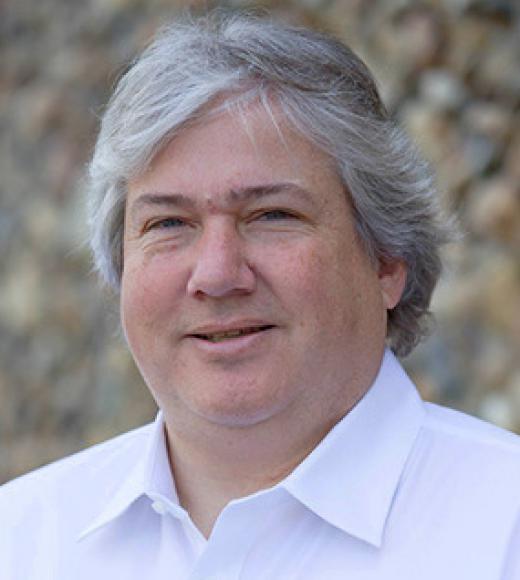
Donald P. Land is a Professor of Chemistry at the University of California, Davis since 1991. His research focuses on surface chemistry at interfaces, including catalysis, biomedical implant interactions, and environmental remediation. He developed novel techniques like laser-induced thermal desorption (LITD) combined with Fourier transform mass spectrometry (FTMS) for studying surface reactions. His work integrates microscopy and molecular kinetics to understand structure-function relationships in surface chemistry. Education: Ph.D. in Chemistry (1989, UC Irvine), B.A. in Chemistry (1984, Lawrence University of Wisconsin). Postdoctoral training included Alexander von Humboldt Fellowships (1990-1991) and research at UC Irvine's Institute for Surface and Interface Science (1989-1990). Research emphasizes heterogeneous catalysis, surface reactivity of metals (e.g., Pd(111)), and analytical methods for studying adsorbate interactions. Recent work expanded into cannabis chemistry, forensic glass analysis, and polymer surface engineering. Publications span over three decades, with 15+ impactful articles since 2000. Notable contributions include studies on hydrocarbon decomposition on palladium surfaces and FTIR/FTMS-based surface characterization techniques.
Jose M. Arguello is the Walter and Miriam Rutman Distinguished Professor in Chemistry & Biochemistry at Worcester Polytechnic Institute (WPI). His primary affiliation is with the College of Science, where he leads research on microbial metal homeostasis. He holds a Biological Chemist degree from Universidad Nacional de Córdoba (1979) and a PhD in Biological Sciences from Universidad Nacional de Río Cuarto (1985). Research focuses on understanding how pathogenic and beneficial bacteria regulate micronutrient metals like copper, zinc, and iron to interact with host organisms. Key areas include transmembrane metal transporters, virulence mechanisms in Mycobacterium tuberculosis and Pseudomonas aeruginosa, and ATPase metal selectivity. Methodologies involve structural biology, biophysics, and collaborative techniques like X-ray fluorescence. Notable honors include Fulbright Scholar (2018), AAAS Fellow (2016), and multiple WPI Board of Trustees awards. He maintains active collaborations through the BioPoint interdisciplinary group and mentors students across levels in his lab. Current projects explore Salmonella pathogenesis mechanisms and copper's role in cell defense. His lab offers MQP opportunities and emphasizes interdisciplinary training in metallomics and microbial physiology.
Jared E. Toettcher is the Associate Professor of Molecular Biology and Deputy Director of the Omenn-Darling Bioengineering Institute at Princeton University. He holds additional faculty affiliations with the Department of Chemical and Biological Engineering and the Lewis-Sigler Institute for Integrative Genomics. Education: B.S. in Bioengineering, University of California, Berkeley (2004) Ph.D. from Massachusetts Institute of Technology (2009) Research Focus: The Toettcher Lab investigates how cells decode spatial and temporal signaling information to make critical decisions about growth, differentiation, and migration. Their work combines optogenetic tools (Phytochrome B/PIF6 system), high-resolution microscopy, and systems biology to study: Dynamic signal encoding in Ras/Erk pathways Spatiotemporal control of developmental processes Phase separation as a mechanism for cellular memory Cancer-related signaling pathway disruptions Synthetic control of metabolic and developmental systems Key Publication Trends: Recent work focuses on light-regulated systems for controlling signaling pathways (2023-2025), with particular emphasis on interferon receptors, embryonic symmetry breaking, and prime editing techniques. Earlier studies (2013-2018) established foundational optogenetic tools for studying Erk dynamics and metabolic flux control. Scientific Recognition: NSF CAREER Award (2018-2023) NIH New Innovator Award (2016-2021) Cancer Research Institute Fellow (2010-2013) MIT Presidential Fellow (2004) UC Berkeley Regents' Scholar (2000) Laboratory and Collaborations: The Toettcher Lab at Princeton University operates at the intersection of quantitative cell biology and engineering, with active collaborations across bioengineering, genomics, and developmental biology disciplines.
Prof. Dr. Jan-Philipp Machtens leads the Computational Neurophysiology group at the Institute for Biological Information Processes (IBI-1), Research Center Jülich. His work combines all-atom molecular simulations, machine learning, and experimental techniques to study neuronal signal processing at atomic resolution. Key research areas include ion channel/transporter function, sound amplification in the inner ear, and optogenetic tool development. Research Focus: Structure-dynamics-function relationships of membrane proteins SLC1 glutamate transporters and SLC26A5 (prestin) transport mechanisms Light-gated ion channels for optogenetics Multiscale computational methods for voltage-dependent proteins Techniques: Patch-clamp electrophysiology, time-resolved fluorescence spectroscopy, molecular dynamics simulations, machine learning Labs/Teams: Collaborates with the Calcium Channel Biology group (Prof. Patricia Hidalgo) and the Computational Structure Prediction team Recent work includes groundbreaking studies on outer hair cell electromotility mechanisms (2023), sodium channel stabilization (2023), and glutamate transporter dynamics in neurological disorders (2023). His lab's computational tools like g_elpot (2021) advance biomolecular electrostatic analysis.
Prof. Christoph Fahlke is a Professor at the Institute for Biological Information Processes (IBI) within Forschungszentrum Jülich, leading the Molecular and Cellular Physiology (IBI-1) department. His research focuses on membrane transport mechanisms, synaptic transmission, and the pathophysiology of genetic disorders. Recent work emphasizes the role of glutamate transporters and CLC anion channels in neurological diseases. Key research areas include: Mechanisms of ion transport in excitable cells Structure-function relationships of transporters like EAAT and ClC proteins Genetic mutations linked to neurodevelopmental disorders CLC channel modulation by fluoride and metabolic signals His publications highlight collaborative approaches combining experimental and computational methods to study ion channels. Notable contributions include elucidating CLC-3's role in pain perception and EAAT-linked ataxias. Current work explores how transporter dysfunction impacts glial and neuronal physiology. Prof. Fahlke's lab is part of the Helmholtz Association and collaborates widely, contributing to projects like the Peter Grünberg Institut. He has authored over 50 peer-reviewed articles and holds an ORCID ID: 0000-0001-8602-9952.
Christopher J. Falzone is an Associate Research Professor in the Department of Chemistry at Johns Hopkins University, with a long-standing secondary affiliation at The Pennsylvania State University, where he has served as Lecturer and Assistant Director of the NMR Facility since 1992. His academic home is within the Krieger School of Arts and Sciences at Johns Hopkins, where his research focuses on structural and dynamic properties of metalloproteins using NMR spectroscopy. Education: A.B. in Chemistry, Washington University (St. Louis) Ph.D. in Chemistry, 1984, Clarkson University (Potsdam, NY) Post-Doctoral Associate, University of Akron Post-Doctoral Associate, The Pennsylvania State University Dr. Falzone's research lies at the intersection of biochemistry and biophysics, with a strong emphasis on understanding protein structure, dynamics, and function—particularly in hemoproteins such as hemoglobins, cytochromes, and photosystem components. His work frequently explores how heme binding, covalent modifications, and metal coordination influence protein conformation and activity. He employs advanced NMR techniques to probe molecular interactions, folding pathways, and dynamic behavior in solution. His studies span diverse systems including cyanobacterial globins, Escherichia coli enzymes, and iron-sulfur clusters in photosynthetic complexes. Analysis of his recent publications reveals a sustained focus on metalloprotein structure and mechanism. The articles consistently apply NMR to characterize heme proteins, enzyme dynamics, and protein-ligand interactions. Key themes include heme pocket architecture, covalent cross-linking, hexacoordination, and the structural basis of electron transfer in photosystems. His work bridges structural biology with functional biochemistry, contributing to fundamental understanding of protein behavior in both prokaryotic and model eukaryotic systems. Although no formal scientific awards are listed in the provided text, Dr. Falzone's extensive publication record in high-impact journals such as Biochemistry , Journal of Molecular Biology , and Nature Structural Biology reflects significant scholarly contributions. His collaborative work with Dr. Julio Lecomte has produced influential insights into protein dynamics and metalloprotein function. Dr. Falzone has played a vital role in academic mentoring and education. At Penn State, he has served as Chemistry Undergraduate Advising Coordinator and Co-op Coordinator since 1997, guiding student development and academic planning. While no formal advisees are listed, his leadership in advising suggests a strong commitment to student mentorship. His research has likely been supported by federal grants, particularly from NIH or NSF, given the nature of his instrumentation (NMR) and collaborative, hypothesis-driven projects. He is an active member of the Lecomte Research Group, a team dedicated to biomolecular NMR and the study of protein structure and dynamics. The group utilizes advanced spectroscopic methods to investigate folding, stability, and functional mechanisms in metalloproteins. Their work integrates biochemical, biophysical, and computational approaches to unravel complex biological questions at the molecular level.
Dr Anton Calabrese is a University Academic Fellow in Biological Mass Spectrometry at the University of Leeds, affiliated with the Faculty of Biological Sciences and the School of Molecular and Cellular Biology. His research focuses on the structural and dynamic characterization of complex biological systems using advanced mass spectrometry techniques. His research interests lie at the intersection of structural biology, proteomics, and cellular dynamics. He specializes in studying transient and heterogeneous protein assemblies that are central to essential cellular functions and disease mechanisms. Using an integrative structural biology approach, he combines native mass spectrometry with ion mobility, chemical crosslinking, hydrogen-deuterium exchange, and FPOP to probe protein conformations and interactions in dynamic systems. Dr Calabrese's work targets key biological challenges, including the assembly mechanisms of viral replication factories in pathogens like Rotavirus, the structural basis of liquid-liquid phase separation (LLPS) in membrane-less organelles, and the role of protein dynamics in neurodegenerative diseases such as ALS and FTLD. He is also developing in-cell structural MS methodologies to study protein architecture within the native cellular environment. His research has significant implications for understanding fundamental biological processes and identifying novel therapeutic targets, particularly in virology and neurodegeneration. While no specific awards or publications are listed, his methodological innovations position him at the forefront of structural proteomics and dynamic structural biology. Position: University Academic Fellow in Biological Mass Spectrometry Institution: University of Leeds Faculty: Biological Sciences School: School of Molecular and Cellular Biology Location: Astbury 9.108g Contact: a.calabrese@leeds.ac.uk | +44(0) 113 343 7272 Dr Calabrese leads an independent research program focused on method development and application in structural mass spectrometry. His lab aims to bridge the gap between in vitro and in vivo structural biology by refining techniques such as XL-MS and FPOP for intracellular use, enabling real-time analysis of macromolecular assemblies in their native context.
Hesper Rego is an Associate Professor in Microbial Pathogenesis at the Yale School of Medicine, affiliated with the Boyer Center for Molecular Medicine. She holds a B.S. in Physics from Caltech (2005) and a Ph.D. in Biophysics from UCSF (2011). Her postdoctoral work focused on mycobacterial phenotypic heterogeneity under Eric Rubin at Harvard. Rego's lab integrates advanced microscopy techniques with studies of mycobacterial survival strategies under antibiotic and host stress. Education: B.S., Physics, California Institute of Technology, 2005 Ph.D., Biophysics, University of California, San Francisco, 2011 Postdoctoral Fellow, Harvard School of Public Health, 2011-2016 Research Interests: Rego's work bridges microscopy innovation and microbial pathogenesis, focusing on mycobacterial physiology. Key areas include: Super-resolution microscopy for live-cell imaging Mechanisms of phenotypic heterogeneity in Mycobacterium tuberculosis Cellular responses to antibiotic stress Cell wall synthesis and lipid trafficking Publications: Recent work highlights discoveries in mycobacterial divisome dynamics, CTP synthase filaments, and nucleoid-associated proteins' roles in antibiotic resistance. Themes include bacterial population heterogeneity, structural biology, and host-pathogen interactions. Awards: Pew Biomedical Scholar (2018) Searle Scholar Award (2018) Kingsley Award in Medical Research (2016) Lab & Collaborations: The Rego Lab works with collaborators like Lin Shao, Chunyan Wang, and María Lara-Tejero. Research focuses on live-cell imaging and systems approaches to understand mycobacterial survival strategies. Labsites include the Boyer Center for Molecular Medicine.