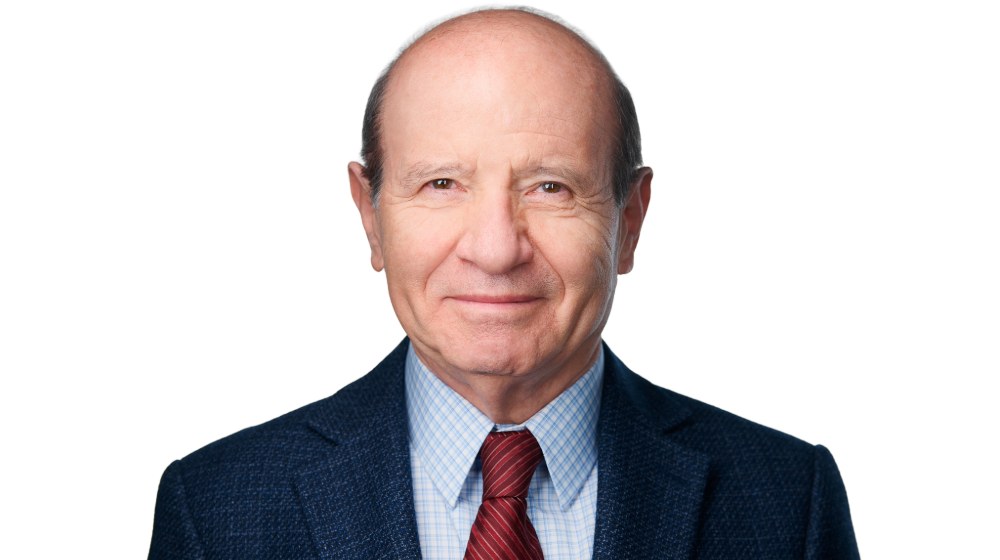
Guido Cristini is a Full Professor of Marketing at the Department of Economics and Management, University of Parma, since 2002. He has held significant managerial roles, including President of the first cycle degree program 'Food Systems: Management, Sustainability and Technologies' (since 2016), Deputy Rector (2011-2013), and Pro-rector for Teaching and Personnel. His academic affiliations also include past roles at Bocconi University and the National Library of Commerce. Teaching: Courses in Marketing Strategies for Agri-Food Products and Retail Marketing for Trade and Consumer Marketing programs. Research: Focus on marketing factors influencing healthy product choices, packaging innovation, nutritional claims, sustainable supply chain management, and consumer behavior in retail contexts. Editorial Roles: Member of multiple editorial and scientific boards for marketing and business communication journals and book series. His recent publications analyze the SOR model in consumer decision-making, packaging as a product enhancement tool, framing effects in nutritional communication, and bibliometric analyses of food labeling. He has contributed to understanding premium private labels, cash&carry pricing strategies, and the evolution of retail marketing in digital and sustainable contexts.
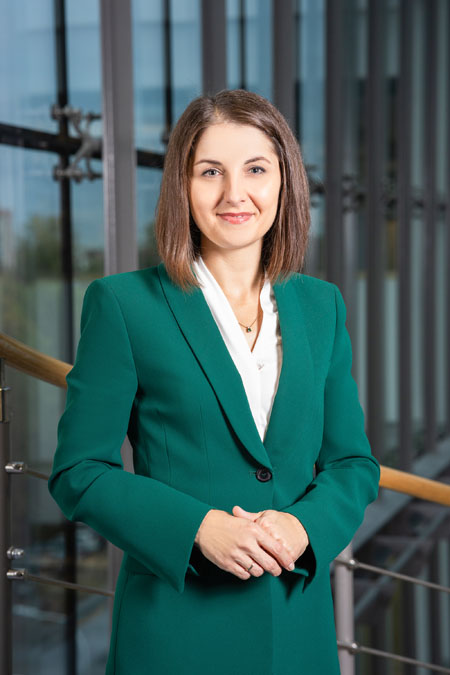
Cristina ZilianI is an Associate Professor at the Department of Economic and Business Sciences, Università degli Studi di Parma. Her academic career spans over two decades, with research focusing on retail marketing, e-commerce, loyalty programs, and omnichannel strategies. She has held visiting positions at institutions such as Oxford University and Stirling University. Ph.D. in Marketing, Università Bocconi di Milano, 1998 Full Honors Degree in Economics, Università degli Studi di Parma, 1992 Cambridge Certificate of English Proficiency, 1989 Her research explores the intersection of digital innovation and retail strategy, including touchpoint management, loyalty program effectiveness, and post-pandemic recovery in omnichannel environments. Recent work emphasizes generational differences in reward preferences and the role of big data/AI in loyalty management. Key trends in her publications include: Evolution of loyalty programs in digital ecosystems Comparative analysis of print vs. digital promotional channels Impact of experiential touchpoints on customer retention Strategic integration of omnichannel retailing Scientific contributions include: Best Research Paper Award, EAERCD Conference (2003) Editorial Board Member, International Review of Retail, Distribution and Consumer Research Active participation in EU-funded research initiatives (Leonardo Project) Teaching appointments include courses on International Branding & Retailing, Loyalty Marketing, and Negotiation Labs at the Second Cycle Degree level in International Business and Trade & Consumer Marketing programs.
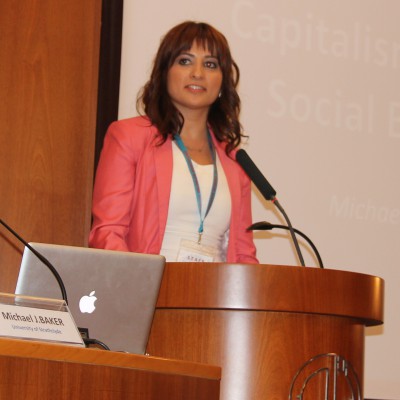
Dr. Maria Knecht-Tarczewska is affiliated with the Department of Marketing Management at Wrocław University of Economics. She holds a position in the Accreditation and International Relations Section, emphasizing her role in institutional governance and cross-border academic collaborations. Her primary office location is at ul. Komandorska 118/120 in Wrocław, Poland, with consultations available on Mondays 13:15-14:45 in room 8 of building B (prior arrangement via Teams required). Her research focuses on retail economics, legal frameworks for commercial real estate projects, and pandemic impacts on shopping centers. Key themes include stakeholder management in crisis scenarios, international vs. domestic drivers of retail development in Poland, and adaptation of service-quality metrics to evaluate marketing strategies in mall environments. Her publications span from legal analyses of construction project management to cross-cultural studies of retail development in the UK and pandemic-driven operational challenges. No scientific awards are listed, though her work demonstrates sustained engagement with practical industry challenges. Advising and grants information is not provided in the source material. She contributes to academic infrastructure through her role in accreditation processes and maintains an office presence indicating active involvement in teaching and administrative duties.
Prof. FAZIL KIRKBİR is a Professor at Karadeniz Technical University's Faculty of Economics and Administrative Sciences, Department of Business Administration. He holds a doctorate (2007) and master's degree from the same institution, specializing in Business Administration. His research focuses on marketing strategies, customer satisfaction, service quality, and tourism management. Key areas include healthcare services, political marketing, and consumer behavior analysis. Research highlights include structural models for customer loyalty in thermal tourism (2007), barter systems in Turkey (2005), and service quality in telecommunications (2024). He has advised over 20 theses, often exploring digital marketing, social media influence, and consumer decision-making processes. His funded project Yarınlar için genç anayasa (2012–2013) addressed youth civic engagement. Prof. Kirkbir has published extensively, with work appearing in journals like Journal of Medical Systems and Gümüşhane Üniversitesi Sosyal Bilimler Dergisi . He served as Assistant Director of the Institute of Social Sciences (2010–2012) and has participated in international conferences in Macedonia and Kosovo. His books include Toplum Mühendisi Siya Eğitim Başlıyor (2017) and Devlet Sırrı (2015).
Semra Doğan is an Assistant Professor at the Faculty of Economics and Administrative Sciences, Department of Business Administration, Kutahya Dumlupınar University since 2019. Previously held roles include Research Assistant at Anadolu University (2012-2018) and Doctor Lecturer at Dumlupınar University (2018-2019). She holds a PhD in Marketing from Eskişehir Anadolu University (2014-2018), Master's in Marketing from the same institution (2011-2013), and a Bachelor's in Business Administration from Dokuz Eylül University (2003-2007). Education Background: Bachelor's: Business Administration, Dokuz Eylül University (2003-2007) Master's: Marketing, Anadolu University (2011-2013) PhD: Marketing, Eskişehir Anadolu University (2014-2018) Research focuses on consumer behavior, brand loyalty, celebrity-product fit in advertising, sustainability practices, and supply chain management. Notable projects include studies on celebrity endorsement effects, pandemic behavioral economics, and ceramic industry supplier selection models. Key academic contributions include over 20 peer-reviewed articles and books on marketing theory and practice. Awards include the 2016 Best Thesis Award at the 21st Marketing Congress. Teaches courses in integrated marketing communications, scientific research methods, and current marketing approaches. Active in academic editing for journals like the Eskişehir Osmangazi University Journal of Social Sciences. Collaborates on interdisciplinary research spanning consumer psychology, digital marketing, and crisis communication strategies.
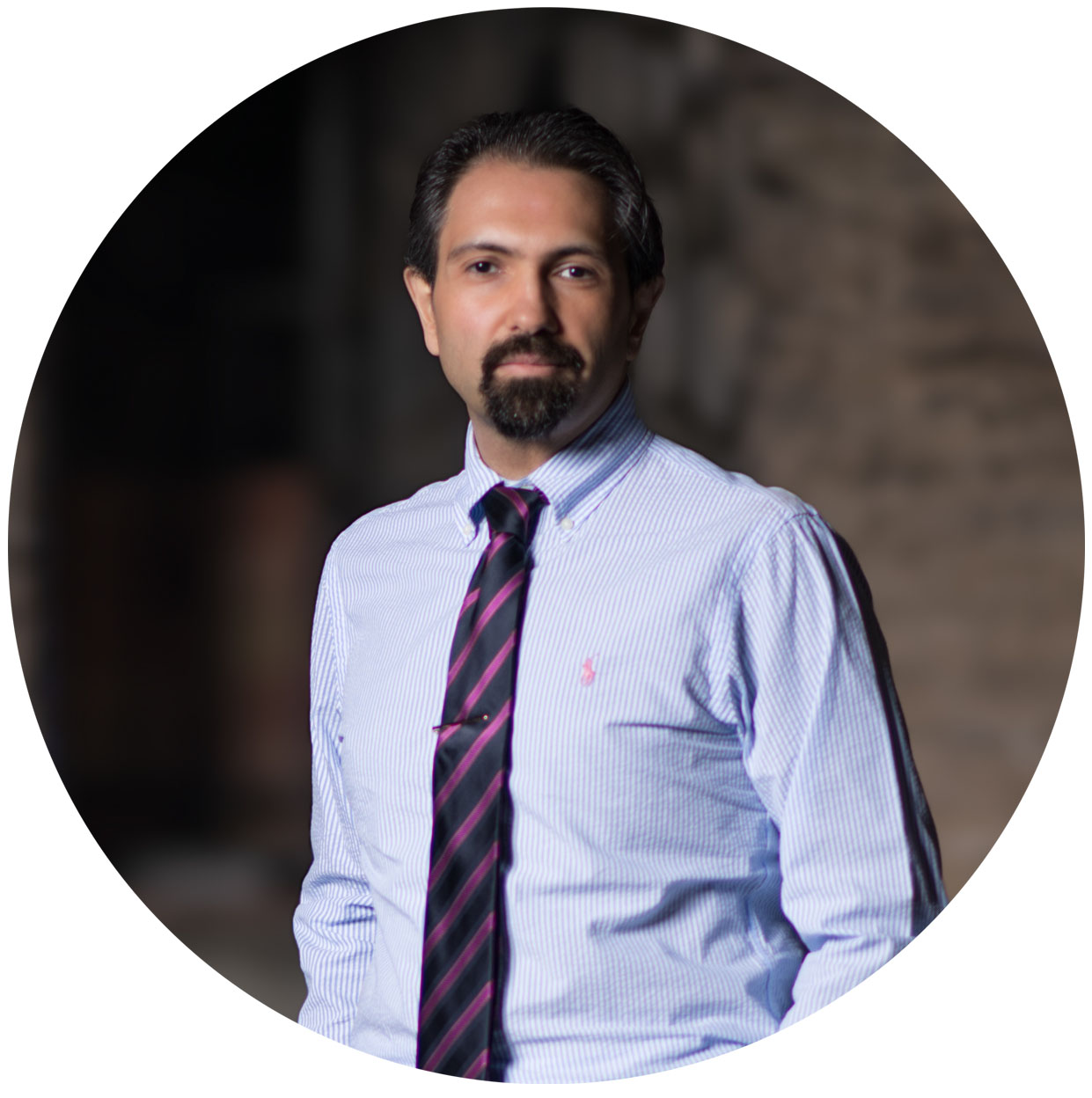
Dr. Ardalan Sameti is a researcher at UNSW Sydney with expertise spanning strategy (business & marketing strategies), branding, new product development, integrated marketing communication, consumer behavior, entrepreneurship, and innovation management. Holding a PhD in Business from Macquarie University (2021) and two MBAs in marketing management (2011) and strategic management (2014), he combines academic rigor with practical industry experience. His research focuses on the intersection of product development and strategic decision-making, examining creative outcomes in professional settings, change agent selection procedures, and methods for improving human resource management service quality. With 11 journal articles published between 2015 and 2025, his work appears in journals like Technovation , Journal of Product & Brand Management , and Leadership & Organization Development Journal . Scientific Awards: Nominated for UNSW Vice-Chancellor's Awards (2025) Professional Memberships: Product Development & Management Association (PDMA) Australian Innovation Management Institute (AIMI) Certified Practicing Marketer, Australian Marketing Institute (AMI) Australian Institute of Management (AIM) Design Institute of Australia (DIA) His work integrates academic research with industry applications, particularly in marketing roles across various organizations. He has received the International Research Training Program (IRTP) Scholarship from the Australian Government (2017) and maintains active collaborations with researchers like Amir Mashhady, Hamid Khalili, and Susan Koslow.
Michel Tuan Pham is the Kravis Professor of Business in Marketing at Columbia Business School, where he has been since 1994. He serves as Chair of the Marketing Division and Research Director of the Center for Global Brand Leadership. His expertise spans consumer behavior, branding, decision-making psychology, and marketing strategy. Pham holds a Licentiate in Applied Economics from the Catholic University of Louvain-Mons (Belgium), and M.A. and Ph.D. in Business Administration/Marketing from the University of Florida. His research focuses on the role of emotions in consumer judgments and decisions, with over 50 publications in top journals like Journal of Consumer Research and Psychological Science . He founded the Columbia RED Lab (Research on Emotion and Decisions) and has held visiting professorships at institutions such as the University of Chicago and Hong Kong University of Science and Technology. Pham teaches across all Columbia programs, including MBA, EMBA, PhD, and Executive Education. His courses cover strategic consumer insights, marketing strategy, and experimental design. He is also a sought-after consultant for global brands like adidas, Coca-Cola, and Gucci, advising on branding and consumer psychology. His awards include Fellow and Past President of the Society for Consumer Psychology, and recognition for groundbreaking research such as the 2023 JCR Best Article Award. His work frequently explores how emotions shape consumer experiences, brand loyalty, and market dynamics.
Georgia Yfantidou is an Associate Professor at the Department of Physical Education & Sport Science (DPESS) of Democritus University of Thrace. Her primary research focuses on sport tourism, sustainable tourism, and the integration of physical activity into educational and recreational frameworks. She holds a Ph.D. in Sports Tourism and Recreation (2009) and a Master’s in International Hospitality and Tourism (2014), with additional postgraduate studies in Physical Activity & Recreation (2004). Key Affiliations: DPESS Teaching Assignments (e.g., Sport Tourism, Hotel Animation, Educational Tourism) Leadership Roles: Scientific Supervisor of DPESS DUTH Internship Program Geographic Expertise: Eastern Macedonia & Thrace tourism dynamics Her research interests combine empirical studies on tourist behavior, sustainable development strategies in hospitality, and innovative applications of technology in tourism management. She has extensively published on topics such as eco-tourism preferences, green hotel practices, and recreational park design. Recent work includes studies on post-pandemic customer experience management and CSR initiatives in sports organizations. Articles collectively emphasize Greece’s tourism potential, particularly in sport-related sectors, while addressing challenges like accessibility for disabled tourists and demographic influences on travel decisions. She collaborates regularly with international institutions like the University of Verona and the Università Guglielmo Marconi. Notable Research Themes: Sustainable Tourism Development, Sport Tourism Enterprises, Destination Competitiveness, and Digital Tourism Solutions.
Dr. Nigel Barrett holds academic roles as an Adjunct Professor at the University of Economics, Ho Chi Minh City, Vietnam, and Phranakhon Rajabhat University, Thailand, alongside being an Industry Fellow in the Marketing Discipline Group at the University of Technology Sydney (UTS). He previously served as Head of the School of Marketing at UTS (1992–98, 2005–07), Associate Professor (1990–2008), and Director of multiple programs including the UTS/Mahidol double-degree Masters Program. His expertise spans international marketing, with a focus on Asian markets, global branding, and the impact of digital technology on business expansion in emerging economies. Education Background: Prior to academia, Barrett held management roles in Australian industrial and consumer goods companies, blending industry experience with academic rigor. His research emphasizes the internationalization of firms in Asia, leveraging digital tools and cross-cultural insights. Research Interests: His work explores how firms in transitional markets leverage the internet for globalization, relationship quality in B2B contexts, and brand strategies in Vietnam, Thailand, and China. Notable areas include consumer ethnocentrism, hedonic shopping motivations, and signaling theory in export-import dynamics. Teaching & Outreach: Barrett teaches international marketing across institutions in Shanghai, Thailand, and Vietnam, and advises on strategic partnerships between UTS and universities in Asia. He has led over 100 commercial market research projects for organizations in Asia, Europe, and beyond, focusing on market entry strategies and feasibility studies. Professional Contributions: He serves on editorial boards for journals like International Marketing Review and Journal of Business-to-Business Marketing . His work has pioneered international marketing programs at UTS, including the Master of Business in International Marketing and the Market Strategy and Information Technology Group (MSAT).
Professor Elizabeth (Liz) Williams is a full-time Professor of Human Nutrition and Deputy Director of Education at the School of Medicine and Population Health , University of Sheffield . She is affiliated with the Academic Unit of Primary Medical Care and plays a key leadership role in postgraduate education, particularly within the MSc Human Nutrition and MRes Healthy Musculoskeletal Ageing programs. PhD in Nutrition, University of Sheffield Post-doctoral research at MRC Dunn Nutrition Unit, Cambridge Field experience in The Gambia Lecturer at Newcastle University before returning to Sheffield in 2003 Promoted to Professor in 2025 Her research interests center on the role of diet in preventing chronic diseases and promoting healthy ageing, with specific focus on musculoskeletal health , digestive health , male fertility , and the use of technology (e.g., NANA system) for dietary assessment and behavior change. She co-leads the non-clinical lifestyle intervention workstream at the Healthy Lifespan Institute and is a member of the Institute for Sustainable Food . Her work emphasizes multidisciplinary intervention trials and public health nutrition. The 15 most recent publications (2020–2024) reflect a strong focus on protein intake in older adults , vitamin D and musculoskeletal/IBS outcomes , colorectal cancer prevention (especially via the seAFOod trial), and digital tools for dietary self-management (e.g., DASH apps). Her research integrates epidemiology, clinical trials, biomarker analysis, and behavioral science. Scientific contributions and service: Editorial Board Member, Journal of Human Nutrition and Dietetics Manuscript reviewer for top journals including British Journal of Nutrition , International Journal of Cancer , and Geriatrics External Examiner at Leeds University Association for Nutrition Course Accreditation Assessor Active in organizing Nutrition Society meetings Advising and grants: She supervises multiple PhD and MD students on topics related to vitamin D, protein supplementation, colorectal adenoma, and PEG feeding. While specific grants are not listed, her leadership in major trials (e.g., seAFOod) and sustained publication record indicate consistent funding. She has contributed to large collaborative projects involving multidisciplinary teams and national health programs. Labs and teams: She is closely associated with the development and validation of the Novel Assessment of Nutrition and Ageing (NANA) system—a computer-based dietary and cognitive assessment tool for older adults. She collaborates extensively with researchers in gerontology, gastroenterology, immunology, and digital health, particularly through the Healthy Lifespan Institute and Nutrition Society networks.
Kelly A. Parker is Professor of Philosophy and Director of the Environmental Studies Program at Grand Valley State University, where he is affiliated with the Department of Philosophy in the College of Liberal Arts and Sciences. His academic work bridges American pragmatism, environmental philosophy, and sustainability education. University: Grand Valley State University School: College of Liberal Arts and Sciences Department: Department of Philosophy Position: Professor and Director, Environmental Studies Program Email: parkerk@gvsu.edu, kap@protonmail.com His research centers on American philosophy , particularly the works of Charles S. Peirce and Josiah Royce, and extends into environmental pragmatism , aesthetics , and the philosophy of sustainability . He emphasizes interdisciplinary approaches, integrating philosophical inquiry with environmental studies, ethics, and civic engagement. Parker’s recent publications reflect a sustained focus on resilience, environmental justice, and pedagogical innovation. His edited volume Pragmatist and American Philosophical Perspectives on Resilience (2019) explores resilience as a pragmatic concept with applications in environmental and social contexts. Other recent writings include teaching resources on environmental justice and climate change, demonstrating his commitment to accessible, applied philosophy. His earlier scholarship includes The Continuity of Peirce's Thought (1998) and studies on Neoplatonism in Peirce’s metaphysics. Key Research Themes: Environmental pragmatism and civic philosophy Philosophy of resilience and sustainability Interdisciplinary environmental education Peirce’s semeiotic and metaphysics Josiah Royce and community ethics Kelly A. Parker has been actively involved in curriculum development, teaching courses such as Environmental Justice, Aesthetics, and the Environmental Problem Solving capstone. He also contributes to public philosophy through accessible writings and open educational resources. His work underscores the relevance of classical American philosophy to contemporary environmental and ethical challenges.
Alan S. Dick is Chair and Associate Professor of Marketing at the School of Management, University at Buffalo. He holds a PhD, MA, and BSBA from the University of Florida. His research focuses on applying consumer behavior insights to marketing strategy, particularly in areas like customer loyalty, private label brands, and consumer inference-making. He has published extensively in top journals including Journal of Consumer Research and Journal of Marketing . His administrative roles include coordinating the Marketing Department’s PhD Program and serving on the School of Management’s PhD Program Committee. He collaborates with the Williamsville School District on promotional campaigns and consults for companies like Leica Microscopes. His work bridges theoretical consumer psychology with practical marketing strategy, emphasizing evidence-based approaches to brand management and customer retention. Key themes in his research include understanding how consumers form brand perceptions, the psychological mechanisms behind loyalty programs, and optimizing retail strategies through data-driven analyses. His publications since the 1980s reflect a sustained focus on bridging academic rigor with real-world marketing challenges.
Professor Alexander Fischer holds the Professorship for Marketing & Media Management at Wedel University of Applied Sciences in the Hamburg Metropolitan Region. He leads the master's program in Sustainable & Digital Business Management and teaches courses in brand research, market analysis, and digital transformation. Doctorate in Business Administration (Summa cum laude) - University of Wuppertal Research focus: Brand Motor Skills, Brand Love, VR/AR in marketing, body feedback processes His publication record includes empirical studies on gender diversity in corporate leadership (2020-2018), advertising effectiveness (2016-2007), and brand emotion dynamics (2017-2012). Key outlets: Psychology & Marketing , Marketing Letters , Springer Gabler. Scientific Awards Best Paper Award at Der Markentag 2014
Faruk Guder is a Professor of Information Systems and Supply Chain Management at the Quinlan School of Business, Loyola University Chicago. He has been a faculty member since 1983 and served as Associate Dean (2006–2016) and Chair of the Information Systems and Operations Management Department (1999–2006). He holds a PhD and MBA from the University of Wisconsin-Madison and a BA from Aegean University in Turkey. PhD in Operations Management, University of Wisconsin-Madison MBA in Production/Operations Management, University of Wisconsin-Madison BA in Operations Management, Aegean (Ege) University, Turkey Dr. Guder’s research focuses on operations management, business analytics, inventory control, quality management, and teaching evaluations . His work integrates mathematical modeling with real-world applications in supply chains and education. He has contributed extensively to journals such as Management Science , Mathematical Programming , and European Journal of Operational Research . His recent publications (2023–2024) emphasize sentiment analysis in professor ratings, Net Promoter Score (NPS) in retail and political marketing, and CSR impacts on employee and customer satisfaction. Earlier works focus on optimization, spatial price equilibrium, and inventory systems with constraints. These reflect a consistent trajectory in decision modeling, analytics, and operational efficiency . Scientific awards include multiple Faculty of the Year honors at the undergraduate, graduate, and MBA-HCM levels, the Dean’s Faculty Service Award (2016), and research fellowships. His contributions highlight excellence in both teaching and research. Dr. Guder has advised numerous students and contributed to curriculum development in business analytics and operations. He has taught courses in business statistics, data analysis, quality management, and database systems across undergraduate, MBA, and executive programs. He is actively involved in professional service as a manuscript reviewer for top journals including Management Science and Operations Research . He is a member of INFORMS and the American Society for Quality (ASQ), and served as an Examiner for the Illinois Lincoln Award for Business Excellence. His work bridges academic rigor with industry relevance through applied analytics and process improvement.
Frederick Kaefer is an Associate Professor of Information Systems at the Quinlan School of Business, Loyola University Chicago. His research emphasizes machine learning, ethical data use, and societal impacts of algorithms. He previously directed the Master of Science in Information Systems Management program and was recognized as Outstanding Graduate Faculty Member of the Year. Kaefer holds a PhD in Management Information Systems from the University of Iowa, along with an MBA and BS in Mathematics/Computer Science from Loyola University Chicago. Key research interests include wireless communication technologies, network security, and decision support systems. He actively contributes to professional organizations such as the Association for Information Systems (AIS) and INFORMS. Kaefer has taught over 15 courses spanning undergraduate and graduate levels, including programming, telecommunications, and global IT strategy. His award-winning work includes 'Data for Societal Good' and 'Teaching Data for the Greater Good,' integrating Ignatian pedagogical principles. He has received grants for research exploring ethical AI applications and cybersecurity solutions. Kaefer is affiliated with Loyola's UX & Biometrics Lab and contributes to the Behavioral Lab, focusing on human-centered technology design.



[1726086519].jpg)