معرفی
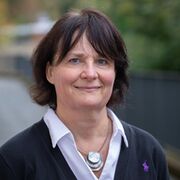
Professor Elizabeth (Liz) Williams is a full-time Professor of Human Nutrition and Deputy Director of Education at the School of Medicine and Population Health, University of Sheffield. She is affiliated with the Academic Unit of Primary Medical Care and plays a key leadership role in postgraduate education, particularly within the MSc Human Nutrition and MRes Healthy Musculoskeletal Ageing programs.
- PhD in Nutrition, University of Sheffield
- Post-doctoral research at MRC Dunn Nutrition Unit, Cambridge
- Field experience in The Gambia
- Lecturer at Newcastle University before returning to Sheffield in 2003
- Promoted to Professor in 2025
Her research interests center on the role of diet in preventing chronic diseases and promoting healthy ageing, with specific focus on musculoskeletal health, digestive health, male fertility, and the use of technology (e.g., NANA system) for dietary assessment and behavior change. She co-leads the non-clinical lifestyle intervention workstream at the Healthy Lifespan Institute and is a member of the Institute for Sustainable Food. Her work emphasizes multidisciplinary intervention trials and public health nutrition.
The 15 most recent publications (2020–2024) reflect a strong focus on protein intake in older adults, vitamin D and musculoskeletal/IBS outcomes, colorectal cancer prevention (especially via the seAFOod trial), and digital tools for dietary self-management (e.g., DASH apps). Her research integrates epidemiology, clinical trials, biomarker analysis, and behavioral science.
Scientific contributions and service:
- Editorial Board Member, Journal of Human Nutrition and Dietetics
- Manuscript reviewer for top journals including British Journal of Nutrition, International Journal of Cancer, and Geriatrics
- External Examiner at Leeds University
- Association for Nutrition Course Accreditation Assessor
- Active in organizing Nutrition Society meetings
Advising and grants: She supervises multiple PhD and MD students on topics related to vitamin D, protein supplementation, colorectal adenoma, and PEG feeding. While specific grants are not listed, her leadership in major trials (e.g., seAFOod) and sustained publication record indicate consistent funding. She has contributed to large collaborative projects involving multidisciplinary teams and national health programs.
Labs and teams: She is closely associated with the development and validation of the Novel Assessment of Nutrition and Ageing (NANA) system—a computer-based dietary and cognitive assessment tool for older adults. She collaborates extensively with researchers in gerontology, gastroenterology, immunology, and digital health, particularly through the Healthy Lifespan Institute and Nutrition Society networks.