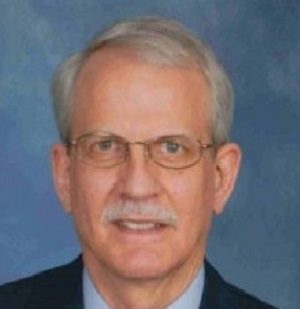
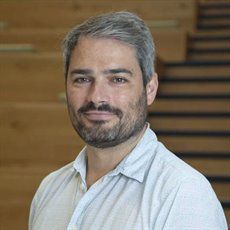
Prof. Dr. Jörg E. Drewes is a Full Professor and Chair at the Research Institute for Urban Water Management, Technical University of Munich (TUM), Germany. He also serves as Academic Program Director for Environmental Engineering at TUM and is a co-founder of Waterloop Solutions GmbH. His work spans advanced water treatment technologies, wastewater reuse, and environmental health surveillance. Affiliations : TUM, Colorado School of Mines, King Abdullah University of Science and Technology, UNSW Water Research Centre Research focuses on advanced oxidation processes , membrane fouling mitigation , micropollutant removal , and wastewater epidemiology for public health. His team develops integrated systems for water-energy-food nexus applications and graphene oxide-based treatment solutions. Recent publications address PFAS remediation , UVC-LED pre-treatment for biofouling control, and GIS-based wastewater surveillance models . Awards include the Bayerische Staatsmedaille (2023) and William Dunbar Medal (2022). 2023 : Bayerische Staatsmedaille 2022 : William Dunbar Medal 2018 : IWA Fellow He leads the Nexus@TUM initiative and contributes to EU water resilience strategies. Collaborations include projects in Germany, China, India, and Spain, focusing on climate-resilient water systems and resource recovery .
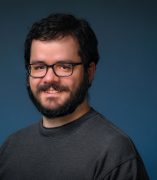
Aleksandar Jeremic is an Associate Professor in both the Electrical & Computer Engineering department and the McMaster School of Biomedical Engineering at McMaster University. His research focuses on biomedical signal processing, statistical signal processing, and biometrics, with applications in healthcare and biomedical systems. He holds a Dipl. Ing. from the University of Belgrade, and an M.S. and Ph.D. from the University of Illinois at Chicago. His expertise spans physiological signal analysis (e.g., ECG/EEG), medical imaging, and machine learning for biomedical applications. He has authored over 50 technical articles and two book chapters, and has been recognized with a teaching award from the McMaster Electrical and Computer Engineering Society (2018). He supervises graduate students in both theoretical and applied research areas. Dr. Jeremic teaches advanced courses such as Biomedical Signal Modeling and Processing and Advanced Probability and Random Processes , emphasizing practical applications of signal processing in healthcare. His work includes clinical implementations like neonatal seizure monitoring software and microwave imaging for breast cancer detection.
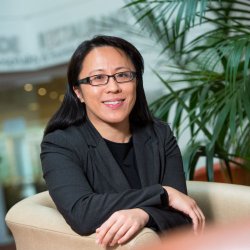
Professor Jiyuan Tu is a Professor in the Department of Mechanical and Automotive Engineering at RMIT University's School of Engineering. He specializes in computational fluid dynamics (CFD), multiphase flows, and their applications in renewable/nuclear energy, biomedical engineering, and built environment systems. His research has led to over 500 peer-reviewed articles, 9 books, and $10M+ in ARC grants. He has supervised over 50 postgraduate students and received prestigious awards such as the RMIT Research Excellence Award (2012) and Fulbright Senior Scholar Award (2008). Research interests include CFD modelling of bioaerosol transport, drug delivery systems, and thermal energy storage. He pioneered numerical models for multiphase flows, contributing to software implementations in industries. Notable works include books on CFD and multiphase flow analysis, and leadership in international conferences like COBEE 2018. He holds honorary professorships at Tsinghua University and is Editor-in-Chief of the Experimental and Computational of Multiphase Flow journal. Industry experience includes roles at ANSTO (1996-2001). Awards span fellowships from JSPS, KOSEF, and Fulbright programs. Grants include ARC Discovery, Linkage, and LIEF projects. His work ranks him among the world’s top researchers in pebble bed reactors and airborne infection studies (SciVal 2016-2025).
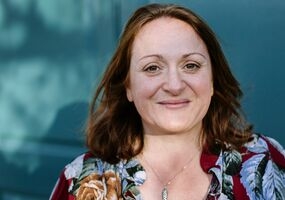
Zainab Taleb is affiliated with the University of Windsor, contributing to research in circadian biology and its implications for digestive health. Her work focuses on the interplay between circadian rhythms, intestinal stem cells, and disease mechanisms such as colitis and tumor initiation. She participated in a university panel addressing vaccine hesitancy related to the pandemic response. Research emphasizes circadian clock genes like BMAL1 and their role in metabolic and inflammatory processes. Collaborations may involve interdisciplinary teams studying chronobiology's impact on gastrointestinal disorders and oncology. Her studies utilize animal models to investigate timing-dependent physiological responses, with potential applications in therapeutic timing strategies.
Michael McAlpine is a Professor in the Mechanical Engineering department at the University of Minnesota . He also holds affiliations with the Biomedical Engineering and Electrical and Computer Engineering departments. His research focuses on 3D printing functional materials & devices , Nanoscale inks , Biomedical devices , Bioelectronics , and Flexible Microsystems . Research Interests : 3D Printing, Biomedical Engineering, Nanotechnology, Flexible Electronics, Microfluidics Labs : ME 361/363 Contact : mcalpine@umn.edu , (612) 626-3303, ME 117 Recent Research Trends include 3D Printed Biomedical Devices , Flexible Electronics , and Bioprinting Applications . His work spans from Spinal Organoid Formation to Programmable Drug Release Capsules . Scientific Award : Circulation Research 2020 Best Manuscript Award
Professor Jianhua Guo is a faculty member at The University of Queensland (UQ), holding the position of Professor and UQ Amplify Fellow in the Australian Centre for Water and Environmental Biotechnology (ACWEB). He is also the ACWEB Deputy Director - Research. His research focuses on integrating process engineering, environmental microbiology, and biotechnology to develop sustainable solutions for contaminant removal in water and wastewater systems. He is a pioneer in studying the environmental dimension of antimicrobial resistance (AMR), particularly how non-antibiotic pharmaceuticals and chemicals contribute to AMR spread. His groundbreaking work has been featured in over 100 media outlets and has secured over $14M in research funding. He has published over 200 peer-reviewed articles in journals like Nature Microbiology , Water Research , and Environmental Science & Technology . His accolades include the 2013 DECRA and 2017 ARC Future Fellowship. He serves as an editor for Journal of Hazardous Materials and Water Science & Technology . Research Interests Environmental AMR and microbial ecology Methane-based biotechnology and bioconversion Nitrogen cycling microorganisms Bioremediation and biofilm reactors Microplastics and health risks Wastewater treatment innovations Grants & Funding $14M+ in ARC Discovery/Linkage grants and industry partnerships ARC Training Centre for Environmental and Agricultural Solutions to Antimicrobial Resistance (CEA-StAR) Dual-membrane upgrading and anaerobic alkane oxidation projects Awards 2013 DECRA 2017 ARC Future Fellowship Supervision Prof. Guo actively supervises PhD and master’s students in areas like AMR mitigation, methane-based bioreactors, and microbial ecology. Notable supervised projects include studies on antibiotic resistance in wastewater, novel disinfection processes, and microbial oxidation of gaseous alkanes. Labs & Teams He leads research teams within ACWEB and collaborates with the Queensland Alliance for Environmental Health Science. His lab focuses on cutting-edge technologies like membrane biofilm reactors and gas fermentation systems.
Paul O'Toole is a Professor of Microbial Genomics and Principal Investigator at the APC Microbiome Ireland, University College Cork. His research focuses on the gut microbiome's role in health, aging, and disease, particularly in the context of diet and probiotics. He leads projects like the ELDERMET study on elderly nutrition and the NU-AGE project exploring Mediterranean diets' anti-aging effects. He holds a BA (Mod.) from Trinity College Dublin and a PhD from Lund University, with postdoctoral training in Canada and New Zealand. Key grants include studies on dairy-derived microbiota, probiotic strain improvement, and microbiome analysis in aging populations. He has published extensively on Lactobacillus genomics, gut-brain interactions, and microbiome-driven health outcomes. His work bridges fundamental microbiology with clinical applications, emphasizing translational research. Scientific highlights include discovering microbiome links to cognitive decline, demonstrating dietary modulation of gut microbes to combat obesity, and identifying keystone species in healthy aging. He advocates for sustainability in conservation and food systems, reflecting his interdisciplinary approach to global health challenges.
Dr. Jeremy Guest is the Levenick Professor in Civil and Environmental Engineering (and courtesy appointment in Chemical & Biomolecular Engineering) at the University of Illinois Urbana-Champaign (UIUC). He serves as Associate Director for Research at the Institute for Sustainability, Energy, and Environment (iSEE) and leads the Center for Advanced Bioenergy and Bioproducts Innovation (CABBI). His research focuses on advancing circular bioeconomies through sustainable sanitation systems, resource recovery from wastewater, and biofuel/bioproduct development from lignocellulosic biomass. Guest's work emphasizes Quantitative Sustainable Design (QSD) methodologies to bridge engineering innovation with policy and investment decisions. Education: PhD in Environmental Engineering (University of Michigan, 2012); MS (Virginia Tech, 2007); BS (Bucknell University, 2005). Research interests include wastewater treatment innovation, nutrient recovery, bioenergy systems design, and sustainable agriculture practices. Key contributions include the EcoRecover phosphorus recovery process, the QSDsan modeling platform, and leadership in CABBI's $262.5M DOE-funded initiative. Guest has secured funding from NSF, US EPA, USDA, and the Bill & Melinda Gates Foundation. Recognitions include the NSF CAREER Award, 2021 James J. Morgan Early Career Award, and the Paul L. Busch Award. He advises over 15 graduate students and leads multiple high-impact projects like the NEWgenerator sanitation system and oilcane biorefinery integration. Lab/Group: Guest Research Group focuses on experimental, computational, and policy-oriented research to solve global sustainability challenges. Current projects address algae-based wastewater treatment, fecal sludge management in low-income regions, and precision fermentation systems development.
Douglas K. Snyder is a Professor in the Department of Psychological and Brain Sciences within the College of Liberal Arts at Texas A&M University. He previously served as Director of Clinical Training from 1991 to 2012 and has been internationally recognized for his research on marital assessment and outcome research on marital therapy, particularly through his development of the Marital Satisfaction Inventory. Dr. Snyder earned his bachelor's degree from Wittenberg University in 1974, received his doctoral degree from the University of North Carolina at Chapel Hill in 1978, and completed his internship at Duke University Medical Center. Prior to his appointment at Texas A&M, he served on the faculty at Wayne State University in Detroit and at the University of Kentucky in Lexington, where he also served as Director of Clinical Training and Associate Dean in the College of Arts and Sciences. Dr. Snyder's research emphasizes the assessment, treatment, and prevention of couple relationship distress. His work centers on the Marital Satisfaction Inventory, a multidimensional measure of relationship accord now published in several languages and used worldwide. His treatment research focuses on tailoring therapy to specific partner and relationship characteristics by integrating cognitive, behavioral, emotion-focused, and insight-oriented interventions. His specific clinical interests include treating difficult couples with emotional, behavioral, and health problems, with particular attention to military and veteran couples and those dealing with infidelity. Dr. Snyder's recent publications demonstrate continued leadership in couple therapy, with emphasis on evidence-based approaches, treatment of infidelity, military couples, and cross-cultural applications of couple assessment tools. His work spans theoretical advancements and practical clinical applications. Outstanding Research Publication Award, Association for Marriage and Family Therapy, 1991 Professor of the Year Award, Texas Psychological Association - Division of Students, 1993 Award for Distinguished Contributions to Family Psychology, American Psychological Association, 2005 Outstanding Contributions to Science Award, Texas Psychological Association, 2008 Distinguished Alumnae Award, University of North Carolina (Chapel Hill), 2012 Distinguished Psychologist Award for Lifetime Contributions to Psychotherapy, American Psychological Association, 2015 Fellow of the American Psychological Association (Divisions 5, 12, 19, 29, 43) Fellow of the Association for Behavioral and Cognitive Therapies Fellow of the Society for Personality Assessment Dr. Snyder has served as Editor of the Clinician's Research Digest and as Associate Editor for the Journal of Consulting and Clinical Psychology and the Journal of Family Psychology. His research has been supported by the National Institute of Mental Health, with significant focus on military couples and relationship distress. He has developed evidence-based approaches for assessing and treating relationship problems across diverse cultural contexts. Dr. Snyder is affiliated with the Personality Processes research cluster at Texas A&M University, focusing on objective personality assessment and clinical assessment of couples and families. His work bridges research and clinical practice, with emphasis on developing practical assessment tools and treatment approaches for clinicians working with distressed couples.
Fabio Miranda is an Assistant Professor at the Department of Computer Science, University of Illinois at Chicago (UIC) . His research bridges visualization , machine learning , data management , and computer graphics to enable interactive visual analysis of large-scale urban datasets . He has developed systems like UrbanRama (for VR navigation) and The Urban Toolkit (a grammar-based framework), which have been deployed in academia, industry, and government agencies. Education: Ph.D., Computer Science , New York University (2018) M.S., Computer Science , Pontifical Catholic University of Rio de Janeiro (2011) B.S., Computer Science , Federal University of Minas Gerais (2009) Research Interests center on urban visual analytics , 3D analytics , and machine learning for accessibility . His work addresses challenges like sunlight access , sidewalk quality assessment , and commuting flow modeling , often collaborating with urban planners, climate scientists, and occupational therapists. Scientific Recognition includes awards at IEEE VIS , SIBGRAPI , and SIGMOD . His research is funded by NSF , NIH , DOT , and DPI , with media coverage in The New York Times , The Economist , and Architectural Digest . Teaching includes courses like CS 524: Big Data Visualization and Analytics and CS 424: Visualization and Visual Analytics . He emphasizes web-based systems, dataflow frameworks, and interdisciplinary collaboration, with open positions for PhD , MSc , and undergraduate researchers .
Professor Judy Lee is a Professor in Chemical and Process Engineering at the University of Surrey, affiliated with the School of Chemistry and Chemical Engineering within the Faculty of Engineering and Physical Sciences. She holds a B.Eng. (Chemical Engineering, Hons), B.Sc. (Physics), PG.Dip.Ed. (Secondary), and a Ph.D. Her research focuses on advanced oxidation processes, sonochemistry, membrane technology, and environmental remediation. She collaborates with industry on projects like wastewater treatment and microplastic mitigation. Current research includes osmotically driven membrane processes for dairy waste and ultrasound-enhanced contaminant removal. She supervises PhD students Dom Falconer and Ben Parrish. She is a member of the European Society of Sonochemistry, British Association for Crystal Growth, and European Membrane Society. Education: B.Eng. (Chemical Engineering, Hons), B.Sc. (Physics), PG.Dip.Ed. (Secondary), Ph.D. Research Interests: Sonochemical degradation of pollutants, membrane fouling mitigation, pharmaceutical removal from water, and crystal growth under sonication. Her work integrates sonochemistry with environmental engineering to address industrial and environmental challenges, such as PFAS remediation and microplastic filtration. Grants and Collaboration: Projects include industry-funded research on dairy waste concentration and wastewater treatment. She leads collaborations on membrane technology and ultrasound applications. Labs/Teams: Active in Surrey’s Chemical Engineering labs, focusing on advanced oxidation and membrane systems.
Professor Fay Couceiro is a Professor of Environmental Pollution in the School of Civil Engineering and Surveying at the University of Portsmouth. She leads the Microplastics Research Group and the 'Evaluating change across the plastics lifecycle' theme for the Revolution Plastics Institute, focusing on pollution sources, interventions, and collaborations with industry. She holds editorial roles at Cambridge Prisms: Plastics and peer reviews for multiple journals and funding bodies. Education: BSc in Marine Biology (Queen's University Belfast), PhD in Biogeochemistry (funded project on Strangford Lough), postdoctoral research at the University of Plymouth. Research Interests: Contaminants' fate, microplastics' environmental and health impacts, nutrient dynamics, heavy metals, and organic pollutants like PAHs. Her work integrates pure science with civil engineering solutions. Publications span 2007–2025, emphasizing microplastic toxicity, soil-oil interactions, and pollution mitigation strategies. Over 27 peer-reviewed articles highlight her contributions to environmental science. Advising & Grants: Supervises MSc/PhD students and collaborates with companies like Southern Water. Active in STEM outreach and UK research policy, including the EU's HR Excellence in Research accreditation process. Labs/Teams: Microplastics Research Group, Revolution Plastics Institute, and interdisciplinary teams in environmental technology and resilience.
Prof. Dr. Oliver Krüger is a behavioral ecologist and evolutionary biologist at Bielefeld University 's Faculty of Biology , where he leads the Department of Animal Behaviour since 2013. His research spans avian and marine mammal systems, focusing on life history strategies, parasite-host interactions, and environmental adaptation. Education: Biology studies at Bielefeld University (1994-1996) MSc in Oxford (1996-1997) PhD at Bielefeld University with Fritz Trillmich and Jan Lindström (1998-2000) Research Themes: Behavioral ecology, evolutionary biology, and population dynamics across tropical and temperate ecosystems. Key projects include NC³ (Niche Choice/Construction) and studies on Galápagos sea lions, common buzzards, and pinniped species. Scientific Leadership: Spokesperson, SFB TRR 212 "NC³" (2018-2025) Advisory Board member: German Ornithologists Union, IUCN SSC pinniped group, German Primate Centre Peer review roles: Humboldt Foundation, DFG, HFSP, NSF Awards: Leopoldina Prize (2001) Niko Tinbergen Award (2008) DFG Heisenberg Professorship (2010-2015)
Bruño Fraga is an Assistant Professor in the Department of Civil Engineering at the University of Birmingham, part of the School of Engineering. He specializes in Computational Fluid Dynamics (CFD) with a focus on turbulent and multiphase flows, particularly in applications like indoor air quality, water treatment, and airborne pathogen transport. His research group develops models such as Multiflow3D, addressing challenges in multiphase flow dynamics and environmental engineering. Education: MEng in Environmental Engineering (University of Santiago de Compostela, 1st class honors), MSc in Applied Math and Numerical Simulation (University of A Coruña), PhD in Civil Engineering (Universities of A Coruña and Chalmers). Research Interests: CFD modeling, bubble-induced turbulence, indoor air quality, water treatment technologies, and multiphase flow dynamics. Dr. Fraga leads major projects such as Fusion Forest (£1m, UKRI) and the IAQ-EMS initiative (£1m, Met Office), focusing on indoor air quality and pathogen transmission modeling. His work includes collaborations with organizations like Deltares Institute and Severn Trent, addressing wastewater treatment and environmental challenges. He is co-leader of the Fluids Research Group and the Water Technology stream at the University of Birmingham’s Water Centre. Scientific Awards: National Outstanding Graduate Prize (2011). Advising & Grants: Supervises graduate students in CFD and multiphase flow research. Oversees grants totaling over £2.1M, including fusion forest and buildair projects. Focuses on translating CFD expertise into real-world solutions for public health and environmental sustainability. Labs & Teams: Leads the Multiflow3D development team and collaborates with the Fluids Research Group and Water Technology stream.
Prof. Veronika Somoza is a leading academic in Nutritional Systems Biology, currently affiliated with the University of Vienna and Technical University of Munich (TUM). She holds a professorship in Molecular Food Science and has led key research groups such as the Institute of Physiological Chemistry and the Christian Doppler Laboratory for Bioactive Aromatics. Her career includes roles at institutions like the German Research Institute for Food Chemistry (Garching) and the University of Wisconsin-Madison. Education: Diplom (Justus Liebig University Giessen, 1991), PhD (University of Vienna, 1995), Habilitation (Kiel University, 2002) Research Focus: Bioactive food compounds, flavor chemistry, taste receptor signaling, and gastrointestinal physiology Her work bridges food science and human health, particularly in understanding how food ingredients influence digestion, inflammation, and disease. Notable contributions include discoveries on bitter peptide effects on gastric acid secretion and flavor perception modulation. Awards: FEMA Excellence in Flavor Science (2016), ACS AGFD Fellow (2020), Hans Adolf Krebs Prize (2004) Prof. Somoza has pioneered methodologies in atomic force microscopy for foodborne virus detection and developed bitterness-masking compounds for pharmaceuticals. Her interdisciplinary approach integrates nanobiophysics with nutrition to advance functional food design and clinical applications.