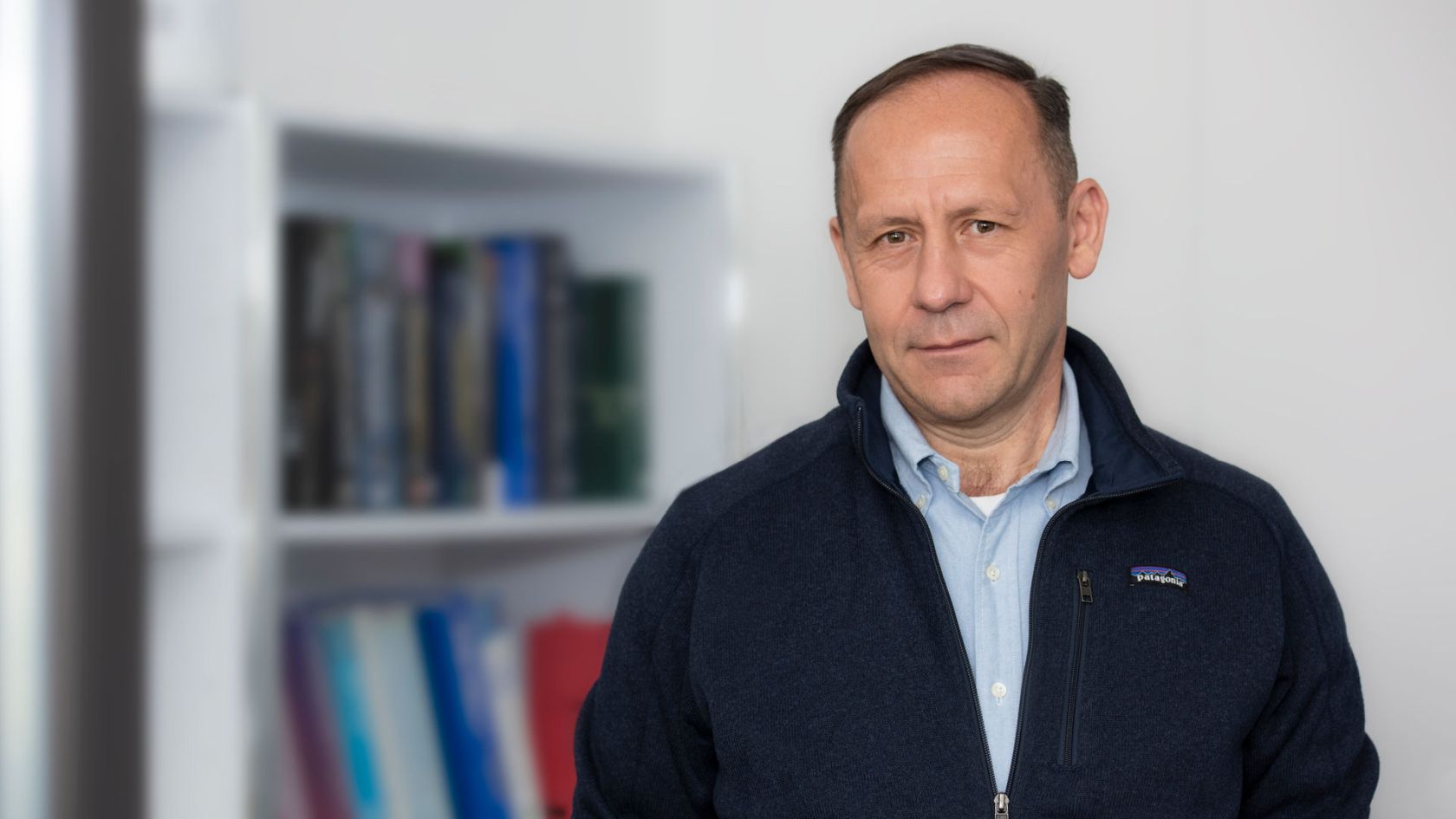
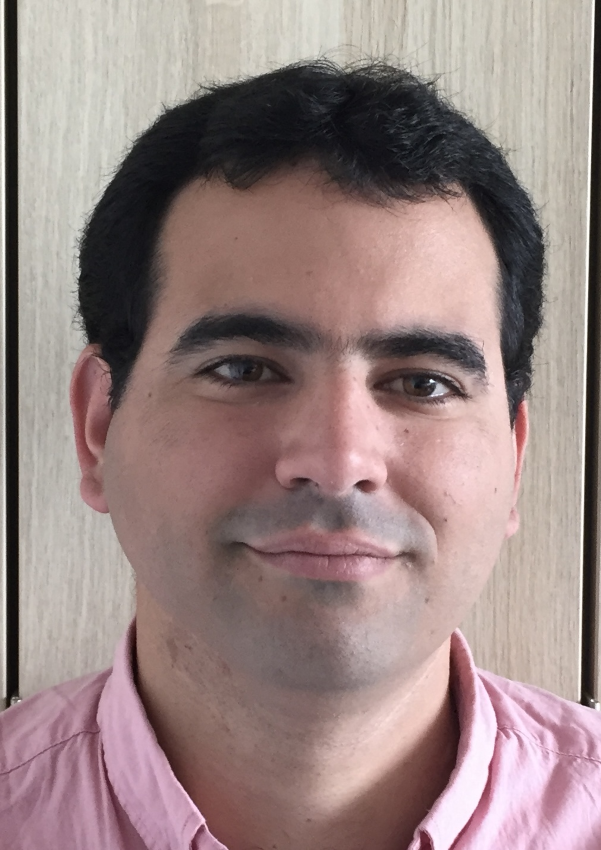
Tatiana Kameneva is an Associate Professor at Swinburne University of Technology's School of Engineering, specializing in biomedical engineering, computational neuroscience, and neural prosthetics. She holds a PhD from The University of Melbourne and degrees from Kazakh National University. Her research focuses on neural stimulation strategies for medical bionics, including retinal prosthetics and vagus nerve stimulation, with emphasis on understanding neural response mechanisms in health and disease. Research Interests: - Neurophysiological basis of cardiovascular regulation under stress - Optogenetic and electrical neuromodulation techniques - Computational modeling of visual and auditory prosthetics - Machine learning applications in medical diagnostics and assistive technologies - Translational research in retinal ganglion cell stimulation - Sympathetic nervous system dysfunction in obesity and hypertension Recent work includes studies on stress-induced brain activity using MEG and tVNS, nanoparticle-based retinal neuromodulation, and seizure forecasting algorithms. Key publications span high-impact journals like Journal of Neurophysiology , Neuromodulation , and ACS Nano . Awards: Travel Awards from Swinburne University and the Organization for Computational Neuroscience. Grants include projects on tVNS for dementia and hypertension, and visual acuity quantification for prosthetic devices. She is an Associate Editor for IEEE Transactions on Neural Systems and Rehabilitation Engineering , and actively reviews for multiple neuroscience and biomedical engineering journals.
Dr. Mark Bannister is a Senior Lecturer in Biomedical Sciences at Swansea University Medical School, part of the Faculty of Medicine, Health and Life Science. He holds a PhD from the University of Leeds and has held postdoctoral positions at Imperial College, Boston Biomedical Research Institute, and Cardiff University. His research focuses on pharmacological regulation of the ryanodine receptor, calcium signaling, and ion channel mechanisms. Dr. Bannister is also the Radiation Protection Supervisor for the School of Medicine and leads the Molecular Cardiology research group. Education: PhD in Chemistry from the University of Leeds Research Interests: Dr. Bannister's work explores calcium signaling pathways and ion channel regulation, with a focus on the ryanodine receptor's role in cardiovascular diseases and muscle physiology. His studies include drug mechanisms (e.g., flecainide and dantrolene), malignant hyperthermia mutations, and ER stress in heart failure. His research combines biochemical, biophysical, and genetic approaches to understand disease pathophysiology and therapeutic targets. Teaching: PM-130 Fundamental Research Skills PM-154 Human Physiology PM-266 Cardiovascular System PM-340 Being a Medical Scientist PM-344 Capstone Project Labs/Teams: He leads the Molecular Cardiology group and collaborates with the Swansea University Medical School's research teams. His lab focuses on ion channel dysfunction in cardiovascular and neuromuscular disorders.
Shujun Liu is a Researcher at the Center for Neuroscience and Regeneration Research, Yale School of Medicine, Yale University. His work focuses on ion channel biology, particularly sodium (NaV) and potassium (Kv) channels, in sensory neurons and their role in pain mechanisms, inflammation, and neuropathic disorders. He investigates protein trafficking, axonal dynamics, and channelopathies using advanced live-cell imaging and stem cell-derived neuron models. Research Interests : Dr. Liu’s research explores how sodium and potassium channels regulate neuronal excitability under physiological and pathological conditions. Key topics include: (1) inflammatory modulation of NaV1.7 and Kv channels in nociceptors, (2) mechanisms of axonal protein trafficking and recycling, (3) drug effects (e.g., paclitaxel) on ion channel localization, and (4) modeling inherited pain syndromes using induced pluripotent stem cells (iPSCs). His work bridges basic neurobiology with translational pain research. Publications Trends : Recent studies highlight co-trafficking of depolarizing NaV and hyperpolarizing Kv channels, compartment-specific channel regulation by TNF-α, and Ih current’s role in stabilizing DRG neuron excitability. These findings advance understanding of pain pathophysiology and potential therapeutic targets. Labs & Collaborations : Collaborates closely with Professors Stephen Waxman, Sulayman Dib-Hajj, and Sidharth Tyagi on projects related to ion channel dysfunction in chronic pain and neurological disorders.
Greg Rhee, PhD, is an Adjunct Associate Professor of Medicine (Psychiatry) and Public Health (Epidemiology and Biostatistics) at Yale University. His expertise lies in pharmaco-epidemiology and mental health services research, focusing on suicide prevention, mood disorders, and substance use disorders. He holds an adjunct appointment at the VA Connecticut Healthcare System and is a Senior Investigator at the Institute for Health Metrics and Evaluation (IHME). Education: PhD in Epidemiology (University of Minnesota, 2017), MA in Sociology (University of Chicago, 2011), AB in Sociology (Emory University, 2008). NIH Postdoctoral Fellowship in Mental Health Services Research (Yale, 2019). Research interests include comparative effectiveness of treatments, observational studies using large datasets (e.g., Medicare/Medicaid), and systematic reviews. Key areas: suicide epidemiology, ketamine therapies, and healthcare policy. His 250+ peer-reviewed articles address topics like suicide prevention strategies, antidepressant efficacy, and industry payment trends among psychiatrists. Notable collaborations include work with Joseph Ross, Robert Rosenheck, and Samuel Wilkinson. Awards: Fellow of the American College of Epidemiology (2022), Delta Omega (2023), and multiple NIH-funded grants. Serves on editorial boards for JAMA Psychiatry and Depression and Anxiety . Current roles: Principal Investigator on NIH/AHRQ grants, mentor for junior researchers, and advisor on health equity initiatives.
David Chalmers is an Associate Professor in Medicinal Chemistry at Monash University's Faculty of Pharmacy and Pharmaceutical Sciences, affiliated with the Monash Institute of Pharmaceutical Sciences. He specializes in computational drug design, focusing on molecular dynamics simulations, machine learning, and peptide chemistry to develop novel therapeutics targeting diseases like heart failure, Alzheimer’s, and HIV. His research integrates computational modeling with experimental validation to address challenges in drug-receptor interactions and drug formulation stability. He leads multiple interdisciplinary projects funded by the National Health and Medical Research Council (NHMRC) and collaborates globally on drug discovery initiatives. Research Interests: Computational chemistry, drug design, peptide analogues, AI-driven drug discovery, lipid-based formulations. Key Projects: Alpha1-adrenoceptor drug development for heart failure/Alzheimer’s, HIV reverse transcriptase inhibitors, mRNA lipid nanoparticle stability. Recent Work: Over 110 publications (2022-2025), including studies on peptide antagonists, molecular dynamics of drug formulations, and AI-enhanced molecular property prediction. His work contributes to UN Sustainable Development Goals related to good health and well-being, advancing precision medicine through innovative computational approaches.
Sandip Patel is Professor of Cell Signalling in the Department of Cell and Developmental Biology , University College London (UCL). Since 2011 he has led a research programme exploring calcium signalling through acidic organelles, and in 2025 became Head of the Research Department of Cell & Developmental Biology. He is a member of Academia Europaea and recipient of the 2023 GL Brown Prize Lecture. Education & Career 1992 – BSc Medical Biochemistry, University of Birmingham 1995 – PhD Pharmacology, University of Cambridge (supervisor Colin W. Taylor) 1996-1998 – Wellcome Trust International Prize Travel Fellow, Thomas Jefferson University & UMDNJ (USA) 1999-2000 – Wellcome Trust Fellow, University of Oxford (with Antony Galione) 2000-2001 – Wellcome Trust Career Development Fellow & Hayward Junior Research Fellow, Oriel College, Oxford 2001-2004 – Lecturer (tenured), UCL 2007-2011 – Reader (Associate Professor), UCL 2011–present – Professor of Cell Signalling, UCL 2025–present – Head, Research Department of Cell & Developmental Biology, UCL Research Interests The Patel lab investigates how acidic Ca²⁺ stores—particularly lysosomes—shape cellular Ca²⁺ signalling in health and disease. Using interdisciplinary approaches (molecular & structural biology, electrophysiology, bioinformatics, modelling), the group has: • Defined NAADP as a Ca²⁺ messenger acting via two-pore channels (TPC1/2). • Identified Ca²⁺/H⁺ exchangers (CAX) in animals and their role in cell migration. • Elucidated membrane contact sites between endolysosomes and the ER as hubs for Ca²⁺ signalling. • Linked lysosomal Ca²⁺ dysregulation to Parkinson disease, proposing TPC inhibition as a therapeutic strategy. Publication & Funding Trends Since 1999 Patel has published >40 peer-reviewed articles that have shaped the field. Work spans discovery of NAADP receptors, structural/functional analysis of TPCs, in vivo roles of CAX in neural crest migration, and clinical studies in Parkinson disease patient cells. Funding (>£2.2 M since 2009) comes primarily from BBSRC, with recent awards focused on engineering ion-channel selectivity and ER-endolysosome membrane contact sites. Scientific Awards & Prizes 2023 – GL Brown Prize Lecture, The Physiological Society, UK 2020 – Elected Member, Academia Europaea (MAE) 2018 – Visiting Professor, UNIFESP, São Paulo, Brazil 2013 – Fellow, Royal Society of Biology (FRSB) 2000 – Hayward Junior Research Fellowship, Oriel College, Oxford 2000 – Wellcome Trust Career Development Fellowship 1996 – Wellcome Trust International Prize Travel Fellowship Grants & Committees Recent BBSRC grants include £620 k (2020) for engineering TPC selectivity and £529 k (2016) for ER-endolysosome Ca²⁺ hubs. Patel serves on the MRC Non-Clinical Training & Career Development Panel (2022-) and has evaluated grants for FWO (Belgium), Parkinson’s UK, and the Cyprus Agency for Quality Assurance. Editorial & Outreach Roles He is Senior Editor of Contact and Associate Editor of Messenger , and sits on the boards of Cell Calcium , Biochemical Journal and Faculty of 1000 . He co-organised the 17th European Calcium Society Meeting (2024) and the Physiological Society symposium “Lysophysiology” (2018). Laboratory & Collaborations The Patel Lab at UCL comprises post-docs, PhD students and technical staff working closely with collaborators across UCL, Oxford, Cambridge, York, and internationally (USA, Germany, Norway, Spain, Brazil, New Zealand). The group maintains active projects on channel structure, cellular migration, and lysosomal dysfunction in neurodegeneration.
Andrea Volterra is a Full Professor of Cell Biology and Histology at the University of Lausanne, Switzerland, and Co-Director of the Department of Cell Biology and Morphology (DBCM). He previously held roles including Associate Professor at the University of Milan and Research positions at Columbia University (USA). His research focuses on Neuroscience, particularly astrocyte function, synaptic communication, and neurodegenerative diseases. Key contributions include pioneering work on astrocytes' role in glutamate release and the tripartite synapse model. Education: PhD in Pharmacology (University of Milan, 1983-1985), Postdoctoral studies at Columbia University (1986-1987). Awards include membership in Academia Europaea (2006) and the Novartis Prize (1999). His work has been published in high-impact journals like Nature Neuroscience and Nature Reviews Neuroscience. Research interests encompass astrocyte physiology, neuroinflammation, and mechanisms of excitotoxicity. He leads interdisciplinary initiatives, including the Cellular Imaging Facility at the University of Lausanne and collaborations on neurodegenerative diseases. His publications highlight advancements in understanding glial-neuronal interactions and neuroprotective strategies.
Hannah Monyer is a Professor at the Department of Clinical Neurobiology within the Medical Faculty of the University of Heidelberg and affiliated with the German Cancer Research Center (DKFZ). She has held this position since 2009 as a Helmholtz W3 Professor and has been a key figure in neuroscience research for decades. Education: MD from University of Heidelberg Residency in Child Psychiatry and Pediatric Neurology Her research focuses on interneuron structure and function , glutamate receptors , and synaptic transmission mechanisms , with implications for memory, cognition, and neurological disorders. Her work spans molecular neuroscience to systems-level analysis of neural circuits. Key trends in her publications include: Investigations of entorhinal cortex and hippocampal circuits in spatial memory Studies of GABAergic interneurons and gamma oscillations in brain synchronization Discoveries in NMDA receptor subtypes and synaptic plasticity Her scientific awards include: ERC Advanced Grant (2009) Gottfried Wilhelm Leibniz Prize (2004) Philip Morris Research Award (2006) EMBO Membership (2014) She has advised numerous researchers through her leadership roles and has received grants from prestigious organizations like the ERC and DFG. Her affiliations include the German Cancer Research Center (DKFZ) and the Interdisciplinary Center of Neurosciences (IZN) at Heidelberg University.
Irene Tracey is a Professor of Anaesthetic Neuroscience at the University of Oxford, where she also serves as Pro-Vice Chancellor and Warden of Merton College. She has held key roles including Director of the Oxford Centre for Functional MRI (FMRIB) and Head of the Nuffield Department of Clinical Neurosciences. Her research focuses on neuroimaging of pain, analgesia, and anaesthesia, with significant contributions to understanding pain mechanisms and biomarker development. 2018 - Current: Pro-Vice Chancellor, University of Oxford 2019 - Current: Professor Anaesthetic Neuroscience & Warden, Merton College Her research spans clinical neuroscience and pain mechanisms, utilizing functional MRI to explore pain modulation, central sensitization, and opioid effects. She has published extensively on pain biomarkers, neuroplasticity, and placebo-controlled surgical trials. Notable awards include the 2008 Patrick Wall Award, 2015 Fellowship of the Academy of Medical Sciences, and the 2018 British Neuroscience Association Outstanding Contribution Award.
Dr. Kelly Dougherty is an Associate Professor of Biology at Rhodes College, specializing in the biophysical mechanisms of epilepsy. Her research integrates molecular biology, biochemistry, and electrophysiology to study voltage-gated ion channels and neuronal excitability. She focuses on understanding antiepileptic drugs (AEDs) and anesthetics' mechanisms, particularly their unanticipated drug targets. She actively involves students in her research program. Education: Ph.D. in Cell and Developmental Biology, Thomas Jefferson University (2009) B.S. in Biology with a microbiology concentration, West Chester University (2003) Research Interests: Dr. Dougherty’s work explores how ion channel dysregulation contributes to epilepsy. Her studies emphasize the hippocampus, investigating regional differences in CA1 pyramidal neurons and the effects of drugs like carbamazepine. She employs computer modeling alongside experimental techniques to elucidate drug action pathways and neuronal excitability control mechanisms. Publications: Her peer-reviewed articles (2006–2020) focus on hippocampal electrophysiology, ion channel dynamics, and drug mechanisms. Key topics include HCN channel modulation, Kv4.2 potassium channels, and regional hippocampal specialization. Advising & Grants: While no specific grants are listed, her research program incorporates student collaboration. No awards are mentioned in the provided text. Labs/Teams: Her work is conducted in Rhodes College's Biology department labs, focusing on cellular and molecular neuroscience approaches.
Dina Robaa is a researcher in the Department of Medicinal Chemistry at the Institute of Pharmacy, Faculty of Natural Sciences I - Biosciences, Martin Luther University Halle-Wittenberg. Her research focuses on structure-based design and optimization of epigenetic modulators and PROTACs, with a strong emphasis on targeting histone deacetylases and methyllysine reader proteins. Her research interests span Medicinal Chemistry , Epigenetics , Structure-Based Drug Design , PROTACs , Antiparasitic Agents , and Molecular Modeling . She has contributed significantly to the development of inhibitors for HDAC6, HDAC8 (including parasitic forms), LSD1, and Spindlin1, as well as NMDA receptor antagonists and bromodomain inhibitors. The trend in her publications shows a deep engagement in designing small molecules for epigenetic targets, particularly in cancer and parasitic diseases. Her work combines computational methods like virtual screening and molecular dynamics with synthetic chemistry and biological evaluation. She frequently explores scaffold modifications, bioisosteric replacements, and structure-activity relationships to optimize drug candidates. She has collaborated extensively with researchers such as W. Sippl, M. Jung, T. Wagner, and others across Germany and internationally, indicating active participation in research networks. While no formal advising or grant information is listed, her role as a co-author on numerous studies suggests mentorship and team leadership. Her research group is involved in diverse projects including epigenetic drug discovery, antiparasitic agent development, and neuropharmacology, reflecting a multidisciplinary approach to medicinal chemistry.
Raimund Dutzler is a Full Professor of Biochemistry at the University of Zurich's Department of Biochemistry (since 2009), and Head of Department since August 2024. His research focuses on elucidating the structural and functional mechanisms of transmembrane ion and lipid transport proteins using cryo-electron microscopy, X-ray crystallography, and electrophysiology. Key projects include studies on ClC chloride channels, TMEM16 lipid scramblases, LRRC8 volume-regulated anion channels, and SLC11/NRAMP metal transporters. Education: Ph.D. in Biophysics (University of Basel, 1998), postdoctoral training at Rockefeller University (2003). Teaching roles span courses in Biochemistry (e.g., BCH 100, BCH 630) and Human Biology (HUB 240a). Research Interests: Multidisciplinary approaches to ion and lipid transporters/channels, structural basis of transport selectivity, pharmacological targeting of transport proteins, and disease-related mechanisms (e.g., cystic fibrosis, iron overload disorders). Recent work includes structural characterization of heteromeric LRRC8 channels and inhibition mechanisms of TMEM16A. Scientific Awards: ERC Advanced Investigator Grant (2013), EMBO Young Investigator Award (2006). Active grants include NCCR Structural Biology and Swiss National Science Foundation funding. Lab Team: Includes Postdocs (Melanie Arndt, Anastasiia Sukalskaia), PhD Students (Panagiotis Kreouzis, Elena Lehmann, etc.), and administrative support.
Prof. Dr. Robert Lukowski is a faculty member at the University of Tübingen, affiliated with the Faculty of Science, Department of Pharmacy and Biochemistry, and leads the research group in Pharmacology, Toxicology and Clinical Pharmacy. He is based at the Institut für Pharmazie, focusing on experimental pharmacology with a strong emphasis on cGMP signaling and ion channel biology. University: University of Tübingen School: Faculty of Science Department: Pharmacy and Biochemistry, Pharmaceutical Sciences, Pharmacology, Toxicology and Clinical Pharmacy Email: robert.lukowski@uni-tuebingen.de His research centers on the role of cGMP and potassium channels (BK, Slack, KCa3.1) in cardiovascular protection, cancer metabolism, and neurological functions. He investigates how these channels regulate cellular signaling in conditions such as ischemia, fibrosis, and neurodegeneration. His work bridges molecular pharmacology with translational applications in cardiology, oncology, and neuroscience. The recent publications show a strong trend in understanding ion channel function in disease models, particularly in myocardial protection, metabolic reprogramming in cancer, and pain/itch pathways. The use of genetically encoded biosensors and mouse models is a hallmark of his research approach. Topics span from mitochondrial function to synaptic plasticity and immune cell signaling. Scientific Commentary and Recognition: Regular contributor to Faculty Opinions (F1000), recommending high-impact studies in cardiovascular and molecular pharmacology. Advising and Research Leadership: Leads a multidisciplinary team including postdoctoral researchers, PhD candidates, and laboratory staff, indicating active mentorship and grant-funded research. His collaborations span multiple institutions and involve advanced imaging, molecular biology, and physiological assays. Laboratory and Research Environment: The "Experimentelle Pharmakologie" lab at Auf der Morgenstelle 8 is equipped for cutting-edge research in signal transduction, utilizing biosensors, transgenic models, and functional assays to study cGMP and ion channel dynamics in health and disease.
Patricia M Scott is an Assistant Professor in Biomedical Sciences at the University of Minnesota. Her research focuses on the intersection of cystic fibrosis (CFTR gene) , colorectal cancer , and host-microbe interactions . She leads multiple funded projects exploring how genetic and microbial factors influence cancer progression in CF patients. CFTR mutations and cancer risk Ion channels in gastrointestinal oncogenesis Microbial contributions to tumor development Modulator therapies and microbiome changes Recent research trends include studies on genotoxic bacteria (e.g., Pks+ E. coli ), meta-analyses of CFTR expression and mortality, and molecular pathway investigations. Her work aligns with UN Sustainable Development Goal 3 (Good Health and Well-being). Key collaborators include researchers from the Cystic Fibrosis Foundation, Boomer Esiason Foundation, and Whiteside Institute for Clinical Research. She has secured continuous funding from 2012 to 2028 for cancer-microbiome interplay research.
Jeffrey Lopez-Rojas is an Assistant Professor in the Department of Psychology at the University of Wisconsin–Milwaukee (UWM), with strong affiliations to the Neuroscience and Clinical Psychology programs. He is actively recruiting graduate students for the Clinical PhD, Neuroscience PhD, and Health MS programs, indicating an active research and mentoring role. His research focuses on the neural basis of social cognition, particularly the role of the lateral entorhinal cortex and hippocampal CA2 circuit in social memory. Using advanced techniques such as optogenetics, pharmacogenetics, and in vivo neuronal recordings, his lab investigates how multisensory social signals are integrated and processed in the brain. His work has significant implications for understanding and treating neuropsychiatric and neurodegenerative disorders characterized by social deficits. The recent publications highlight a consistent trajectory in neuroscience, particularly in hippocampal function, synaptic plasticity, ion channel regulation, and neural circuit dynamics. Key themes include social memory, dendritic excitability, calcium and potassium channel function, and structural plasticity in the dentate gyrus and hippocampus. His work bridges molecular, cellular, and systems-level neuroscience. Dr. Lopez-Rojas has contributed to high-impact journals such as Neuron , Nature Communications , and EMBO Journal , demonstrating a strong publication record. While no specific scientific awards are listed in the provided text, his research output suggests recognition in the neuroscience community. He advises graduate students in clinical, neuroscience, and health-related programs and likely secures external funding to support his experimental work, though specific grants are not mentioned. His lab employs a multidisciplinary approach, combining behavioral assays with cutting-edge neurophysiological and molecular tools, positioning his team at the forefront of systems neuroscience research. His laboratory focuses on the entorhinal-hippocampal network, utilizing transgenic models, circuit tracing, and functional imaging to dissect the mechanisms of social memory and pattern separation. The team’s work contributes to broader efforts in understanding cognitive decline and social dysfunction in brain disorders.