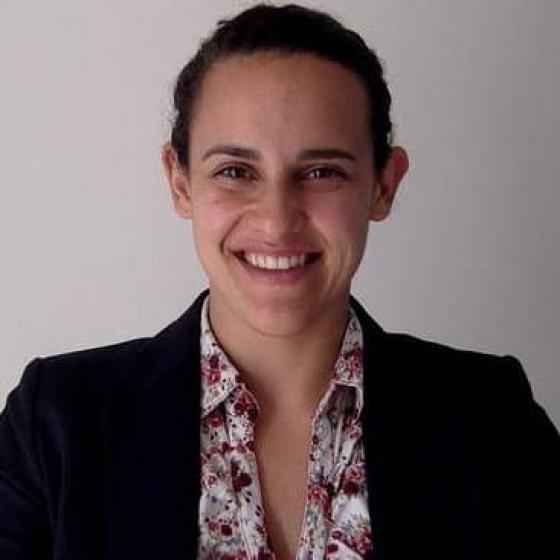
Emil Holmerمشاهده پروفایل
دانشیار
Emil Holmer is a Senior Associate Professor and Head of Division at Linköping University's Department of Behavioural Sciences and Learning, affiliated with the Disability Research Division (FUSA). His research focuses on language and communication across groups with sensory impairments, including deaf and hard-of-hearing children, individuals with deafblindness, and those with intellectual disabilities. He examines cognitive processes such as working memory, theory of mind, and phonological awareness, alongside interventions to improve literacy and communication outcomes. Holmer leads projects like the online cognitive hearing science test battery, aiming to study cognition-hearing relationships nationally. His teaching spans psychology, cognitive science, and disability studies, emphasizing experimental design and active listening skills. Research interests include the interplay between sign language proficiency and reading development, non-linguistic social information processing in sensory-impaired populations, and cognitive adaptations in deafblindness. He collaborates on studies involving fluid intelligence's role in speech recognition and the neurobiological underpinnings of sign language use. Holmer's work bridges developmental psychology, neuroscience, and educational interventions to address accessibility challenges. Advising and grants: Holmer supervises student research projects in psychology and cognitive sciences. His grants support studies on literacy interventions for students with disabilities and the development of inclusive cognitive assessment tools. He is part of the Linnaeus Centre HEAD and the Swedish Institute for Disability Research, contributing to interdisciplinary teams exploring disability's social and cognitive dimensions. Labs/teams: Active in the Disability Research Division (FUSA), focusing on disability measurement and communication strategies. Collaborates with the Department of Behavioural Sciences and Learning to advance understanding of learning challenges in diverse populations.