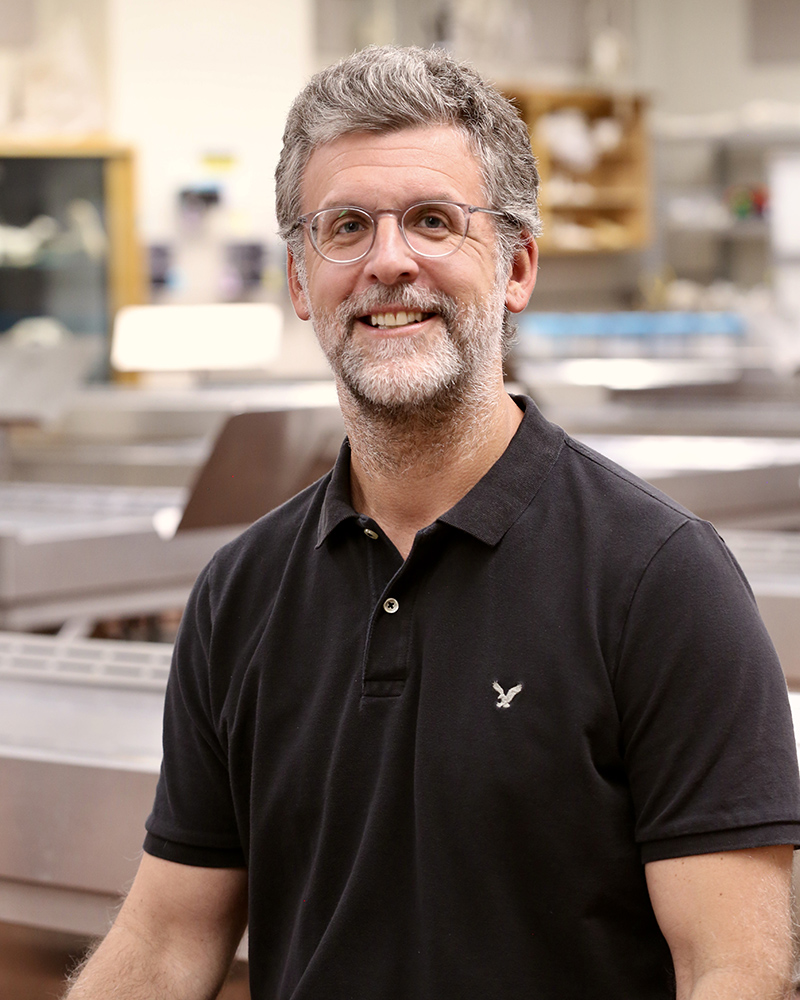
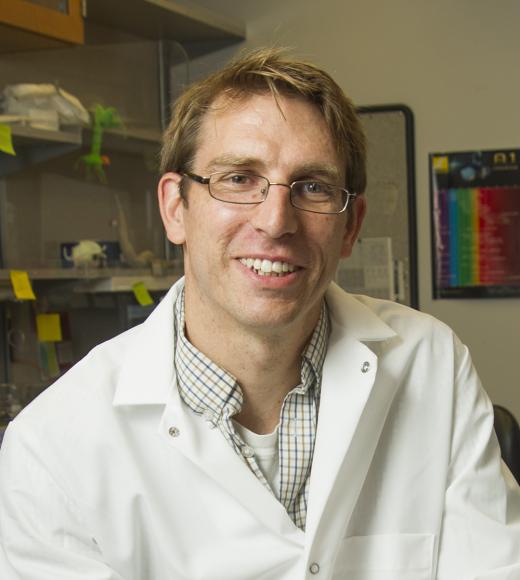
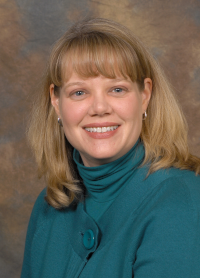
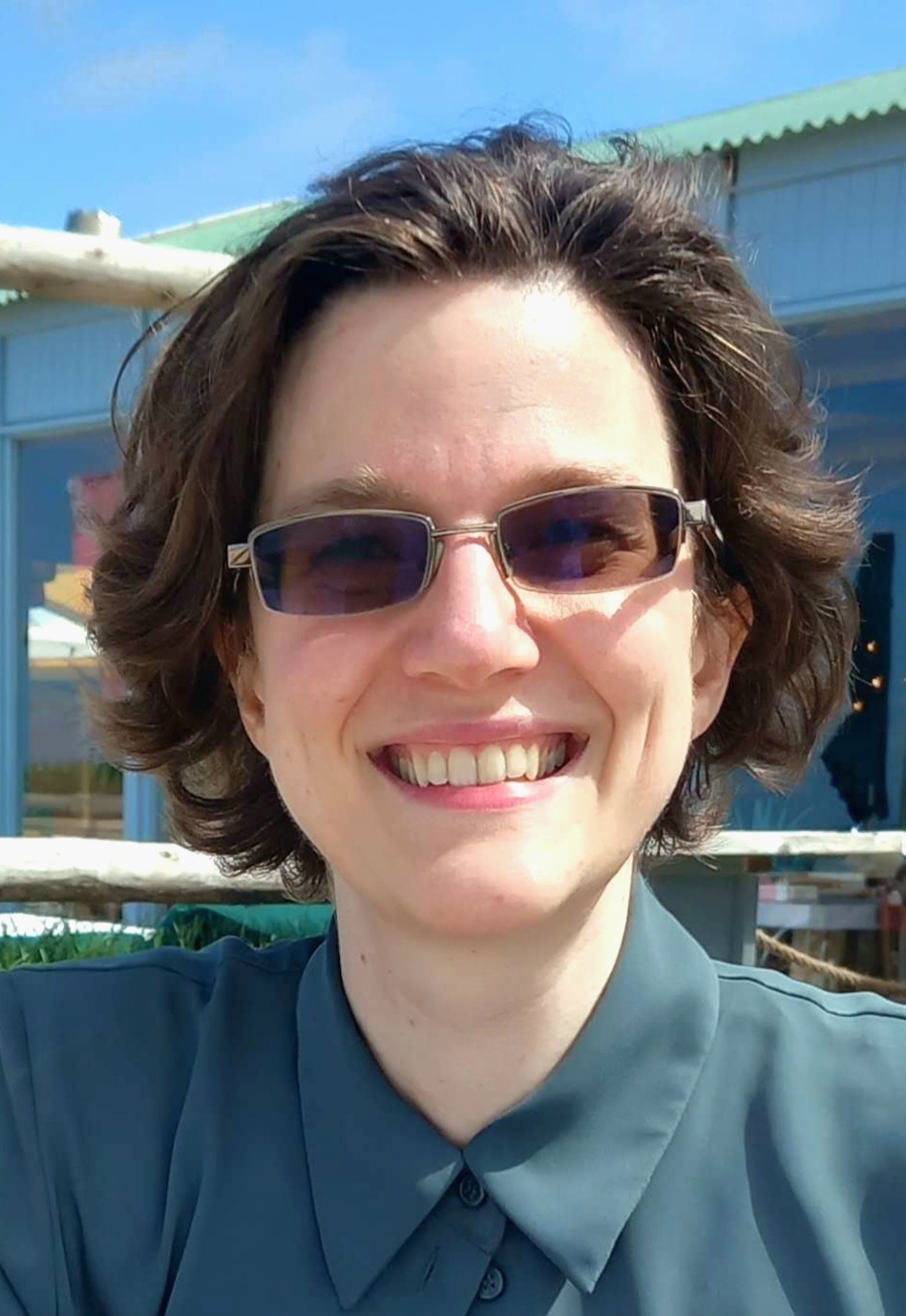
Dr. Douglas Lobner is a Research Professor in the Department of Biomedical Sciences at Marquette University, College of Health Sciences. His research focuses on neurodegenerative disease mechanisms, environmental toxin interactions, and dental material toxicity. He investigates how environmental factors like mercury, pesticides, and BMAA interact with genetic predispositions to cause neurodegenerative diseases such as Alzheimer’s, Parkinson’s, and ALS, particularly through the cystine/glutamate transporter (system xc-). His work also explores dental pulp capping materials, emphasizing growth factor-enhanced repair mechanisms and system xc- regulation to prevent root canal procedures. Key collaborations involve studies on glutamate signaling, neurotoxicant synergy, and drug-induced neuroplasticity. Published research includes over 14 studies from 2009–2014, emphasizing system xc- regulation by growth factors, neurotoxin synergies (e.g., methylmercury and BMAA), and dental material toxicity mitigation strategies. His lab contributes to the Neuroscience Collaboratory and Integrative Neuroscience Research Center at Marquette.
David B. Bensimon is a world-leading biophysicist and Professor in the Department of Chemistry and Biochemistry at the University of California, Los Angeles, holding the prestigious Regent's Professor title since 2007. He maintains a dual academic position, serving as Directeur de Recherche at the French National Center for Scientific Research (CNRS) at the Ecole Normale Supérieure (ENS) in Paris while teaching and conducting research at UCLA for one quarter each year. His academic journey began with a Ph.D. from the University of Chicago in 1986 under Leo Kadanoff, followed by postdoctoral research at Bell Laboratories and ENS Paris. Professor Bensimon's research spans multiple frontiers in biophysics and molecular biology, with particular expertise in single-molecule studies of nucleic acids and their proteins. His laboratory pioneered the Magnetic Trap technique for manipulating individual DNA molecules, enabling groundbreaking investigations into DNA mechanics, topoisomerase interactions, and molecular combing. His recent work has expanded into optogenetics, developmental biology using zebrafish models, and cancer research, with significant contributions to understanding how single-cell oncogene activation leads to tumorigenesis. His research output shows remarkable breadth across disciplines, with recent publications spanning biophysics, developmental biology, cancer research, and genomic technology development. Bensimon's work on opto-chemical tools has particularly transformed how researchers can control biological processes with unprecedented spatiotemporal precision, especially in zebrafish models. His laboratory has developed photoactivatable versions of key molecular tools including Cas9 (OptoCas9) and cyclofen systems that allow precise control of protein activity at the single-cell level. 2007 Regent's Professor at UCLA 1997 Vinci of Excellence Award for phospholipid vesicle research 1994 Jacques Monod Prize for Molecular Combing discovery Special Prize of the French Physical Society for DNA mechanics work ICAM Fellow KITP-UCSB Representative Bensimon has made significant contributions to both basic science and translational applications, co-founding Depixus for nucleic acid sequencing and epigenetic analysis. His laboratory continues to push boundaries in single-molecule biophysics while expanding into developmental biology and cancer research, with recent work demonstrating that activation of kRas in dedifferentiated cells increases tumorigenesis probability by two orders of magnitude. His mentorship has produced notable researchers including X. Michalet, and his theoretical work extends to the philosophical unification of scientific disciplines as evidenced by his book "The Unity of Science".
Amjad Javed is a Professor and Associate Dean at the University of Alabama at Birmingham , with primary appointments in the School of Dentistry - Oral & Maxillofacial Surgery and joint affiliations in Cell, Developmental and Integrative Biology , Otolaryngology , and Biomedical Engineering . His research spans bone biology, cartilage development, and myeloma bone disease. PhD in Physiology (University of the Punjab, 2003) MS in Zoology/Animal Biology (University of the Punjab, 1992) Research Interests focus on transcriptional regulation via RUNX2 and Sp7 in skeletogenesis, vascular calcification mechanisms, epigenetic control of bone formation, and tumor-bone microenvironment interactions in multiple myeloma. Key subfields include endochondral ossification, osteoclast differentiation, and nanomatrix-based tissue engineering. Scientific Contributions include discoveries about RUNX2's role in postnatal bone resorption, λ5 protein's impact on skeletal aging, and heparanase's promotion of myeloma metastasis. His work demonstrates RUNX2's dual function in chondrocyte apoptosis and cartilage degradation. Teaching & Mentorship involves graduate committee service for over 15 students and instruction in courses like Connective Tissue and Bone , Oral & Skeletal Biology , and Journal Clubs . Collaborations span Comprehensive Arthritis, Musculoskeletal, Bone and Autoimmunity Center , Integrative Center for Aging Research , and Biomatrix Eng Regen Med Center .
Brent Bobick is a Lecturer at the Department of Veterinary Biomedical Sciences, Western College of Veterinary Medicine, University of Saskatchewan. He serves as Director of the Anatomy Lab and coordinates courses such as VBMS 314.3 (comparative anatomy) and VBMS 250.9 (veterinary anatomy). His roles include delivering lectures, lab instruction, and training teaching assistants. Dr. Bobick holds a BSc (Hons) from the University of Saskatchewan, a PhD, and postdoctoral fellowships at institutions like NIH and the University of Calgary. His research and teaching focus on anatomy, developmental biology, and skeletal systems. He has developed innovative virtual anatomy resources, including 3D models of anatomical structures on Sketchfab. His work emphasizes hands-on training in gross anatomy and the application of molecular biology to understand skeletal development. Dr. Bobick has received numerous teaching awards, including the 2024 Western Canadian Veterinary Students’ Association Pre-Clinical Professor of the Year and the 2023 Zoetis Carl J. Norden Distinguished Teacher Award. He supervises student research projects and coordinates graduate seminars, fostering academic mentorship. His lab work integrates anatomical education with cutting-edge 3D visualization tools. Research interests span chondrogenesis, gene regulation in skeletal development, and biomechanical influences on joint formation. His publications explore signaling pathways like MEK-ERK and SHOX/Shox2 genes in limb and facial cartilage development.
John Albeck is a Professor in the Department of Molecular and Cellular Biology at the University of California, Davis, within the College of Biological Sciences. He leads the Albeck Lab, which is dedicated to understanding the dynamic behavior of signaling pathways such as ERK, Akt, AMPK, and mTOR in regulating cell growth, survival, and metabolism. His research combines live-cell imaging with computational modeling to decode how temporal signaling patterns determine cell fate decisions. He is affiliated with the Biochemistry, Molecular, Cellular and Developmental Biology (BMCDB) Graduate Group and actively mentors graduate students and postdoctoral researchers. Position: Professor Institution: University of California, Davis Department: Molecular and Cellular Biology Graduate Program: BMCDB Lab Website: albecklab.ucdavis.edu Education: B.A. in Biological Sciences, Cornell University, 2000 Ph.D. in Computational and Systems Biology, Massachusetts Institute of Technology, 2007 Dr. Albeck's research focuses on the information flow in signal transduction networks , particularly how dynamic activation patterns encode specificity in cellular responses. His lab uses genetically encoded fluorescent biosensors to track signaling events in real time across single cells, integrating this data with computational models to predict cellular behaviors. This approach addresses how a limited set of pathways can control diverse outcomes like proliferation, apoptosis, and autophagy. A major goal is to improve cancer therapies by predicting how cells respond to targeted inhibitors, especially in the context of heterogeneous and adaptive responses. His recent publications highlight work on ERK signaling dynamics , inflammatory responses in airway cells , and the development of biosensors for FGF and AMPK. These studies employ advanced techniques such as cyclic immunofluorescence (4i) , machine learning , and ordinary differential equation (ODE) modeling to infer signaling history from fixed-cell data. The lab also develops computational tools for data analysis, including automated cluster detection and spectral unmixing. Scientific Contributions and Trends: Deciphering how temporal patterns in ERK activity correlate with downstream gene expression (e.g., Fra-1, pRb, Egr-1) Modeling signaling dynamics to predict cell fate under therapeutic inhibition Investigating spatiotemporal signaling clusters in epithelial inflammation Developing Red-FRET biosensors for AMPK and ERK Exploring metabolic signaling and immune modulation by lactate Dr. Albeck advises a diverse group of graduate students and has trained several postdoctoral researchers who have gone on to careers in academia and biotechnology. His lab fosters a collaborative environment that bridges experimental biology and computational analysis. While no formal awards are listed in the provided text, his lab's recognition through publications in high-impact journals and integration into major research initiatives (e.g., UC Davis Lung Center T32 training) underscores his impact. The lab also supports research through internal grants and collaborative projects focused on cancer signaling and lung biology. Laboratory and Team: The Albeck Lab includes graduate students, postdoctoral researchers, and staff scientists working on projects ranging from biosensor development to single-cell data analysis. Current team members include Christi Abbate, Elijah Kofke, and Marion Hardy (graduate students), and staff such as Michael Pargett and Carolyn Teragawa. The lab emphasizes interdisciplinary training and open science, with code and methods shared via GitHub.
Dr. Yvonne M. Ulrich-Lai is a Professor in the Department of Pharmacology and Systems Physiology at the University of Cincinnati. Her research focuses on the neural and hormonal mechanisms linking diet, obesity, and stress, particularly the role of the HPA axis and reward systems in behavioral and physiological stress responses. PhD in Neuroscience, University of Minnesota (2002) Postdoctoral Fellowship, University of Cincinnati College of Medicine (2007) BSc in Biology, Harvey Mudd College (1994) Her work investigates: How comfort foods modulate stress through brain reward pathways Ketogenic diets' impact on HPA axis activity Sexual dimorphism in stress-induced metabolic dysfunctions Neuroanatomical circuits regulating stress-food interactions Recent publications highlight her focus on rodent models to study diet-induced obesity, HPA axis plasticity, and stress-related behavioral changes. Scientific awards include the 2012 Amgen/Endocrine Society Early Investigators Award . She holds multiple federal grants from NIDDK and NIMH, including R01 and R56 awards, and collaborates with interdisciplinary teams on metabolic phenotyping and stress resilience.
Sangwon Lee is an Assistant Professor of Pharmacology at Yale University’s Yale School of Medicine. He holds primary appointments in Pharmacology and affiliations with the Biochemistry, Quantitative Biology, Biophysics and Structural Biology (BQBS) program, Janeway Society, and Molecular Medicine department. His academic journey includes a PhD in Chemistry and Biochemistry from the University of California, San Diego (2007), and earlier degrees from Konkuk University (MS 1998, BS 1996). Dr. Lee’s research focuses on structural biology and molecular mechanisms of FGF signaling pathways, particularly the role of β-Klotho and α-Klotho co-receptors in endocrine regulation. He designs novel protein-based inhibitors targeting oncogenic receptors and explores therapeutic applications of FGF pathway modulation. His work bridges computational protein engineering, cryo-EM structural analysis, and translational medicine. Key research trends include isoform-specific FGFR inhibition, structural oncology of KIT mutants, and bivalent interactions in FGF ligand systems. His lab collaborates extensively on projects involving designed oligomeric assemblies for vascular differentiation and drug delivery. Current efforts emphasize translating structural insights into therapeutic strategies for cancer and metabolic disorders. Dr. Lee’s academic contributions include leadership in the Yale Combined Program in the Biological and Biomedical Sciences (BBS), mentoring trainees, and serving on committees for academic promotion and interdisciplinary research. His laboratory is located at Sterling Hall of Medicine, Room 395F.
Dr. Athina-Myrto Chioni is a Senior Lecturer in Pathobiology and Cancer Biology at Kingston University, within the Department of Biomolecular Sciences, School of Life Sciences, Pharmacy and Chemistry. She holds a PhD from Imperial College London and conducted postdoctoral research at Barts and The London School of Medicine and Dentistry, Queen Mary University of London. She joined Kingston University in 2014 and was promoted to Senior Lecturer in 2016, also serving as Deputy Course Director for the BSc Biomedical Sciences program from 2016 to 2021. Education: BSc (Hons) Biology, Imperial College London (1998–2001) MSc Molecular Medicine, Imperial College London (2001–2002) PhD Cell and Molecular Biology, Imperial College London (2003–2006) Postdoctoral Research Fellow, Queen Mary University of London (2006–2014) Her research focuses on fibroblast growth factor (FGF/FGFR) signaling in cancer , particularly its role in tumor progression, drug resistance, and metastasis. She investigates the nuclear translocation of cleaved FGFR in breast, pancreatic, and cervical cancers, a novel mechanism with potential therapeutic implications. Her work also explores organotypic models to study tumor-stroma interactions and signaling pathways like ERK. She has made significant contributions to understanding how FGFR signaling drives invasive behavior in cancer cells. Her recent publications (2021–2025) emphasize FGFR inhibitor resistance in cervical cancer , KISS1R antagonism for restoring drug sensitivity in triple-negative breast cancer, and the dysregulation of signaling pathways in drug resistance . These works reflect a strong trend toward understanding resistance mechanisms and identifying novel therapeutic targets in gynecological and breast cancers. Scientific Awards: Imperial College Marshall Scholarship A.G. Leventis Foundation Studentship Papanikolau First Prize Award First Prize, Sylvia Lawler Meeting (Royal Society of Medicine) William Harvey Day Poster Awards (2008, 2011) Junk the Jargon Competition Winner (QMUL, 2011) 1st Prize, Barts and Queen Mary Science Festival (2012) Gordon Conference Poster Award (2012) Dr. Chioni has successfully supervised multiple PhD and MRes students, including Hiba-Tun-Noor Mahmood and Fazeela Ashiq to completion. She has secured competitive research grants from the Breast Cancer Campaign (awarded twice, 2009 and 2013). She serves as an External Examiner for programs at Imperial College London and the University of Hertfordshire, and for MSc programs at QMUL. She is also a Guest Editor for the International Journal of Molecular Sciences and Review Editor for Frontiers in Cell and Developmental Biology . She is a member of the Faculty EDI Action Group and the EACR Ambassador program. She is affiliated with several professional bodies including Fellow of the Royal Society of Biology (FRSB) , Fellow of the Institute of Biomedical Sciences (FIBMS) , and member of the European Association of Cancer Research (EACR) and Genetics Society . Her expertise includes confocal microscopy, 3D organotypic cultures, immunocytochemistry, and functional cancer biology assays.
Gerald H. Thomsen is a Professor in the Department of Biochemistry and Cell Biology at Stony Brook University, where his research focuses on molecular mechanisms of embryonic development using Xenopus frogs and Nematostella vectensis sea anemones. His laboratory investigates growth factor signaling pathways, ubiquitin-mediated protein degradation, and transcriptional regulation during early development. His primary research areas include TGFß superfamily signaling (specifically Vg1/nodal/activin and BMP pathways), ubiquitin ligase function in cell differentiation, and evolutionary developmental biology through comparative studies of vertebrates and cnidarians. Current projects examine Smad-interacting factors, Smurf ubiquitin ligases, and the molecular basis of regeneration in sea anemones, with implications for understanding human developmental disorders and birth defects. Dr. Thomsen's publications reveal consistent focus on developmental signaling mechanisms across diverse model organisms, with recent work emphasizing CRISPR/Cas9 applications in Xenopus and evolutionary conservation of developmental pathways. His laboratory maintains active collaborations with researchers at the University of Florida and University of Hawaii, particularly on Nematostella vectensis functional genomics and regeneration studies, as evidenced by co-authored publications on cnidarian developmental mechanisms.
Paul D. Adams is a Professor in the Department of Chemistry & Biochemistry at the University of Arkansas, affiliated with the College of Arts & Sciences. His research focuses on protein structure, dynamics, and interactions using advanced biophysical techniques. Professional Affiliations : Arkansas Biosciences Institute, National Organization of Black Chemists and Chemical Engineers, Protein Society, Sigma Xi Scientific Research Society, Arkansas Academy of Sciences, Biophysical Society. Research Interests : Dr. Adams specializes in multidimensional NMR spectroscopy for protein structure determination and dynamics. His work explores intramolecular motions in proteins, biochemical characterization of protein-protein interactions (PPIs), and the impact of small molecule targets on PPIs. Techniques include steady-state and time-resolved fluorescence spectroscopy, isothermal titration calorimetry (ITC), differential scanning calorimetry (DSC), circular dichroism (CD), and post-column amino acid analysis. Publication Trends : His recent articles focus on Ras family GTPases (Cdc42, Ras mutants), copper-binding domains in nonclassical secretion, calorimetry applications in biomolecular interactions, and structural characterization of protein mutants. Keywords span biophysics, cancer biology, and analytical techniques. Scientific Awards : NSF Minority Postdoctoral Fellow Robert C. and Sandra Connor Endowed Faculty Fellow, Fulbright College of Arts and Sciences Teaching : Dr. Adams teaches biochemistry and has contributed to graduate education. His lab supports research training in NMR spectroscopy and biophysical methods.
Parviz Minoo, PhD is a Professor of Pediatrics at the Keck School of Medicine, University of Southern California, where he also serves as Director of the USC Hastings Center for Pulmonary Research. His research focuses on pulmonary development and disease, with particular emphasis on understanding the molecular mechanisms underlying lung morphogenesis and alveolar development. Dr. Minoo's research interests center on pulmonary biology with a focus on lung development, alveologenesis, and bronchopulmonary dysplasia. His work investigates the complex signaling pathways involved in lung formation, including Wnt, FGF, TGF-β, and Hedgehog signaling networks. He has made significant contributions to understanding how transcription factors like NKX21 regulate lung epithelial cell differentiation and how growth factors such as FGF10 drive alveolar formation. His research bridges basic developmental biology with clinical applications for neonatal respiratory disorders. Analysis of Dr. Minoo's recent publications reveals a consistent focus on the molecular mechanisms of alveologenesis and lung regeneration. His work demonstrates how specific signaling pathways (Wnt5a, FGF10, Hedgehog) interact with transcription factors (NKX21, FOXO1) to regulate alveolar cell differentiation. The research spans from fundamental developmental biology to potential therapeutic applications for bronchopulmonary dysplasia and pulmonary fibrosis, with increasing attention to cellular plasticity, progenitor cell niches, and the role of the extracellular matrix in lung development. As Director of the USC Hastings Center for Pulmonary Research, Dr. Minoo oversees a multidisciplinary team investigating lung development, injury, and repair mechanisms. His laboratory employs sophisticated mouse models, organoid cultures, and molecular techniques to unravel the complexities of pulmonary biology. The center serves as a hub for collaborative research connecting basic science with clinical applications in neonatal and pediatric pulmonary medicine.
Professor Lachlan Thompson is a leading academic in neurogenesis and neural transplantation, affiliated with the School of Medical Sciences. His work focuses on advancing stem cell therapies for neurodegenerative diseases like Parkinson’s, particularly through engineered neural grafts and hydrogel-based delivery systems. He leads research on optimizing stem cell differentiation, immune evasion, and functional integration within host neural circuits. Current research students include Laura Ancellotti and Alex Johnson. Key grants include a 2024 NHMRC Ideas Grant for improving Parkinson’s cell therapies and 2023 startup funding for establishing his research programs. His lab collaborates with the Charles Perkins Centre, focusing on translational neuroregenerative strategies. Research interests span stem cell engineering, neural circuit reconstruction, and disease modeling using patient-derived iPSCs. Recent work emphasizes hydrogel oxygen reservoirs, suicide gene activation in grafts, and developmental timing of neural progenitors. Over 80 publications detail advancements in neural transplantation safety, gene therapy approaches, and rodent models of neurological disorders. Awards and recognitions are not explicitly mentioned, though his high-impact publications and NHMRC grants highlight his academic standing. His lab integrates biomaterials science, genetic engineering, and clinical translation to address unmet needs in neurodegenerative therapies.
Jackie A. Fretz, PhD, is a Researcher at Yale University's Yale School of Medicine, affiliated with the Department of Orthopaedics & Rehabilitation. She manages the Histology and Histomorphometry Laboratory and holds a PhD from the University of Wisconsin-Madison. Her research focuses on the transcription factor EBF1's role in cellular fate determination, particularly in bone, kidney, and adipocyte biology. She investigates how EBF1 regulates mesenchymal progenitors, marrow adipogenesis, and kidney glomerular development. Education: PhD in Biochemistry (University of Wisconsin-Madison, 2007); BS in Biochemistry and Molecular Biology (University of New Hampshire, 2002). Postdoctoral training at Yale School of Medicine (2011). Research interests include EBF1's actions in bone vasculature, renal pathophysiology, and metabolic pathways. Her work bridges bone and kidney diseases, revealing conserved mechanisms in mesenchymal cell regulation. Recent studies explore EBF1's role in fracture repair, chronic kidney disease-mineral bone disorders, and FGF23 regulation. Awards include the ASBMR Mid-Career Travel Grant (2022) and the American Society of Bone and Mineral Research President's Poster Award (2011). She has presented at international conferences such as the ASBMR Annual Meeting and the NIH Workshop on FGF-23. Laboratory: Orthopaedic Histology and Histomorphometry Laboratory, focused on histological techniques and skeletal research. Active in methodological advancements like methyl methacrylate embedding for bone analysis.
Milan K. Bagchi is the Deborah Paul Professor of Molecular & Cellular Biology and Director of the School of Molecular & Cellular Biology at the University of Illinois Urbana-Champaign. He also holds a joint appointment as Professor of Molecular & Integrative Physiology. His research focuses on steroid hormone signaling mechanisms in reproduction and disease, particularly estrogen and progesterone regulation of embryo implantation and cancer biology. Education: B.S. (1976), M.S. (1979) from University of Calcutta, India; Ph.D. (1984) from University of Nebraska; Postdoc (1985–89) at Baylor College of Medicine. Research interests include endocrinology, reproductive biology, and signal transduction. Key areas: hormonal regulation of implantation, gene networks in fertility, and molecular basis of hormone-dependent cancers. His lab uses mouse models and genomic approaches to study uterine function and hormonal pathways. Notable awards: Romano Professorial Scholar and University Scholar. Recent work highlights include studies on phthalate impacts on uterine physiology (2023), hypoxia-driven embryo implantation mechanisms (2025), and decidualization pathways. His publications span hormone signaling, environmental toxin effects, and cell communication in reproductive systems. Awards and honors include roles as a distinguished scholar and contributions to biomedical research. Collaborations extend to institutions like the Carle Illinois College of Medicine and the Carl R. Woese Institute of Genomic Biology.
Dr. Erika Tsingos serves as an Assistant Professor in the Department of Theoretical Biology and Bioinformatics at Utrecht University's Faculty of Science. She leads the Computational Animal Development Group focusing on computational approaches to developmental biology questions. Her research spans animal developmental biology with emphasis on Computer modeling of cell fate decisions Pattern formation in tissues Cell migration mechanics Thymus development and leukemogenesis C. elegans developmental precision She employs diverse modeling approaches including ordinary differential equations and multiscale cell-based models using cellular Potts or center-based formalisms. Analysis of her 15 most recent publications reveals strong focus on computational modeling of developmental processes, particularly examining extracellular matrix effects on cell migration, thymic niche architecture in leukemia development, and precise cell fate specification in C. elegans. Her work consistently bridges computational modeling with experimental validation through collaborations. Scientific recognition includes: NWO grant VI.Veni.222.323 for research on extracellular matrix effects on cell migration Dr. Tsingos actively mentors the next generation of computational biologists through supervision of postdoctoral researchers and students. Current team members include Benjamin Planterose Jiménez (post-doc modeling C. elegans development), Saber Shakibi (post-doc developing hybrid migration models), and Nikki Landzaat (Master's student studying mesoderm cell state transitions). Former students include Bidayatul Masulah (Master's in Applied Mathematics) and Heleen van Osch (bachelor researcher). Her research group operates within Utrecht University's Department of Theoretical Biology and Bioinformatics, collaborating extensively with the Ten Tusscher group and experimental labs. Current projects investigate how extracellular matrix affects cell migration phenotypes in cancer and the molecular control mechanisms behind C. elegans' precise cell division patterns.