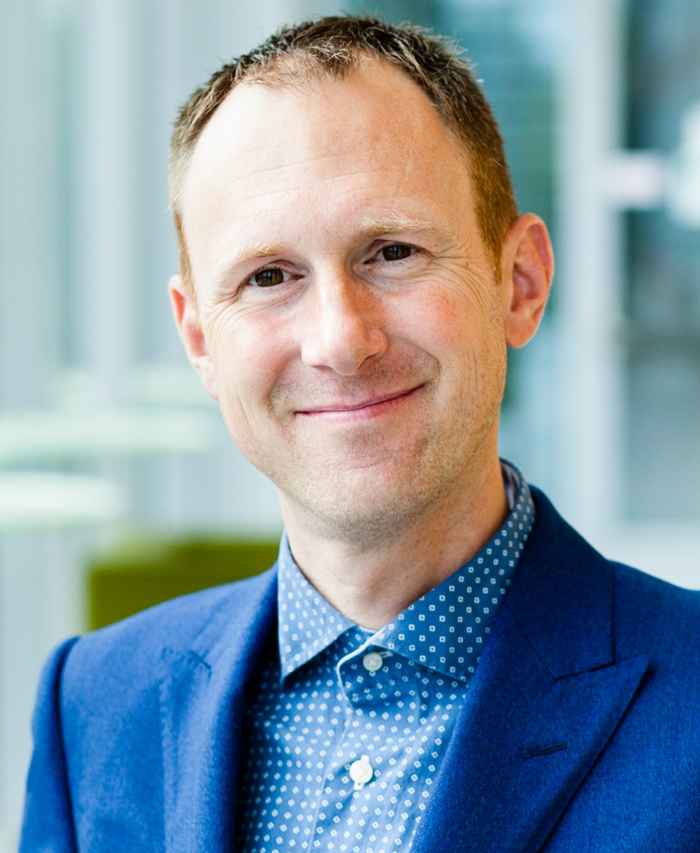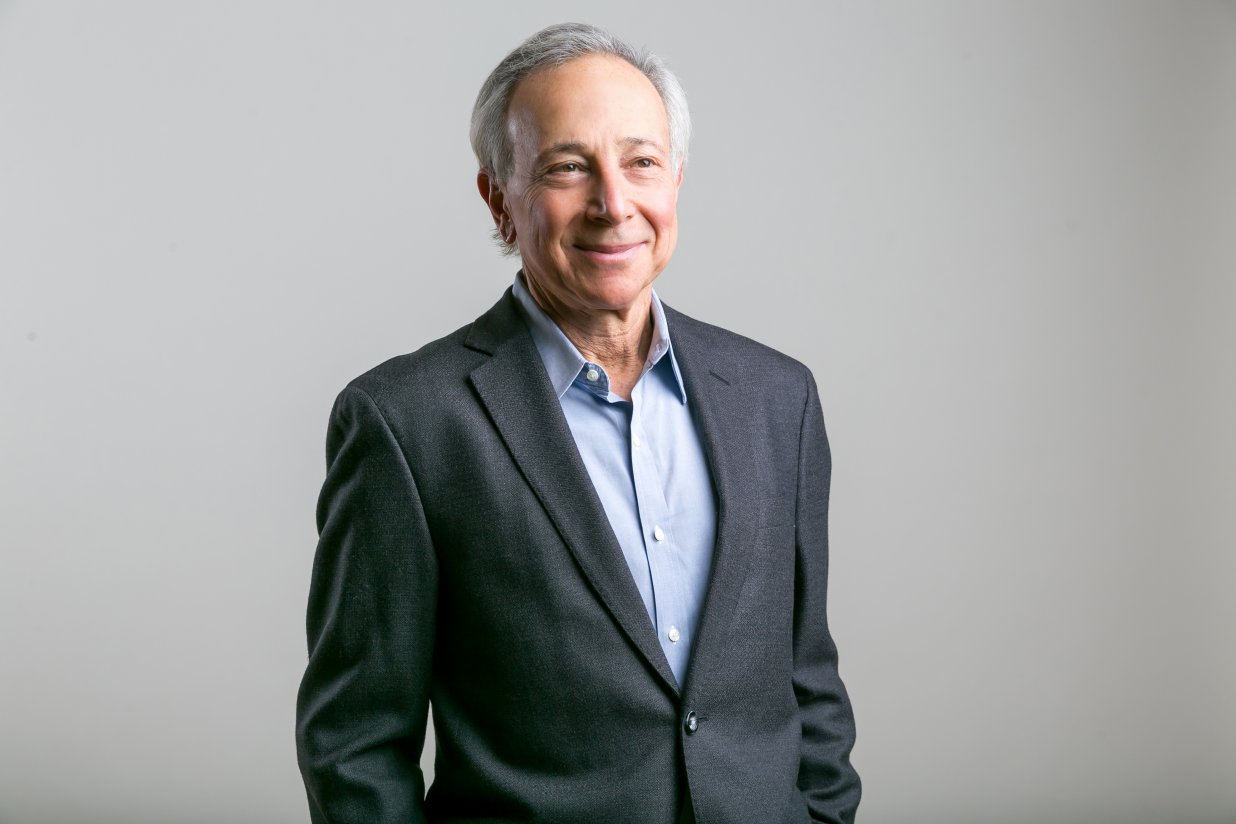
Mark C. Fishman, M.D., is a Professor of Stem Cell and Regenerative Biology at Harvard University and affiliated with the Harvard Stem Cell Institute. His laboratory investigates the heart-brain axis using zebrafish to map autonomic control circuits and decode the genetic/neuronal basis of vertebrate social behavior . From 2002-2016, he led Novartis Institutes for Biomedical Research, advancing 90 medicines to clinical trials, with a focus on regenerative therapies for aging disorders. Education : Yale College (A.B.), Harvard Medical School (M.D.) Academic Leadership : Former Chief of Cardiology and Director of Cardiovascular Research Center at Harvard Medical School and MGH Research spans cardiovascular development , neurogenetics , and translational medicine , with seminal work on zebrafish genetic screens in the 1990s establishing pathways for vertebrate organ formation. His lab introduced zebrafish as a model for dissecting social interaction circuits and homeostatic regulation . Current work explores how internal sensory systems shape behavior through genetic and pharmacological interventions. Recent publications highlight zebrafish studies on age-related vascular calcification (αKlotho), dopamine transporter mutations (psychiatric models), and collective behavior genetics . Articles span 1996-2025, reflecting continuous contributions to Developmental Biology , Neuroscience , and Cardiovascular Research . Awards include election to the National Academy of Medicine (20-year member), Fellow of the American Academy of Arts and Sciences , and leadership roles in biotech (Aditum Bio, Beam Therapeutics). He authored the textbook Medicine and Lab: Building a Home for Scientists , bridging architectural design with scientific innovation. Teaching includes SCRB 197/297 Frontiers in Therapeutics , examining disease elimination promises and personalized medicine through historical and modern therapeutic frameworks. His lab in Sherman Fairchild Building (Cambridge, MA) continues mentoring interdisciplinary researchers in cardiovascular-neurobiological interfaces.