معرفی
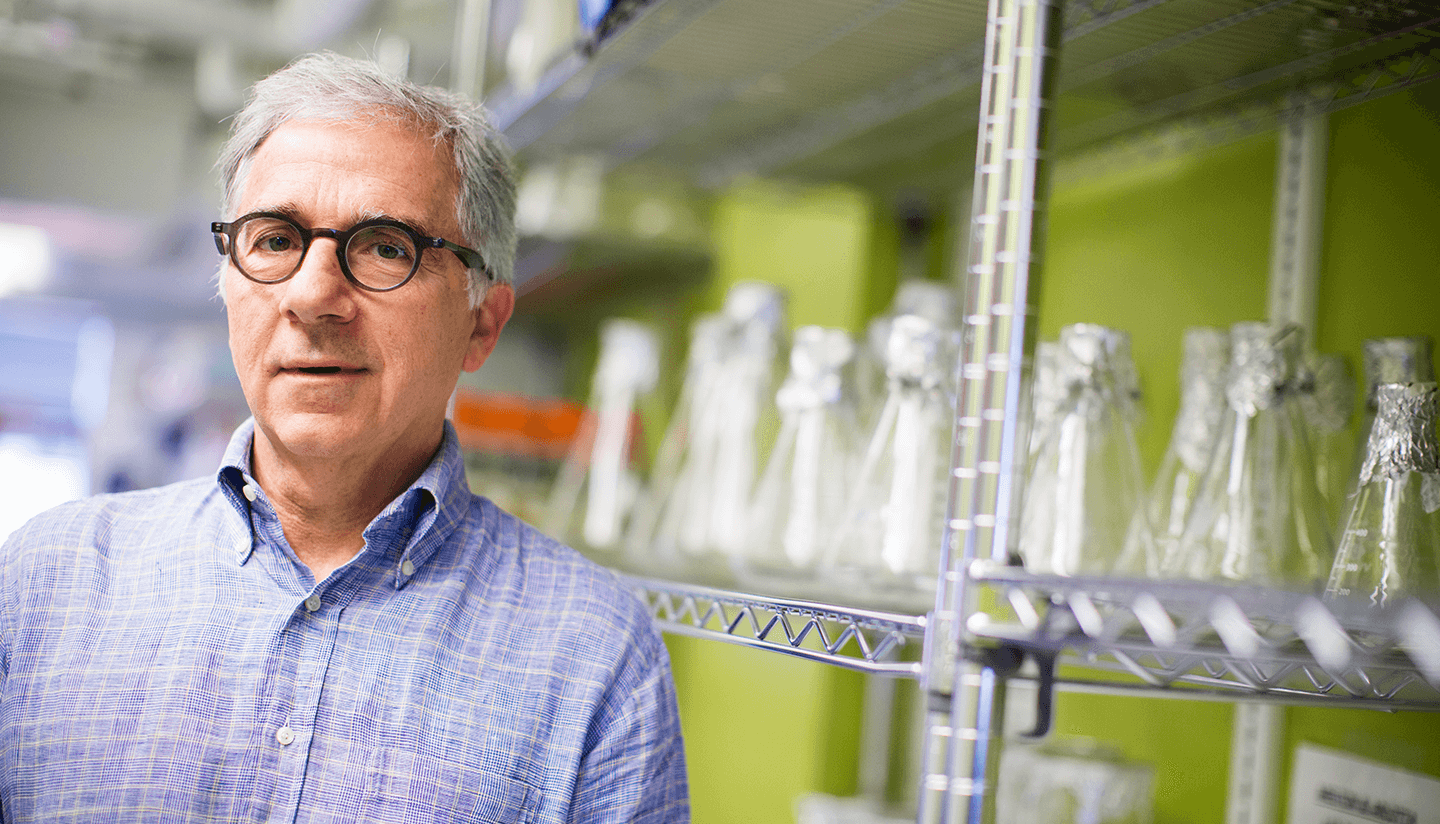
Mark C. Fishman, M.D., is a Professor of Stem Cell and Regenerative Biology at Harvard University and affiliated with the Harvard Stem Cell Institute. His laboratory investigates the heart-brain axis using zebrafish to map autonomic control circuits and decode the genetic/neuronal basis of vertebrate social behavior. From 2002-2016, he led Novartis Institutes for Biomedical Research, advancing 90 medicines to clinical trials, with a focus on regenerative therapies for aging disorders.
- Education: Yale College (A.B.), Harvard Medical School (M.D.)
- Academic Leadership: Former Chief of Cardiology and Director of Cardiovascular Research Center at Harvard Medical School and MGH
Research spans cardiovascular development, neurogenetics, and translational medicine, with seminal work on zebrafish genetic screens in the 1990s establishing pathways for vertebrate organ formation. His lab introduced zebrafish as a model for dissecting social interaction circuits and homeostatic regulation. Current work explores how internal sensory systems shape behavior through genetic and pharmacological interventions.
Recent publications highlight zebrafish studies on age-related vascular calcification (αKlotho), dopamine transporter mutations (psychiatric models), and collective behavior genetics. Articles span 1996-2025, reflecting continuous contributions to Developmental Biology, Neuroscience, and Cardiovascular Research.
Awards include election to the National Academy of Medicine (20-year member), Fellow of the American Academy of Arts and Sciences, and leadership roles in biotech (Aditum Bio, Beam Therapeutics). He authored the textbook Medicine and Lab: Building a Home for Scientists, bridging architectural design with scientific innovation.
Teaching includes SCRB 197/297 Frontiers in Therapeutics, examining disease elimination promises and personalized medicine through historical and modern therapeutic frameworks. His lab in Sherman Fairchild Building (Cambridge, MA) continues mentoring interdisciplinary researchers in cardiovascular-neurobiological interfaces.