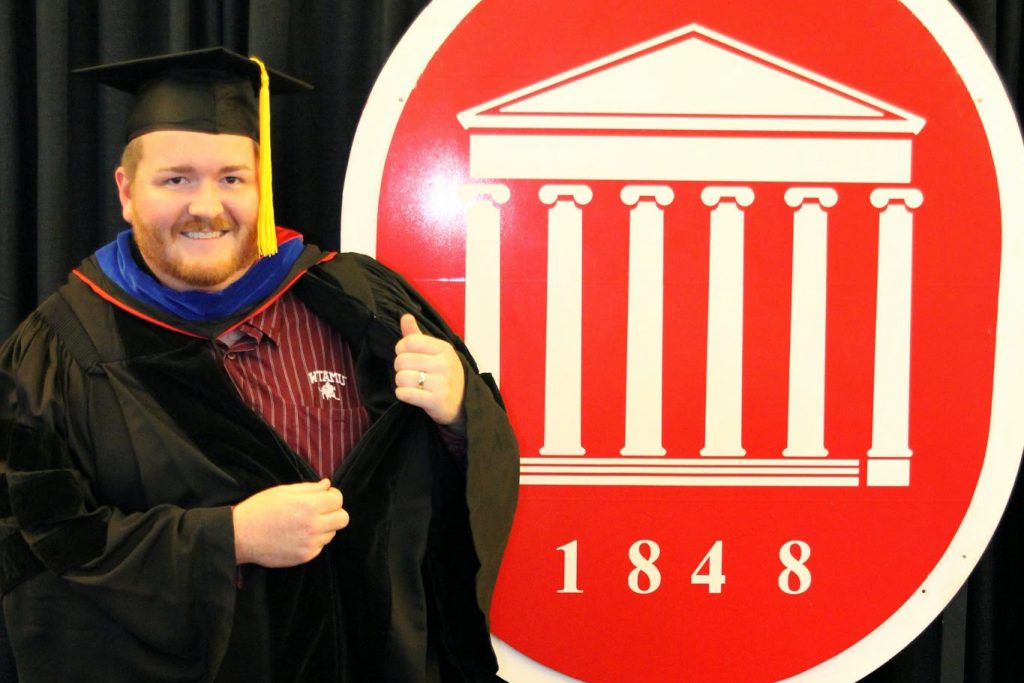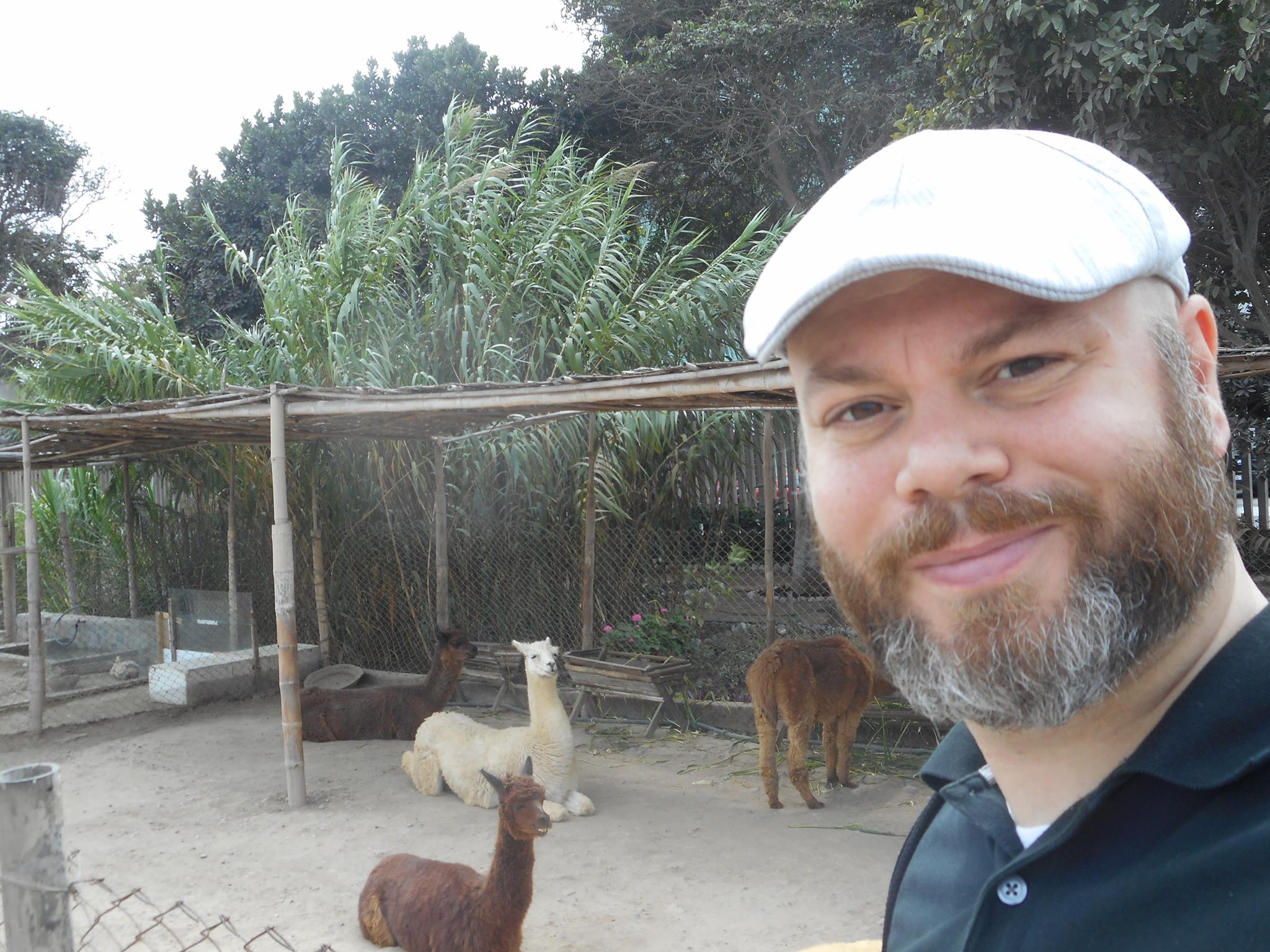
William Cohoon is a Lecturer in the Master of Liberal Arts (MLA) program at Texas Christian University (TCU), where he has been teaching since 2024. His academic specialty focuses on Latin American History, particularly the application of information systems and spatial strategies to enforce social control in late colonial Peru under the Bourbon dynasty. Cohoon holds a Ph.D. in colonial Latin American history and has conducted extensive research on the intersection of governance, infrastructure, and resistance in 18th-century Peru. Growing up in a lower-middle-income household as the first in his family to attain advanced degrees, his teaching philosophy emphasizes inclusivity, resilience, determination, and empathy, striving to create supportive classroom environments for all students. His travels across Latin America have further enriched his scholarly perspective, fostering a global outlook in both teaching and research. His current research project, 'Colonial Landscapes: Information Systems and Spatial Strategies for Social Control in Bourbon Peru, 1746-1808,' examines how Spanish authorities utilized data collection and infrastructure (e.g., roads, mail systems) to manage colonial populations amid crises like the 1746 Lima-Callao earthquake and rebellions such as the Tupac Amaru II uprising. This work highlights the tensions between centralized Bourbon reforms and local resistance, including indigenous communities and religious orders contesting administrative mandates. Cohoon’s scholarship bridges historical analysis with interdisciplinary approaches, addressing themes of empire, modernization, and socio-political transformation. He actively promotes critical engagement with colonial legacies and the role of infrastructure in shaping power dynamics. While no grants or advising roles are explicitly mentioned, his research underscores a commitment to understanding historical governance structures and their modern implications. He is affiliated with TCU and has been associated with the National Museum of Archaeology, Anthropology and History of Peru, though no direct lab or team membership is stated.