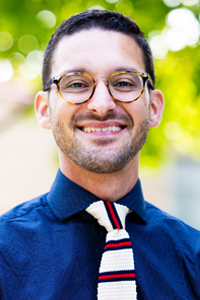
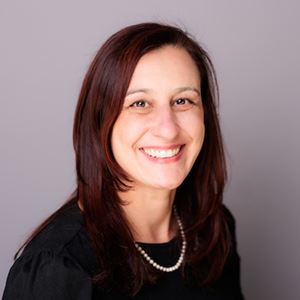
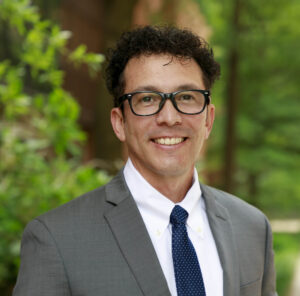
Theresa Yakich is a Lecturer in the Teaching and Learning department at the College of Education, University of Colorado at Colorado Springs. She holds a PhD in Behavior Analysis from The Chicago School of Professional Psychology and serves as VP of Clinic Operations at the Family Support Center, providing services for children with autism. With over 25 years of experience, she specializes in behavior analytic services across educational, clinical, and community settings. Her research focuses on parent/staff training methodologies and promoting Applied Behavior Analysis (ABA) practices in local communities. She has published in the Journal of Applied Behavior Analysis and seeks to unite practitioners advancing behavior analysis principles.
Rasha Baruni is an Assistant Professor in the Department of Psychology at the University of Manitoba's Faculty of Arts. She teaches courses including Seminar in Behaviour Modification (PSYC 4540/8240) and Seminar in Basic Operant Research (PSYC 4540/8270). Her academic background includes a PhD in Applied Behaviour Analysis from the University of South Florida (2023), an MS in Applied Behaviour Analysis from St. Cloud State University (2012), and a BA Honours in Psychology from York University (2007). PhD (Applied Behaviour Analysis), University of South Florida, 2023 MS (Applied Behaviour Analysis), St. Cloud State University, 2012 BA Honours (Psychology), York University, 2007 Baruni's research focuses on applied behavior analysis for child safety , particularly in digital environments. She develops and evaluates behavioral skills training (BST) and conjugate reinforcement schedules to address physical and digital safety threats (e.g., firearms, social media risks). Her work extends to staff training methodologies and procedural fidelity in intervention implementation. Recent publications analyze conjugate reinforcement dynamics, remote safety training efficacy, and BST adaptations. Research trends show emphasis on digital safety threats , cross-cultural interventions , and technology-assisted training for both children and practitioners. She actively explores ways to improve stakeholder accessibility to safety programs. Currently accepting Master’s and PhD students, Baruni collaborates with international institutions on behavioral safety initiatives and maintains active research connections through platforms like Google Scholar and ResearchGate.
Dr. Paige S. Boydston is a Clinical Assistant Professor in the Behavior Analysis and Therapy program at Southern Illinois University. She specializes in applied clinical work and teaching within behavior analysis, focusing on autism intervention across diverse settings. Education: Ph.D. in Psychology (Behavior Analysis and Therapy emphasis, 2020, Southern Illinois University); M.S. in Psychology (Clinical emphasis, Pittsburg State University); B.S. in Psychology (Wichita State University) Dr. Boydston's research addresses critical clinical and social dimensions of behavior analysis: Parent Training : Developing effective caregiver intervention strategies Telehealth : Expanding access to behavioral services in underserved areas Autism Interventions : Adapting early intensive behavioral methods for older children and adolescents Equity Work : Promoting gender equality within the field of behavior analysis
Dr. Christine Drew serves as Assistant Professor in Auburn University's College of Education within the Department of Special Education, Rehabilitation, and Counseling. She coordinates the Graduate Transition Certificate Program and advises the EAGLES Program, leveraging her expertise in behavior analysis for intellectual and developmental disabilities. Her academic foundation includes a Ph.D. from the University of Oregon, M.Ed. in Special Education from Texas State University, and B.A. in Economics from the University of Texas. Educational background: Ph.D. in Special Education from University of Oregon M.Ed. in Special Education with Applied Behavior Analysis concentration from Texas State University B.A. in Economics with minor in secondary social studies education from University of Texas Dr. Drew's research pioneers intersections of behavior analysis, sexuality education, and IDD support through parent collaboration. Her work advances telehealth interventions for challenging behavior and inclusive practices for neurodiverse populations, with growing emphasis on social justice dimensions like LGBTQIA+ inclusion and racial equity in autism services. Methodologically, she integrates single-case designs with community-based participatory approaches to address systemic barriers. Analysis of her 2021-2025 publications reveals three dominant trajectories: (1) Practical skill-building interventions for daily living and menstrual health, (2) Telehealth adaptations for family-implemented behavior support across generations, and (3) Critical examinations of equity gaps in disability research and incarceration systems. Her scholarly impact extends through editorial contributions to the Journal of Positive Behavior Interventions . Professional recognition includes Board Certified Behavior Analyst-Doctoral (BCBA-D) status achieved in 2019, though no formal scientific awards are documented. Her editorial board service demonstrates peer acknowledgment of expertise. As EAGLES Program Faculty Research Advisor, Dr. Drew mentors transition-focused projects while coordinating graduate certificate training. Her telehealth research during the pandemic suggests NIH or IES grant involvement, though specific funding isn't detailed. Current work emphasizes sustainable activism models for behavior analysts. Dr. Drew leads Auburn's EAGLES Program research initiatives, developing inclusive higher education frameworks for students with IDD. Her telehealth case studies involve multi-stakeholder teams including grandparents, parents, and school personnel, reflecting her commitment to ecological intervention approaches.
Dr. Daniel Almeida is an Adjunct Professor with over 35 years of experience providing Applied Behavior Analysis (ABA) services to individuals with Autism Spectrum Disorders and related disabilities. His career includes leadership roles such as Executive Vice President at an ABA agency and Supervisor of ABA Services in a Greater Boston public school district. He earned his PhD in ABA from Simmons University and has contributed to research on staff training and behavioral interventions for students with autism through peer-reviewed publications and national conference presentations. Education: PhD in Applied Behavior Analysis from Simmons University Dr. Almeida's research focuses on culturally responsive, evidence-based ABA treatment, staff development, and educational interventions for neurodiverse populations. He has conducted professional development workshops nationwide and remains dedicated to training students and stakeholders in ABA best practices.
Shubha Kashinath is an Associate Professor and Chair in the Department of Speech, Language, & Hearing Sciences at California State University, East Bay. Her work focuses on bridging research and clinical practice to improve outcomes for individuals with communication impairments. She leads the CSD Early Social Communication Research Clinic, guiding undergraduate and graduate students in autism research, family-centered intervention, and collaborative practices. Additionally, she directs the Conversation Club, a social skills program for adults with autism enrolled in the College Link Program. Her research emphasizes autism, early intervention, and family-centered approaches, with a particular interest in augmentative and alternative communication (AAC) and culturally responsive practices. She teaches courses in autism, language disorders, counseling, and research methods. Dr. Kashinath’s publications span peer-reviewed journals, highlighting topics like paraeducator training, family routines-based interventions, and the efficacy of social skills programs. She actively mentors underrepresented students in speech-language pathology, emphasizing leadership and research engagement. Her professional service includes roles in academic leadership and community outreach, reflecting her commitment to advancing both scientific knowledge and practical clinical solutions.
Nancy Rosenberg is an Associate Teaching Professor in the Department of Special Education at the University of Washington . She holds a Ph.D. and M.S. from Stanford University and a B.S. from Stanford University, with a focus on Applied Behavior Analysis (ABA) and autism education. Her work emphasizes ethical compliance, behavioral interventions, and practical strategies for educators. Ph.D. , University of Washington M.S. , Stanford University B.S. , Stanford University Rosenberg specializes in Applied Behavior Analysis and its application to Autism Spectrum Disorders , particularly in early childhood education. Her research explores: Ethical decision-making in behavioral sciences Bug-in-ear coaching for educators Social validity in interventions Generalization of skills in natural environments Her recent publications analyze ethical frameworks, remote coaching effectiveness, and social communication strategies for children with autism. Though no specific awards are listed, her work is widely published in journals like Behavior Analysis in Practice and Journal of Autism and Developmental Disorders . She teaches courses on ABA principles and ethical practices in special education.
Kim Jonkman, MSc is an Education/Research Officer at Vrije Universiteit Amsterdam within the Faculty of Behavioural and Movement Sciences, Department of Clinical- Neuro- and Developmental Psychology. She serves as coordinator for the Netherlands Autism Register (NAR), a large longitudinal cohort study of autistic individuals. Her research focuses on understanding support services used by autistic individuals, including treatments, medications, guidance, and counseling. Dr. Jonkman completed her PhD in September 2025 on autism support services with her thesis "Rethinking Autism Support: What is used, what helps, and what matters?" Her publication portfolio reveals deep engagement with autism research methodology and service evaluation: Employing mixed methods to examine ABA-derived therapies from multiple stakeholder perspectives Investigating mental health care utilization patterns among autistic adults through sequence analysis Exploring parental perceptions of support services for autistic children Documenting experiences with vaccine-related and alternative treatments for autism Dr. Jonkman actively contributes to four major research initiatives: Co-creation and data harmonization in neurodiversity research (2025-2026) The Netherlands Autism Register longitudinal study (2020-2027) Research on the impact of ABA (2023-2024) Housing and leisure outcomes for autistic adolescents and adults (2018-2023)
Brandon C. Perez, Ph.D., BCBA-D, is an Assistant Professor in the Department of Special and Early Education at Northern Illinois University (NIU). He holds a Ph.D. in Psychology (Behavior Analysis) from the University of Florida. His research focuses on behavioral interventions for individuals with intellectual/developmental disabilities, autism spectrum disorder, and severe problem behavior, with notable work in toilet training and functional analysis methodologies. He teaches courses in applied behavior analysis and contributes to certification pathways for Board Certified Behavior Analysts (BCBAs). Education: Ph.D., Psychology (Behavior Analysis), University of Florida M.S., Psychology, University of Florida B.S., Psychology, University of Florida Dr. Perez’s research emphasizes practical solutions for behavioral challenges in clinical and educational settings. His studies often address toilet training protocols, problem behavior assessment, and the efficacy of functional analysis screening in autism interventions. His work has been published in leading journals like Journal of Applied Behavior Analysis and Behavioral Interventions . Notable contributions include a highly cited paper on extending toilet-training methods to children with autism and a groundbreaking analysis of food guarding in pets using operant conditioning principles. He actively reviews for behavior-analytic journals and advocates for rigorous quality assessments in applied behavior analysis centers. His teaching portfolio includes courses such as Advanced Behavior Assessment and Applied Behavior Analysis for Autism Spectrum Disorder. He is affiliated with NIU’s Special and Early Education (SEED) program and is based in Gabel Hall 159.
Dr. Anna Linnehan is an Assistant Professor at the ABA Institute for Applied Behavioral Science within Endicott College's School of Education. Her work bridges behavioral science and education, focusing on emotional literacy and neurodivergent community support. Education: B.A. Chemistry (1999, Hobart and William Smith Colleges), M.Ed. Autism and ABA (2017, Endicott College), Ph.D. Applied Behavior Analysis (2022, Endicott College) Research interests include teaching emotions through concept analysis, nonlinear contingency analysis, AI applications, and strategies for neurodivergent populations. She teaches graduate courses like ABA510 and undergraduate courses like ABA100. Recent publications explore relational responding in children, signal detection theory, and compassionate behavioral frameworks. She received the 2022 Endicott College Conceptual Excellence Award. Dr. Linnehan advises thesis projects (ABA585-ABA699) and focuses on translating research into practical educational tools.
John C. Borrero is a Professor in the Department of Psychology at the University of Maryland, Baltimore County (UMBC). He serves as Director of the Applied Behavior Analysis Masters Track and ABA Graduate Program Director. Holding a Ph.D. from the University of Florida (2004), his research focuses on behavioral processes underlying interventions and optimizing early childhood learning environments. His work spans pediatric feeding disorders, reinforcement strategies, and behavioral economics applications. Education: Ph.D. in Psychology from the University of Florida (2004). Research Interests: Basic behavioral mechanisms in applied interventions Programming effective early childhood education environments Reinforcement schedules and decision-making in clinical settings Teaching: Courses include Psychology of Learning (PSYC 210), Learning and Cognition (PSYC 605), and advanced ABA practica. He actively mentors graduate students in the ABA and Applied Developmental Psychology programs. Labs/Teams: His lab (Sondheim 411) focuses on translational behavioral research, bridging laboratory findings to real-world applications in education and clinical settings. Advising & Grants: Accepting Fall 2026 Ph.D. (ADP) and M.A. (ABA) students. His research has explored pediatric feeding protocols, reinforcement efficacy, and behavioral choice models. Collaborations emphasize evidence-based practices in child welfare and early intervention.
Sarah Hansen is an Associate Professor in the Department of Learning Sciences at Georgia State University's College of Education & Human Development (CEHD). Her expertise focuses on early intervention strategies for children with autism spectrum disorders and developmental disabilities, emphasizing parent and teacher training to enhance social communication skills in natural environments. Education: Ph.D. in Special Education (Early Intervention), University of Oregon (2016) M.A. in Early Childhood Education, Mills College (Oakland) B.S. in Psychology, University of California, Davis Research Interests: Hansen’s work centers on early childhood special education, behavioral interventions, and telehealth applications. Key areas include: Assessment and intervention for pivotal social communication skills Parent and teacher training for inclusive classroom environments Technology integration in early childhood instruction Sleep and health issues in neurodivergent children Publications Trends: Her recent work addresses telehealth-delivered interventions, autism-related sleep challenges, and inclusive STEM/social skills curricula. Themes include family-centered care, intervention fidelity, and cross-disciplinary approaches. Grants & Advising: Hansen’s research has been supported by grants focusing on accessibility and intervention effectiveness. She advises projects on topics like telehealth feasibility and parental coaching for behavioral interventions. Her work is often collaborative with institutions like the Center for Research on Atypical Development and Learning (CRADL). Labs/Teams: Affiliated with CEHD’s research centers, including the CRADL, focusing on developmental disabilities and early intervention strategies.
Dr. Maithri Sivaraman is an Assistant Professor of Psychology and Education at Teachers College, Columbia University, which is part of Columbia University in New York City. She is affiliated with the Graduate School of Education, Health & Psychology and specializes in Applied Behavior Analysis. Dr. Sivaraman's educational background includes a PhD in Psychology from Ghent University in Belgium, an MSc in Psychology from the University of Madras in India, and a BTech in Mechanical Engineering from the National Institute of Technology, Tiruchirapalli, India. Her research interests span several important areas in psychology and education. She conducts research on generative verbal behavior , particularly focusing on naming behaviors and relational frame theory. She investigates children's socio-emotional development , especially social referencing skills in children with autism. Her work also emphasizes cultural adaptations for educational and behavioral interventions across diverse populations in India, Europe, and the United States. Dr. Sivaraman frequently adopts cross-disciplinary approaches to address complex questions in early childhood development and special education. Dr. Sivaraman's publication record demonstrates a consistent focus on behavior analysis applications for children with special needs, particularly autism. Her recent work (2023-2024) has centered on theoretical integration between Relational Frame Theory and Verbal Behavior Development Theory, perspective-taking in autistic individuals, and cultural adaptations of telehealth services. Earlier publications (2020-2022) focused on social referencing interventions, telehealth mask-wearing training during the pandemic, and ethnicity-matching in caregiver training. Her foundational work (2017-2019) explored vocal stereotypy, exclusion responding, and socialization techniques for children with autism. Dr. Sivaraman has received recognition through editorial appointments, currently serving as: Associate Editor for the Psychological Record Member of the Editorial Board of the Journal of Applied Behavior Analysis Treasurer for the Association for Science in Autism Treatment She has established the Tendrils Centre for Autism in Chennai, India, and serves as a consultant for multiple early intervention centers in India and Europe. Dr. Sivaraman also co-blogs on early childhood development for Psychology Today with Dr. Tricia Skoler.
Priscilla Burnham Riosa is an Associate Professor and Department Chair in the Department of Applied Disability Studies at Brock University. She holds a PhD in Human Development from the University of Guelph and an MSc in Developmental Psychology from Western University, with a postdoctoral fellowship at York University focusing on mental health and autism. Her research emphasizes improving well-being and quality of life for individuals with disabilities and their families, with key interests in therapeutic rapport, mindfulness-based interventions, and community-engaged research. The Burnham Riosa Lab explores topics such as parent-child relationships, mental health disparities among migrants, and healthcare accessibility for individuals with autism. Her academic trajectory includes publications on autism spectrum disorder interventions, emotion regulation in children, and healthcare provider training. Current students include Shona Mills, Kevin Yu, and Sara Tanasichuk. Past advisees have contributed to studies on sibling perspectives of autism and risk factors for violence in autistic adults. She is accepting ABA/LDCC students for Fall 2024. Research trends in her publications reflect a focus on translational science, bridging clinical practice and community needs. Collaborations span disciplines like behavioral analysis, pediatric healthcare, and qualitative methodologies. Her work addresses gaps in service provision while advocating for strengths-based approaches to disability. Advising and mentoring have been central to her career, with a record of guiding students through rigorous qualitative and quantitative studies. The Burnham Riosa Lab collaborates with institutions like the Centre for Applied Disability Studies to advance inclusive policies and interventions.
Dr. Julie Koudys is an Associate Professor and Clinical Coordinator in the Department of Applied Disability Studies at Brock University. She holds a Ph.D. in Clinical Psychology from York University and is a Registered Psychologist and Board Certified Behavior Analyst at the doctoral level. Her research focuses on augmentative communication systems, behavioral interventions for ASD and developmental disabilities, and long-term outcomes of early interventions. Dr. Koudys has served on key Ontario government committees for autism programs and currently represents the Behavior Analyst Certification Board (BACB) internationally. Education: Ph.D., Clinical Psychology (York University). Professional Affiliations: Registered Psychologist (Ontario), Board Certified Behavior Analyst - Doctoral (BCBA-D). Research Interests: Parent-implemented behavioral interventions for problem behavior and sleep difficulties in children with ASD Evaluation of Picture Exchange Communication System (PECS) efficacy and implementation strategies Long-term outcomes of early intensive behavioral intervention (EIBI) Cultural responsiveness in applied behavior analysis Awards: 2017 ONTABA Research Award for contributions to ASD treatment guidelines, 2018 ONTABA President’s Service Excellence Award for committee work. Active in professional regulation policy development and telehealth applications for behavior analytic training. Advising: Current MA students include Hannah Floyd, Elizabeth Gay, and Taylor McNeely. Has supervised 10+ graduate students over past decade. Research collaborations include studies on autism policy, telehealth training, and cultural competency in ABA practices.