- Cancer Biology
- Metastasis
- Tumor Microenvironment
- +۷ مورد دیگر
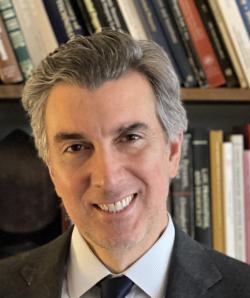
Raghu Kalluri is a Professor and Chairman of the Department of Cancer Biology at The University of Texas MD Anderson Cancer Center. He holds the Frederick F. Becker Distinguished University Chair of Cancer Research and is a CPRIT Established Investigator. He also serves as Director of the Metastasis Research Center at MD Anderson. Additionally, he holds key academic roles at The University of Texas Health Science Center at Houston, including Assistant Dean of the Graduate School of Biomedical Sciences and Co-Director of the Medical Scientist Training Program. He holds adjunct professorships at Rice University, University of Texas Medical Branch, and Baylor College of Medicine. Dr. Kalluri's research focuses on understanding how cells communicate with their environment to maintain organ health and how these networks are disrupted in diseases like cancer, fibrosis, and aging. His laboratory investigates cancer biology and metastasis , tumor microenvironment , exosome biology , and tissue regeneration . His work is highly translational, aiming to develop new diagnostic and therapeutic strategies. His discoveries have led to nine clinical studies and Phase I trials, and six biotechnology companies have been founded based on intellectual property from his lab. Dr. Kalluri has been continuously funded by the NIH for 29 years and has received numerous prestigious awards, including the NCI Outstanding Investigator Award (2022) and the Dallas/Fort Worth Living Legend Faculty Achievement Award (2023). He is a Fellow of the American Society for Clinical Investigation, the American Association for the Advancement of Science, and the Association of American Physicians. Jacob Henle Medal for Excellence in Medicine (2015) Ruth Leff Siegel Award for Excellence in Pancreatic Cancer Research (2016) NCI Outstanding Investigator Award (2022) Dallas/Fort Worth Living Legend Faculty Achievement Award in Basic Research (2023) Dr. Kalluri is deeply committed to training the next generation of scientists, having mentored over 300 research trainees throughout his career. He has led major education and training programs at both Harvard and MD Anderson. His leadership extends to program direction and academic administration, including co-directing the Medical Scientist Training Program and serving as Assistant Dean. His research is supported by sustained grant funding, including from NIH and CPRIT. He leads the Metastasis Research Center at MD Anderson, a hub for interdisciplinary research into cancer spread. His lab is a vibrant training environment fostering innovation in cancer biology and regenerative medicine, with strong collaborations across institutions including Rice University, Baylor College of Medicine, and UTHealth Houston.