معرفی
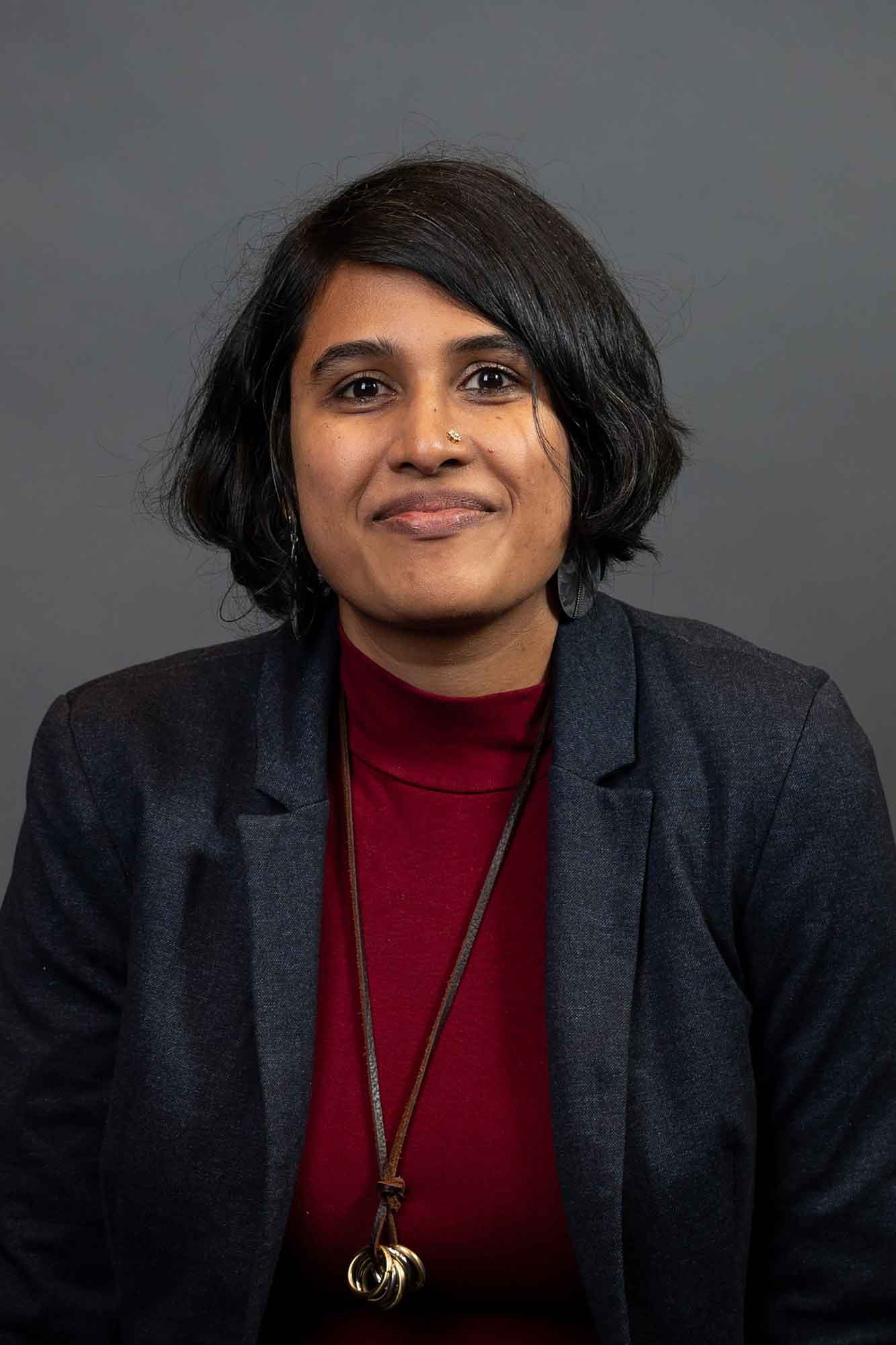
Susan L. Ostermann serves as Associate Professor of Global Affairs and Political Science at the University of Notre Dame's Keough School of Global Affairs, specializing in regulatory compliance mechanisms within states of limited coercive capacity across South Asia and Africa. Her interdisciplinary research bridges law, political science, and development studies to examine how legal compliance occurs even when enforcement appears improbable.
Ostermann's academic foundation includes doctoral training in Political Science at UC Berkeley and legal education at Stanford Law School, complemented by professional experience as a litigator handling class actions and intellectual property cases prior to her academic career.
- Ph.D. in Political Science, University of California, Berkeley
- J.D., Stanford Law School
Her seminal contribution is the 'regulatory pragmatism' framework developed in her Oxford University Press book analyzing India-Nepal border regulations, which explains how states employ non-coercive strategies to secure compliance with conservation, education, and child labor laws. Current research extends this to anti-FGM/C law implementation in Burkina Faso, Mali, and Kenya, while exploring why capable states sometimes refrain from monopolizing violence. She also investigates inter-caste marriage dynamics, skin color's political role in India, and historical conservatism in Indian political thought.
Analysis of her recent publications reveals three interconnected research strands: (1) gender-focused legal compliance in African contexts, particularly regarding FGM/C abandonment; (2) regulatory innovation in disaster recovery through hazard-resilient housing codes; and (3) South Asian governance examining electoral institutions, bureaucratic evolution, and demographic trends like sex-ratio imbalances. Her methodological approach consistently combines qualitative fieldwork with quantitative analysis across these domains.
Research funding includes a Liu Institute Justice and Asia grant supporting her project 'Internal Democratization: Explaining the 2018 Federally Administered Tribal Areas Merger in Pakistan.' She currently leads collaborative research on regulatory approaches to hazard-resilient housing following the Maui wildfires, working with interdisciplinary teams to translate findings into practical building codes.
As an educator, Ostermann teaches undergraduate courses including 'Global Politics & Policy' and 'Democracy in Modern South Asia,' integrating active learning methodologies through group projects and field-based pedagogy as documented in her 2023 publication on re-energizing classroom engagement. Her teaching philosophy emphasizes connecting theoretical concepts to real-world governance challenges.