معرفی
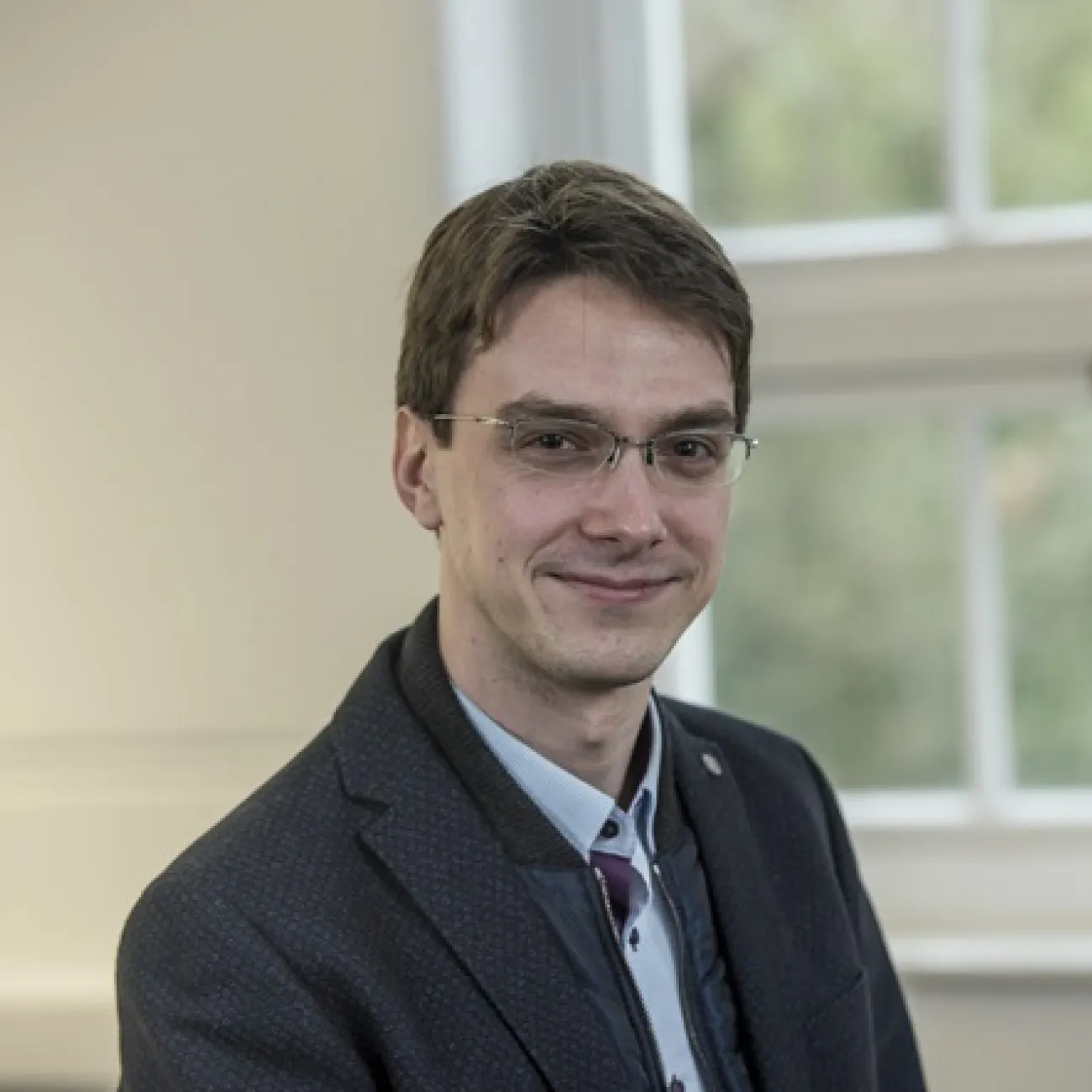
Pete Smith serves as Professor of Renaissance Literature within the Department of Humanities, School of Social Sciences at Nottingham Trent University. A former theatre production professional turned academic, he maintains active scholarly engagement through publications, editorial work, and public lectures for institutions including the British Shakespeare Association and Chipping Campden Literature Festival.
His research centers on Shakespearean performance and early modern cultural studies, with specialized expertise in scatology, physicality in Renaissance texts, theatre reviewing practices, and film adaptations of canonical works. Key publications like Between Two Stools: Scatology and its Representations in English Literature, Chaucer to Swift (2012) and co-edited volumes including Much Ado About Nothing: A Critical Reader (2018) demonstrate his interdisciplinary approach bridging literary analysis, performance history, and contemporary reception studies.
Recent publications reveal evolving trends toward digital Shakespeare interpretation and politically charged adaptations, particularly in film analyses of Richard II's landscape symbolism and post-2010 screen versions of Othello and King Lear. His editorial leadership of Cahiers Elisabethains further shapes global discourse on Renaissance performance through special issues like 'Shakespeare Under Global Lockdown' (2020).
Professor Smith actively supervises postgraduate research, currently mentoring a Midlands 4 Cities-funded PhD candidate examining perpetrator studies in Richard III. He has examined doctoral theses on Arabic Shakespeare adaptations, Marlowe's theatre, and 21st-century British drama, welcoming new students in early modern performance, scatology, and Shakespearean film studies.
Externally, he contributes as Editorial Board member for Shakespeare and Early Modern Literary Studies, while his public engagement includes lectures for the Shakespeare Birthplace Trust and Prince's Teaching Institute. His regular contributions to Times Higher Education extend his scholarly voice into contemporary academic discourse.