Jacqueline M Rasmussen is a Lecturer in the Liberal Arts Department at the School of the Art Institute of Chicago (SAIC). She specializes in English language fluency education for international students, focusing on integrating art history and liberal arts curricula. Her courses emphasize academic writing, formal analysis of artworks, and public speaking skills. Current teaching responsibilities include: ENGL 1021: English for International Students (Spring/Fall 2025) ENGL 1035: Tutorial for English as a Second Language (Summer 2025) Her instructional approach combines close reading of art-related texts with practical writing workshops and small-group tutoring sessions to help non-native English speakers succeed academically and creatively.
Tresa Randall is Associate Professor of Dance and Director of Studies for the Honors Tutorial Program in Dance at Ohio University's Chaddock + Morrow College of Fine Arts, School of Dance. She is a scholar, educator, choreographer, and leader in community dance and dance studies. Education: Ph.D. in Dance Studies, Temple University, 2008 Graduate Certificate in Women's Studies, Temple University, 2008 M.A. in Dance History and Criticism, University of New Mexico, 2000 B.A. in Dance, Hamilton College, 1993 (minor in Comparative Literature) Dr. Randall’s research centers on dance as a cultural and political practice, with expertise in modernist dance across the U.S., India, and Germany; feminist dance studies; critical pedagogies; and dance as community engagement. Her work interrogates how dance shapes identity, modernity, and ethics, and she has published in Feminist Modernist Studies , New German Dance Studies , and the Routledge Encyclopedia of Modernism . She emphasizes inclusive, collaborative, and socially just approaches in both research and teaching. Her recent scholarship reflects a strong trend in transnational modernism, archival research, and feminist re-readings of dance history. Themes include the Wigman School, Hanya Holm, Dalcroze-Hellerau, and contemporary choreographers like Beth Gill. Her publications span academic journals, encyclopedias, conference presentations, and critical blogs, demonstrating both scholarly rigor and public engagement. Scientific Awards and Honors: Presidential Teacher, Ohio University (2015–2018) Fellow, Ping Institute for the Teaching of the Humanities (2023) Faculty Visit Grant, DAAD (German Academic Exchange Service) Dr. Randall has played a pivotal role in academic leadership and mentoring. She led the creation of the first M.A. in Community Dance in the United States and mentors honors tutorial undergraduates in independent research and creative projects. She has developed numerous courses, including Writing Dance and Gender, Community Dance Theory and Practice, and Seminar in Dance Studies Research. While no specific grants beyond DAAD are listed, her funded research indicates active grant acquisition. She teaches across dance history, technique, composition, and graduate seminars. She is deeply involved in the School of Dance’s academic and creative life, contributing to curriculum innovation, student mentorship, and national scholarly discourse. Her work bridges performance, pedagogy, and research, fostering critical thinking and ethical engagement in dance.
Prof. Yavuz Akpınar at Boğaziçi University is a leading academic in Educational Technology and Interactive Learning Environments . His career spans over two decades of research and development in technology-enhanced education. Ph.D. : Design and Validation of Interactive Learning Environments (University of Leeds, UK) M.A. : Graphical Environments for Understanding School Science (University of Leeds, UK) B.S. : Measurement and Evaluation in Education (Hacettepe University, Türkiye) His research focuses on serious games , computer-based learning , and multimedia pedagogy , with particular emphasis on self-regulated learning and programming education in K-12 contexts. Recent publications highlight a consistent focus on serious game design , flipped classroom modalities , and argumentation-based learning tools . His work bridges STEM education and educational technology validation . Professor Akpınar's email address is akpinar@bogazici.edu.tr .
Michael Taber is an Associate Professor in the Department of Philosophy at St. Mary's College of Maryland . He specializes in Ancient Greek and Roman Philosophy and Ethics , with teaching focuses on Happiness and Meaning , Altruism and Egoism , and Philosophy of Mind and Brain . Taber has led student study tours to Greece since 2010 and coached the St. Mary’s Ethics Bowl team, which qualified for Nationals four times between 2012 and 2020. Education B.A. in Philosophy and Neuropsychology, University of Rochester (1981) Ph.D. in Philosophy (minor in Classics), University of Wisconsin-Madison (1987) Research Interests Explores the ethical implications of involuntary affiliations (e.g., family bonds) and Socratic models of concern for others . Investigates self-interest in relationships , contemporary debates on love and friendship , and classical philosophical frameworks . Courses Teaching PHIL 120: Introduction to Ethics and PHIL 380.02: The Self in Love and Friendship (Fall 2025). Emphasizes student-led discussions , critical analysis of primary texts , and oral/written communication skills . Writing and Pedagogy Maintains a writing advice site with guides on grammar, style, and philosophical argumentation. Advocates active seminar participation and collaborative learning through paired tutorials and Perusall annotations. Contact Office: Montgomery Hall 003 Office Hours: Monday & Wednesday 11:30-12:30 (Fall 2025) Email: mstaber@smcm.edu Phone: 240-895-4900
Miki Ikuta is currently serving as an Assistant Professor at the Global Education Center , Waseda University, since April 2024. Previously, she held postdoctoral positions at the University of Windsor (Department of Psychology, 2023) and received JSPS fellowships (PD and DC2) for her work on second language processing. PhD in Humanities from Nagoya University (2020) Master's in Humanities from Nagoya University (2018) Exchange studies at University of the Sunshine Coast (2013-2014) Her research focuses on second language acquisition, metaphor processing mechanisms, and cognitive aspects of bilingualism. Key methodologies include experimental psychology, corpus analysis, and computational modeling. She has published in journals like PLOS ONE and Metaphor and Symbol , while her presentations span international conferences on aphasia, cognitive psychology, and language education. 2025: Selected for Words in the World and JCLA conferences 2024: Presented at Academy of Aphasia annual meeting 2023: Keynote at LET Conference Scientific achievements include: JSPS Grant-in-Aid for metaphor processing research Co-developed mixed-effects models for analyzing language development She teaches foundational English courses at Waseda University, including Tutorial English series across multiple quarters.
Dominik Delp is a Researcher in the Department of History at the Faculty of Humanities, University of Tübingen. He has been working as a Scientific Staff Member since 2023 on the Leibniz Project "(Post-)Roman Transitions." Previously, he served as Equality Commissioner and Staff Representative in the Executive Board for the Collaborative Research Center 923 "Threatened Orders" (2022-2023) and as a Postdoctoral Academic Staff Member for the same center (2019-2023). Dr. Delp completed his doctorate in Ancient History in 2018 with a dissertation titled "Between Settlement and Mobility: Migration Theoretical Perspectives on the so-called 'Great Greek Colonization'" supervised by Prof. Dr. Mischa Meier. His academic background includes work as an Academic Staff Member for the Collaborative Research Center 1070 "Resource Cultures" (2014-2017) and as a Research Assistant/Tutor at the University of Frankfurt (2010-2013). His research focuses on mobility and migration in ancient contexts, particularly regarding Greek colonization, the Byzantine monarchy and the end of Late Antiquity, Digital Humanities applications, and sociological approaches to Ancient History. His work examines how ancient societies responded to crises, with particular attention to the Justinianic period and the transformation of political orders during epidemics like the Justinianic Plague. His publications reveal a consistent interdisciplinary approach combining historical analysis with migration theory and resource studies. Dr. Delp's scholarly contributions include his 2022 monograph "Between Settlement and Mobility," co-edited volumes on resource studies, and numerous articles applying migration theory to ancient contexts. His recent work explores symbolic resources during political transformation in Late Antiquity, connecting ideology with material conditions during periods of crisis. Certificate Program in Science Communication, Excellence Strategy of the Federal and State Governments/University of Tübingen (2021) Travel and Participation Stipend from the Society for Classical Studies (2017) Funding for study project "Zeitstrahlzollstock" by Förderverein Geschichte (2025) Research stay in Istanbul through SFB 923 "Threatened Orders" (2022) Publication subsidies for monograph from SFB 1070 Resource Cultures and Axel-Springer Foundation (2022) Dr. Delp teaches seminars on the Byzantine Monarchy, Greek Early History, and Theories of Threatened Orders for doctoral students and postdocs. He has developed innovative digital teaching resources, including an Online Tutorial for Ancient History, demonstrating his commitment to integrating Digital Humanities into historical education and public engagement.
Jaskirat Sodhi is a Senior Lecturer in the Department of Mechanical and Industrial Engineering at New Jersey Institute of Technology (NJIT). He holds a Ph.D. in Mechanical Engineering from NJIT and a B.S. in Aeronautical Engineering from Punjab University. His work focuses on innovative teaching methodologies, inclusive design in engineering education, and improving student engagement through active learning strategies. He has developed courses such as Introduction to Computer Aided Design (ME 430) and Analysis and Design of Machine Elements (MET 301) , integrating hands-on projects and technology tools like MATLAB and 3D printing. Dr. Sodhi’s research interests include curriculum development for first-year engineering students, embedding ethics into introductory courses, and addressing challenges in online education during the pandemic. He has pioneered initiatives like the GIFTS program to enhance self-development through engineering design projects, and Milestones-Based Learning frameworks to boost student performance. His work often involves collaborative projects with librarians and interdisciplinary teams to improve research and writing skills among undergraduates. He has presented extensively at workshops on topics such as competition-based drone education, cheating prevention strategies, and inclusive design modules. His earlier research in materials science includes studies on light-activated shape memory polymers, reflecting his background in mechanical engineering.
Dr. Kathleen Koenig is a Professor of Physics at the University of Cincinnati with an affiliate appointment in the College of Education, Criminal Justice, and Human Services. She transitioned from high school physics teaching to academia, earning her PhD in Physics Education from the University of Cincinnati (2004). Her research focuses on STEM retention strategies, scientific reasoning development, and psychological interventions to enhance student belonging. She has secured over $8.1M in NSF/NIH grants and published widely in journals like Science and Physical Review Special Topics . Notable awards include the AAPT Fellowship (2021) and multiple teaching excellence recognitions. Education: PhD in Physics Education, University of Cincinnati, 2004 Masters of Science in Physics, Miami University, 1993 Masters of Art in Teaching (Grades 7-12 Physics/Math), Miami University, 1993 Bachelor of Science in Physics, Xavier University, 1990 Research Interests: K-16 STEM education reform, pedagogy for student retention, scientific reasoning assessment, and teacher training programs. Grants & Awards: Over $8M in NSF/NIH funding since 2006; AAPT Fellow, UC Academy of Teaching Fellows, and multiple early career awards. Service: Leadership roles in PhysTEC, Ohio Project Kaleidoscope, and editorial boards for REAL and Physics Teacher .
Dr. Diana Awad Scrocco is an Associate Professor in the Department of English & World Languages at Youngstown State University (YSU). She directs the Public and Professional Writing program, focusing on expert-novice interaction and feedback mechanisms in academic and healthcare settings. Her work bridges writing pedagogy, medical communication, and writing center theory, emphasizing practical applications in professional and technical contexts. Education: PhD in English: Rhetoric and Composition (2012), Kent State University. Dissertation: An Examination of the Literate Practices of Resident Physicians and Attending Physician Preceptors in a Resident-Run Internal Medicine Clinic MA in English: Literature and Writing (2008), Kent State University BA in English and Psychology (2006), Youngstown State University Research Interests: Diana’s research explores writing in professional and medical environments, including the role of topoi in medical training, online tutoring innovation, and programmatic curriculum design. She emphasizes dialogic feedback strategies and the integration of technology in writing centers. Her work in medical rhetoric highlights communication between physicians and trainees, while her technical writing studies focus on data-driven and healthcare-specific communication practices. Articles Overview: Her publications reflect a sustained focus on writing center methodologies and medical communication. Recent work (2023) examines alignment between tutoring plans and consultations, while earlier studies (2016–2014) analyze physician education dialogue and residency training practices. She also explores creative pedagogical approaches like aural projects in writing courses (2011) and collaborative program adjustments using layered literacies frameworks (2023). Awards: 2025: Research Professorship (university-wide competitive research leave) 2018: Faculty Improvement Leave (9 hours reassigned time) 2017: University Honors Trustee Faculty Award (Honors College student impact) 2015: University Research Professorship 2012: Mark Reynolds TETYC Best Article Award (for Do you care to add something? ) Advising & Grants: Diana has coordinated intellectual contributions (2019–2026) and oversees the Public and Professional Writing internship program. While no specific grants are listed, her awards (e.g., research leaves) indicate sustained institutional support for her work. She teaches a wide range of graduate and undergraduate courses, including Methods of Composition Research and Writing in the Health Science Professions . Labs/Teams: She collaborates with the University Writing Center at the University of Texas at Austin (as noted in journal affiliations) and actively contributes to the Honors College at YSU through award-winning mentorship. Her program direction and writing center research suggest leadership in interdisciplinary teams focused on professional and medical communication training.
Nicole MacLaughlin serves as Director of Writing and Rhetoric and Associate Professor in the University Writing Program at the University of Notre Dame, where she has been full-time faculty since 2007. Her work centers on leveraging writing education for individual empowerment and social justice through innovative pedagogical approaches. Her academic credentials include: B.A. in Teaching of English, University of Illinois at Urbana-Champaign M.A. in Writing Studies, University of Illinois at Urbana-Champaign Ph.D. candidate in Educational Studies, Purdue University MacLaughlin's research investigates self-efficacy and emotion in writing processes, with concentrated focus on first-generation student success. She pioneers third-space pedagogies that reframe academic reading and writing as accessible, hands-on crafts, bridging theoretical frameworks with practical applications to advance economic and social equity. Her community-engaged scholarship emphasizes writing as a vehicle for social transformation. Her scholarly trajectory from 1997-2023 reveals sustained commitment to writing program administration, community partnerships, and performance-based social justice initiatives. Recent work demonstrates innovative support structures for student-athletes through The Writing and Rhetoric Tutorial and amplifies marginalized narratives via the Show Some Skin project, highlighting intersections of writing, identity, and activism. Her distinguished contributions include: Provost’s Award for Academic Support of Student-Athletes (2020) for developing The Writing and Rhetoric Tutorial, an individualized coaching program supporting students across the curriculum As faculty advisor to Show Some Skin since 2012, MacLaughlin mentors students in creating cross-disciplinary performances that explore identity and marginalization. She actively partners with South Bend community organizations including the Robinson Community Learning Center and Robinson Shakespeare Company, co-developing initiatives that document local history and examine arts-based educational interventions. Her community-based pedagogy has produced tangible outcomes including historical documentation projects, sustainability-focused writing for community organizations, and performance pieces that foster critical dialogue on difference and belonging.
Damian Zurro is an Associate Teaching Professor in the University Writing Program at the University of Notre Dame, serving as Coordinator of the Writing and Rhetoric Tutorial. He holds a B.A. from the University of Notre Dame (2003), an M.A.R. from Yale Divinity School (2006), and a Ph.D. in History from Notre Dame (2015). His work focuses on enhancing student writing skills across disciplines, with particular emphasis on marginalized populations including student-athletes, multilingual learners, incarcerated individuals, and military veterans. He employs studio-based methodologies to foster collaborative learning environments while advocating for institutional inclusivity rooted in Catholic ethical frameworks. Education: B.A., University of Notre Dame, 2003 M.A.R., Yale Divinity School, 2006 Ph.D., History, University of Notre Dame, 2015 His research explores writing self-efficacy, growth mindset adoption, and strategies to build productive faculty-student relationships. He actively investigates how Notre Dame can better serve all students through integration of Catholic intellectual tradition into institutional practices. Recent scholarly contributions include articles on incarcerated student experiences ('Learning From Prison'), interdisciplinary writing pedagogy ('Equipping Students for Multi-Disciplinary Reading'), and collaborative learning models ('Teams, Skills, and Mindsets'). His conference presentations span topics from prison education programs to medieval monastic labor studies, reflecting his dual expertise in contemporary pedagogy and historical scholarship. Zurro has co-presented numerous workshops with Nicole MacLaughlin on topics like office-hour navigation curricula and faculty-student relationship building. His work emphasizes practical applications of educational theory through innovative program development. He serves as a key figure in initiatives like the Moreau College Initiative (supporting incarcerated learners) and the Warrior-Scholar Project (military veteran education), demonstrating commitment to expanding access to higher education.
Kamila Misiejuk is a Postdoctoral Researcher at the Center of Advanced Technology for Assisted Learning and Predictive Analytics (CATALPA) within FernUniversität Hagen since October 2024. She previously served as a Senior Researcher and PhD Fellow at the Centre for the Science of Learning and Technology (SLATE) , University of Bergen (2017-2024), where she developed expertise in learning analytics and network modeling. Her research focuses on Interdisciplinary applications of Epistemic Network Analysis (ENA) and Transition Network Analysis (TNA) Designing data-driven educational tools for assessment and feedback Evaluating generative AI in academic writing and peer assessment Studying ethical implications of learning analytics dashboards Key trends in her 15 most recent publications (2024-2025) include Systematic reviews of generative AI and dashboard effectiveness Development of network analysis frameworks for collaborative learning Investigations into human-AI interaction dynamics and idiographic analytics Methodological tutorials in educational data visualization and R programming She contributes to professional networks as: Board Member , International Society for Quantitative Ethnography (ISQET, since 2021) Committee Chair , ISQET Resources Committee (2021-2023) Member , Society for Learning Analytics Research (SoLAR, since 2018)
Mary Mitchell, PhD, CCC-SLP, is a Clinical Associate Professor at Pacific University in the Department of Communication Sciences and Disorders . Her work focuses on clinical education , language/literacy interventions , and collaborative service delivery in school settings . She co-developed the R.E.A.C.T. framework for ethical AI integration in CSD education and actively promotes dynamic assessment practices through publications and presentations. Research Themes: Dynamic assessment, AI in clinical practice, literacy interventions, and interprofessional collaboration. Awards: No specific honors are mentioned, though her funded initiatives (e.g., Oregon Early Literacy Success Initiative) support professional development. Community Engagement: Partnerships with organizations like Virginia Garcia Memorial Wellness Center and Oregon Health and Sciences University enhance her outreach.
Dr. Terry Bradford holds the position of Senior Lecturer in French/Translation at the University of Leeds, within the School of Languages, Cultures and Societies under the Faculty of Arts, Humanities and Cultures. He specializes in translation and interpreting pedagogy, with particular expertise in French-English language pairs. His career includes teaching at institutions such as the British-Senegalese Institute in Dakar before returning to Leeds for full-time academia. Dr. Bradford’s education includes a First-Class BA in French & Spanish (1993), a PhD focusing on Raymond Jean’s work (1998), and professional certifications like the Metropolitan Police Certificate in Interpreting & Translation (2010). He is a Fellow of the Higher Education Academy (2017–present). His research explores translation of literary works (e.g., Boris Vian, Jacques Brel), comic books (Tintin), and innovative teaching materials. He actively develops role-play scenarios for interpreting education and contributes to postgraduate research in translation studies. His professional memberships include the National Register of Public Service Interpreters (NRPSI, 2011–2013). As a teacher, he oversees up to 30 personal tutorial students and focuses on translation from undergraduate to MA levels. His work bridges academic rigor with practical applications, including professional translation projects outside academia. Dr. Bradford collaborates with research groups such as the Centre for Translation and Interpreting Studies and the French Centre for World Literatures. Outside academia, he participates in the Otley Ukulele Orchestra, reflecting his engagement with cultural activities beyond the classroom.
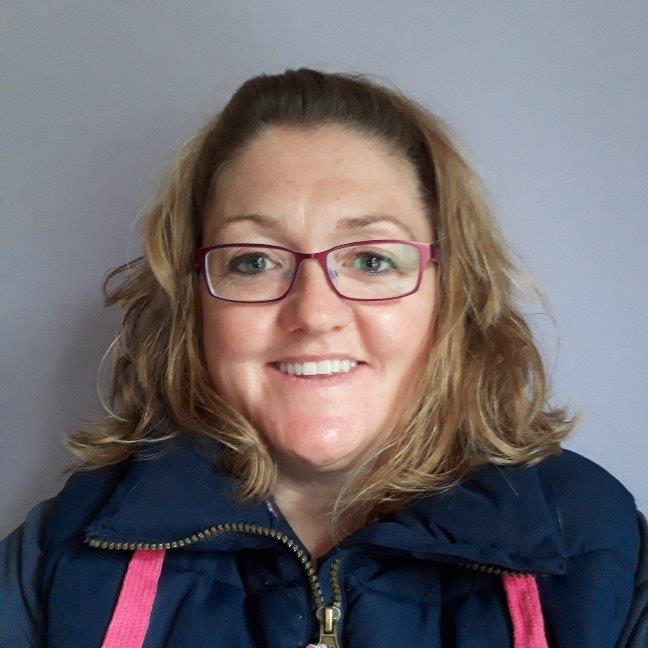
Tina Harvey is a Lecturer at the University of Cumbria specializing in Health and Social Care programs. She coordinates Level 4 studies and teaches modules on social prescribing, academic writing, mental health, and person-centered practice. With over ten years' experience, her pedagogy emphasizes curriculum development and student engagement. Her research investigates learning/teaching methodologies in higher education, particularly strategies supporting the Foundation Year to Level 4 transition. Additional interests include widening participation, tutorial practices, authentic assessment alternatives, and feedback utilization. Collaborative research projects examine assessment feedback efficacy, student progression patterns, and post-pandemic engagement. Conference presentations highlight innovations in peer support systems and equity-focused assessment design.