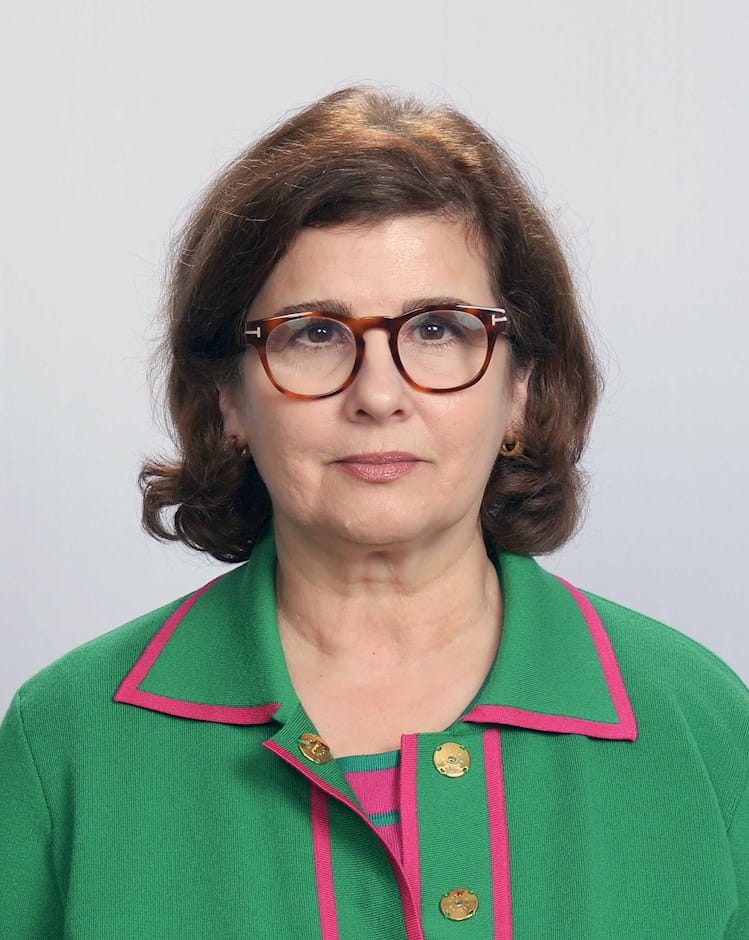
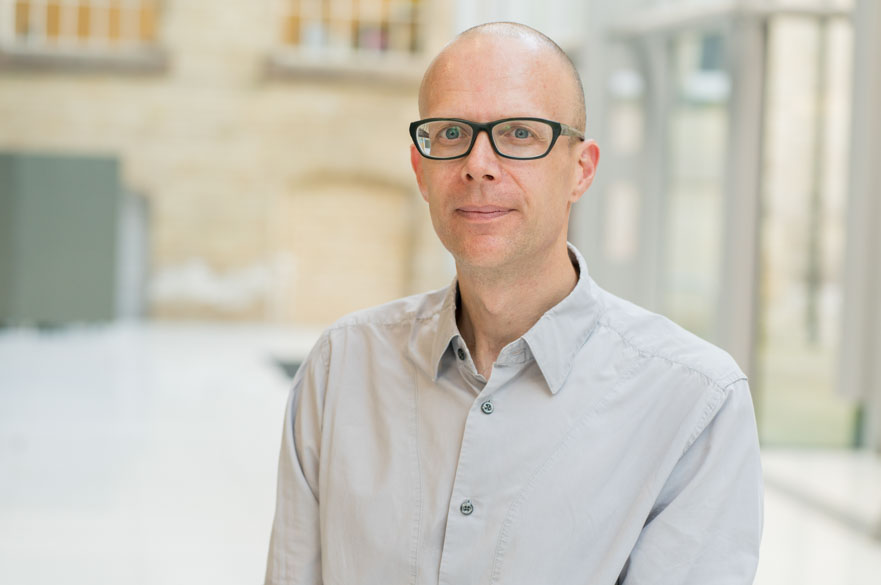
Douglas Yeung is Associate Director of the Management, Technology, and Capabilities Program in the RAND Homeland Security Research Division, a Senior Behavioral and Social Scientist at RAND, and Professor of Policy Analysis at the RAND School of Public Policy. His work bridges emerging technologies, public policy, and social well-being, with a focus on community resilience, AI governance, and health equity. Yeung received a Ph.D. from Rutgers University–Newark and a B.S. from the Massachusetts Institute of Technology. Prior to RAND, he worked as a product analyst at Oracle. His research examines how emerging technologies like artificial intelligence and social media impact mental health, civic engagement, workforce dynamics, and public trust in government. He has led studies on public perception of AI in homeland security, anti-Asian hate incidents during the pandemic, and the use of digital tools in public health. His interdisciplinary approach integrates behavioral science with policy analysis to address societal challenges. The trend in his recent publications shows a strong focus on ethical AI, equity in technology deployment, and community-centered policy. His work spans academic journals like the Journal of Medical Internet Research and public outlets such as USA Today and Scientific American, indicating a commitment to both scholarly and public discourse. Notable projects include the development of a community toolkit to counter anti-Asian hate, research on AI governance, and national surveys on health attitudes. His contributions emphasize inclusive, evidence-based policy solutions. Yeung has advised on military personnel development, online professional communities, and crisis communication. His grants and collaborative projects often involve federal agencies and public health institutions. He leads research teams focused on technology and societal impact, particularly in vulnerable communities. He is actively involved in public outreach and policy dialogue, as seen in webinars and commentaries on AI and homeland security. His lab or research program centers on sociotechnical systems and public perception of innovation.