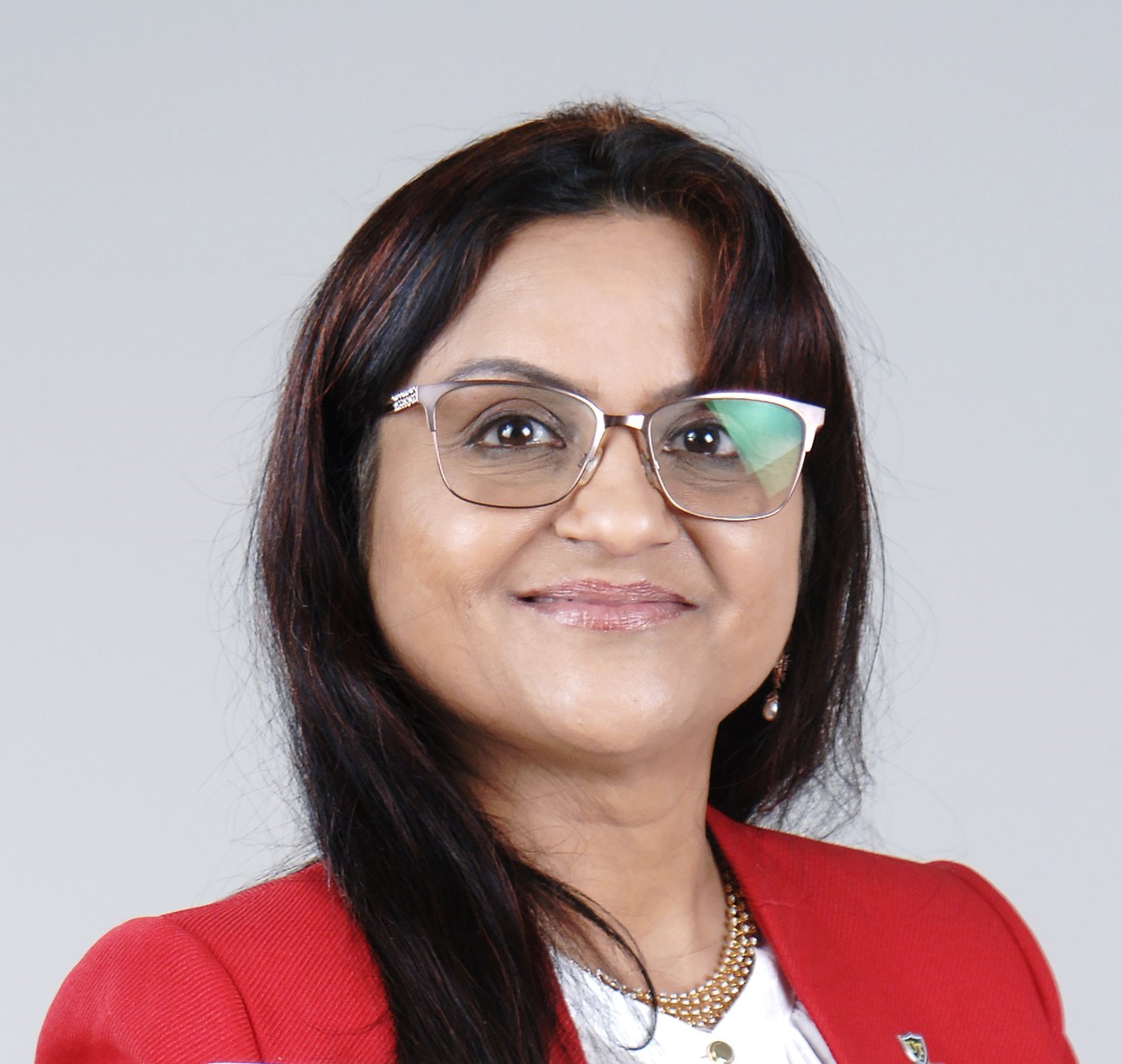
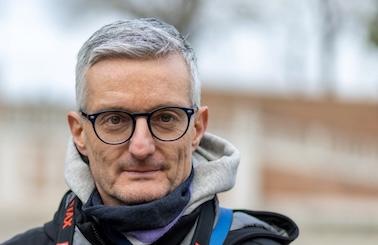
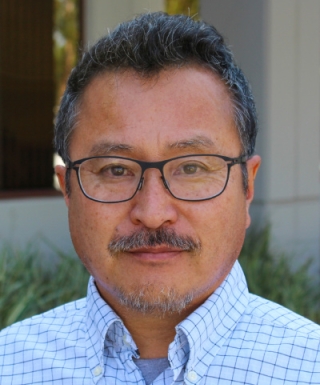
Chris Smith is a Professor in the Department of Biochemistry at the University of Cambridge, leading research on the mechanisms of regulated alternative pre-mRNA splicing. His work combines molecular, biochemical, and computational approaches to study splicing regulators in vascular smooth muscle cells and lymphoid systems. Key research focuses include the master regulator RBPMS, phosphorylation-driven splicing activity, and PTBP1's role in B cell selection. Research Interests: Mechanisms of alternative splicing regulation RBPMS's role in smooth muscle cell differentiation PTBP proteins in immune cell function Global splicing networks and regulatory interactions Collaborations include Sanjay Sinha (Cambridge Stem Cell Institute), Helle Jørgensen (Department of Medicine), and Martin Turner (Babraham Institute). The group investigates splicing's role in cell-specific phenotypes and disease relevance. Lab activities include transcriptomic, proteomic, and structural studies. Contact: cwjs1@cam.ac.uk
Daniel Greif is Professor of Medicine (Cardiovascular Medicine) and Professor of Genetics at Yale School of Medicine. He serves as Co-Director of the Yale Cardiovascular Research Center (YCVRC) and leads an active research laboratory focused on vascular and pulmonary pathobiology. Education: BS, Stanford University (1991) MD, University of California-San Francisco (1997) Intern & Junior Resident, University of Washington (1999) Senior Resident, Brigham & Women's Hospital (2000) HHMI Postdoctoral Fellow, Brigham & Women's Hospital (2003) Clinical Fellow, Stanford University (2007) Post-doctoral Fellow, Stanford University (2010) Daniel Greif’s research centers on the development and disease of blood vessels and the lung, particularly focusing on vascular mural cells (smooth muscle cells and pericytes) and fibroblasts. His lab investigates how these cells contribute to pathologies such as pulmonary hypertension, atherosclerosis, and lung fibrosis. He employs multidisciplinary approaches including genetics, epigenetics, developmental biology, and computational methods to uncover mechanisms of vascular morphogenesis, maintenance, and disease. The recent publications highlight a strong trend in vascular and fibrotic disease mechanisms. Key themes include the role of smooth muscle progenitors in vascular pathologies, epigenetic regulation of fibroblasts in lung fibrosis, signaling pathways (e.g., LXR, TGFβ, HIFα) in vascular remodeling, and the crosstalk between endothelial and mural cells. His work bridges basic science with clinical relevance, often validating findings in animal models and human samples. Daniel Greif is deeply committed to mentoring young trainees and translating fundamental discoveries into novel therapeutics. He is actively involved in collaborative research across Yale, including affiliations with the Vascular Biology and Therapeutics Program, Yale Stem Cell Center, and the Yale Combined Program in the Biological and Biomedical Sciences (BBS). His lab continues to explore arterial development, aging, and disease mechanisms with a focus on progenitor cell biology and epigenetics.
Dr. Caroline Pellet-Many serves as a Senior Lecturer in Biomedical Sciences at the Royal Veterinary College (RVC), specializing in Cardiovascular Biology within the Department of Comparative Biomedical Sciences at the Camden campus. She is an active member of the Cardiovascular and Renal Biology research group and CPCS Research Programme, teaching across BVetMed and BSc Biological Sciences degrees while co-directing BSc/MSci programmes. Academic Background: Undergraduate & Maitrise in Biology, Université Louis Pasteur, Strasbourg MSc in Physiology (Distinctions), Birkbeck College PhD in Cardiovascular Biology, University College London (2010) Her research centers on gene regulation and molecular mechanisms in cardiovascular diseases , utilizing in vivo models to investigate smooth muscle cells and macrophages in atherosclerotic plaque formation. She pioneers zebrafish models for cardiac regeneration studies, examining epicardial/endocardial roles and fin regeneration for angiogenesis. Current work focuses on Neuropilins (NRP1/NRP2) in macrophage polarization during heart repair, with implications for therapeutic interventions. Analysis of her 15 most recent publications reveals consistent focus on neuropilin signaling in cardiovascular contexts, particularly cardiac regeneration mechanisms using zebrafish models, atherosclerosis progression, and angiogenesis regulation. Key themes include receptor crosstalk (VEGFR2, PDGFR), cellular migration pathways, and inflammatory modulation in vascular disease. Professional Recognition: Fellow of the Higher Education Academy Dr. Pellet-Many supervises BSc, MSci, and PhD students including Petra Mendes-Vieira's project on neuropilins in zebrafish heart regeneration. She serves on the London Vascular Biology Forum committee and the British Small Animal Veterinary Association grant award committee, while actively promoting cardiovascular health through British Heart Foundation outreach and RVC's 'Night at the Vet College' events. As a core member of RVC's Cardiovascular and Renal Biology group, she integrates zebrafish regeneration models with molecular techniques to investigate therapeutic targets for heart disease, emphasizing translational applications in veterinary and human medicine.
Dr. Fen Long is a Researcher affiliated with the Professorship for Translational Nutrition Biology at ETH Zürich. Their work focuses on metabolic disorders, nutritional physiology, and molecular mechanisms underlying metabolic diseases. Key research interests include histone modifications, inflammation, and their roles in cardiovascular and metabolic pathologies. Dr. Long’s research integrates genomic approaches (e.g., single-nucleus transcriptomics) with biochemical studies to dissect mechanisms of obesity, insulin resistance, and vascular dysfunction. Recent studies highlight their expertise in epigenetic regulators like JMJD3 and SMYD3, linking histone modifications to fibrosis, inflammation, and autoimmune responses. They also investigate dietary interventions (e.g., low-carbohydrate diets) and pharmacological targets (e.g., histone methyltransferase inhibitors) in metabolic and cardiovascular contexts. Publications span metabolic signaling (e.g., glucagon, cAMP/PKA pathways), lipid metabolism (ATGL regulation), and cellular stress responses (unfolded protein response). Their work bridges basic molecular mechanisms to translational applications in therapies for metabolic-associated fatty liver disease, rheumatoid arthritis, and post-myocardial infarction recovery. No scientific awards or current advising roles are explicitly listed. Their research is conducted within the Translational Nutrition Biology group at ETH Zürich, leveraging interdisciplinary collaborations in systems biology and clinical translation.
Bina Joe , Ph.D., is a Distinguished University Professor and Chair of the Department of Physiology and Pharmacology at the University of Toledo College of Medicine and Life Sciences. She serves as the Founding Executive Director of the Center for Hypertension and Precision Medicine and Principal Investigator of the Program in Physiological Genomics. With appointments at the University of Toledo since 2004 and current roles in leadership and research, her work bridges genetic, physiological, and microbiome-based mechanisms in cardiovascular diseases. Research areas include hypertension genetics, gut microbiome-cardiovascular links, and precision medicine Key methodologies: systems biology, CRISPR engineering, and microbiome profiling Scientific Awards & Honors Fellow of the American Heart Association (FAHA, 2010) Distinguished University Professor (2017) President’s Awards for Excellence in Grantsmanship (2019, 2017, 2015) Ernest Starling Distinguished Lectureship (2022) Over 20 national/international awards and fellowships Her research team utilizes rat models to dissect genetic and microbiotal contributions to hypertension, with translational applications in human disease. Recent work emphasizes gut microbiota-diet-host interactions, epigenetic mechanisms (e.g., histone β-hydroxybutyration), and novel therapeutic targets for metabolic and cardiovascular disorders. Publications span top-tier journals like Cell , Nature Communications , and Physiological Genomics , with recurring themes of sex-specific regulation and microbiome engineering.
Dr. Caroline Cheng is an Associate Professor in the Department of Cardiology at Erasmus MC, where she leads research focused on vascular biology and regenerative medicine. Her work integrates stem cell technology, microfluidic systems, and molecular analysis to model cardiovascular diseases and aging processes. Institution: Erasmus MC Department: Cardiology Academic Rank: Associate Professor Her research interests center on understanding the mechanisms of vascular aging, endothelial and smooth muscle cell behavior, and disease modeling using human induced pluripotent stem cells (hiPSCs). She investigates how genetic instability, mechanical stimuli, and metabolic factors influence vascular cell phenotype and function. Dr. Cheng’s recent publications highlight a strong trend in developing innovative in vitro models such as "Atherosclerosis on a Chip" and 3D hydrogel systems to mimic human vascular pathologies. These studies span disciplines including tissue engineering, mechanobiology, and molecular cardiology, emphasizing translational applications for understanding atherosclerosis and aging. She has contributed to significant advancements in modeling vascular aging and cellular plasticity, particularly through the use of DNA repair-deficient models and stem cell-derived vascular lineages. Supervised Work: 3 research projects documented Major Collaborators: A.J.M. Roks, A.H.J. Danser, M.C. Verhaar, I. van der Pluijm Dr. Cheng actively collaborates across institutions and contributes to the development of novel model systems for studying cardiovascular diseases. Her lab focuses on integrating bioengineering with molecular biology to create physiologically relevant platforms for drug testing and disease investigation.
George Joseph Christ is the Commonwealth Professor of Engineering and Professor of Biomedical Engineering and Orthopaedic Surgery at the University of Virginia. He leads the Laboratory of Regenerative Therapeutics, focusing on tissue engineering solutions for musculoskeletal injuries, vascular repair, and urinary tract disorders. His work emphasizes regenerative medicine, advanced biomanufacturing, and engineered biomaterials. Dr. Christ has authored over 215 publications and holds 26 patents, including gene therapy and tissue engineering innovations. Education : B.S., Muhlenberg College (1982); Ph.D., Wake Forest University (1987) Roles : Past Chairman of ASPET’s Division of Systems and Integrative Pharmacology; Editor for five journals His research addresses volumetric muscle loss (VML), developing hydrogels and scaffold technologies for military and civilian applications. Notable projects include a tissue-engineered muscle repair (TEMR) platform and clinical trials for gene therapy. He has secured grants from DOD and NIH for studies on peripheral nerve regeneration and muscle regeneration. Key Awards : AIMBE Fellow (2017), Breakout Award (2019), Commonwealth Professorship (2023) Dr. Christ’s lab collaborates across disciplines to translate preclinical studies into clinical solutions, including FDA-approved trials for muscle repair and bladder dysfunction. He advises on national/international committees and holds leadership roles in organizations like NCTERM and ASPET.
Fabio Fusi is an Associate Professor at the University of Siena's Department of Biotechnology, Chemistry and Pharmacy. His laboratory is located at II lotto, I floor, room C_01_135b, Via Aldo Moro 2, Siena, with multiple contact numbers (+39 0577 235203, +39 0577 235375, +39 0577 235377, +39 0577 235378) and email fabio.fusi@unisi.it. He holds office hours by appointment on Mondays from 11:00 to 13:00. Dr. Fusi's research focuses on pharmacology of vascular systems , with emphasis on ion channel modulation (particularly Ca V 1.2 and K Ca 1.1 channels), vasorelaxant mechanisms, and drug discovery. His work leverages natural products (flavonoids, propolis, labdane diterpenes) and synthetic derivatives to develop novel therapeutics for cardiovascular diseases and cancer. Key themes include structure-activity relationships, electrophysiological characterization, and molecular modeling of bioactive compounds. Recent publications (2022-2025) demonstrate consistent investigation into: 1) Flavonoid derivatives as modulators of vascular ion channels, 2) Natural product-based vasodilators from propolis, citrus, and olive oil, 3) Strategies to overcome cancer multidrug resistance, and 4) Mitochondrial dynamics in vascular tone regulation. His research employs electrophysiology, functional assays, and computational approaches to elucidate mechanisms of action. Dr. Fusi leads an active research team with dedicated laboratory facilities, evidenced by multiple lab phone extensions. While specific students, awards, and grants aren't detailed in source materials, his publication record confirms ongoing doctoral/postdoctoral supervision in pharmacology and medicinal chemistry.
Dr. Judith Bulmer is a Researcher at Newcastle University , with a focus on reproductive immunology and vascular biology in pregnancy. Her work primarily explores the role of uterine natural killer (uNK) cells , cytokines , and hormonal regulation in conditions like recurrent miscarriage, pre-eclampsia, and heavy menstrual bleeding. Collaborators include Dr. Gendie Lash, Professor Steve Robson, and Barbara Innes. Research spans obstetric pathology , placental development , and immune cell interactions . Her recent publications examine: Vascular remodeling in pregnancy complications. Cytokine dynamics affecting pre-term birth. Hormonal receptors in endometrial and placental disorders.
Benjamin Raby, MD, MPH serves as Chief of the Division of Pulmonary Medicine and holds the Leila and Irving Perlmutter Endowed Chair in Pediatrics at Harvard Medical School. He directs the BWH Pulmonary Genetics Center providing diagnostic services and counseling for genetic lung disorders. His research program focuses on pulmonary genetics and precision medicine applications. Current initiatives include the Pulmonary Precision Medicine Initiative studying genetic testing in lung transplant candidates and idiopathic bronchiectasis patients. He also leads investigations into screening protocols for relatives of pulmonary fibrosis patients. As Genetics Section Editor for UpToDate, he oversees genomics content development across medical specialties. Recent publications explore vascular remodeling in pulmonary hypertension, pediatric pulmonary function testing, genetic markers of interstitial lung disease, and pericyte biology. His translational research bridges genomic discovery with clinical applications in respiratory medicine.
Gordon G is a researcher with a focus on neuroscience, neurobiology, and neurovascular coupling. His work explores astrocyte function, cilia signaling, and stress impacts on synaptic plasticity, as evidenced by publications in journals like Nature Neuroscience and Nature Communications . Collaborations span institutions in Canada, the U.S., and Germany. Research Interests Neuroscience Neurovascular Coupling Astrocyte Signaling Metabolic Regulation Stress-Induced Neurological Impairment Computational Antibody Design Recent Article Trends His 2024-2025 studies highlight primary cilia in astrocytes, lactate biosensors for brain imaging, and computational antibody humanization. Earlier works (2020-2023) address stress-related synaptic plasticity and cerebrovascular dysfunction linked to CD2AP deficiency.
Dr. Jason Hong is a board-certified pulmonary and critical care physician at University of California, Los Angeles (UCLA), providing care in Westwood and Santa Monica hospitals. As a Clinical Assistant Professor at the David Geffen School of Medicine, he focuses on pulmonary vascular diseases including pulmonary arterial hypertension (PAH) , combining experimental research with computational approaches to uncover molecular mechanisms. Undergraduate: University of California, Berkeley MPH: University of California, Berkeley Medical Degree: Loma Linda University PhD: Molecular, Cellular, and Integrative Physiology at UCLA Residency: Internal Medicine at Columbia University Fellowship: Pulmonary and Critical Care at UCLA Hong's research spans translational studies of PAH pathobiology, including single-cell transcriptomics , multi-omics analysis , and molecular imaging . His work identifies novel therapeutic targets like Asporin , TM4SF1 , and LOXL2 , while exploring sex differences and neuroinflammatory pathways in pulmonary hypertension. Recent publications highlight trends in single-cell sequencing , digital spatial profiling , and RNA-binding protein functions . His team integrates preclinical models with clinical sample analysis to bridge molecular insights to patient therapies, particularly in right ventricular failure and pulmonary fibrosis comorbidities. Hong collaborates with UCLA's multidisciplinary researchers in cardiovascular physiology and pulmonary medicine, though no specific lab or grant details are mentioned in the provided text. His work appears in journals including Circulation , Am J Respir Cell Mol Biol , and Hypertension .
Naoto Hoshi, PhD, is an Associate Professor in the Department of Physiology & Biophysics at the University of California, Irvine (UCI) School of Medicine. His research focuses on molecular mechanisms of ion channel regulation, particularly KCNQ (M-type) potassium channels, calmodulin dynamics, and kinase/phosphatase interactions. Research Themes: Neuronal excitability and epilepsy Protein phosphorylation in channel function Calmodulin and PIP2 signaling Modulation by endogenous compounds (e.g., DHEAS, hydrogen sulfide) His work has revealed how CK2 and PP1 anchored to KCNQ2 complexes dynamically regulate channel activity, impacting memory consolidation and seizure pathology. Collaborative studies span neurology, reproductive physiology, and cardiovascular research. Grants: R01 NS49119 (NIH/NINDS) T32 HD007430 (NIH/NICHD) R01 NS067288 (NIH/NINDS) Dr. Hoshi's lab employs advanced electrophysiology, molecular biology, and pharmacology to investigate channelopathies and develop novel neuromodulatory therapies.
Professor Andreas Schlitzer leads the Quantitative Systems Biology research group at the Life and Medical Sciences Institute (LIMES) , University of Bonn. His work focuses on myeloid cell development, particularly dendritic cells, monocytes, and macrophages, using single-cell sequencing and computational approaches. Institution: University of Bonn Research Unit: LIMES Institute, Unit 2 (Molecular Immune & Cell Biology) His research investigates how immune cells acquire tissue-specific adaptations and functional specialization through transcriptomic and functional studies. Recent projects include spatial-omics techniques for gastrointestinal analysis and understanding macrophage heterogeneity in inflammatory contexts. Key article trends highlight innate immunity , metabolic reprogramming , developmental cell biology , and computational immunology . Awards include the Postdoktorandenpreis der Robert-Koch-Stiftung . The lab employs cutting-edge flow cytometry , in vivo assays , and multiplexed tissue imaging to map myeloid cell systems.
Elke H. Heiß is an Associate Professor at the University of Vienna , affiliated with the Faculty of Life Sciences and the Department of Pharmaceutical Sciences, Division of Pharmacognosy . Her research focuses on molecular mechanisms of natural products in cellular stress resistance, redox balance regulation, and metabolic immunomodulation. Key research areas include: AMPK-Nrf2 signaling crosstalk in cellular homeostasis Impact of biogenic compounds on glucose homeostasis and cellular bioenergetics Metabolic regulation of macrophage polarization Molecular pharmacology of indirubin derivatives in cardiovascular disease Current projects investigate: FWF Project P33778 (2021-2026): AMPK-mediated phosphorylation of Nrf2 targets FWF Project P32600 (2019-2024): Metabolic immunomodulation by natural products FWF Project P29392 (2016-2019): AMPK-Nrf2 interactions in stress response Her work combines chemical biology approaches with metabolic profiling to uncover novel therapeutic strategies for chronic diseases and aging-related conditions.