Tiffany Brownمشاهده پروفایل
مدرس ارشد
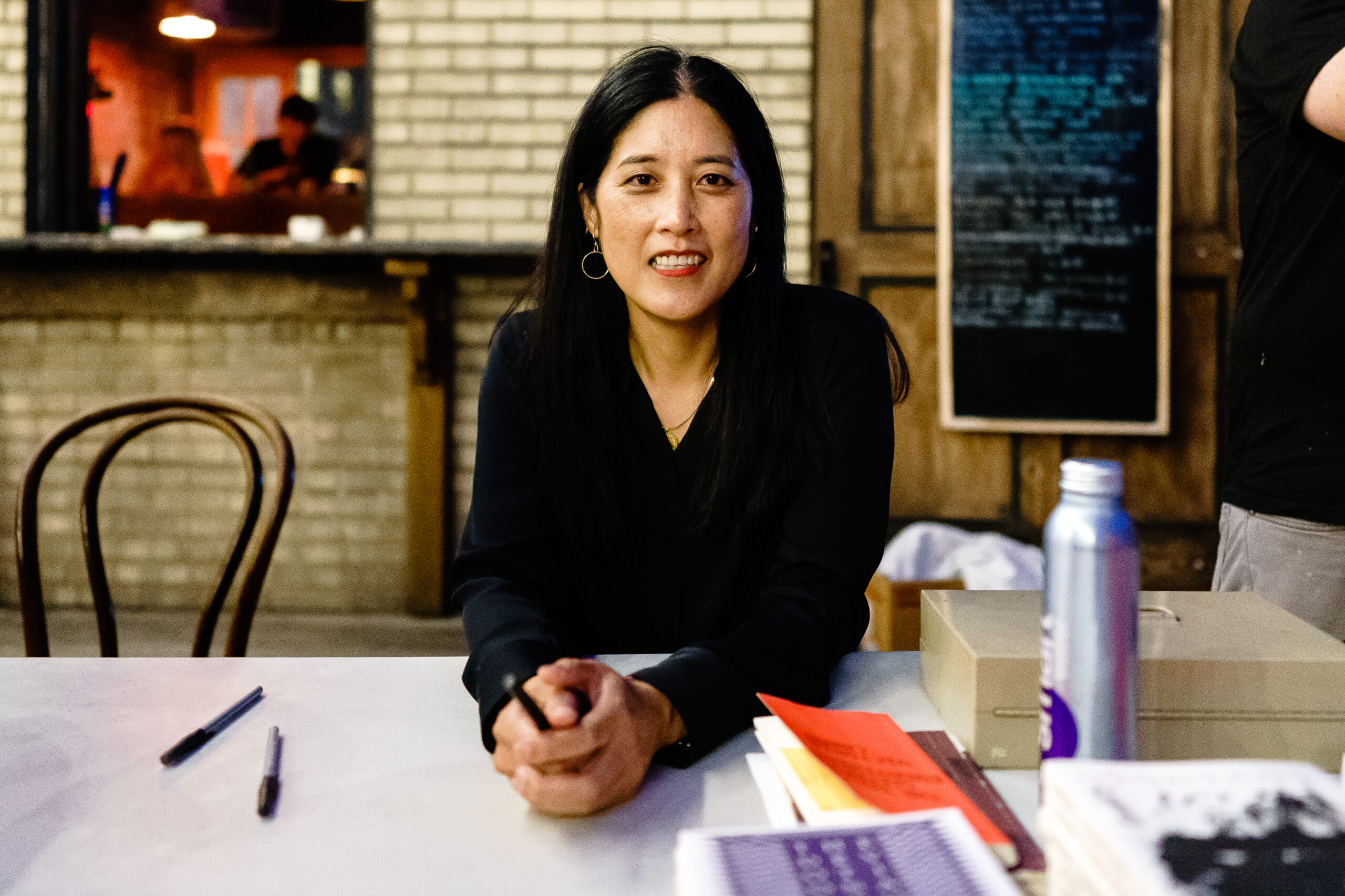
Dr. Tiffany Brown is a Senior Lecturer II and Clinical Director in the Couples and Family Therapy graduate program at the University of Oregon’s College of Education. She also directs the Center for Healthy Relationships within the HEDCO Clinic. Her work bridges clinical practice and research, focusing on substance use recovery, self-harm intervention, and mental health support for athletes and marginalized communities. Brown holds certifications as a clinical fellow and approved supervisor with the American Association for Marriage and Family Therapy (AAMFT) and the state of Oregon. Education includes a Ph.D. in Marriage & Family Therapy from Texas Tech University (2009), an M.Ed. in Couples & Family Therapy from the University of Oregon (2005), and a B.S. in Psychology and Sociology from the University of Oregon (2002). She is a first-generation college student, informing her advocacy for equitable educational systems. Research interests span substance use recovery, collegiate recovery programs, self-harm, mental health in athletics, grief and loss (particularly pediatric oncology and intensive care), and anti-racism/social justice in academia and clinical settings. She emphasizes decolonizing spaces, centering marginalized voices, and addressing systemic inequities linked to the ‘war on drugs’ and identity-based disparities. Notable awards include the 2019 Excellence in Supervision Award and the 2014 Early Career Teaching Award from the College of Education. She has contributed to SAMHSA’s BRSS TACS initiative to expand collegiate recovery programs and led crisis response efforts post the 2015 Roseburg mass shooting. Her community engagement includes advisory roles at Courageous Kids (grief support), past leadership in ARHE and Carry it Forward, and board positions advocating for minoritized youth and unhoused individuals. Brown’s advising and grant work focus on advancing recovery science and transforming clinical training through anti-racist frameworks. She collaborates with interdisciplinary medical teams in medical family therapy and is completing a book on female athletes’ mental health (Little, Brown Spark/Hachette). Her clinical and academic leadership integrates family systems theory with contemporary social justice imperatives, prioritizing equitable access and trauma-informed care across settings.