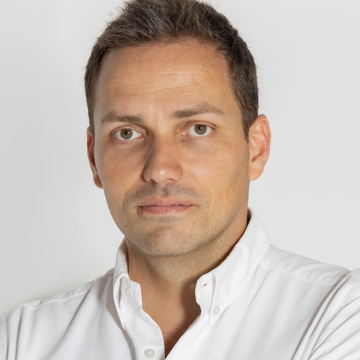
Steven Arthur Loiselle serves as an Associate Professor in the Department of Biotechnology, Chemistry and Pharmacy at the University of Siena, Italy. His academic roles encompass teaching Advanced Analytical Chemistry, Analytical Chemistry with Laboratory, and Chemometrics and Experimental Design for undergraduate and graduate chemistry programs. He leads global citizen science initiatives operating across 30+ countries in Europe, Africa, Asia, and the Americas, focusing on environmental resilience through community partnerships. Dr. Loiselle's research centers on environmental chemistry and freshwater systems, with expertise in transdisciplinary monitoring approaches. His work bridges analytical chemistry with field applications to address soil health, water quality, and ecosystem resilience. Key methodologies include satellite remote sensing for large-scale environmental assessment and community-based data collection for localized solutions. Current projects target African Great Lakes, Paraná wetlands, Mediterranean rivers, and Yangtze valley shallow lakes. Analysis of his 2024 publications reveals strong thematic convergence: integration of citizen science with technological monitoring (satellite/machine learning), focus on anthropogenic impacts like eutrophication and plastic pollution, and emphasis on actionable community outcomes. His work consistently connects laboratory analytical chemistry with real-world environmental challenges across diverse freshwater ecosystems. Scientific Awards No awards documented in source materials While specific student advisees and grant portfolios aren't detailed, Dr. Loiselle's research involves extensive international collaboration with regulatory bodies, businesses, and community stakeholders. His projects translate environmental monitoring data into practical resilience strategies, particularly through the CS4Rivers framework that empowers communities to convert water quality data into remediation actions. His laboratory operations span field sites across multiple continents, utilizing both traditional analytical chemistry methods and cutting-edge remote sensing technologies. The research infrastructure supports transnational citizen science networks that collect environmental data while building local capacity for ecosystem management, with particular emphasis on vulnerable freshwater systems in developing regions.