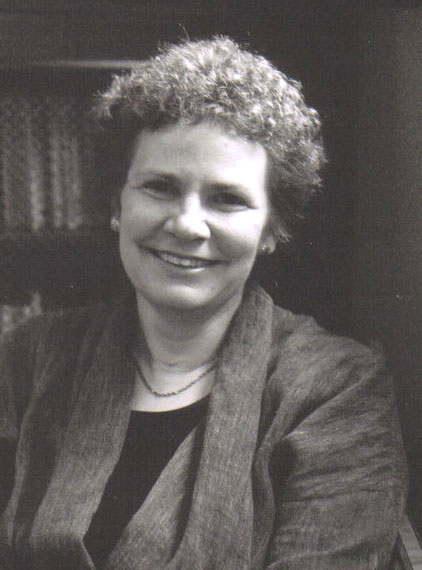
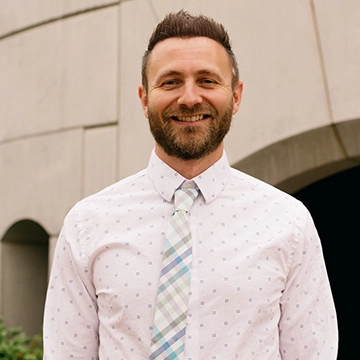
Dana Small, PhD is a Senior Scientist at the RI-MUHC and Professor in the Department of Neurology and Neurosurgery at McGill University . Her research is centered in the Metabolic Disorders and Complications Program within the Centre for Translational Biology . Her research focuses on understanding how body and mind work together to optimize behavior, particularly through neuroimaging, metabolic, and behavioral studies of ingestive behavior. She investigates how modern food environments affect brain evolution and eating behavior. The 15 most recent publications show a consistent focus on food reward mechanisms (2025), nutrient-brain interactions (2024), addiction-genetics relationships (2023), and neural processing of taste and reward (2020-2023). These works appear in high-impact journals like Cell Metabolism and Science .
Mari Sandell is a Professor in Sensory Food Science at the University of Helsinki's Faculty of Agriculture and Forestry, Department of Food and Nutrition. She also holds a professorship in Sensory Perception at the University of Turku's Faculty of Medicine. Her research focuses on sensory science, multisensory perception, and individual differences in food experiences. She has a PhD in food chemistry and has conducted postdoctoral research at the Monell Chemical Senses Center in the U.S. Education: PhD in Food Chemistry (University of Turku), Adjunct Professorship in Flavor Chemistry. She has completed certifications in university pedagogy and academic leadership. She is affiliated with the Functional Foods Forum at the University of Turku and chairs the Food Culture Society in South-West Finland. Research Interests: Sensory-based food education, plant-based food development, sustainable food systems, taste sensitivity, and the role of sensory perception in eating behavior. Her work bridges basic research and applied food science, with a focus on translating findings into practical solutions for food industry and education. Awards: Polak Young Investigator Award (2006), Academy of Finland Award for Social Impact (2012), and Docent of the Year (2017). Grants & Projects: Principal investigator in multiple Academy of Finland and Business Finland grants. Active in EU-funded initiatives like EIT Food projects (e.g., Fullprotein, 4Innopipe2). Her research addresses sustainability, food innovation, and sensory science challenges. Labs/Teams: Leads the Senses and Food research team ('Sandell Lab'), exploring multisensory perception and sustainable food solutions. Collaborates with industry and academic partners in Finland and internationally.
Jacqui Webster is a Professor of Public Health at the University of Technology Sydney (UTS), leading the WHO Collaborating Centre on Nursing, Midwifery and Health Development. She serves as the Secretariat for the South Pacific Chief Nursing and Midwifery Officers Alliance (SPCNMOA) and continues collaborating with The George Institute for Global Health on salt reduction research. Key Grants: NHMRC Investigator Grant (Leadership 2), NHMRC IDEAS Grant, Global Alliance for Chronic Diseases grants Collaborations: Fiji National University, Deakin University, University of Sydney, UNSW, Northwestern University Her research focuses on reducing cardio-metabolic diseases through food/water security programs and salt reduction policies. Recent articles analyze potassium-enriched salt adoption barriers, global water sodium standards, ultra-processed food impacts in Fiji, and pandemic-related dietary shifts in Australia. She authored the public health-themed book Two Bugs on Bikes (Hembury Books 2025) based on her cycling journey across Europe and Africa. At UTS, she mentors early-career researchers and supports strategic operations for the WHO Collaborating Centre.
Charles Spence is Professor of Experimental Psychology at the University of Oxford and Fellow of Somerville College, where he heads the Crossmodal Research Laboratory. His work bridges cognitive neuroscience with real-world applications in multisensory design, spanning food science, human-computer interaction, and environmental psychology. Spence's research centers on how the brain integrates sensory inputs (sight, sound, touch, taste, smell) to form unified perceptual experiences. This foundational work drives innovations in sensory marketing, product design, and human factors engineering, with significant implications for optimizing everyday interactions with technology and environments. His approach combines rigorous laboratory experimentation with industry collaborations to translate theoretical insights into practical solutions. Recent publications demonstrate a clear trajectory toward applied crossmodal research, particularly in consumer contexts. His 2025 output reveals growing emphasis on digital commerce environments, nature-food perception interactions, and multisensory flavor enhancement—showcasing how sensory cues can be strategically deployed to influence behavior in retail, dining, and digital platforms. His major recognitions include: 10th Experimental Psychology Society Prize British Psychology Society Cognitive Section Award Paul Bertelson Award (Young European Cognitive Psychologist of the Year) Friedrich Wilhelm Bessel Research Award 2008 IG Nobel Prize for Nutrition (for 'sonic crisp' research) Spence maintains extensive industry partnerships, having consulted for Toyota on multisensory warning systems, ICI on environmental psychology, and Heston Blumenthal's Fat Duck restaurant on culinary innovation. His research attracts significant commercial funding through these collaborations, though specific grant details aren't publicly itemized. The Crossmodal Research Laboratory operates as an interdisciplinary hub where psychologists, neuroscientists, and industry partners investigate sensory integration mechanisms. Current projects focus on optimizing driver alert systems, designing immersive food experiences, and understanding how built environments affect cognitive performance—maintaining Spence's legacy of translating basic science into tangible human benefits.
Professor Maxine Berg is a distinguished historian at the University of Warwick, where she has served as Professor of History since 1998. She is the Founding Director of both the Global History and Culture Centre (2006-2010) and the Warwick Eighteenth Century Centre (1998-2007), and directed the Luxury Project from 1998-2002. Her academic journey began in the Department of Economics at Warwick (1978-1993) before moving to the Department of History. Her educational background includes: BA Hons, Simon Fraser University, Canada (1967-71) MA, University of Sussex (1971-72) DPhil, Oxford (1972-76) Professor Berg specializes in global and world history, economic and social history, and historiography. Her research has significantly shaped our understanding of global trade networks, the development of consumer culture in the eighteenth century, and the connections between luxury goods, economic development, and cultural exchange. She has pioneered interdisciplinary approaches that connect economic history with cultural studies, examining how material culture and consumption patterns have shaped historical developments across national boundaries. Her work on the 'Cultures of Consumption' has been particularly influential in reframing historical narratives around economic development. Her scholarly output demonstrates a clear trajectory from examining British economic history toward increasingly global perspectives, culminating in her leadership of the Global History and Culture Centre. The publications reveal a consistent focus on how material culture, particularly luxury goods, served as conduits for cultural exchange and economic development across national boundaries during the eighteenth century. Her contributions to the field have been recognized through prestigious awards including: ERC Advanced Researcher Fellowship Honorary Fellow of Balliol College, Oxford (2007-present) Fellow of the British Academy (2004-present) Guggenheim Fellowship (2003-2004) Professor Berg has supervised 12 postdoctoral fellows, including one Marie Curie Fellow, and 10 PhD students (3 completed in 2010), and currently supervises 3 postdoctoral fellows, a Museum fellow, and 4 PhD students. She has been instrumental in organizing international scholarly exchange through 15 international conferences and workshops funded by the Leverhulme Research Interchange and the AHRC Global Arts Research Network (2002-2009), and 5 international conferences on Luxury and Consumption (1998-2003). She served on the Standing Committee and Grants Board of the British Academy, where she played a key role in shaping research funding priorities in historical studies. Her leadership extends to directing major research centers, serving on editorial boards, and participating in professorial appointments committees for universities across the UK, US, and France. She was instrumental in framing and setting up the ESRC Cultures of Consumption Programme and has served on funding panels of major research councils including the ESRC and AHRC.
Benjamin Mangrum is Associate Professor of Literature at MIT's School of Humanities, Arts, and Social Sciences, specializing in 20th/21st-century literature, digital humanities, and environmental humanities. His scholarship examines literature's engagement with technology, environmental crisis, and political liberalism. Dr. Mangrum's research analyzes computational obsolescence, environmental rights discourse, and the intersections of literary form with political thought. His publications demonstrate interdisciplinary approaches combining literary criticism with philosophy, digital studies, and environmental theory. Recent publications show growing engagement with energy humanities, data visualization ecologies, and artificial intelligence's cultural implications. His work consistently examines how literary forms mediate technological change and environmental consciousness. Awards: Levitan Prize (2023) Fellowships: Michigan Society of Fellows Professor Mangrum teaches courses on comedy, science fiction, environmental literature, and AI at both undergraduate and graduate levels.
Julien Delarue is an Associate Professor in Sensory & Consumer Science at the University of California, Davis. Formerly a Professor at AgroParisTech (Université Paris-Saclay), he specializes in sensory perception, consumer preferences, and contextual influences on food evaluation. His work integrates immersive environments and digital tools to study how context shapes hedonic measures and drives healthy/sustainable food choices. Research Focus: Delarue's studies address sensory determinants of food preferences, leveraging methods like rapid profiling and contextual testing. He explores category labels' impact on consumer expectations, sensory complexity in desserts, and the role of non-verbal evaluation (e.g., facial expressions) in assessing novel products. Leadership: He served as Chair of the French Society for Sensory Analysis (SFAS) and the European Sensory Science Society (E3S), advocating for rigorous methodologies in sensory evaluation. His interdisciplinary approach bridges food science, consumer behavior, and data science. Key Themes: Publications emphasize ecological validity in testing, sensory-led reformulation (e.g., cookies, pizzas), and the interplay between product context and perception. Recent work investigates non-dairy milk labeling, sports nutrition products, and child food preferences.
Dr. Massimo Iorizzo is a Professor in the Department of Horticultural Science at North Carolina State University, specializing in plant genetics and genomics. His research focuses on improving small fruit and vegetable crops through genetic approaches, with particular emphasis on phytochemical content and fruit quality traits. He holds a PhD and MS from the University of Naples 'Federico II' in Italy. His work integrates genomic tools, machine learning, and sensory science to enhance crop traits like texture, nutrient content, and bioactive compound accumulation. Recent projects include developing high-throughput phenotyping systems for cranberry and blueberry, mapping genes controlling carotenoid and anthocyanin pathways, and creating standardized ontologies for blueberry breeding. He collaborates on initiatives like VacciniumCAP and VacCAP to advance genetic resources for berry crops. Key contributions span improving flavor compounds in sweetpotato, understanding epigenetic stress responses, and optimizing protein-based delivery systems for plant nutrients. His research bridges basic genetics with applied breeding, aiming to create consumer- and grower-preferred varieties through interdisciplinary approaches.
Julien Diogo serves as Adjunct Professor at Polytechnic Institute of Viseu's School of Education of Viseu since 2020, teaching Market Analysis, Consumer Behavior, Strategic Communication, and Innovation/Creativity courses. He concurrently holds Visiting Professor positions at ISAG (Higher Institute of Administration and Management) since 2018 for Executive MBA programs and was Professor of Organizational Communication at ISCA-UA (2022-2023). His academic roles extend to Visiting Facilitator positions at Brazil's Personal Branding Academy and ISLA's Postgraduate Program in Innovation. His educational background includes: PhD in Communication Sciences (in progress, 2023-2026) at University of Coimbra Specialization in Teacher and Trainer Training (2022-2023) from Employment and Training Institute of Braga Marketing Specialist title (2019) from Polytechnic Institute of Viseu Master's in Communication and Marketing (2010-2012) from Polytechnic Institute of Viseu (Final Grade: 17/20) Bachelor's in Social Communication (2005-2008) from Polytechnic Institute of Viseu (Grade: 17/20) Diogo's research integrates neuromarketing with consumer behavior analysis, focusing on emotional responses in digital environments, Generation Z consumption patterns, and neuroscience applications in place branding. His work examines how cognitive processes influence purchasing decisions through physiological measurements and behavioral experiments, particularly investigating caffeine's neuropharmacological effects on consumer arousal and shop window design's attentional impact. He bridges theoretical neuroscience with practical marketing strategy development. His publication trajectory reveals increasing focus on digital-emotional consumer interfaces, with recent work analyzing pandemic-era behavior shifts and Gen Z's narrative processing. Key thematic clusters include neuromarketing validation in retail architecture, emotional sustainability in e-marketplaces, and neuroscientific foundations of territorial branding, demonstrating consistent application of cognitive neuroscience to contemporary marketing challenges. Scientific recognition includes: 2008 Academic Merit Award for Best Social Communication Student (Polytechnic Institute of Viseu) 2021 Nomination for Global Teacher Prize Portugal Diogo actively supervises master's research including thesis on territorial brand communication (2024), language informality in digital contexts (2024), and Apple's Lovemarks strategy for Generation Z (2024). He contributes to research projects like INOV C+ Intelligent Innovation Ecosystem (2024-present) and co-orientated neuromarketing studies on advertising reception decoding (2020). His academic service includes peer review for IGI Global and International Journal of Marketing. Through his dual leadership as CCO of ICN Agency (neuromarketing consultancy), co-director of PsicoSoma (publishing/training), and expertMind (LMS platform), Diogo maintains robust industry-academia integration, developing neuromarketing frameworks applied across retail, urban planning, and digital experience design contexts.
Hanna Hjalmarson, a Lecturer at the Department of Business Administration (Stockholm Business School), specializes in consumer behavior, advertising, public relations, and research methods. She is affiliated with the DIISS research group (Digitalization, Innovation, Internationalization, Sustainability, Service) and focuses on how family, media, and peer influences shape consumption patterns and well-being in young consumers. Consumer socialization dynamics Healthcare marketing analysis Media impact on pandemic compliance Questionnaire response styles research Her publications examine celebrity endorsements, green marketing, cause-related campaigns, and sensory marketing. Key themes include brand attitude mediation, materialism's psychological effects, and sustainable communication strategies. 2016: Introduced "attitude toward the endorsement" as mediation variable 2012: Analyzed green certifications' consumer impact 2010: Demonstrated trivial attributes' sensory influence 2007: Explored materialism's life satisfaction connections She also investigates political marketing through local association collaborations (2007) and reviews Nordic advertising/PR research frameworks from 2000-2011, highlighting methodological challenges and interdisciplinary opportunities.
Ellen van Loo is an Associate Professor at Wageningen University & Research, specializing in Marketing and Consumer Behaviour with a focus on the digital food landscape. Her research emphasizes IT-supported consumer food choices, particularly in online environments, aiming to promote healthy and sustainable dietary decisions. She investigates decision support tools and digital interventions to guide consumer behavior in both physical and online retail settings. Her expertise spans food choice environments, digital marketing, consumer valuation methods, and experimental design. Key projects include exploring the impact of food swaps in online supermarkets, analyzing consumer attitudes toward lab-grown and plant-based meats, and evaluating the effectiveness of front-of-package nutrition labels. Dr. van Loo has authored over 60 peer-reviewed articles, with recent work appearing in Appetite , Food Policy , and Applied Economic Perspectives and Policy . She serves as an Area Editor for the Journal of Agricultural and Applied Economics Association and an Associate Editor for Q Open . Her research has been recognized with 580+ citations and awards for innovative contributions to consumer behavior analysis. She collaborates with industry partners on sustainable food systems and digital decision support tools, contributing to both academic and applied knowledge in food marketing.
Samo Smrke is a Researcher at the ZHAW School of Life Sciences and Facility Management, specializing in the Coffee Competence Centre and Analytical Technologies. His work focuses on advancing coffee science through projects like the SCA Coffee Expertise Program and collaborations with industry leaders such as Nespresso and Julius Meinl. He has led multiple research initiatives including studies on coffee freshness, roasting effects, aroma release mechanisms, and packaging technologies. Smrke's research interests span coffee chemistry, analytical techniques, and sensory analysis. He has published extensively on topics such as degassing kinetics of roasted coffee, antioxidant generation during roasting, and aroma modulation in instant coffee products. His work often employs advanced methods like proton transfer reaction mass spectrometry (PTR-MS) and gravimetric analysis. He is a co-author of influential books including The Coffee Freshness Handbook and The SCA Water Quality Handbook , which provide foundational knowledge for industry professionals. Smrke’s projects frequently bridge academic research with practical applications, addressing challenges in coffee production, storage, and quality assurance.
Karin Wendin is a Professor in Food and Meal Science at the Department of Food and Meal Science, Faculty of Natural Science, Kristianstad University. She also maintains an Associate Professor position at the University of Copenhagen since 2012. Her research is centered within the Food and Meals in Everyday Life (MEAL) research group and she plays a key role in the Centre for Food, Health and Retail at Kristianstad University (FOHRK). Dr. Wendin earned her PhD in 'Sensory Dynamics in Emulsion Products Differing in Fat Content' from Chalmers University of Technology in 2001. Her academic career spans over two decades with significant contributions to sensory science and food research. She has collaborated extensively with research institutes including RISE and has held visiting researcher positions at the University of Copenhagen. Wendin's primary research focus is sensory science, defined as 'the discipline that evoke, measure, analyze and interpret reactions to characteristics of food and other materials perceived by the human senses.' Her work investigates how chemical and physical food properties influence human sensory perception through sight, smell, taste, touch and hearing. A substantial portion of her research addresses health, wellbeing, and sustainability challenges, particularly in developing food products with reduced fat, salt, and sugar while maintaining sensory appeal, and exploring alternative protein sources including insect-based foods. She has specialized in adapting food products for specific demographic groups including the elderly, children, teenagers, and individuals with weight concerns. Her research methodology incorporates both objective and subjective sensory assessments using various statistical approaches from classic to multivariate methodologies. Analysis of her recent publications reveals a strong emphasis on sustainable food systems, novel food sources, historical grains in modern contexts, and sensory evaluation methods for high-value products. Her work consistently bridges scientific analysis with practical food industry applications, with many projects involving direct collaboration between academia and industry partners. The research demonstrates increasing focus on UN Sustainable Development Goals related to sustainable consumption, health, and responsible production. Professor Wendin has extensive supervisory experience across multiple institutions including University of Copenhagen, University of Borås, Linköping University, Chalmers University of Technology, Örebro University, and Lund University of Technology. She has served on examination committees for PhD defenses at institutions across Scandinavia and internationally. Her research has been funded by major organizations including Formas, Vinnova, and the Family Kamprad Foundation, as well as through contract research with industry partners where results often remain confidential. She currently leads multiple significant projects including 'Food and Drinks for Seniors' (2024-2026), 'Ending food waste from plant to plate' (2023-2026), 'Nutritious, tasty and health-promoting novel wheat products' (2022-2025), and research on prediction methods for sensory properties of high-value sustainable products. These projects reflect her commitment to addressing contemporary food challenges through interdisciplinary research that combines sensory science with sustainability and health considerations.
Dr. Robin Tucker is an Associate Professor in the Department of Food Science and Human Nutrition at Michigan State University’s College of Agriculture and Natural Resources. Since 2016 she has led an interdisciplinary research program that explores how insufficient or poor-quality sleep influences nutrition-related health outcomes, sensory perception, and eating behaviors. She teaches courses such as Medical Nutrition Therapy I and Advanced Clinical Nutrition and co-directs community outreach initiatives including the SLeep Education for Everyone Program (SLEEP) with MSU Extension. Education PhD, Nutrition Science (concentration: Ingestive Behavior), Purdue University (2014) MS, Nutritional Science, California State University, Los Angeles (2005) BA, Political Science, Creighton University Research Focus Dr. Tucker’s work sits at the intersection of sleep science, sensory physiology, and behavioral nutrition. Her primary research agenda investigates: How chronic short sleep or poor sleep quality alters taste perception (sweet, salt) and subsequent dietary choices. The mediating role of sleep in the relationship between stress, financial hardship, and diet quality among college students. Development and testing of scalable, behavior-based sleep education interventions for diverse populations ranging from university students to older adults. Methodologically, her team combines controlled laboratory studies of taste function, large-scale multinational surveys, community-based intervention trials, and systematic reviews. Publications at a Glance Over the past five years Dr. Tucker has published more than 40 peer-reviewed articles and book chapters. Her recent work clusters into three thematic areas: (1) systematic reviews and meta-analyses linking taste function, dietary intake, and chronic disease; (2) multi-country studies examining sleep–diet interactions among higher-education students during the COVID-19 pandemic; and (3) translational intervention research evaluating the efficacy of sleep education programs for older adults. These studies consistently highlight how even modest sleep curtailment can modulate chemosensory function, appetite regulation, and ultimately dietary risk. Honors & Awards 2022 – Senior-authored paper featured in Wiley’s Research Headlines 2020 – Teacher-Scholar Award, MSU Department of Food Science and Human Nutrition 2020 – Undergraduate Research Mentor of the Year nominee, Michigan State University 2020 – You Belong Here Champion nominee, MSU College of Agriculture and Natural Resources 2020 – Outstanding Dietetic Educator nominee, Michigan Academy of Nutrition and Dietetics 2018 – Fellow of the Academy of Nutrition and Dietetics (FAND) Advising & Community Outreach Dr. Tucker mentors a vibrant team of graduate and undergraduate researchers, many of whom appear as co-authors on her publications. She collaborates with MSU Extension to deliver the evidence-based SLEEP program to community groups, and her lab regularly engages campus and public stakeholders through workshops, webinars, and continuing-education events for dietitians. Facilities & Collaborations Her research leverages the MSU Sensory Evaluation Center , Experimental Foods Laboratory , and institutional partnerships with the Center for Research on Ingredient Safety and the Institute for Integrative Toxicology , enabling cutting-edge studies on taste physiology, dietary assessment, and community intervention delivery.
Jonathan Hasford is an Associate Professor of Marketing at the Haslam College of Business, University of Tennessee, Knoxville. He holds an endowed Horne Professorship and is a Stewart Bartley Family Faculty Fellow. His research focuses on emotions and decision-making, with expertise in consumer behavior, marketing research, and professional selling. Education: Ph.D. in Marketing, Gatton College of Business and Economics, University of Kentucky (2013) M.B.A. in Marketing, Gatton College of Business and Economics, University of Kentucky (2008) B.S. in Business Management, College of Business, University of Louisville (2007) Research Interests: Dr. Hasford explores how emotions shape consumer decisions, including emotional intelligence in sales, advertising persuasion, and the impact of relationship motives on brand preferences. His work bridges marketing and psychology, addressing topics like awe in marketing, brand recovery strategies, and social media dynamics. Publications & Trends: His recent articles analyze emotional responses to marketing stimuli, the effects of brand failures, and the role of racial cues in consumer preferences. His work emphasizes practical applications for businesses seeking to optimize communication strategies and consumer engagement. Awards & Editorial Roles: He serves on the editorial review boards of the Journal of Retailing and Journal of Business Research , contributing to peer review in marketing and psychology journals. While no specific awards are listed, his editorial roles highlight his scholarly impact. Teaching & Advising: He has taught at multiple universities, including the University of Nevada, FIU, and UCF, covering courses like Principles of Marketing and Data Analysis. He has also developed specialized emotional intelligence training for sales students. No formal advisees are listed, but his teaching spans undergraduate to doctoral levels. Labs & Teams: Though specific labs are not mentioned, his research collaborations are evident through co-authored publications and editorial activities.