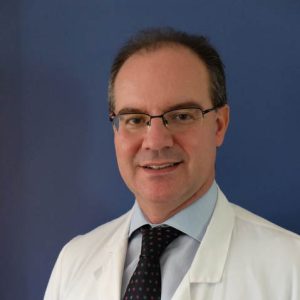
Dr. Channakeshava S. Umeshappa is a faculty member in the Department of Microbiology & Immunology and Department of Pediatrics at Dalhousie University, Canada . He holds a PhD in Immunology from the University of Saskatchewan and completed postdoctoral training at the University of Calgary. Education : DVM (Karnataka Veterinary Animal and Fisheries Sciences University, India), MVSc (Indian Veterinary Research Institute, India), PhD (University of Saskatchewan, Canada) Research Interests : Dr. Umeshappa’s program focuses on immunoregulation in chronic diseases , particularly autoimmunity and cancer. His lab employs genetically modified murine models , omics , synthetic biology , flow cytometry , and imaging to develop immunotherapies. His work emphasizes interdisciplinary collaboration with clinicians and scientists. Article Trends : Recent publications highlight nanomedicine applications in autoimmune liver disease (e.g., peptide-MHC nanomedicines, invariant NKT cell reprogramming) and cancer therapy (e.g., laser-responsive nanoparticles, tumor-to-lymph gels). Studies span immuno-informatics , cell signaling , and clinical outcomes analysis.
Andreas Radbruch is a leading immunologist and Professor for Experimental Rheumatology at Charité – Universitätsmedizin Berlin. He serves as Scientific Director of the Leibniz Institute Deutsches Rheuma-Forschungszentrum Berlin (DRFZ). With a PhD in Genetics and Immunology from Cologne University, his career spans key roles including Associate Professor at the University of Cologne and Visiting Scientist at the University of Alabama, Birmingham. Professor for Experimental Rheumatology, Charité – Universitätsmedizin Berlin (1998–present) Scientific Director, DRFZ Berlin (1996–present) Associate Professor for Genetics and Immunology, University of Cologne (1990–1998) His research focuses on immunological memory and chronic inflammatory autoimmune diseases, with groundbreaking work on memory plasma cells and their survival niches. He has pioneered technologies like MACS, cytokine cytometry, and magnetofluorescent liposomes for lymphocyte analysis. Notable awards include the ERC Advanced Grant (2011), Avery Landsteiner Award (2014), and Blondel Medal (2017). He is a member of EMBO, the Berlin-Brandenburg Academy, and the German Academy of Sciences (Leopoldina). His recent publications highlight SARS-CoV-2 immune dynamics, T-cell regulation in autoimmune arthritis, and molecular mechanisms of memory cell survival. These studies bridge fundamental immunology and clinical applications in rheumatology.
Dean Tantin is a Professor of Microbiology and Immunology at the University of Utah School of Medicine, where his research delves into gene regulation in T cells, stem cells, and cancer. His lab investigates how transcription factors like Oct1, Oct4, and OCA-B control stem-like properties in cells, impacting immunological memory, autoimmunity, and cancer progression. Education: B.S. – University of California, San Diego Ph.D. – University of California, Los Angeles Research Interests: Dr. Tantin’s work centers on understanding how transcription factors regulate cell fate decisions, particularly in T cells and stem cells. His lab explores the roles of Oct1 and Oct4 in pluripotency and differentiation, the function of OCA-B in T cell memory and autoimmunity, and the therapeutic potential of targeting these factors in diseases like multiple sclerosis and type 1 diabetes. A major focus is on how these transcription factors control gene expression programs that endow cells with longevity, self-renewal, and rapid response capabilities. Article Trends: Recent publications highlight a strong emphasis on transcriptional regulation in immune cells, particularly CD4+ T cells, and stem cells. Studies explore how OCA-B and Oct factors influence T cell memory formation, autoimmune responses, and cancer development. The work bridges molecular mechanisms with translational applications, including potential drug targets for autoimmune diseases and cancer. Laboratory and Team: Dr. Tantin leads an active research group at the University of Utah, supported by training grants and core facilities. His lab employs molecular biology, genomics, and in vivo models to dissect transcriptional networks. While specific student names are not listed, his mentorship is evident through his involvement in bioscience PhD programs and collaborative projects.
Yi-Ling Chen, DPhil, is a Career Development Fellow at the Nuffield Department of Medicine, University of Oxford, where she leads the Chen Group dedicated to lipid-mediated T cell immunity research. Research Focus: Her work centers on Immunology and T cell Biology, specifically investigating lipid-reactive T cells in immune regulation, tissue homeostasis, and microbial defense. She employs high-dimensional proteotranscriptomics, T cell clonality analysis, and human immune organoid approaches to uncover molecular mechanisms for inflammatory and infectious disease interventions. Key interests include: Lipid antigen presentation via CD1 molecules T cell responses in psoriasis and skin inflammation Host-pathogen interactions with Group A Streptococcus and Staphylococcus aureus Translational applications for immune-mediated conditions Publication Trends: Analysis of her 15 most recent publications (2020-2024) reveals consistent focus on CD1-mediated lipid antigen presentation across infectious diseases (dengue, COVID-19, bacterial infections) and inflammatory conditions (psoriasis). Her work bridges molecular immunology with clinical applications, featuring in journals like Nature Immunology , Cell , and Science Immunology , with emphasis on therapeutic target discovery. Laboratory: The Chen Group operates within Oxford's Nuffield Department of Medicine, utilizing advanced immunological techniques to study T cell immunity in human disease contexts.
John S. Kaddis, Ph.D. is an Associate Professor in the Department of Diabetes & Cancer Discovery Science within the Arthur Riggs Diabetes & Metabolism Research Institute at City of Hope. With over 15 years of experience at City of Hope, Dr. Kaddis has developed scientific resources for team-based research initiatives focused on type 1 diabetes, creating data systems, analysis tools, and websites used by researchers worldwide. Dr. Kaddis earned his B.S. (Honors) in Biochemistry from California State University Los Angeles, where he completed undergraduate research supported by two National Science Foundation fellowships. He later earned his Ph.D. in Systems Biology and Disease from the University of Southern California. His academic journey includes positions as Assistant Professor since 2015 and Associate Professor since 2022 at City of Hope. Dr. Kaddis's research primarily focuses on the complex mechanisms of type 1 diabetes through systems biology and bioinformatics approaches. His work centers on understanding islet cell biology, beta cell dysfunction, and the immunological aspects of type 1 diabetes. His research has evolved from developing collaborative data resources to conducting cutting-edge investigations into genetic factors in diabetes pathogenesis. He has pioneered the creation of bioinformatics platforms that enable global collaboration in diabetes research. The trends in Dr. Kaddis's publications reveal a progression from foundational work on biobanking and data management toward increasingly sophisticated investigations of genetic and immunological mechanisms in type 1 diabetes. His recent work emphasizes translational applications, including potential therapeutic strategies and predictive models that span diverse ancestral backgrounds. His research bridges basic science with clinical applications through the Human Islet Research Network. Member, American Association for the Advancement of Science (2011-Present) Professional Member, American Diabetes Association (2010-Present) Member, Society of Clinical Research Associates (2003-2012) Lifetime Member, Tri-Beta Honor Society (2000-Present) Dr. Kaddis serves as principal investigator and co-investigator on multiple NIH and JDRF-funded projects, including the Human Islet Research Network Bioinformatics Center and the JDRF nPOD DataShare initiative. His work has established critical infrastructure for collaborative diabetes research, enabling researchers worldwide to access and analyze complex datasets. His laboratory has developed specialized data management systems that facilitate the sharing of islet cell research data across international boundaries while maintaining appropriate security and privacy protections. Dr. Kaddis's athletic pursuits in marathons and triathlons mirror his research approach—requiring stamina and perseverance to achieve long-term goals in diabetes research.
Dr. Edmund Chung is a Clinical Senior Lecturer at Sydney Medical School, University of Sydney, affiliated with the Children's Hospital at Westmead and the Faculty of Medicine and Health. He works as a staff specialist nephrologist at Royal North Shore Hospital and conducts postdoctoral research at the Centre for Kidney Research at The Children's Hospital at Westmead. His primary clinical and research focus is on autoimmune kidney diseases, particularly membranous nephropathy and chronic kidney disease. Dr. Chung's educational background includes: Bachelor of Medicine (BMed) Doctor of Medicine (MD) Master of Medicine in Clinical Epidemiology (MMed (Clin Epi)) - completed in 2015 Doctor of Philosophy (PhD) - completed in 2025, supported by the NHMRC Postgraduate Research Scholarship Fellow of the Royal Australasian College of Physicians (FRACP) Dr. Chung's research focuses on glomerulonephritis, chronic kidney disease, and translational research , with particular emphasis on immunological mechanisms and novel therapies. His work bridges basic science and clinical practice, exploring cellular and molecular approaches to understand and treat autoimmune kidney diseases. His laboratory investigates autoreactive T-cells and B-cells in membranous nephropathy while developing innovative treatments like CAR T-cell therapies. Dr. Chung's research program is driven by patient perspectives, as evidenced by his qualitative studies on living with membranous nephropathy, ensuring his scientific inquiries address real clinical needs and patient experiences. Dr. Chung's recent publications demonstrate a strong focus on immunological mechanisms in kidney disease, particularly membranous nephropathy. His work spans basic science investigations using animal models, clinical studies of patient cohorts, and systematic reviews that inform international guidelines. A notable trend is his exploration of cellular therapies, especially CAR T-cell approaches, for treating autoimmune kidney diseases. His research also encompasses epidemiological studies of kidney diseases in Australian populations and the development of predictive models for disease recurrence after transplantation. The interdisciplinary nature of his work is evident in collaborations spanning nephrology, immunology, oncology, and transplantation medicine. Dr. Chung has received several prestigious awards and honors: Asian Pacific Society of Nephrology/Japanese Society of Nephrology Joint Symposium Invited Talk (2024) for "Membranous nephropathy: clearer immunopathogenesis and therapeutic implications" NHMRC Postgraduate Research Scholarship (2022) for research on "Treatments to expand regulatory T cells +/- deplete autoantibody production in membranous nephropathy" American Journal of Kidney Diseases Editor's Choice Award (2022) for "Incidence and outcomes of COVID-19 in people with CKD: a systematic review and meta-analysis" Dr. Chung serves as the Knowledge Translation and Dissemination Editor for the Cochrane Kidney and Transplant Group, where he creates educational content including webinars and podcasts with the International Society of Nephrology. He is actively involved in clinical trial networks through his position on the Australasian Kidney Trial Network Glomerulonephritis Working Group, supporting investigator-initiated trials in glomerulonephritis. Additionally, he contributes to the ClinGen Glomerulopathy Working Group as a Biocurator, working to understand the genetic basis of glomerulonephritis. His research is supported by collaborations across multiple institutions and his leadership in establishing the Australian glomerulonephritis cohort (PEACH) to facilitate patient-focused research in membranous nephropathy. Dr. Chung leads research at the Centre for Kidney Research at The Children's Hospital at Westmead, where his team investigates autoreactive T-cells and B-cells in patients with membranous nephropathy. He has established the PEACH cohort (Patient Experience in Autoimmune Chronic Kidney Disease) to study membranous nephropathy, the most common form of nephrotic syndrome in adults. His laboratory work focuses on developing novel CAR T-cell therapies for autoimmune kidney diseases. Dr. Chung collaborates with immunologists, basic scientists, and clinicians across multiple institutions to advance understanding and treatment of glomerulonephritis.
Jenny Gumperz is a Professor in the Department of Medical Microbiology & Immunology at the University of Wisconsin–Madison, School of Medicine and Public Health. She leads an active research laboratory focused on human innate T lymphocytes, particularly invariant Natural Killer T (iNKT) cells, Mucosal Associated Invariant T (MAIT) cells, and γδ T cells, with the goal of developing novel cellular immunotherapies. Education: B.A., University of California at Santa Cruz (1986) Ph.D., Stanford University (1996) Research Fellow, Harvard Medical School (1996–1999) Her research explores how innate T cells contribute to immune regulation and inflammatory responses through autoreactivity to self-lipids, without requiring foreign antigens. This work has implications for treating cancer, viral infections, autoimmune diseases, and immunopathology. Her lab investigates these mechanisms in contexts such as graft-versus-host disease and Epstein-Barr virus infection, aiming to harness conserved activation pathways for off-the-shelf immunotherapies. Dr. Gumperz has received several prestigious awards, including: Pew Scholar in the Biomedical Sciences (2005) The Medical Foundation Charles A. King Trust Fellowship (2001) Burroughs Wellcome Fellow of the Life Sciences Research Foundation (1996) She has mentored numerous postdoctoral fellows, graduate students, and research staff, fostering an inclusive and collaborative lab environment. Her vision emphasizes learning from both experimental data and diverse team perspectives to advance immunotherapeutic strategies. The lab is located in the Microbial Sciences Building at UW–Madison, with strong institutional support from the Graduate School and microbiology departments.
Antonio Costanzo is Full Professor of Dermatology at Humanitas University, Director of the School of Specialization in Dermatology, and Director of the Skin Pathology Laboratory. He also serves as Head of the Dermatology Clinical Unit at Humanitas Research Hospital and Board Member of the European Dermatology Forum. His academic credentials include: MD in Medicine and Surgery from University of Rome, La Sapienza (1994) Specialization in Internal Medicine (1999) Specialization in Dermatology (2006) Professor Costanzo's research integrates clinical investigations of biologic drugs in psoriasis and atopic dermatitis with basic science explorations of pathogenic mechanisms including TNF signaling, NF-kappaB regulation, and IL-21-mediated keratinocyte proliferation. Current projects feature epigenetic mapping of keratinocytes in atopic dermatitis (IMMUNIVERSE project), development of genetic markers for biologic response prediction , and optoacoustic imaging innovation through the EU-funded WINTHER project. His extensive publication record demonstrates consistent focus on real-world evidence for biologics and JAK inhibitors across immune-mediated skin diseases, with recent studies analyzing drug effectiveness, safety profiles, and personalized treatment strategies for diverse patient subgroups including elderly populations and those with comorbidities. As leader of the Skin Pathology Lab and Costanzo Group, he oversees molecular research on immune-mediated cutaneous diseases using epigenetic analysis and gene regulation techniques, with active staff scientists contributing to enhancer mapping in keratinocytes and inflammatory microenvironments.
Filipa Ribeiro is a Full Professor at the Department of Chemical Engineering, College of Engineering, University of Lisbon. Her research focuses on immunology, particularly T follicular cells and their roles in autoimmune diseases, vaccine development, and cancer immunotherapy. She contributes to the Chemical Engineering Laboratories and teaches subjects like Seminars on Innovation and Sustainable Development. Her work investigates mechanisms of immune regulation in lymphoid tissues, including T follicular helper (Tfh) and regulatory (Tfr) cells, with applications to autoimmune conditions like antiphospholipid syndrome and cancer therapies combining nanovaccines with immunotherapy. Research also explores T cell exhaustion in COVID-19 and developmental pathways of regulatory T cells. Publications span 2017–2024, emphasizing cellular immunology, disease mechanisms, and translational research. No specific awards are listed, but her lab’s focus on interdisciplinary approaches bridges chemical engineering with biomedical applications.
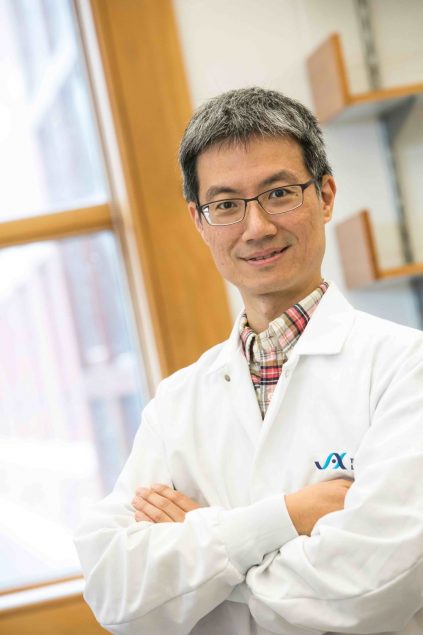
Lucas Chang is an Assistant Professor affiliated with the Jackson Laboratory (JAX) and the Graduate School of Biomedical Science and Engineering (GSBSE) at the University of Maine. His research is centered on immunometabolism, with a focus on understanding how metabolic pathways regulate immune cell behavior in disease contexts such as cancer and autoimmunity. He leads a laboratory investigating T cell reprogramming within the tumor microenvironment, bridging immunology, metabolism, oncology, and bioinformatics. Dr. Chang earned his D.Phil. (Ph.D.) from the University of Oxford in 2010. His work has consistently explored the metabolic regulation of immune cells, particularly T cells, and its implications for therapeutic interventions. His research interests lie at the intersection of immunology and metabolism, with specific emphasis on T cell metabolic reprogramming , immune cell fate , and metabolic competition in the tumor microenvironment . His lab investigates how cellular and molecular metabolic events control immune responses during disease progression, aiming to develop novel strategies for immunotherapy, drug development, and disease prognosis. His work has significant implications for cancer treatment and autoimmune disorders like lupus. His recent publications (2023–2025) demonstrate a sustained and impactful research trajectory, with primary research articles and reviews appearing in top-tier journals such as Cell , Immunity , and Nature Immunology . The articles reveal a consistent theme of dissecting the metabolic dependencies of immune cells—T cells, B cells, and dendritic cells—under stress conditions like glucose restriction or chronic activation, and how these pathways can be therapeutically targeted in cancer and autoimmune diseases. Dr. Chang has not been mentioned to have received specific scientific awards in the provided text. He is actively involved in research and mentorship, as evidenced by his primary authorship on recent publications and his role as a principal investigator. His lab develops and publishes detailed protocols, indicating a commitment to methodological rigor and scientific sharing. He collaborates with a broad network of researchers across institutions. His laboratory, referred to as the 'Chang Bio' lab, is actively engaged in research on immune cell metabolism, utilizing advanced techniques like the Seahorse Extracellular Flux Analyzer for bioenergetic profiling and transcriptomic analysis to understand metabolic pathways in health and disease.
Cécile Tremblay is a Full Professor at the Université de Montréal's Department of Microbiology, Infectious Diseases and Immunology within the Faculty of Medicine. She holds the Pfizer/Université de Montréal Chair in Translational HIV Research and leads the Quebec Public Health Laboratory. Her primary focus is HIV pathogenesis, aging comorbidities, and antiretroviral strategies. Education: MD from Université de Montréal (1992), postdoctoral training at Massachusetts General Hospital (1997–2000), and extensive certifications in infectious diseases from Canadian and American medical boards. Research interests span HIV transmission prevention, viral reservoirs, and immune dysfunction. She leads major studies like the Canadian HIV and Aging Cohort and the COVIH study on SARS-CoV-2 in HIV-positive individuals. Key findings include IL-32's role in cardiovascular complications and immune aging markers. Grants include IRSC-funded projects on endocannabinoid systems in HIV inflammation and HIV prevention strategies. She supervises over 10 PhD/MSc students and collaborates with global teams on reservoirs, vaccine development, and clinical trials. Labs: Quebec Public Health Laboratory and CHUM's research teams. Active in global HIV conferences (AIDS, CROI) since 1992.
Professor Hans-Willi Mittrücker is a distinguished immunologist at the Institute for Immunology within the University Hospital Hamburg-Eppendorf (UKE). With over 150 publications to his name, his research focuses on fundamental mechanisms of T cell biology and their implications in autoimmune and infectious diseases. His work spans multiple research areas including kidney inflammation, liver immunology, and pregnancy-related immune responses. His primary research interests include: T cell differentiation and effector functions Interferon regulatory factors in immune responses Purinergic signaling in immune regulation Autoimmune glomerulonephritis Maternal-fetal immune interactions Intestinal immunity and mucosal homeostasis Professor Mittrücker's recent publications demonstrate a strong focus on the molecular mechanisms of T cell memory, cytokine regulation, and the role of specific signaling pathways in autoimmune conditions. His work on interferon regulatory factors, purinergic receptors, and T cell subsets in organ-specific inflammation has provided significant insights into disease pathogenesis and potential therapeutic targets. The research shows a consistent trajectory toward understanding how T cell responses can be modulated in various disease contexts, with implications for developing targeted immunotherapies. Professor Mittrücker has secured substantial research funding through multiple German Research Foundation (DFG) projects, including: SFB 1328 A03: Regulation of T cell differentiation and effector functions by adenine nucleotides (2018-2022) MI 476/5-2: Influenza during pregnancy and consequences for mother and child (2018-2023) SFB 1192 A04: Autoreactive T cell responses in glomerulonephritis (2016-2019) MI 476/7-1: Role of Interferon Regulatory Factor 4 in T cell memory (2017-2021) His laboratory investigates T cell responses using sophisticated mouse models of infection and autoimmunity, with particular expertise in analyzing small T cell populations and their functional properties. Current research directions include understanding how pregnancy alters antiviral immunity, mechanisms of tissue-resident memory T cells, and the role of specific ion channels and signaling molecules in T cell function.
Mary Helen Foster is a Professor of Medicine at Duke University School of Medicine and a Member of the Duke Cancer Institute. She leads the Foster Lab, which is dedicated to researching autoimmune glomerulonephritis, a major cause of acute and chronic kidney disease worldwide. Her laboratory explores the origins and regulation of pathogenic immune responses that underlie glomerulonephritis through innovative experimental approaches. Dr. Foster received her M.D. from the University of North Carolina, Chapel Hill (1982), completed her Medical Residency at the University of Virginia (1982-1985), and undertook a Nephrology Fellowship at Tufts University (1985-1989). Her academic journey has positioned her at the forefront of autoimmune kidney disease research. Her primary research interests focus on identifying tolerance mechanisms that regulate nephritogenic lymphocytes, with special emphasis on B cells and autoantibodies. She investigates the molecular basis of tolerance, identifies defects in immune regulation, examines genetic autoimmune predisposition, and determines environmental disease triggers. Her lab has developed numerous autoantibody transgenic models relevant to immune nephritis in both kidney-restricted (Goodpasture syndrome) and systemic autoimmunity (systemic lupus erythematosus), allowing for mechanistic dissection using immunological, molecular biological, and proteomics approaches. Analysis of Dr. Foster's recent publications reveals a strong emphasis on gene-environment interactions in autoimmunity, particularly how environmental exposures like silica dust trigger autoimmune responses. Her work bridges basic immunological research with clinical applications, aiming to develop novel diagnostic and therapeutic approaches to improve patient outcomes in autoimmune kidney diseases. Identification of Host-Specific Determinants of APOL1-associated COVAN (National Institute of Diabetes and Digestive and Kidney Diseases, 2024-2029) U2C/TL1 NC KUH TRIO Administrative Core (University of North Carolina - Chapel Hill, 2023-2028) Gene-Environment Collaboration in Autoimmune Disease (National Institutes of Health, 2017-2023) Duke Training Grant in Nephrology (National Institutes of Health, 1995-2023) Dr. Foster actively mentors undergraduate and medical students as well as postdoctoral scientists in her laboratory. Her research environment includes over 30 unique mutant murine lines to study autoimmunity within complex immunological microenvironments. She has developed an autoantibody transgene reporter system to track cell populations in vivo across multiple autoimmune backgrounds, modeling the genetic complexity of the outbred human population. Her lab also utilizes humanized immune system models to facilitate critical in vivo studies of human T cell-B cell interactions in the context of disease susceptibility genes and environmental exposures.
Klara Asplund Högelin is a researcher at the Department of Laboratory Medicine , Karolinska Institutet, specializing in neuroimmunology with a focus on multiple sclerosis (MS) and viral interactions. Her work explores T cell autoreactivity, B cell dynamics under immunosuppressive therapies, and neuroinflammatory biomarkers. Key studies include: Identification of novel MS autoantigens (FABP7, PROK2, RTN3, SNAP91) Analysis of SARS-CoV-2 immune memory in B cell-depleted MS patients Investigation of intrathecal virus-specific immune responses in MS HLA associations with autoreactive T cell profiles Her research integrates clinical immunology with neuroinflammatory mechanisms, utilizing advanced techniques like FluoroSpot assays and suspension bead arrays. Publications span journals such as Science Advances , Allergy , and Mult Scler J . Collaborations include the Peter Bergman Research Group and international MS consortia. Current work aims to translate autoantigen discoveries into diagnostic tools and immunomodulatory therapies.
Kate Scull is a Research Fellow at Monash University, affiliated with the Faculty of Medicine and the Immunoproteomics Laboratory within the Monash Biomedicine Discovery Institute. She works under the supervision of Professor Anthony Purcell and is based at Monash Health. Her research integrates computational biology and immunology to study the immunopeptidome. Education: PhD in Biochemistry and Molecular Biology, University of Melbourne (2018) Bachelor of Arts, University of Melbourne (2009) Bachelor of Science (Honours), University of Melbourne (2009) Her research focuses on immunopeptidomics , bioinformatics , and proteomic data analysis , particularly in the context of HLA-mediated antigen presentation. She develops computational tools in C and Java to analyze mass spectrometry datasets, addressing the limitations of conventional proteomics in immunological contexts. Her work contributes to understanding immune responses in infection, cancer, and autoimmunity. Recent publications highlight her contributions to SARS-CoV-2 immunopeptidome mapping , transplantation immunology , and the development of computational pipelines like Immunolyser and immunopeptidogenomics workflows. These studies leverage RNA-Seq and synthetic peptide resources to uncover novel epitopes. She has no listed scientific awards in the provided text. Kate contributes to software and web development for data accessibility, using HTML, CSS, JavaScript, MySQL, and Java technologies. She does not appear to supervise students based on the available information. Her research supports UN Sustainable Development Goals related to health and well-being.