معرفی
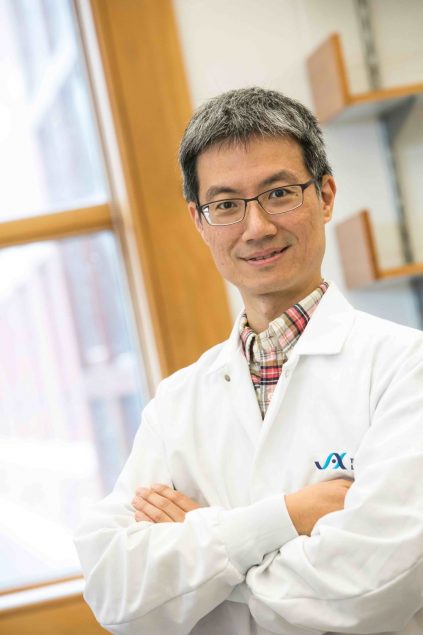
Lucas Chang is an Assistant Professor affiliated with the Jackson Laboratory (JAX) and the Graduate School of Biomedical Science and Engineering (GSBSE) at the University of Maine. His research is centered on immunometabolism, with a focus on understanding how metabolic pathways regulate immune cell behavior in disease contexts such as cancer and autoimmunity. He leads a laboratory investigating T cell reprogramming within the tumor microenvironment, bridging immunology, metabolism, oncology, and bioinformatics.
Dr. Chang earned his D.Phil. (Ph.D.) from the University of Oxford in 2010. His work has consistently explored the metabolic regulation of immune cells, particularly T cells, and its implications for therapeutic interventions.
His research interests lie at the intersection of immunology and metabolism, with specific emphasis on T cell metabolic reprogramming, immune cell fate, and metabolic competition in the tumor microenvironment. His lab investigates how cellular and molecular metabolic events control immune responses during disease progression, aiming to develop novel strategies for immunotherapy, drug development, and disease prognosis. His work has significant implications for cancer treatment and autoimmune disorders like lupus.
His recent publications (2023–2025) demonstrate a sustained and impactful research trajectory, with primary research articles and reviews appearing in top-tier journals such as Cell, Immunity, and Nature Immunology. The articles reveal a consistent theme of dissecting the metabolic dependencies of immune cells—T cells, B cells, and dendritic cells—under stress conditions like glucose restriction or chronic activation, and how these pathways can be therapeutically targeted in cancer and autoimmune diseases.
Dr. Chang has not been mentioned to have received specific scientific awards in the provided text.
He is actively involved in research and mentorship, as evidenced by his primary authorship on recent publications and his role as a principal investigator. His lab develops and publishes detailed protocols, indicating a commitment to methodological rigor and scientific sharing. He collaborates with a broad network of researchers across institutions.
His laboratory, referred to as the 'Chang Bio' lab, is actively engaged in research on immune cell metabolism, utilizing advanced techniques like the Seahorse Extracellular Flux Analyzer for bioenergetic profiling and transcriptomic analysis to understand metabolic pathways in health and disease.