معرفی
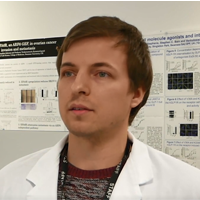
Ramon Klein Geltink is an Assistant Professor in the Department of Pathology and Laboratory Medicine at the University of British Columbia's Faculty of Medicine, and an Investigator at BC Children's Hospital Research Institute (BCCHR). His research program focuses on understanding how immune cell metabolism influences function in both cancer and autoimmune conditions, with particular emphasis on childhood diseases.
Dr. Klein Geltink's research interests center on immunometabolism, specifically how metabolic pathways regulate T cell function in cancer immunotherapy and autoimmune diseases. His lab investigates the role of metabolite availability, transport, enzyme expression, and cofactor availability in immune cell activation and function. Key research areas include adoptive cellular therapy, metabolic reprogramming of immune cells, and the application of metabolomic techniques to develop better treatments for children with immune-related diseases.
Analysis of Dr. Klein Geltink's recent publications reveals a strong focus on CD8+ T cell metabolism in cancer immunotherapy, with particular attention to how nutrients like glutamine, fatty acids, and redox balance influence T cell function in the tumor microenvironment. His work bridges fundamental metabolic research with clinical applications, particularly in pediatric oncology and autoimmune disorders. The research spans from basic metabolic mechanisms to translational applications, with several publications examining how metabolic interventions could improve cellular therapies.
Dr. Klein Geltink collaborates extensively with clinicians and clinician-scientists at BCCHR to translate metabolic findings into potential therapeutic approaches. His lab utilizes biochemical and metabolomic techniques to understand immune cell metabolism and its implications for disease treatment.
His research group includes multiple postdoctoral fellows, graduate students, and research assistants working on various aspects of immunometabolism. Dr. Klein Geltink's work has been supported by competitive funding mechanisms including CIHR Project Grants, indicating recognition of the significance and quality of his research program.