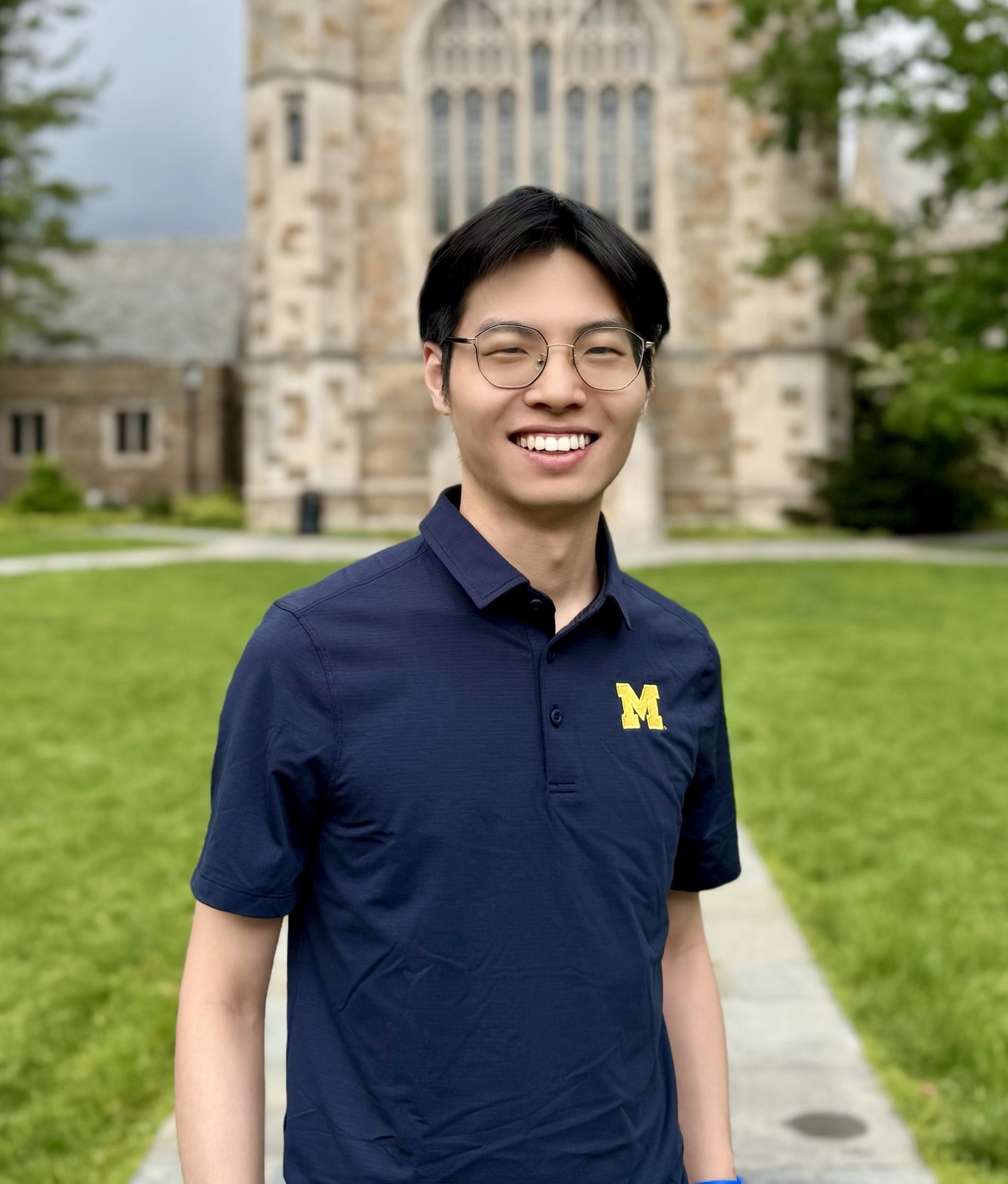
Chia-Wen Lee is a distinguished Professor at the Law School within the College of Social Sciences at National Cheng Kung University (NCKU). She holds a Juris Doctor degree from Indiana University Bloomington and has established herself as a leading scholar in criminal law and procedure with a focus on gender perspectives and human rights. Her academic career spans over two decades, during which she has taught numerous courses including Criminal Procedure Law, Criminology, and Special Topics in Criminal Law and Legal Sociology. Member of the Judicial Yuan Judges Review Committee (2024-2026) Member of the Editorial Board of NTU Law Review (2022-present) Director of Taiwan Alliance to Abolish the Death Penalty (2018-2021) Director of Women's New Knowledge Foundation (2017-2019) Professor Lee earned her Juris Doctor from Indiana University Bloomington, building on her earlier legal education in Taiwan. Her academic journey has been marked by a consistent focus on the intersection of law, society, and justice, particularly examining how criminal justice systems impact marginalized groups and how legal narratives shape our understanding of crime and punishment. Professor Lee's research centers on three interconnected areas: Criminal Procedure Law, Criminal Law and Sociology of Law, and American Feminist Jurisprudence. Her work critically examines how legal procedures affect substantive justice outcomes, particularly for vulnerable populations. She has made significant contributions to understanding sexual violence within legal frameworks, advocating for 'only yes means yes' affirmative consent models. Her scholarship on the death penalty in Taiwan explores both its legal frameworks and its social and cultural dimensions, situating Taiwan's experience within global abolition movements. Recent work has focused on constitutional court decisions related to criminal procedure, demonstrating her ability to bridge theoretical scholarship with practical legal reform. Professor Lee's recent scholarly output reveals a consistent focus on constitutional challenges to criminal procedure, victim rights, and death penalty jurisprudence. Her work shows increasing engagement with constitutional court decisions, particularly examining how Taiwan's Constitutional Court is reshaping criminal justice through innovative interpretations. A notable trend is her attention to vulnerable populations within the criminal justice system—victims, sexual assault survivors, and defendants facing capital punishment. Her interdisciplinary approach combines legal analysis with insights from sociology, gender studies, and narrative theory, creating a distinctive scholarly voice that bridges academic rigor with practical legal reform. Outstanding Teacher of National Cheng Kung University (2011) Multiple Annual Research Awards from NCKU College of Social Sciences (2005-2007) NCKU College of Social Sciences Outstanding Teacher Award (2007) James J. Robinson Fellowship in Graduate Legal Studies (USA, 1999) Scholarship from Austrian Ministry for Science and Transport (1996-1997) Professor Lee has supervised over twenty master's theses on diverse topics in criminal law and procedure, with a particular emphasis on judicial reform, victim rights, and gender issues in criminal justice. Her students have examined topics ranging from judicial personnel review systems to the application of restorative justice in domestic violence cases. Beyond formal supervision, she has served as a thesis committee member for numerous students across Taiwan's top law schools, including National Taiwan University, National Chengchi University, and National Sun Yat-sen University. Her commitment to judicial reform extends to multiple research grants from Taiwan's National Science Council, including major projects on 'Punishment and Moral Outrage' and 'Emotions and Criminal Law.' Professor Lee is deeply involved in several key legal reform initiatives through her leadership roles in the Taiwan Alliance to Abolish the Death Penalty and the Women's New Knowledge Foundation. She has been instrumental in shaping Taiwan's approach to sexual violence law reform, particularly through her work with the Women's New Knowledge Foundation on amending sexual assault provisions. Her influence extends to judicial training through her frequent presentations at the Judicial Academy, where she has educated judges on topics ranging from death penalty sentencing to handling sexual assault cases. She maintains active scholarly networks through her editorial role at the NTU Law Review and her participation in international academic conferences on criminal justice reform.