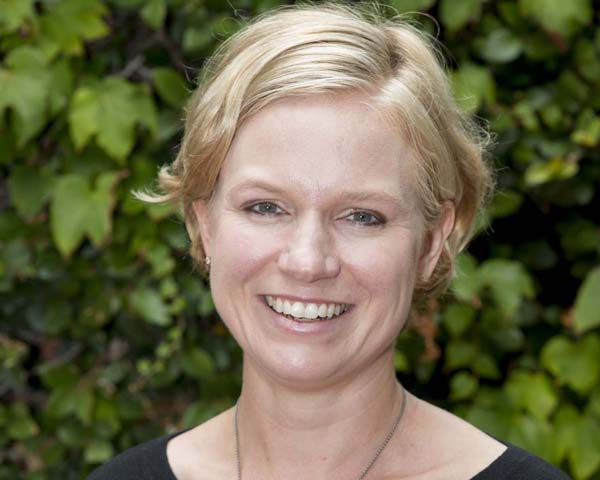
C. 'Chip' Raymond Knee is Professor and Department Chair in the Department of Psychology at the University of Houston, College of Liberal Arts and Social Sciences. He is also the Director of the Self, Motivation, and Relationship Theories (SMaRT) Lab, where he leads research on close relationships and interpersonal motivation. His work integrates personality, developmental, and situational perspectives to understand optimal individual and relational health. Ph.D., University of Rochester B.S., Oregon State University Dr. Knee's research focuses on implicit theories of relationships (destiny vs. growth beliefs), self-determination in romantic relationships , and relationship-contingent self-esteem . He examines how autonomy, authenticity, and motivational orientation influence conflict resolution, support provision, and relational stability. His work is grounded in self-determination theory and attachment frameworks, exploring how internal beliefs shape relational behaviors and well-being. His recent publications reveal a consistent focus on autonomy, need fulfillment, and interpersonal goals in romantic dyads. Articles published in top journals like Personality and Social Psychology Bulletin and Motivation and Emotion demonstrate trends in using dyadic models (e.g., APIM), testing mediation/moderation in stigma and self-compassion, and analyzing how ideals and beliefs predict relationship outcomes. Key themes include autonomy as a protective factor, the role of authenticity, and the impact of attachment and reward processing on relational health. Dr. Knee has mentored numerous Ph.D. students, many of whom are co-authors on his publications. His advising reflects a strong mentorship model focused on motivation, relationships, and well-being. While no specific grants are mentioned, his sustained publication record in high-impact journals suggests active research funding. He teaches graduate and undergraduate courses including Human Motivation and Theories of Social Psychology. He leads the Self, Motivation, and Relationship Theories (SMaRT) Lab, which serves as the primary research hub for his investigations into romantic relationships, autonomy, and self-esteem dynamics. The lab fosters collaborative research among graduate students and faculty, emphasizing empirical rigor and theoretical integration.