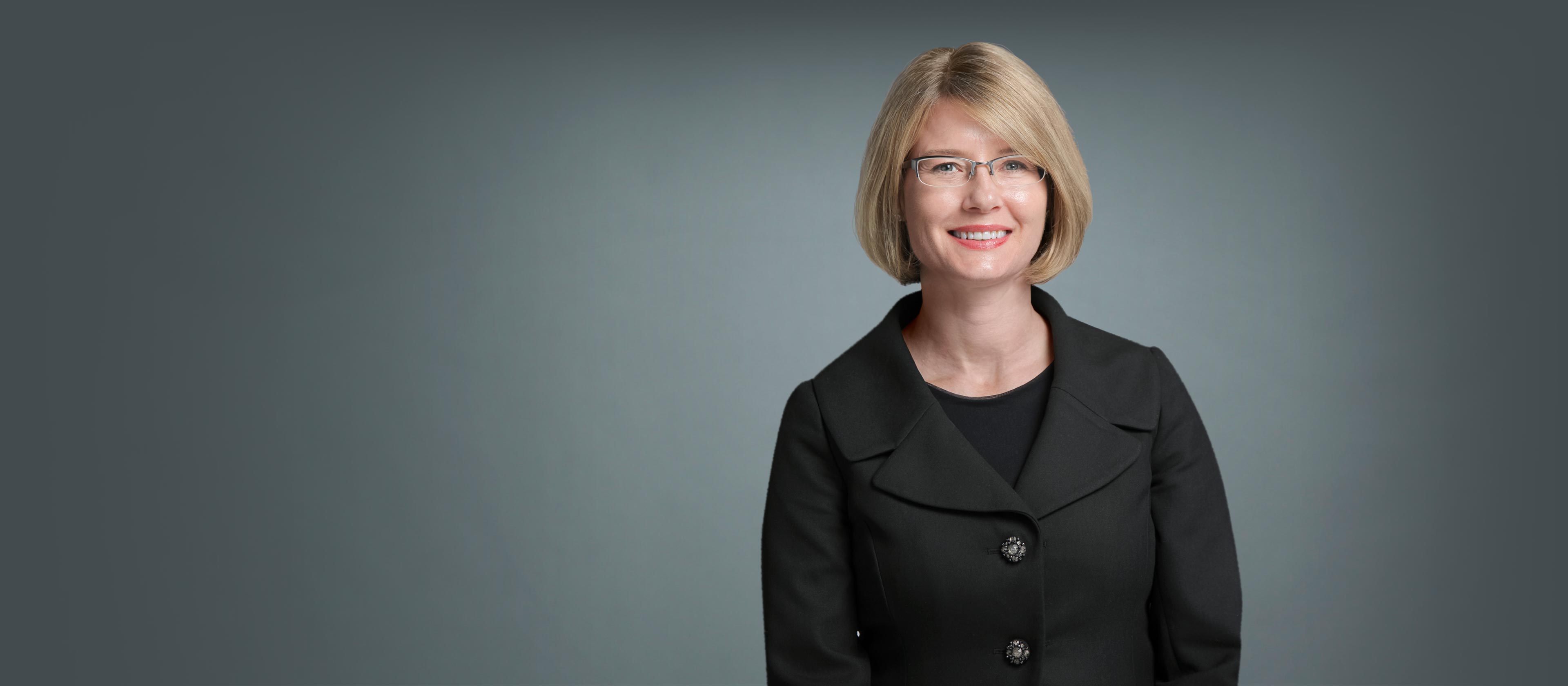
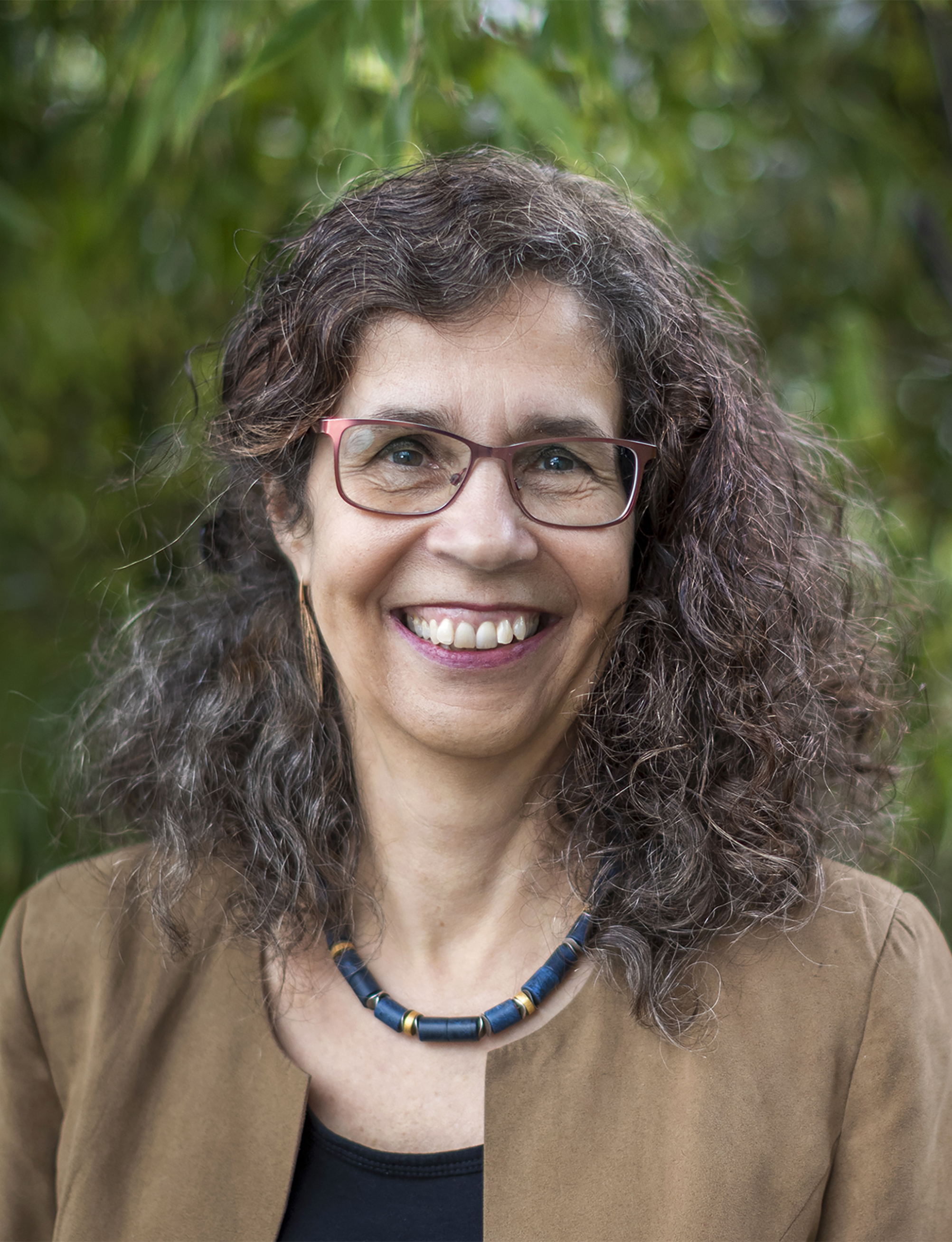
Erika Bach is a Professor at the NYU Grossman School of Medicine , affiliated with the Department of Biochemistry and Molecular Pharmacology. Her research focuses on cancer , developmental genetics , metabolism , pharmacology , and stem cell biology , with particular emphasis on JAK/STAT signaling and stem cell self-renewal . Education PhD from Washington University-St Louis Research Interests Her work explores the molecular mechanisms governing stem cell dynamics in developmental systems, including the role of JAK/STAT signaling in cellular competition and niche regulation. She investigates how somatic and germline stem cells interact in Drosophila models and how these interactions influence tissue homeostasis and disease. Selected Publications Recent studies highlight her contributions to understanding germline stem cell competition , spermatogonial dedifferentiation , and mitotic drive in Drosophila testes. Her work also identifies signaling pathways like Activin inhibition through Follistatin as critical regulators of niche quiescence. Contact Email: Erika.Bach@nyulangone.org Phone: 212-263-5963 Fax: 212-263-8166 Academic Office: 450 East 29th St, ACLS East Tower, 9, 934, New York, NY 10016
Tomás Alarcón is an ICREA Research Professor at the Centre de Recerca Matemàtica (CRM) in Bellaterra, Barcelona, where he leads the Cancer Modelling Group. He has been affiliated with CRM since November 2010 and was appointed to an ICREA Research Professorship in October 2015. He also serves as deputy director of CRM since March 2016 and is an Affiliated Professor at the Department of Mathematics, Universitat Autònoma de Barcelona since September 2013. Dr. Alarcón earned his PhD in Theoretical Physics from the University of Barcelona in 2000. Following his PhD, he held postdoctoral positions at the University of Oxford (2001-2003), University College London (2003-2006), and Imperial College London (2006-2009). He briefly served as a senior researcher and group leader at BCAM in Bilbao, Spain (2009-2010) before joining CRM. His research focuses on mathematical modeling of complex biological systems, with particular emphasis on multiscale modeling of tumor growth, hybrid methods for multiscale models, stochastic modeling of somatic cell reprogramming, robustness and evolvability in relation to drug resistance, stochastic models in population dynamics, and membrane biophysics and microfluidics of biofluids. His work integrates phenomena across different biological scales, from angiogenesis to cell-cycle progression under oxygen starvation. Analysis of his recent publications reveals a strong focus on computational oncology, with particular attention to epigenetic regulation, tumor microenvironment mechanics, and cancer metabolism. His work combines mathematical rigor with biological relevance, often collaborating with experimentalists to validate theoretical predictions. Key themes in his recent work include chromatin dynamics, metabolic regulation in cancer, multiscale modeling approaches, and the application of dynamical systems theory to biological problems. ICREA Research Professorship (2015) Dr. Alarcón has mentored numerous PhD students and postdoctoral researchers, many of whom have gone on to successful academic careers. His group collaborates extensively with researchers at institutions including University of Oxford, University College London, Universitat Autònoma de Barcelona, and various international centers. He has received research funding for projects related to cancer modeling and mathematical biology, though specific grants are not detailed in the provided information. His laboratory, the Cancer Modelling Group at CRM, consists of research fellows, postdocs, PhD students, and collaborators working on various aspects of mathematical oncology and computational biology. The group is also part of the DysCoVir I2SysBio-CRM Associated Unit, indicating a broader collaborative network in systems biology.
Abdenour Soufi serves as a Senior Lecturer in the School of Biological Sciences at the University of Edinburgh, leading research within the Centre for Regenerative Medicine and Institute for Regeneration and Repair. His laboratory investigates chromatin structure dynamics and cellular identity mechanisms with focus on developing safe reprogramming technologies for regenerative medicine. Dr. Soufi's research centers on chromatin structure and cellular identity , specifically examining how reprogramming factors (Oct4, Sox2, Klf4, c-Myc) convert fibroblasts to induced pluripotent stem cells. His group discovered that OSKM factors interact differently with fibroblast genomes compared to embryonic stem cells and face barriers accessing critical genomic regions. This foundational work drives their current efforts to engineer synthetic reprogramming factors that avoid tumorigenic risks associated with conventional methods. Analysis of his 12 publications (2014-2024) reveals consistent focus on nucleosome dynamics , transcription factor binding mechanisms , and cellular reprogramming barriers . His 2024 Nature paper demonstrates how nucleosome topology guides enhancer binding, while earlier work established how pioneer factors target partial DNA motifs on nucleosomes. Research spans fundamental chromatin biochemistry to translational applications in cancer and regenerative medicine. Scientific Awards and Recognition: MRC Career Development Award University of Edinburgh Chancellor's Fellowship Darwin Trust of Edinburgh Fellowship Diabetes Research & Wellness Foundation Grant Dr. Soufi actively supervises six PhD students including Katharine Furlong and Michael O'Dwyer, and collaborates extensively with Edinburgh colleagues (Chambers, Kaji, Lowell) and international partners (Buganim, Jauch, Skoultchi). His research receives funding from CRUK, EPSRC, MRC, and BBSRC. The Soufi group maintains strong ties with the Edinburgh Mammalian Synthetic Biology Research Centre and focuses on developing clinically viable reprogramming technologies through interdisciplinary approaches combining biochemistry, genomics, and synthetic biology.
Dr. Ming Zheng is a Professor of Biology in the Department of Biology at Gordon College, where he has been a faculty member since 2002. He is affiliated with the School of Science and Health and conducts research at the intersection of plant biotechnology, crop breeding, and ethical implications of genetic engineering. His educational background includes a B.S. and M.S. from Southwest Agricultural University in China and a Ph.D. in Genetics & Plant Breeding from Washington State University. Dr. Zheng's research focuses on accelerating crop improvement through double haploid technology, which enables instant genetic homozygosity in a single generation. He investigates how stress factors like chilling and starvation can reprogram immature corn pollen cells into embryonic states, leading to the development of genetically uniform cultivars. His work aims to address global food security challenges exacerbated by climate change. He also explores the ethical, legal, and social dimensions of GMOs, integrating his Christian faith with scientific inquiry. The recent articles reflect a strong focus on plant cell reprogramming, microspore culture, hormonal regulation, and the practical and societal applications of biotechnology. Research trends emphasize optimizing culture conditions, understanding developmental mechanisms, and addressing broader impacts on agriculture and society. Optimization of carbon sources and plant hormones for doubled haploid production Use of fluorescent and inverted microscopy to track cell development Training undergraduate students in advanced biotechnological methods Integration of faith and science in public discourse on GMOs Dr. Zheng has mentored numerous biology students during his sabbatical and continues to involve undergraduates in hands-on research, preparing them for graduate studies and industry careers. While no specific grants are mentioned, his sustained research program and student involvement suggest ongoing institutional or external support. His laboratory work is centered in the Gordon greenhouse and associated plant tissue culture facilities, where he grows corn to the appropriate maturity for experiments and maintains cell cultures under controlled conditions. The research team includes undergraduate students trained in cell culture techniques, microscopy, and data analysis.
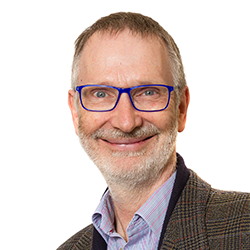
Professor Tony Green is a leading academic at the University of Cambridge , affiliated with the Cambridge Stem Cell Institute and the Department of Haematology . His research focuses on the molecular mechanisms underlying haematopoiesis and haematological malignancies , particularly the role of JAK/STAT signaling in myeloproliferative neoplasms (MPNs). Education: Medicine (University of Cambridge, University College Hospital London), PhD in oncogenic retroviruses (ICRF, London 1987) Academic Leadership: Professor of Haemato-oncology since 1999, Head of Haematology Department (2000-2020), Director of Cambridge Stem Cell Institute (2016-2022) His research explores how blood stem cells become dysregulated in cancers like MPNs, with key findings on mutation order effects, non-canonical JAK/STAT signaling, and somatic mutation tracing in human hematopoiesis. His work bridges basic science , translational research , and clinical practice , with discoveries that transformed MPN diagnosis and JAK inhibitor development. Scientific recognition includes: Jean Bernard Award (European Haematology Association, 2020) Donald Metcalf Award (International Society for Experimental Hematology, 2021) His laboratory at the Jeffrey Cheah Biomedical Centre has produced seminal work on MPN mutational landscapes and stem cell fate regulation . Current research continues to investigate stem cell reprogramming in leukemogenesis.
Matthias Zilbauer is a Clinical Professor of Paediatric Gastroenterology at the University of Cambridge, affiliated with the Department of Paediatric Gastroenterology, Hepatology and Nutrition and the Cambridge Stem Cell Institute. He holds an MD from the University of Mainz and a PhD from University College London (UCL), focusing on mucosal immunology. His research group studies intestinal epithelial stem cell biology, epigenetic mechanisms in health and diseases like Inflammatory Bowel Diseases (IBD) and Necrotising Enterocolitis (NEC). Key projects include developing clinical biomarkers for IBD, testing novel therapies using organoid models, and creating 2D/3D co-culture systems integrating immune cells and microbiota. His team maintains a large biobank of over 1000 human intestinal organoid lines. Key collaborators include the Medical Research Council (MRC), Helmsley Charitable Trust, and Action Medical Research. Zilbauer leads a dynamic group with active PhD students and postdocs, focusing on translational research to improve pediatric gastrointestinal care. His work bridges basic science and clinical applications, emphasizing epigenetic regulation, organoid technology, and precision medicine.
Prof. Dr. Stefan Stricker is a full member of the Graduate School of Systemic Neurosciences (GSN) and a regular member of the Munich Center for Neurosciences (MCN) at Ludwig-Maximilians-Universität München (LMU). He leads the Physiological Genomics research group jointly housed at the Biomedical Center LMU and Helmholtz Zentrum München, where he explores CRISPR-based epigenetic engineering, neural stem cell biology and brain tumour reprogramming. Research Interests: CRISPR-based epigenetic engineering – developing precise tools to rewrite chromatin states in somatic and cancer cells. Neural stem cell identity – decoding transcriptional and epigenetic networks that govern self-renewal versus differentiation. Brain tumour reprogramming – converting malignant glioma cells to a pluripotent, non-tumourigenic state to interrogate cancer epigenetics. Long non-coding RNAs (lncRNAs) – investigating Airn and other macro ncRNAs in genomic imprinting and gene-silencing mechanisms. Across more than fifteen years his work has produced a coherent body of literature that moves from fundamental imprinting biology in embryonic stem cells to translational applications in glioblastoma. Re-occurring themes include DNA-methylation resetting, allele-specific expression biases, and the therapeutic vulnerabilities of glioblastoma initiating cells. Selected Publications & Trends: The 15 most recent publications (2004-2014) reveal a clear progression from mechanistic studies of lncRNA-mediated silencing ( Airn , Igf2r ) to high-impact investigations of glioblastoma stem-cell biology and CRISPR-mediated reprogramming. Collectively these works sit at the intersection of epigenetics , cancer biology and neurodevelopment . Scientific Awards & Fellowships: While no specific prizes are listed, multiple papers were recommended or highlighted by Faculty of 1000 and featured research highlights in Cancer Research and Nature Reviews Cancer . Advising & Training: Graduated GSN student: Dr. Valentin Baumann Laboratory & Institutional Affiliations: Prof. Stricker’s Physiological Genomics group is physically embedded within the Biomedical Center LMU and the Helmholtz Zentrum München, facilitating close collaboration between the university medical faculty and Germany’s largest biomedical research organisation.
Professor Yaohe Wang is a Professor and Group Leader at the Barts Cancer Institute, Queen Mary University of London, specializing in Cancer Cell and Gene Therapy. His research focuses on developing tumor-targeted oncolytic viruses (particularly vaccinia and adenovirus) for cancer immunotherapy and prevention, with emphasis on pancreatic cancer. He leads translational programs aimed at enhancing systemic delivery and efficacy of viral therapies. Research Focus: Dr. Wang's work integrates virology, immunology, and molecular engineering to design novel therapeutic regimes. Key areas include: Engineering systemically deliverable oncolytic viruses to overcome tumor microenvironment barriers Combination therapies (e.g., PI3Kδ inhibitors + oncolytic vaccinia) Reprogramming somatic cells for cancer prevention (VIReST technology) Safety optimization of immunotherapeutic agents (e.g., redesigned IL-12) Leadership & Activities: Chief Scientific Officer and Founder, VacV Biotherapeutics Ltd (2022–present) Founding Chairman, Syrian Hamster Disease Models Association (2018–present) Editorial Board Member: Journal of Clinical Immunology and Immunotherapy (2015–present) and Molecular Therapy-Oncolytics (2014–present) Major Funding: Secured £4.7M+ in grants, including: Medical Research Council (2021–2026): £3.68M for oncolytic vaccinia virus development Innovate UK (2024–2026): £498K for metastatic colorectal cancer therapy Pancreatic Cancer Research Fund (2022–2024): £220K targeting tumor microenvironment
Irfan A Asangani is an Associate Professor of Cancer Biology at the Perelman School of Medicine, University of Pennsylvania. He is affiliated with the Abramson Family Cancer Research Institute and the Penn Epigenetics Institute, focusing on molecular epigenetic events in cancer progression and therapy resistance. Education: B.S. and M.S. in Biochemistry (First Class) from Madras University, India; Ph.D. in Cancer Biology (Summa cum laude) from Klinikum Mannheim/DKFZ/Heidelberg University, Germany. Research Interests include cancer epigenetics, chromatin regulation, non-coding RNA, androgen receptor signaling, and mechanisms of resistance to targeted therapies. His lab employs multidisciplinary approaches to translate epigenetic insights into clinical tools for diagnostics, prognostics, and combination therapies. Recent Publications highlight roles of chromatin regulators like NSD2 in prostate cancer, LCMT1 loss in therapy resistance, and SOX4 in cellular reprogramming. Themes span epigenetic reprogramming, metabolic adaptations, and combinatorial strategies to suppress resistant tumor cells. Lab Affiliation : The Asangani Lab at Penn investigates transcriptional addiction in cancer cells, collaborating with Abramson Cancer Center and the Penn Epigenetics Institute.
John M. Sedivy is the Hermon C. Bumpus Professor of Biology and Director of Brown University's Center for the Biology of Aging. A faculty member since 1996, he holds appointments in the Department of Molecular Biology, Cell Biology and Biochemistry. His career spans groundbreaking work in cell cycle regulation , oncogene biology , and cellular aging . Education: PhD in Molecular Biology (Harvard, 1985), BSc (University of Toronto, 1978) Sedivy's research focuses on cellular senescence , epigenetic regulation , and transposable element dynamics in aging. He pioneered single-cell senescence assays and epigenetic aging studies , notably demonstrating age-associated heterochromatin expansion and transposable element activation in somatic tissues. His 15+ recent publications highlight themes in telomere biology , chromatin changes during aging , Myc signaling , and bioinformatics approaches to gene network analysis. Key contributions include first in vivo quantification of cellular senescence in primates (2006) and epigenetic clocks for aging (2011). Scientific Awards: NIH Merit Award (2009) Glenn Award for Aging Research (2011) Hermon C. Bumpus Chair (2006) Ellison Senior Research Scholar (2007) As an administrator, he chaired Brown's Department of Molecular Biology, Cell Biology and Biochemistry and founded its Genomics and Proteomics Center. He served on NIH CMAD study section (2003-2012) and co-edited Aging Cell (2006-2012). His lab's work has been continuously funded by NIH since 1989, including a 10-year MERIT award (R37 AG016694).
Robert L. Judson-Torres is an Assistant Professor in the Department of Dermatology at the University of Utah and an investigator at the Huntsman Cancer Institute. He received his PhD in Biomedical Sciences from the University of California, San Francisco (UCSF) in 2012, where he studied microRNA mechanisms in somatic cell reprogramming. His early career was marked by the NIH Director’s Early Independence Award and a Sandler Fellowship at UCSF. Education: PhD (UCSF), BA (Wesleyan University) Awards: NIH Director’s Early Independence Award, Sandler Fellowship His research focuses on dynamic transcriptional programs in human melanocytes and their role in melanoma initiation. Key methodologies include CRISPR/Cas9 engineering, single-cell sequencing, and quantitative phase imaging. Translational applications involve early melanoma diagnosis and therapeutic interventions using microRNA modulation. Recent publications highlight advancements in melanoma diagnostics (e.g., microRNA ratios), CRISPR-based tumor modeling, and novel imaging technologies like quadrant darkfield (QDF) microscopy. He also investigates ancestry-related somatic mutation patterns in acral melanoma and BRAFV600E-driven nevi stabilization via miR211-5p delivery. Leadership: Huntsman Cancer Institute Postdoc Showcase, Pan-American Society for Pigment Cell Research (Membership Chair) Service: University of Utah Academic Senate Special Committee, international symposia organizer
Samuele Marro is an Assistant Professor in the Nash Family Department of Neuroscience and the Black Family Stem Cell Institute at the Icahn School of Medicine at Mount Sinai. His research program focuses on synaptic plasticity and its dysfunction in Fragile X syndrome, which represents the number one genetic cause of autism. Dr. Marro received his PhD in Human Biology from the Molecular Biotechnology Center at the University of Torino in Italy. He completed his postdoctoral training in pluripotent stem cell biology in the laboratory of Marius Wernig, MD PhD, at the Institute for Stem Cell Biology and Regenerative Medicine at Stanford University. His laboratory utilizes human neurons directly differentiated from pluripotent stem cells and genetically modified using CRISPR/Cas9 tools to investigate neurodevelopmental disorders. His research spans multiple disciplines including neuroscience, stem cell biology, and genetic engineering, with particular emphasis on autism spectrum disorders and synaptic function. Dr. Marro's team has developed sophisticated protocols for generating precise disease models and investigating cellular mechanisms underlying neurological conditions. Analysis of Dr. Marro's 15 most recent publications reveals a consistent trajectory from foundational stem cell techniques to complex disease modeling. His work demonstrates expertise in CRISPR-based gene editing, single-cell analysis, and advanced imaging techniques applied to neurodevelopmental and neurodegenerative conditions. There is a clear progression toward increasingly sophisticated models of neurological disorders with translational applications. Dr. Marro serves as co-Director of the Stem Cell Engineering Core, which provides critical infrastructure services including derivation of iPSCs from patient blood samples, differentiation into specific cell types, and gene-editing to create or repair disease mutations for the Icahn School of Medicine community. This role positions him at the intersection of basic research and translational applications across multiple disciplines.
Viola Vogel is a Professor at ETH Zurich , leading the Laboratory of Applied Mechanobiology. Her research focuses on decoding how mechanical forces regulate biochemical functions in bacteria and cells, with applications in regenerative medicine. Key research areas include: Mechanobiology of extracellular matrix Stem cell differentiation Micro- and nanofabrication techniques Nanoanalytical probing of molecular/cellular mechanics Advanced imaging and molecular dynamics Cellular reprogramming and molecular biology The lab investigates fibroblasts, embryonic stem cells, induced pluripotent stem cells, mesenchymal stem cells, macrophages, and somatic cells, fostering interdisciplinary collaboration across biomedical engineering, mechanical engineering, cell biology, and bioinformatics.
Werner Kovacs is a senior scientist at the Aceto Lab, ETH Zurich. He holds a PhD in Biochemistry/Biotechnology from Vienna University of Technology and conducted postdoctoral research at San Diego State University under Prof. Skaidrite Krisans. His work focuses on peroxisome biology, hypoxia signaling, and their roles in metabolic disorders and cancer, particularly clear cell renal cell carcinoma (ccRCC). Education: PhD in Biochemistry/Biotechnology, Vienna University of Technology Former Affiliations: Prof. Wilhelm Krek's group (Senior Scientist/Oberassistent, 2007-2018), San Diego State University (Postdoctoral Fellow) Research Interests: His work explores how HIF-2α mediates pexophagy, linking peroxisome dynamics to lipid metabolism reprogramming in cancer. He investigates peroxisome homeostasis, ER stress pathways, and their implications in cholesterogenesis and tumorigenesis. His studies also address autophagy receptors and their posttranslational modifications in organelle turnover. Scientific Contributions: Werner has contributed to understanding peroxisome deficiency in Zellweger syndrome, cholesterol dysregulation in knockout models, and TGFβ-mediated organelle proliferation. He has taught courses in Molecular Cell Biology, Molecular Medicine, and Cancer Cell Signaling and managed animal research protocols as principal study director.
Cheen Euong Ang is a Visiting Professor in the Department of Chemistry and Chemical Biology at Harvard University's Faculty of Arts and Sciences. Affiliated with the Zhuang Research Group, his work focuses on neuronal engineering, epigenetic regulation, and cellular reprogramming mechanisms. Department of Chemistry and Chemical Biology, Harvard University Zhuang Research Group, Faculty of Arts and Sciences His research spans neuroscience and epigenetics, with particular emphasis on: Direct neuronal reprogramming from somatic cells Epigenetic dynamics during cellular transitions Long non-coding RNA functions in brain development Matrix stiffness effects on chromatin states Neurodevelopmental disorder modeling Recent publications demonstrate expertise in: Neuronal differentiation using transcription factors Single-cell epigenomic profiling Transdifferentiation of immune cells to neurons Neurogenetic mechanisms in 22q11.2 deletion syndrome lncRNA-mediated pathogenic pathways