Andrew Sharrocks is Professor of Molecular Biology at the University of Manchester's Division of Molecular & Cellular Function. His research focuses on transcriptional control mechanisms, chromatin dynamics, and their roles in cancer and stem cell differentiation. He leads a team investigating signal-mediated gene regulation, epigenetic networks in oesophageal adenocarcinoma, and transcriptional drivers of cellular differentiation. Research Interests: His lab employs systems biology approaches including RNA-seq, ChIP-seq and CRISPR-Cas9 to study: ERK pathway signaling in chromatin remodeling Transcription factor networks in oesophageal cancer progression Enhancer formation during stem cell differentiation Recent Publications demonstrate focus on epigenomic alterations in disease models (Kabuki syndrome, liver fibrosis) and molecular adaptations in gastrointestinal cancers, utilizing multi-omics methodologies. Team & Training: Currently supervises 2 PhD students and 3 postdoctoral researchers. Has trained 23 PhD students (3 now leading independent groups) and 21 postdocs (4 now group leaders).
Bjorn F Kafsack is an Associate Professor of Microbiology and Immunology at Weill Cornell Medical College , Cornell University, where he has held this position since 2022. His research is centered on malaria parasite biology , particularly the developmental regulation and transcriptional plasticity of Plasmodium falciparum , with a focus on immune evasion mechanisms and sexual differentiation . Education: Ph.D. , The Johns Hopkins University (2008) M.H.S. , The Johns Hopkins University (2006) M.S. , The Johns Hopkins University Bloomberg School of Public Health, Molecular Microbiology & Immunology, Bioinformatics B.S. , University of Washington (2001) Research Focus: Kafsack’s laboratory investigates how malaria parasites adapt to host immune pressures through epigenetic regulation , transcriptional reprogramming , and nutrient sensing . His work integrates single-cell genomics , chemical biology , and functional genomics to uncover new drug targets and understand parasite transmission biology . Publication Trends: His recent articles (2022–2025) emphasize transcriptional plasticity , antigenic variation , and proteasome targeting in P. falciparum . These studies reveal mechanisms of immune evasion , sexual commitment , and stress adaptation , often leveraging CRISPR-based tools and high-resolution transcriptomics . Funding & Leadership: Principal Investigator , NIH/NIAID project on Babesia inhibitor targets (2022–2025) Principal Investigator , ongoing NIH-funded malaria research (2019–2025) Co-Investigator , multi-site parasite biology consortium (2018–2024) Laboratory & Teams: Kafsack leads a multidisciplinary team at Weill Cornell, collaborating with chemical biologists , parasitologists , and computational biologists to advance antimalarial strategies and train next-generation scientists in infectious disease research .
Li Gan, Ph.D., is the Burton P. and Judith B. Resnick Distinguished Professor in Neurodegenerative Diseases at the Brain and Mind Research Institute, Weill Cornell Medical College. Since 2018 she has led an interdisciplinary program that integrates human iPSC-based disease modeling, single-cell multi-omics, and therapeutic target discovery to combat Alzheimer’s disease and related tauopathies. Education Ph.D., Yale University School of Medicine (1996) B.S., Peking University, China (1990) Research Focus Dr. Gan’s laboratory investigates how microglial innate immunity, tau post-translational modifications, and sex-specific pathways drive neurodegeneration. Using CRISPR-engineered human induced pluripotent stem cell (iPSC) models, brain organoids, and chimeric mouse brains, her team decodes cell-type-specific vulnerabilities and designs first-in-class therapeutics—including cGAS inhibitors, anti-acetyl-tau antibodies, and small-molecule modulators of microglial homeostasis. Grants & Support NIA “Mapping proteomic changes of tauopathy in human neurons” (PI, 2025-2030) Cure Alzheimer’s Fund “Sex-biased TLR7 signaling” (PI, 2025) NIA “Acetylated Tau Immunotherapy” (PI Subaward, 2025-2026) JPB Foundation “Targeting maladaptive innate immune response” (PI, 2024-2027) Rainwater Charitable Foundation series on cGAS inhibitors and 4R tauopathy models (PI, 2024-2025) Chan Zuckerberg Initiative & Ludwig Family Foundation awards for neuro-immune resilience studies Industry & Advisory Roles Dr. Gan serves as Scientific Advisory Board Member for Arvinas, Inc. and Neurovanda Therapeutics; consultant to Aeton Therapeutics, LSG Therapeutics, and NeuroLambda Therapeutics; and maintains equity/proprietary interests in these companies plus Retro Biosciences, reflecting long-standing translational collaborations. Laboratory & Teams The Gan Lab operates within the Brain and Mind Research Institute’s state-of-the-art facilities, hosting post-doctoral fellows, graduate students, and research technicians focused on high-throughput CRISPRi/a screening, single-cell epigenomics, and pre-clinical testing of therapeutic leads. Active partnerships extend to the NIH-funded Alzheimer’s Disease Tau Platform Clinical Trial Network and international open-science consortia.
Jesper Grud Skat Madsen is an Associate Professor at the Department of Biochemistry and Molecular Biology, University of Southern Denmark (SDU), and Principal Investigator of the MadLab research group. His work bridges computational biology with experimental genomics, focusing on transcriptional regulation in tissue plasticity and metabolic diseases. Current affiliation: SDU (Department of Biochemistry and Molecular Biology) Previous affiliation: SDU (Department of Mathematics and Computer Science, 2021-2023) Research centers: ATLAS, Human Gene Regulatory Map (HGRM), ADIPOSIGN
Warren S. Pear is the Gaylord P. and Mary Louise Harnwell Professor at the University of Pennsylvania , with affiliations including the Abramson Cancer Center , Abramson Family Cancer Research Institute , and Institute for Immunology . He serves as Director of the Immunopathology Division, Vice Chair of Research in the Department of Pathology & Lab Medicine, and Deputy Director of the Institute of Immunology. Education B.A. in Economics from Williams College (1980) Ph.D. in Tumor Biology from Karolinska Institute (1987) M.D. from University of Rochester (1989) Dr. Pear's research focuses on the molecular mechanisms of Notch signaling and Tribbles in hematopoiesis and leukemia , using in vivo/in vitro models, gene array analysis, and CRISPR technology. His work bridges tumor biology , stem cell research , and immunobiology . His recent publications highlight studies on T cell exhaustion , epigenetic drug resistance , and Notch-regulated cell fate decisions . Collaborators include Dr. Babak Faryabi and Dr. Martha Jordan, with whom he explores transcriptional pathways and immune regulation . Labs & Teams : Leads the Pear Lab , which investigates Notch and Tribbles in cancer and immunity, training PhD students and postdoctoral researchers in molecular pathology and immunobiology.
Lishomwa Ndhlovu is a Professor of Immunology in both Medicine and Neuroscience at Weill Cornell Medical College, with extensive research contributions in HIV pathogenesis, neuroinflammation, and epigenetic aging. His work spans clinical and translational studies across multiple institutions. M.B.,B.S. - University of Zambia Medical School (1994) Ph.D. - Tohoku University School of Medicine (2003) B.Sc. - University of Zambia (1992) Research interests focus on HIV reservoir dynamics, neuroinflammation mechanisms, single-cell epigenomics, and immune aging. Key projects include studying galectin-9's role in HIV persistence and developing novel epigenetic biomarkers for aging populations with HIV. His 15 most recent publications (2024-2025) demonstrate interdisciplinary work across virology, immunology, and neuroscience, particularly examining HIV-brain interactions and epigenetic aging signatures. Scientific Awards & Collaborations: Advisory roles at AbbVie Inc. and amfAR Leadership at CytoDyn, Inc. Ownership in CytoDyn and Ledidi AS Proprietary interests with TruDiagnostic and University of Hawaii Active grants include NIH-funded projects on extracellular vesicles as biomarkers, neuroHIV cure strategies, and single-cell epigenomics comparing Alzheimer's with HIV-associated cognitive dysfunction. Collaborates with over 30 researchers across institutions.
Professor Golnaz Vahedi of the University of Pennsylvania School of Medicine Department of Genetics is a leading figure in genomic immunology with key affiliations to the Institute for Diabetes, Obesity and Metabolism, Abramson Cancer Center, Institute for Immunology & Immune Health, and co-directorship of the Penn Epigenetics Institute. Her educational background spans Electrical Engineering degrees from Sharif University (B.Sc.), University of Alberta (M.Sc.), and Texas A&M University (Ph.D.), followed by NIH postdoctoral work under Dr. John O'Shea. 314 BRB II/III, 421 Curie Boulevard, Philadelphia, PA 19104 Primary email: vahedi@pennmedicine.upenn.edu Her research integrates computational biology with immune cell epigenetics to decode: 3D chromatin organization in T cells Transcription factor mechanisms (e.g., TCF-1's nucleosome-unwrapping properties) Genetic variation's impact on T1D pathology Lentiviral integration epigenomic effects Recent publications demonstrate her lab's expertise in chromatin tracing and multi-enhancer interactions . Notable awards include the Chan Zuckerberg Initiative award and multiple journal cover features. Her work bridges genomics , computational immunology , and autoimmune disease research through innovative techniques like PRISM, EpiVIA, and Stripenn. Key collaborations: Human Pancreas Analysis Program (HPAP), Abramson Cancer Center
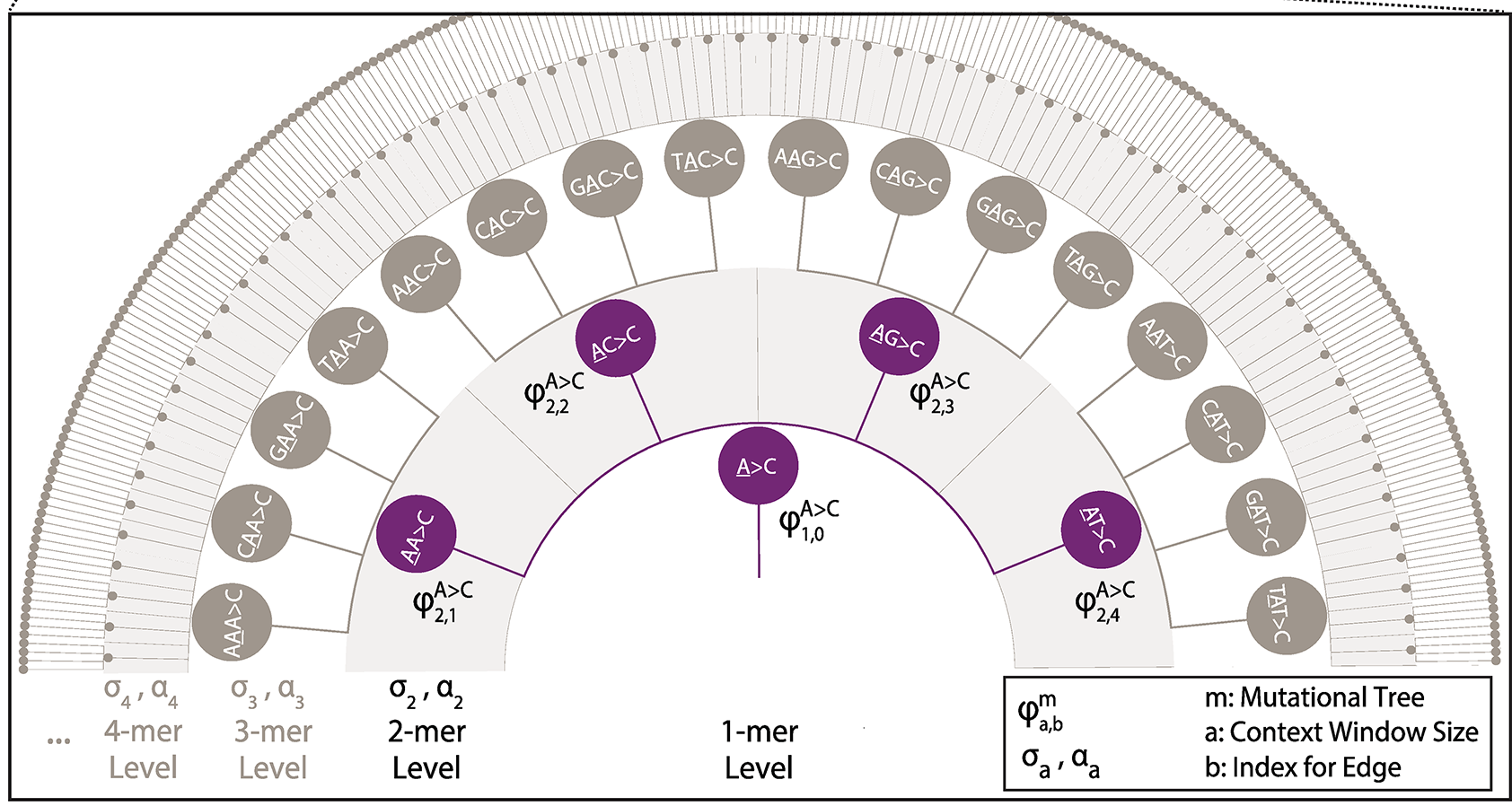
Benjamin Franklin Voight, PhD is a Professor of Systems Pharmacology and Translational Therapeutics at the University of Pennsylvania's Perelman School of Medicine. He also serves as Associate Director of the Bioinformatics Concentration in the ITMAT MSTR Program and Director of the Environmental Health Informatics Core (EHIC) at the Center of Excellence in Environmental Toxicology (CEET). Education: BA in Mathematics, University of Washington (2001) BS in Biology, University of Washington (2001) PhD in Human Genetics, University of Chicago (2006) Post-Doctoral Fellow, Human Genetics, Massachusetts General Hospital & Broad Institute (2006–2011) Research Interests: Voight's lab integrates statistical genetics, computational biology, and population genetics to explore the genetic and evolutionary underpinnings of human traits and complex diseases. Key areas include type 2 diabetes, coronary heart disease, obesity, and metabolic liver disease . The lab is particularly focused on developing and applying methods for GWAS, Mendelian randomization, mutation rate modeling, and causal inference . Research Trends: His recent work spans multi-ancestry GWAS, Mendelian randomization studies across cardiometabolic traits, and integrative genomics using single-cell and epigenomic data . He has contributed to large consortia such as the Million Veteran Program (MVP) , leading efforts in polygenic risk scores, causal biomarker discovery, and translational bioinformatics . Scientific Contributions: Voight has co-led landmark studies including the 2012 Lancet paper on HDL cholesterol and myocardial infarction risk, and the 2010 Nature Genetics study identifying T2D susceptibility loci. His work has been pivotal in debunking causal roles of biomarkers and mapping non-coding regulatory variants . Lab & Mentorship: The Voight Lab is actively recruiting postdoctoral fellows and graduate students with computational backgrounds. The lab emphasizes open-source tool development and multi-disciplinary collaboration to advance human genomics and precision medicine.
Dr. Avi Srivastava is an Assistant Professor of Genetics at the Wistar Institute in Philadelphia, PA. He earned his Ph.D. in Computational Biology from Stony Brook University in 2019. His laboratory focuses on three core research areas: (1) developing innovative single-cell technologies to investigate cellular heterogeneity; (2) creating high-throughput probabilistic models for precise quantification of single-cell data; and (3) applying novel computational methods to study alternative splicing and chromatin dynamics in hematopoietic systems. Research interests center on Single-cell Biology , Computational Biology , Alternative Splicing , Chromatin Dynamics , and Hematopoiesis . Dr. Srivastava invites students to discuss rotation projects in these domains. His publications emphasize scalable computational tools for single-cell genomics, with recurring themes in multimodal data integration, chromatin state characterization, and efficient RNA-seq quantification. Recent work demonstrates a strong focus on improving accuracy and interpretability in single-cell analysis, particularly in cancer and hematopoietic contexts. Dr. Srivastava leads an active research group at the Wistar Institute, collaborating on method development for single-cell genomics and contributing to best practices in the field.
Lucas A Salas, MD, MPH, PhD, is an Assistant Professor of Epidemiology at Dartmouth's Geisel School of Medicine and an Investigator in the Cancer Population Sciences Research Program at Dartmouth Cancer Center. He holds an MD from Universidad Nacional de Colombia (2001), an MPH from Universitat Pompeu Fabra (2011), and a PhD from Universitat Pompeu Fabra (2015). His research integrates bioinformatics and molecular epidemiology to study epigenetic mechanisms in cancer, immune dysregulation, and developmental exposures. Dr. Salas leads two major NIH/DoD-funded projects: (1) Epigenetic modifications of cytosines in clear cell kidney carcinogenesis (DoD CDMRP, 2020-2024) and (2) Single-cell analysis of tumor microenvironments in renal carcinoma survivors (NIGMS, 2020-2023). His lab develops computational tools like HiTIMED (tumor deconvolution) and FlowSorted.Blood.EPIC for cell-type resolution. His publications predominantly explore cancer epigenomics, including ovarian/renal carcinoma disparities, immune checkpoint therapy biomarkers, and glioma microenvironments. Recent work demonstrates strong emphasis on DNA methylation-based prognostic models and spatial transcriptomics methodologies. He mentors doctoral students in Quantitative Biomedical Sciences (QBS) and Molecular & Cellular Biology (MCB), with current advisees including Chinaza Nnam, Minghui Zhang, and Hannah Stolrow. Former trainees hold positions in academia and industry.
Hongjie Li is an Assistant Professor at the Huffington Center on Aging within Baylor College of Medicine , affiliated with the Department of Molecular and Human Genetics and Dan L Duncan Comprehensive Cancer Center . He leads the Hongjie Li Lab and serves as Graduate Faculty in multiple programs. Education : PhD from University of Rochester & Buck Institute for Research on Aging (2016), Postdoctoral Training at Stanford University (2020) Research Focus : Develops multi-omics technologies (transcriptomics, epigenomics, proteomics) to study neural development, aging, and age-triggered diseases. His work examines: Glia-neuron interactions in brain aging Systemic inflammatory signals Gut-brain axis in aging Tumor initiation mechanisms in aging intestines Integrating fly genetics with cross-species models Notable Contributions : Pioneered single-cell RNA sequencing in Drosophila neurons (2017 Cell, 2020 Current Biology), co-developed single-nucleus RNA-seq for the Fly Cell Atlas project (2021 eLife). His recent work (2023-2025) explores: Whole-organism aging features Tauopathy neuroprotection mechanisms Food odor-feeding suppression circuits Computational frameworks for cell communication Histone modulation of lifespan Scientific Awards & Funding : NIH R00 Pathway to Independence Award CPRIT (Cancer Prevention and Research Institute of Texas) Ted Nash Long Life Foundation Welch Foundation Award Longevity Research Grant
Qian Zhu is an Assistant Professor at Baylor College of Medicine in the Department of Molecular Genetics . He earned a BSc in Computer Science and Biochemistry from the University of Ottawa , a PhD in Computational Biology from Princeton University , and completed postdoctoral training at Dana-Farber Cancer Institute/Harvard Medical School . Research Focus : Computational Biology, Cancer Genomics, Spatial Transcriptomics Key Projects : Spatial Multiomic Integration, Triple Negative Breast Cancer Disparities, Chromatin Structure Analysis, Software Development Recent Trends : His 15 most recent publications (2025-2018) focus on spatial transcriptomics tools ( Giotto , Xenomake ), cancer disparities research, chromatin structure analysis, and computational methods for single-cell data integration. These works reflect expertise in machine learning application to biomedical imaging, tumor microenvironment characterization, and epigenetic regulation. 2025 : Spatial omics analysis of racial disparities in TNBC 2024 : BCL11A tetramer function, xenograft data processing 2023 : CRISPR screening in leukemia 2022 : Chromatin regulators in developmental disease Awards : 2025 - Marion R. Wright Award for Scientific Excellence 2022 - CPRIT Tenure-Track Faculty Recruitment Award Collaborations : Works with experimental biologists on tumor progression, therapy resistance, and hematopoietic development. His lab includes bioinformatics programmers and graduate students.
Dr. Michael D. Taylor is a Professor at Baylor College of Medicine and holds the Cyvia and Melvyn Wolff Chair of Pediatric Neuro-Oncology at Texas Children’s Hospital , where he serves as Director of the Pediatric Brain Tumor Research Program. He is also a Staff Neurosurgeon at Texas Children’s Hospital and a CPRIT Scholar in Cancer Research. Education: MD, University of Western Ontario (1994) PhD, University of Toronto (2002) Residency, University of Toronto (2003) Postdoctoral Fellowship in Cancer Genomics, St. Jude Children’s Research Hospital (2004-2005) Research Focus: Dr. Taylor’s work centers on the molecular genetics of medulloblastoma and ependymoma , two common malignant pediatric brain tumors. His lab has redefined medulloblastoma as at least four distinct diseases through genomic and epigenomic studies, with recent discoveries linking cerebellar tumors to disruptions in early brain development ( Nature 2019, 2022 ). His team has published over 400 peer-reviewed articles, including breakthroughs in Nature , Cell , and Lancet Oncology , cited 70,000+ times. Scientific Awards: Canada’s Top 40 under 40 (2008) Royal College Gold Medal in Surgery (2010) Zulch Prize in Neuroscience (2016) Royal Society of Canada Fellowship (2019) Team & Collaborations: His interdisciplinary Taylor Lab includes cell biologists, bioinformaticians, and clinicians working with preclinical models, clinical samples, and single-cell multiome sequencing. Key collaborators span institutions like St. Jude, Hospital for Sick Children, and University of Toronto.
Professor Adam Siepel is a prominent computational biologist at Cold Spring Harbor Laboratory (CSHL) , where he has directed the Simons Center for Quantitative Biology since 2014. Holding a Ph.D. in Computer Science from UC Santa Cruz (2005), Siepel bridges computer science, statistics, and genetics to decode evolutionary patterns in genomic data. Key affiliations: CSHL (2014-present), Cornell University (2006-2014), National Center for Genome Resources (1996-2001) Research Focus : His work centers on developing mathematical models and computational methods to analyze genomic evolution. Siepel's lab explores molecular evolution , transcriptional regulation , and population genetics , with applications spanning cancer, plant breeding, and human disease. Recent Research Trends : His team has published extensively on transcription elongation dynamics , ancient human evolution , maize domestication , and cancer metastasis mapping . Articles highlight integration of nascent RNA sequencing , machine learning , and ancestral recombination graphs . Scientific Recognition : Guggenheim Fellowship (2012-2013) Sloan Research Fellowship (2009-2011) Packard Fellowship (2007) NSF CAREER Award (2007) Mentorship & Collaboration : Mentored over 20 graduate and postdoctoral researchers, including Ziyi Mo and Armin Scheben . Collaborates with experimentalists in cancer, neuroscience, and plant biology. Lab Overview : The Siepel Lab unites mathematicians, physicists, and biologists to tackle interdisciplinary problems. Current projects include modeling transcriptional equilibrium , tracking cancer evolution , and analyzing primate genomic constraints .
Ravza Gur is a Postdoctoral Computational Biologist at the University of Oxford's MRC Weatherall Institute of Molecular Medicine (MRC WIMM) and member of the Genome Biology Lab. Her work focuses on integrating single-cell multiomic epigenetics and transcriptomics with machine learning to study non-coding genetic variations in human diseases. Affiliation: University of Oxford Department: MRC WIMM Centre for Computational Biology Role: Postdoctoral Computational Biologist Volunteer: President of ISCB SC RSG-Turkiye (2023) Her research spans single-cell genomics , machine learning , and gene regulation , with a focus on improving scATAC-seq resolution and developing tools like the CREST-GV platform. Current work involves Deep Neural Network methods for analyzing non-coding genomic regions. Scientific contributions include 14 publications on scATAC-seq, chromatin accessibility, and multiomic disease analysis. Her Google Scholar highlights projects like REnformer and GTAC. Recent work emphasizes epigenetic variation in AML and IMiD-induced neutropenia . 2023: Elected President of ISCB SC RSG-Turkiye 2022: Analyzed ATRX chromatin remodelling mechanisms Labs & Collaborations: Genome Biology Lab (Oxford) Centre for Computational Biology (MRC WIMM) ISCB SC RSG-Turkiye