معرفی
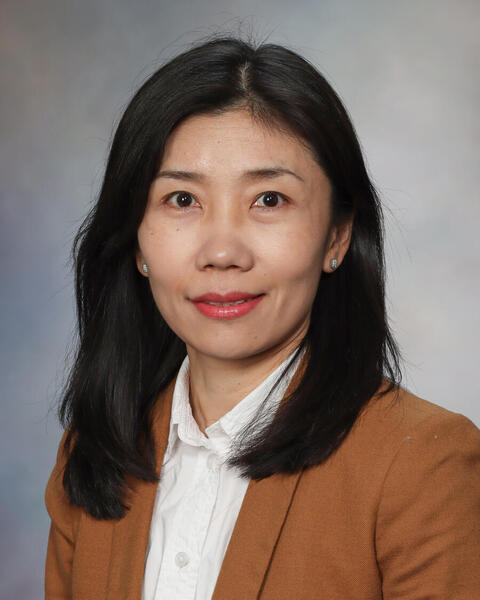
Li Gan, Ph.D., is the Burton P. and Judith B. Resnick Distinguished Professor in Neurodegenerative Diseases at the Brain and Mind Research Institute, Weill Cornell Medical College. Since 2018 she has led an interdisciplinary program that integrates human iPSC-based disease modeling, single-cell multi-omics, and therapeutic target discovery to combat Alzheimer’s disease and related tauopathies.
Education
- Ph.D., Yale University School of Medicine (1996)
- B.S., Peking University, China (1990)
Research Focus
Dr. Gan’s laboratory investigates how microglial innate immunity, tau post-translational modifications, and sex-specific pathways drive neurodegeneration. Using CRISPR-engineered human induced pluripotent stem cell (iPSC) models, brain organoids, and chimeric mouse brains, her team decodes cell-type-specific vulnerabilities and designs first-in-class therapeutics—including cGAS inhibitors, anti-acetyl-tau antibodies, and small-molecule modulators of microglial homeostasis.
Grants & Support
- NIA “Mapping proteomic changes of tauopathy in human neurons” (PI, 2025-2030)
- Cure Alzheimer’s Fund “Sex-biased TLR7 signaling” (PI, 2025)
- NIA “Acetylated Tau Immunotherapy” (PI Subaward, 2025-2026)
- JPB Foundation “Targeting maladaptive innate immune response” (PI, 2024-2027)
- Rainwater Charitable Foundation series on cGAS inhibitors and 4R tauopathy models (PI, 2024-2025)
- Chan Zuckerberg Initiative & Ludwig Family Foundation awards for neuro-immune resilience studies
Industry & Advisory Roles
Dr. Gan serves as Scientific Advisory Board Member for Arvinas, Inc. and Neurovanda Therapeutics; consultant to Aeton Therapeutics, LSG Therapeutics, and NeuroLambda Therapeutics; and maintains equity/proprietary interests in these companies plus Retro Biosciences, reflecting long-standing translational collaborations.
Laboratory & Teams
The Gan Lab operates within the Brain and Mind Research Institute’s state-of-the-art facilities, hosting post-doctoral fellows, graduate students, and research technicians focused on high-throughput CRISPRi/a screening, single-cell epigenomics, and pre-clinical testing of therapeutic leads. Active partnerships extend to the NIH-funded Alzheimer’s Disease Tau Platform Clinical Trial Network and international open-science consortia.