معرفی
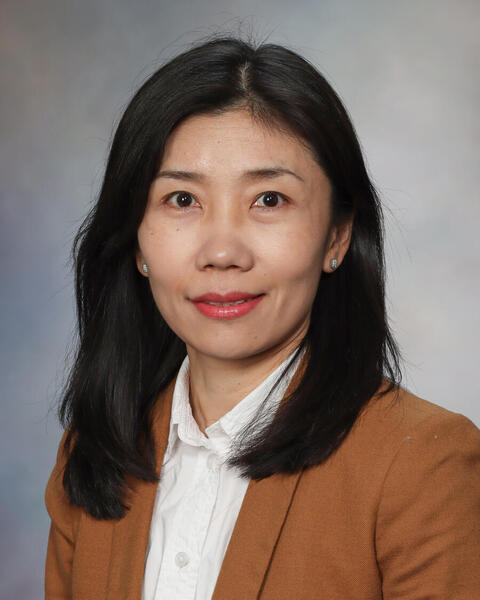
Shiaoching Gong serves as Associate Professor of Research in Neuroscience at the Brain and Mind Research Institute, Weill Cornell Medical College since 2018. Their work bridges molecular neuroscience, genetic engineering, and neurodegenerative disease mechanisms with continuous National Institute on Aging funding.
- B.S. from Xiamen University (China, 1983)
- Ph.D. from State University of New York Health Science Center at Brooklyn (1990)
Research focuses on Alzheimer's disease pathogenesis through three interconnected pillars: (1) Microglial responses to tau pathology involving cGAS-STING-IFN pathways and TREM2 variants, (2) Development of BAC transgenic models for neurodegenerative diseases, and (3) Mechanistic studies of tau propagation using human iPSC models. Recent work reveals how APOE3 mutations confer tau resilience and how AD risk alleles drive microglial senescence.
Publication analysis shows consistent leadership in BAC engineering methodology since 2002 alongside high-impact disease mechanism studies. The 15 most recent papers demonstrate increasing focus on neuroimmune interactions in tauopathies (2022-2025), with earlier work establishing foundational BAC protocols still heavily cited (>1700 citations for 2003 Nature paper).
No scientific awards are explicitly listed in source materials.
Gong serves as Co-Investigator on NIA-funded research "Elucidate the Roles of Alzheimer's Disease Variants in Gene Expression and AD Phenotypes" (2022-2027), indicating active grant leadership. While no formal students are named, their extensive publication record with trainee co-authors suggests significant mentoring activity within the Brain and Mind Research Institute.
Research occurs within the Brain and Mind Research Institute's neuroscience ecosystem, leveraging Weill Cornell's transgenic core facilities for BAC model development and human iPSC-based disease modeling.